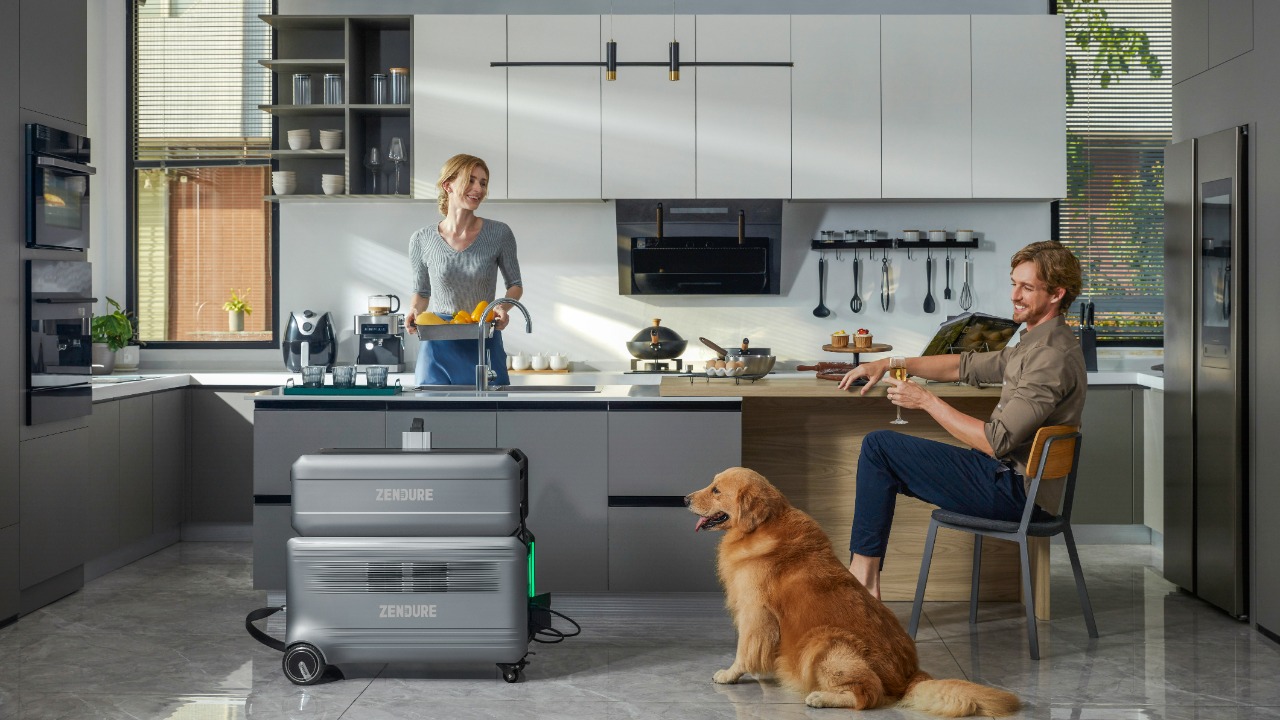

Smart home devices have become an integral part of modern living, offering convenience and automation in everyday tasks. However, many of these devices transmit data without user consent, raising significant privacy concerns. Here, we explore how smart home devices collect and share your data and the implications for user privacy.
The Rise of Smart Home Technology
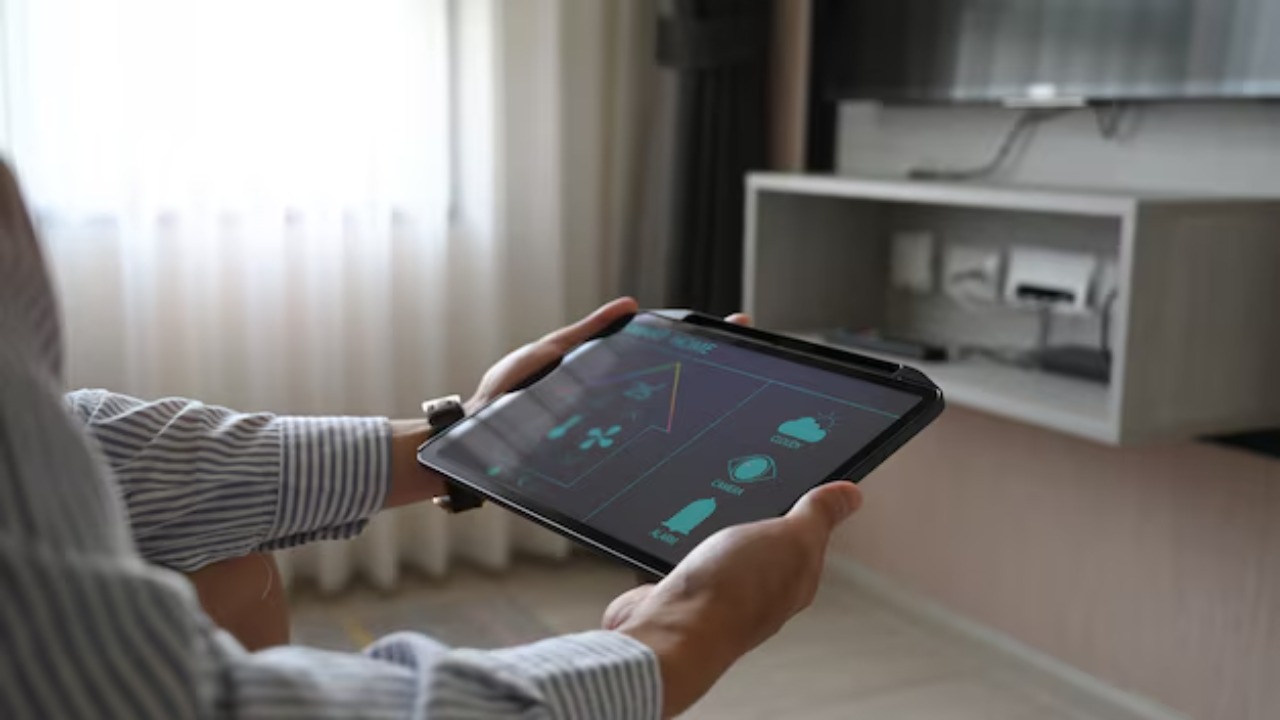
The proliferation of smart home devices is undeniable, with products such as smart speakers, cameras, and appliances becoming common fixtures in households around the world. These devices are designed to simplify and enhance daily living by automating various tasks and providing seamless control over home environments. From Amazon’s Echo to Google’s Nest, these devices are not only shaping the way we interact with our homes but are also becoming essential components of modern living spaces.
The market for smart home technology has seen rapid expansion, driven by consumer demand for convenience and innovation. According to industry reports, the global smart home market is projected to grow significantly in the coming years, fueled by advancements in artificial intelligence and the Internet of Things (IoT). Consumers are drawn to these technologies for the promise of increased efficiency, energy savings, and enhanced security. The allure of controlling home environments with a simple voice command or smartphone app makes smart home devices an attractive option for tech-savvy homeowners.
Beyond convenience, smart home devices offer various benefits, including automation and energy management. These devices can learn user preferences over time, optimizing settings to provide tailored experiences. For example, smart thermostats can adjust temperatures based on occupancy patterns, while smart lighting systems can create custom lighting schedules. The promise of a more connected and efficient home continues to drive consumer adoption, despite emerging privacy concerns.
Data Collection Practices in Smart Homes

As smart home devices become more prevalent, the types of data they collect have grown increasingly diverse. These devices capture audio and video recordings, monitor user behavior patterns, and even track environmental data such as temperature and humidity. For instance, smart speakers like the Amazon Echo constantly listen for voice commands, while smart cameras surveil home environments for security purposes.
The methods by which these devices transmit data often occur without explicit user consent, raising significant privacy concerns. Data is commonly shared via Wi-Fi or cloud-based services, where it can be stored, analyzed, or even sold to third parties. In many cases, users remain unaware of the extent of data collection and transmission occurring within their own homes. A study by ExpressVPN highlights how voice-activated devices can inadvertently capture private conversations, underscoring the need for greater transparency in data practices.
Several case studies have brought unauthorized data transmission to light. For example, reports have documented instances where smart TVs collect viewing habits and send this information back to manufacturers without user knowledge. Similarly, a study by the University of Texas revealed that many smart home devices lack robust security measures, leaving them vulnerable to hacking and unauthorized data access.
Privacy Implications and User Concerns
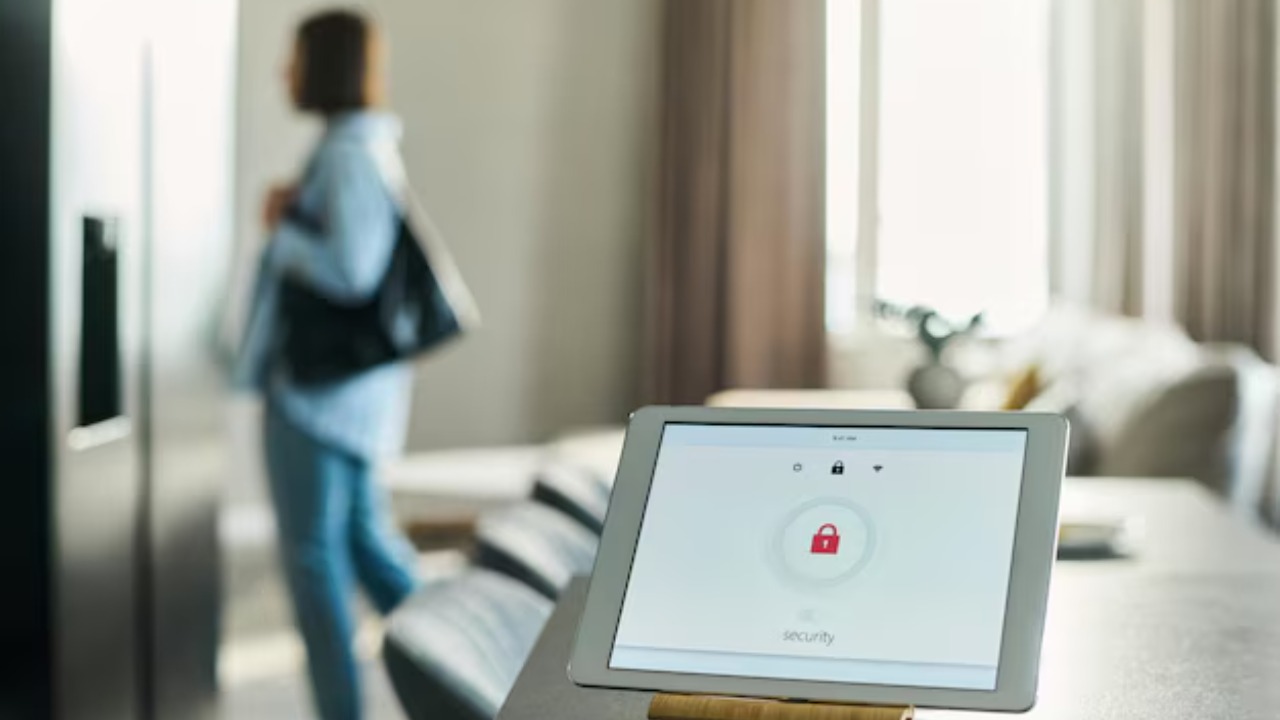
The privacy risks associated with data transmission in smart homes are significant. Unauthorized access to personal data can lead to hacking, identity theft, and data breaches. As smart home devices become more integrated into daily life, the potential for misuse of personal information grows. Privacy advocates warn that without proper safeguards, these technologies could transform homes into surveillance hubs.
User awareness of data collection practices remains low, with many consumers unaware of the extent to which their data is being collected and shared. The lack of informed consent in the smart home ecosystem is a pressing issue, as many device manufacturers fail to provide clear information about their data practices. A report by the IMSVA highlights that consumer trust in smart home technology is eroding due to concerns over unauthorized data transmission.
This erosion of trust has broader implications for the tech industry. As consumers become more aware of privacy risks, they may become hesitant to adopt new technologies, potentially stalling innovation. Companies must prioritize transparency and user consent to rebuild trust and ensure the continued growth of the smart home market.
Regulatory and Ethical Considerations
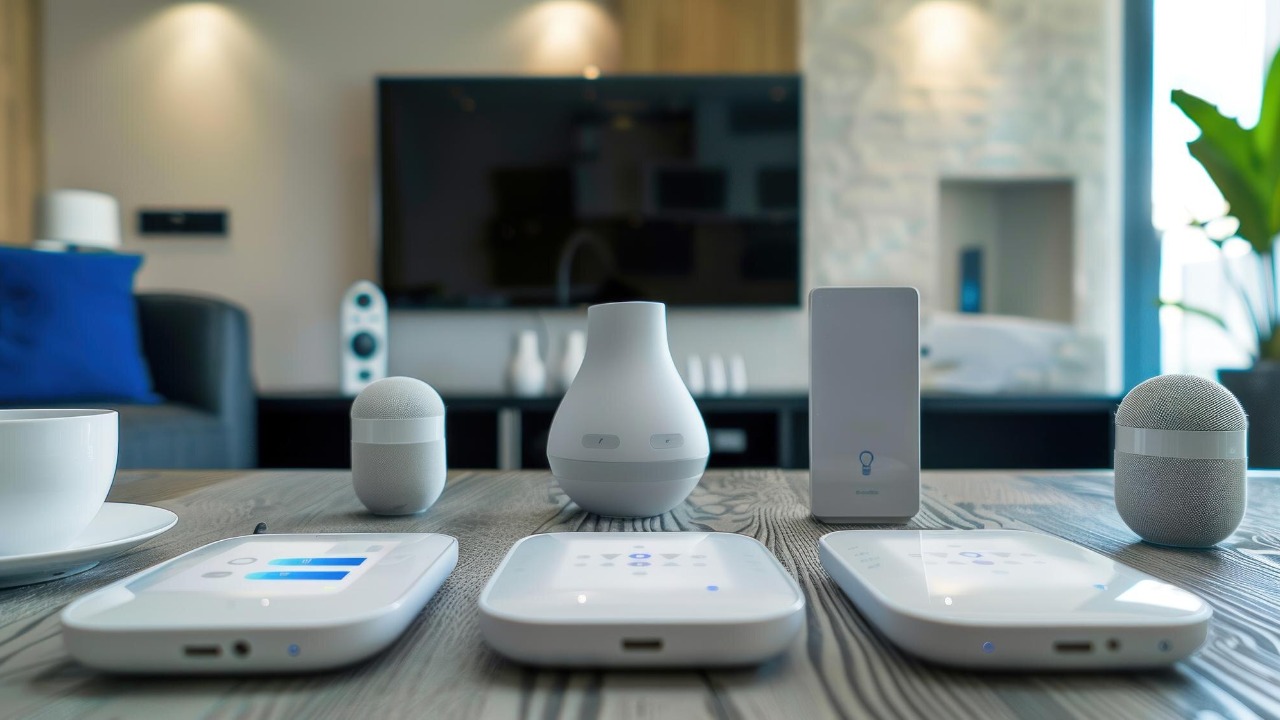
Existing regulations and policies governing data privacy in smart home devices vary widely by region and are often seen as inadequate. In the United States, the Federal Trade Commission (FTC) has taken steps to address privacy concerns, but comprehensive legislation is still lacking. The European Union’s General Data Protection Regulation (GDPR) provides a more robust framework, but enforcement remains challenging in the rapidly evolving tech landscape.
Tech companies have an ethical obligation to protect user privacy and ensure that data practices are transparent and fair. This includes implementing robust security measures, providing clear and concise privacy policies, and obtaining explicit user consent before collecting or sharing data. As the smart home industry grows, companies must balance innovation with user privacy to maintain consumer trust.
Looking ahead, there is a need for improved policy and industry practices to enhance user privacy and consent. Recommendations include developing standardized privacy labels for smart home devices, enhancing security features, and promoting user education. By prioritizing privacy and transparency, the industry can foster a more trustworthy smart home ecosystem.
Protecting Your Privacy in a Smart Home Environment

Consumers can take several steps to safeguard their privacy in a smart home environment. Adjusting device settings to limit data collection, using strong passwords, and regularly updating software are effective ways to enhance security. Disabling voice activation features when not in use can also prevent unintended data collection. For guidance on turning off data-sharing features, Consumer Reports offers detailed instructions for popular smart TV models.
Another strategy is to disable data-sharing features entirely, where possible. Many smart home devices offer options to opt-out of certain data collection practices. Reviewing privacy settings and opting out of data sharing can reduce the risk of unauthorized data transmission. For a critical perspective on smart home technology, readers can explore this article discussing whether smart homes are a convenience or a surveillance trap.
Finally, consumers should critically evaluate the privacy implications of smart home devices before making purchasing decisions. By researching products, reading reviews, and understanding privacy policies, users can make informed choices that align with their privacy preferences. In an increasingly connected world, taking proactive measures to protect personal data is essential for maintaining privacy and security.