
Recent advancements in artificial intelligence have led to the development of a brain-scan-trained AI capable of predicting human choices with remarkable accuracy. This breakthrough technology holds significant implications for fields ranging from neuroscience to consumer behavior analysis. The AI’s ability to anticipate decisions with 85% accuracy presents both exciting opportunities and ethical considerations.
The Science Behind Brain-Scan-Trained AI
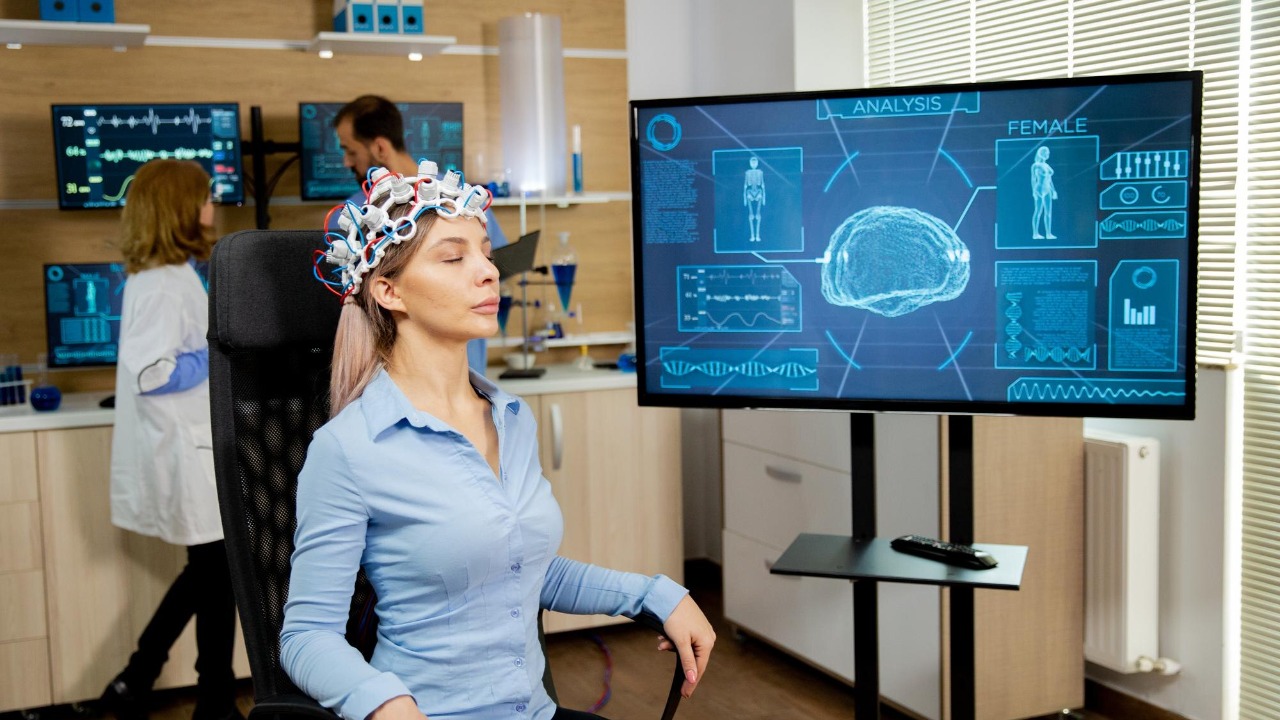
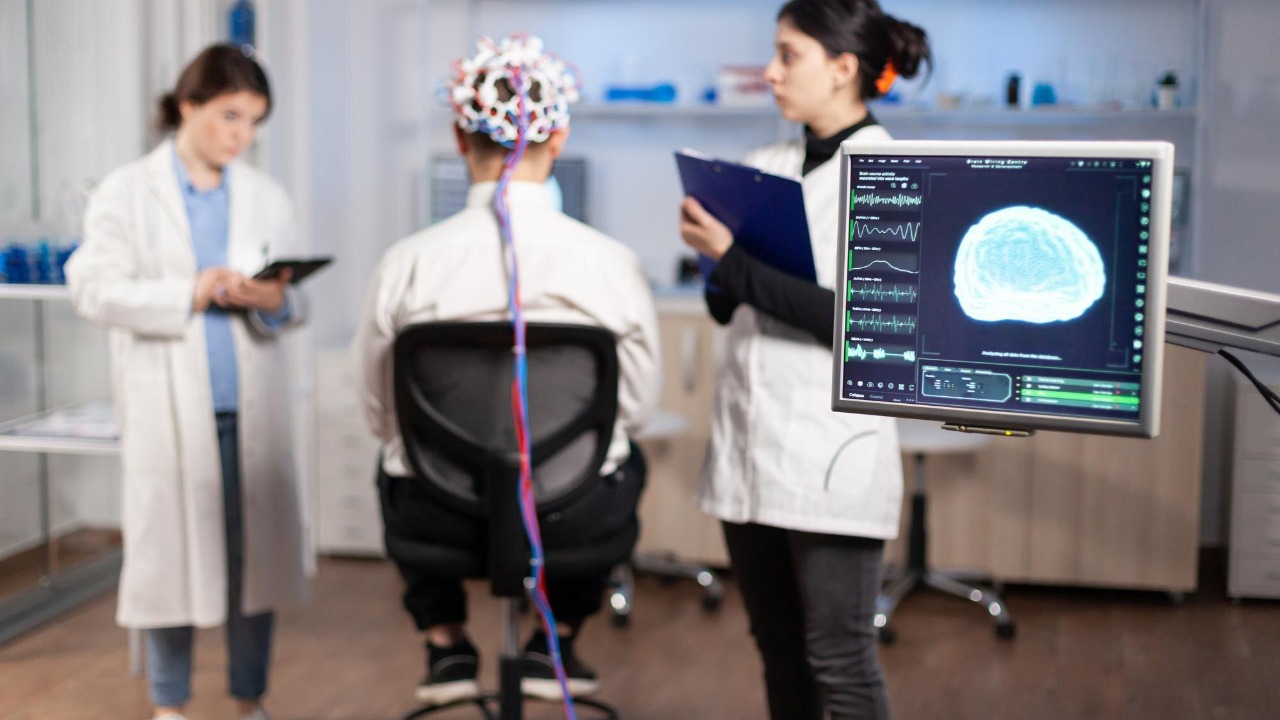
Neuroscience and AI are converging in fascinating ways, with brain imaging technologies like functional Magnetic Resonance Imaging (fMRI) and Electroencephalography (EEG) at the forefront. These technologies capture neural patterns that are crucial for understanding how decisions are made in the human brain. By analyzing these patterns, researchers can gather vast amounts of data that serve as the foundation for training AI systems. The goal is to create models that can interpret this complex data and predict future choices, opening new doors in neuroscience research.
At the heart of this technology are sophisticated data processing techniques. Algorithms such as deep learning and neural networks are employed to sift through the intricate and often overwhelming data collected from brain scans. These techniques allow the AI to discern patterns and correlations that are not immediately apparent to human analysts. Despite achieving an impressive 85% accuracy rate, the technology still faces limitations. Factors such as individual variability in brain patterns and the quality of data can affect prediction accuracy, highlighting the need for continuous refinement.
Applications in Real-World Scenarios
In healthcare, the implications of this AI are profound. Imagine a future where neurological disorders such as Alzheimer’s or Parkinson’s can be diagnosed with greater precision by analyzing brain activity patterns. This AI could also play a crucial role in tailoring treatment plans to individual needs, optimizing therapeutic outcomes. For instance, by predicting how a patient might respond to a particular medication or therapy, clinicians could make more informed decisions, ultimately enhancing patient care.
Beyond healthcare, the realm of consumer behavior analysis presents another exciting application. Companies could leverage this technology to better understand consumer preferences and predict purchasing decisions. This could revolutionize marketing strategies, allowing for more personalized and effective campaigns. Imagine being able to anticipate a consumer’s needs before they even express them, leading to a more tailored and engaging shopping experience.
Education is yet another field that stands to benefit significantly. By understanding the neural mechanisms behind learning, educators could adapt content to match individual learning styles. This could lead to more effective teaching methods and improved student outcomes. For instance, if an AI can predict the most effective way a student comprehends information, educators could tailor their approach to maximize learning potential.
Ethical and Privacy Concerns
The collection and storage of brain data raise significant data privacy issues. Brain scans contain highly sensitive information, akin to a digital fingerprint of one’s thoughts and intentions. Ensuring that this data is securely stored and only used with explicit consent is paramount. The potential for misuse is a real concern, and safeguards must be put in place to protect individuals’ privacy.
Consent and autonomy are also critical issues. Individuals must be fully informed about how their data will be used and the potential implications of allowing their brain data to be analyzed. The prospect of an AI predicting one’s choices raises questions about personal autonomy. How might this affect an individual’s sense of self-determination if an AI can anticipate their decisions before they consciously make them?
Bias and fairness in AI predictions are additional ethical considerations. If the training data used to develop these models is biased, the AI’s predictions may also be skewed. This could lead to unfair or discriminatory outcomes, particularly in sensitive applications such as healthcare or criminal justice. Ensuring that the data used is diverse and representative is crucial to maintaining the integrity and fairness of the AI’s applications.
Future Prospects and Considerations
Looking ahead, advancements in AI technology are likely to improve the accuracy and applicability of brain-scan-trained AI. As more sophisticated neural data becomes available, the potential for higher accuracy predictions increases. This could lead to even more refined applications in various fields, enhancing the technology’s utility and impact.
The regulatory landscape will also need to evolve to keep pace with these technological advancements. Regulations governing the ethical use of brain-scan-trained AI will be essential to ensure that the technology is used responsibly and that individuals’ rights are protected. Policymakers will need to work closely with scientists and industry leaders to develop frameworks that balance innovation with ethical considerations.
Finally, the broader societal impacts of this technology must be considered. The integration of AI into human decision-making processes could lead to shifts in how we interact with technology and each other. It may challenge our notions of free will and agency, prompting us to reevaluate the role of AI in our lives. As we stand on the brink of this new frontier, careful consideration of these implications is essential to harness the potential of brain-scan-trained AI for the greater good.