

The pursuit of room-temperature superconductors has long been a holy grail for scientists. Recent advancements under high-pressure conditions have brought this dream closer to reality. This exploration delves into the latest breakthroughs, their potential applications, and the challenges that remain.
The Science Behind Superconductivity
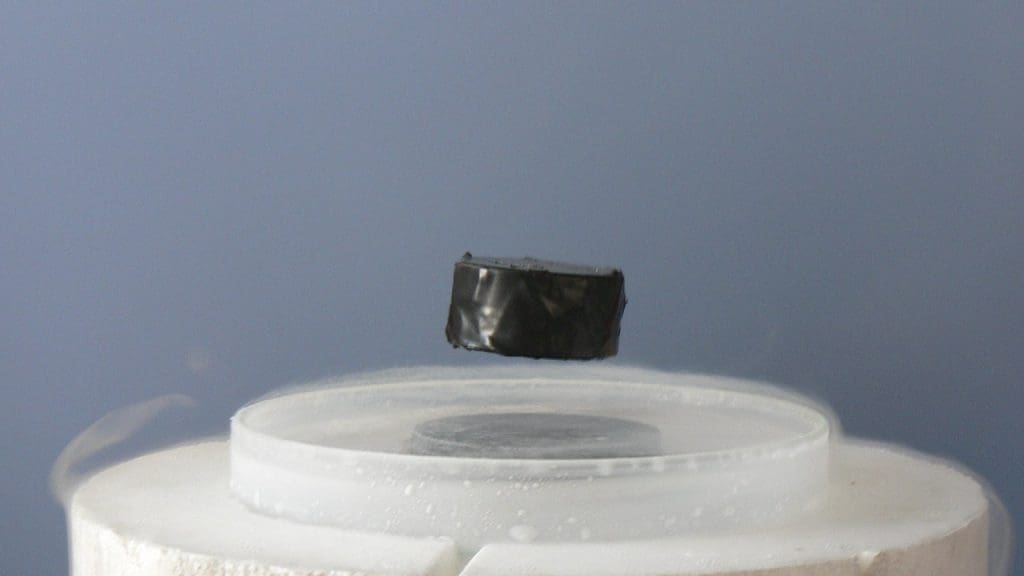
Understanding Superconductors
Superconductors are materials that can conduct electricity without resistance when cooled below a certain temperature. This property leads to zero energy loss, making them incredibly efficient conductors. The significance of achieving superconductivity at room temperature is immense, as it would eliminate the need for expensive cooling systems currently required to maintain superconductive states in materials.
The pursuit of room-temperature superconductivity has been driven by the potential to revolutionize various technological and industrial applications. With room-temperature superconductors, we could witness significant advancements in fields ranging from medical imaging to quantum computing.
The Role of Pressure in Superconductivity
High-pressure environments have proven crucial in facilitating superconductivity. By altering the atomic structure of materials under extreme pressure, researchers have been able to induce superconductive properties. Recent experiments have shown promising results, such as the use of hydrogen-rich compounds compressed to extreme pressures to achieve superconductivity at relatively higher temperatures.
These breakthroughs highlight the importance of pressure as a tool in superconductivity research. For example, recent studies have used diamond anvil cells to apply pressures exceeding that of the Earth’s core, leading to significant strides in the field.
Breakthroughs in Materials Science

New Materials Leading the Way
Recent discoveries in materials science have identified key materials that show promise in achieving room-temperature superconductivity. Hydrogen sulfide, when subjected to high pressure, has exhibited superconducting properties at temperatures as high as 203 Kelvin. Similarly, lanthanum hydride has demonstrated superconductivity at temperatures approaching room temperature under extreme pressures.
The role of hydrogen-rich compounds has been pivotal in these developments. These materials are thought to facilitate the electron pairing necessary for superconductivity, a phenomenon known as Cooper pairing. Continued research into these materials could pave the way for even more significant discoveries.
Research and Development Efforts
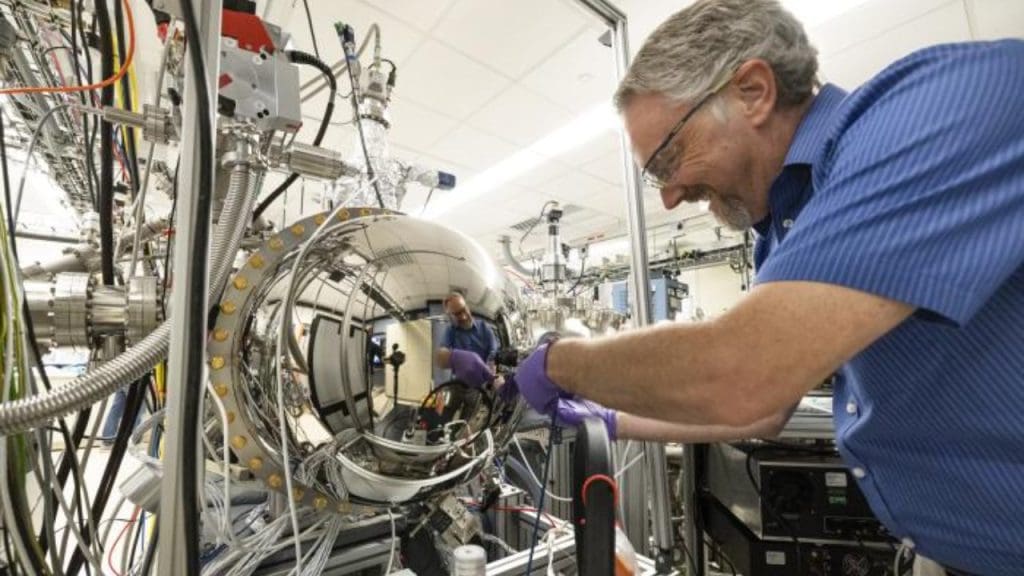
Collaborative efforts across universities and research institutions have been instrumental in these breakthroughs. Institutions are leveraging advanced technologies such as high-pressure synthesis and computational modeling to explore new superconducting materials. The synergy between experimental and theoretical approaches is accelerating the pace of discovery in this field.
For instance, the University of Chicago and other research institutions are at the forefront of these efforts, utilizing state-of-the-art methodologies to push the boundaries of what is currently possible in superconductivity research.
Implications and Applications

Potential Technological Advancements
The achievement of room-temperature superconductivity could have profound implications across various industries. In electronics, it could lead to faster, more efficient devices with significantly reduced energy consumption. In transportation, superconducting magnetic levitation trains could become a reality, offering faster and more energy-efficient travel options.
Additionally, the energy sector stands to benefit immensely from room-temperature superconductors, which could revolutionize the way we store and transmit electricity. The potential for lossless power grids could lead to a significant reduction in energy waste, contributing to a more sustainable future.
Economic and Environmental Benefits
Room-temperature superconductors also promise substantial economic and environmental benefits. By reducing energy loss and increasing efficiency, these materials could lead to significant cost savings in energy production and distribution. The potential for improved efficiency in various applications could also contribute to a reduction in greenhouse gas emissions.
As society moves toward more sustainable practices, the environmental benefits of superconducting technologies could play a crucial role. The widespread adoption of these technologies could help mitigate the impact of climate change by reducing the carbon footprint of energy-intensive industries.
Challenges and Skepticism
Technical Hurdles and Limitations
Despite the promising advancements, several technical hurdles and limitations remain. One major challenge is replicating these results at scale. The extreme pressures required to achieve superconductivity in current experiments are not feasible for widespread application, necessitating further research to find more practical solutions.
Moreover, the stability of these superconducting states under ambient conditions is yet to be fully understood. The need for further research and development is paramount to overcoming these barriers and realizing the full potential of room-temperature superconductors.
Skepticism and Scientific Scrutiny
The scientific community has met recent claims of room-temperature superconductivity with a degree of skepticism. The scrutiny and demand for reproducibility in scientific research are essential to ensure the credibility of these findings. Replicating these results across different laboratories is crucial for validating the potential of these materials.
Peer review and scientific discourse play a critical role in navigating the challenges and skepticism surrounding these developments. The importance of transparency and collaboration cannot be overstated as researchers continue to explore the possibilities of room-temperature superconductivity.
Future Directions

Ongoing Research and Future Prospects
Ongoing research is focusing on identifying new materials and methods to achieve room-temperature superconductivity under more practical conditions. Projects are underway to explore the potential of alternative compounds and innovative synthesis techniques. The expected timelines for new developments remain uncertain, but optimism within the scientific community is high.
The potential roadmap toward commercial viability and mainstream application includes continued investment in research and development. Public and private sectors are increasingly recognizing the transformative potential of this technology, leading to increased funding and interest in advancing this field.
The Broader Impact on Science and Society
Achieving room-temperature superconductivity could inspire future scientific endeavors and open new avenues of research across various disciplines. The broader impact on science and society could be profound, from advancing our understanding of condensed matter physics to fostering innovation in technology and industry.
Public and private investment will play a crucial role in advancing this field, as the potential benefits of room-temperature superconductors could extend far beyond their immediate applications. As researchers continue to push the boundaries, the pursuit of superconductivity at room temperature remains a captivating and promising frontier in modern science.