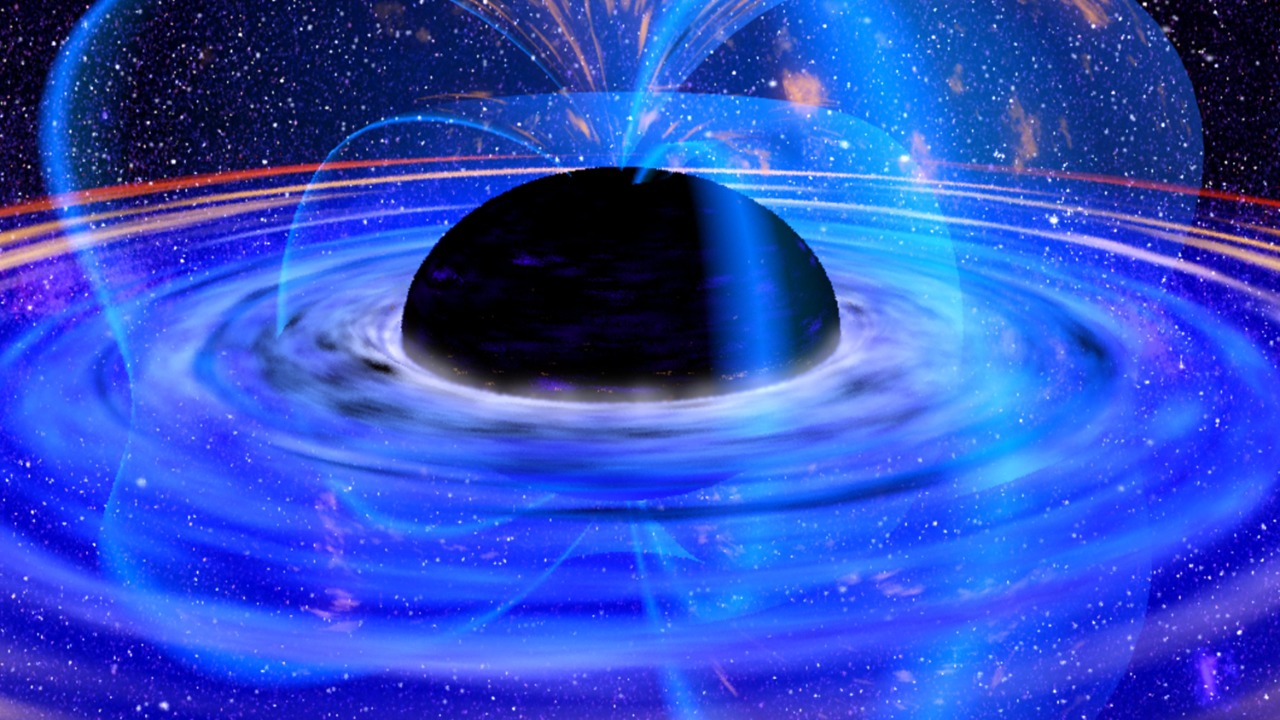

NASA has recently transformed sound waves emanating from the Perseus Galaxy Cluster’s black hole into a format perceptible to the human ear, offering a unique auditory glimpse into the universe’s mysteries. With the use of advanced technology, scientists have sonified these cosmic phenomena, turning them into a hauntingly beautiful soundscape that provides a new perspective on black holes. This innovative approach merges the realms of astronomy and acoustics, revealing an aspect of space exploration that is as intriguing as it is informative.
The Science of Sonification
Understanding Sound Waves in Space
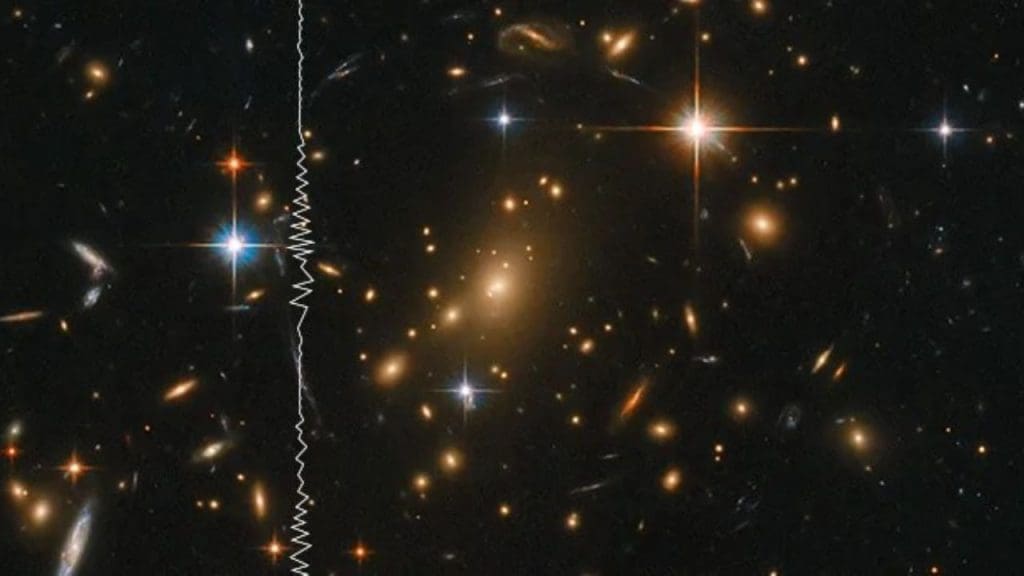
Sound waves in space may seem like a paradox, given the vacuum that characterizes much of the cosmos. However, within galaxy clusters like Perseus, a hot, diffuse gas permeates the environment, allowing sound waves to travel. These waves are generated by the black hole’s intense gravitational forces, which create pressure fluctuations in the intracluster gas. As these sound waves ripple through the medium, they provide clues about the processes occurring near black holes.
Sonification Techniques
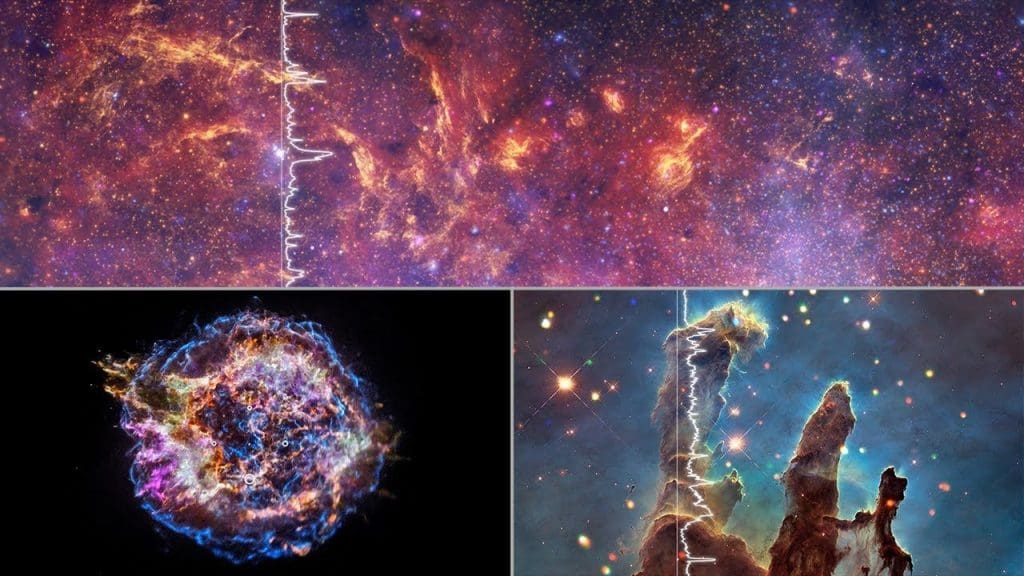
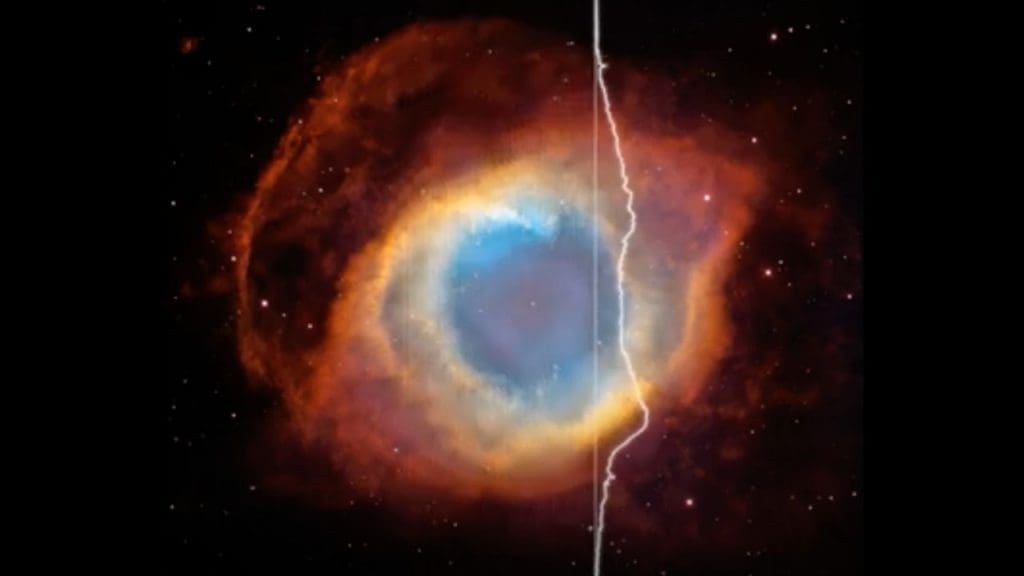
NASA’s sonification initiative involves converting electromagnetic data collected by observatories into audible sound waves. By mapping data points to musical notes, scientists can transform astronomical phenomena into sound. This method, detailed on the Chandra X-ray Observatory’s website, allows us to “hear” events in space, from the rumbling of a black hole to the shimmer of a star. The process involves translating the data’s frequency into audio, preserving the original information while making it accessible to human listeners.
Historical Context and Development
The concept of sonification is not new but has gained traction in recent years, particularly in astronomy. It offers a novel way to interpret data that complements traditional visual analyses. Historically, visual imaging has dominated scientific observation, but sonification provides an additional dimension. This approach has been instrumental in fostering discoveries by revealing patterns or anomalies that might be missed visually. The evolution of sonification marks a significant shift towards multi-sensory exploration of the cosmos.
The Perseus Galaxy Cluster and Its Black Hole
Overview of the Perseus Galaxy Cluster
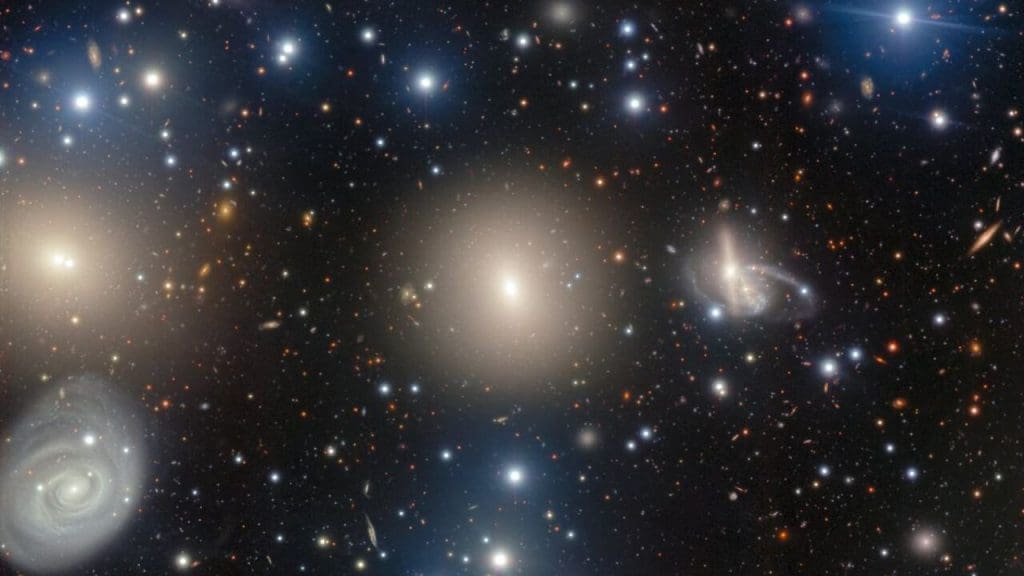
The Perseus Galaxy Cluster is one of the most massive and luminous clusters in the universe, located about 240 million light-years from Earth. It is a vast collection of galaxies, hot gas, and dark matter, with a supermassive black hole at its center. This cluster is a focal point for scientists due to its size and the rich data it provides about the universe’s structure and evolution.
Characteristics of the Perseus Black Hole
The black hole at the center of the Perseus Cluster is a formidable force, with a mass millions of times that of the Sun. It exerts a powerful influence on its surroundings, driving the dynamics of the cluster. The black hole’s gravitational pull affects the intracluster gas, creating the pressure waves that have now been sonified. These characteristics make it a key object of study, providing insights into the behavior of black holes and their role in galaxy formation.
Impacts on Scientific Research
Research on the Perseus black hole has led to several groundbreaking discoveries, including the detection of sound waves in its vicinity. These findings have expanded our understanding of black hole dynamics and their impact on galaxy clusters. By studying the Perseus Cluster, scientists can better understand the physical processes at work in these extreme environments, contributing to the broader field of cosmology.
The Auditory Experience of Space
Describing the Sonified Sounds
The sonification of the Perseus black hole offers an eerie and captivating auditory experience. The sound, as described by Science Alert, is reminiscent of a deep, resonant hum, punctuated by occasional higher-pitched tones. These sounds reflect the black hole’s rhythmic pressure waves, providing a novel way to engage with cosmic phenomena.
Public and Scientific Reactions
The sonified sounds have captured the imagination of both the public and the scientific community. For many, it is a rare opportunity to “listen” to space, transforming abstract data into a tangible experience. The release of these sounds has sparked widespread interest and discussion, highlighting the potential of sonification as a tool for engagement and education. Scientists appreciate the additional perspective it provides, complementing visual data with an auditory dimension.
Implications for Education and Outreach
The sonification of cosmic phenomena holds significant potential for educational and outreach efforts. By making complex scientific concepts more accessible, it can inspire curiosity and interest in space science among diverse audiences. Educational programs can incorporate sonification to help students grasp the intricacies of space exploration, enhancing traditional teaching methods. This approach also encourages public engagement, fostering a deeper appreciation for the universe’s wonders.
Broader Implications of Sonification in Astronomy
Enhancing Data Interpretation
Sonification provides a unique means of interpreting complex astronomical data, allowing researchers to detect patterns that might otherwise go unnoticed. By converting data into sound, scientists can gain new insights into phenomena such as black hole activity, stellar formations, and cosmic microwave background radiation. This method can reveal subtle variations and trends, enhancing our understanding of the universe’s intricacies.
Fostering Interdisciplinary Collaboration
The integration of sonification in astronomy encourages collaboration across disciplines, bringing together astronomers, musicians, and sound engineers. This interdisciplinary approach fosters innovation, enabling the development of new techniques and technologies. By combining expertise from different fields, researchers can explore novel ways to represent and analyze astronomical data, pushing the boundaries of space science.
Future Prospects in the Field
Looking ahead, the potential of sonification in astronomy is vast. Future projects may involve more detailed and complex sonifications of various cosmic phenomena, providing deeper insights into the universe. Organizations like NASA are likely to continue exploring this avenue, leveraging technological advancements to enhance our sensory experience of space. As sonification evolves, it promises to transform our understanding of the cosmos, offering a richer, more immersive exploration of the final frontier.