
Electric and hybrid vehicles are at the forefront of the automotive industry’s shift towards sustainability. However, some models have been flagged by shipping companies due to concerns over fire risks. This issue has significant implications for the logistics and transportation of these vehicles, affecting manufacturers and consumers alike.
Chevrolet Bolt EV
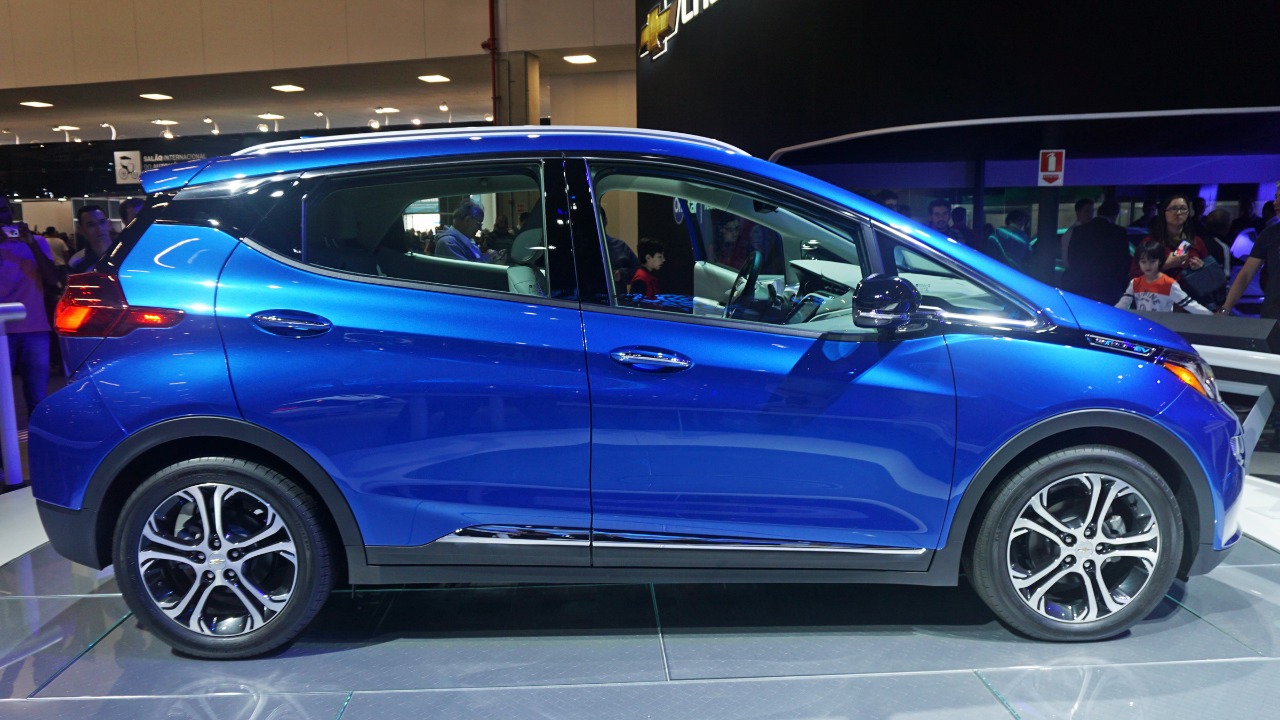
The Chevrolet Bolt EV, a popular electric vehicle (EV) by General Motors, became the subject of scrutiny when multiple reports of battery fires emerged. Models from the 2017 to 2022 production years experienced issues due to a defect in the battery packs supplied by LG Chem. This defect led to a series of recalls aimed at preventing potential fires. Although Chevrolet has worked diligently to address the issue through software updates and battery replacements, the Bolt’s reputation took a hit, leading some shipping companies to be cautious about transporting these vehicles.
Despite the challenges, General Motors remains committed to ensuring the safety of the Bolt EV. The company has invested heavily in improving battery technology and has assured customers of their commitment to rectify these problems. Shipping firms, however, continue to approach the transportation of Bolt EVs with caution, prioritizing safety and compliance with global shipping regulations.
Hyundai Kona Electric
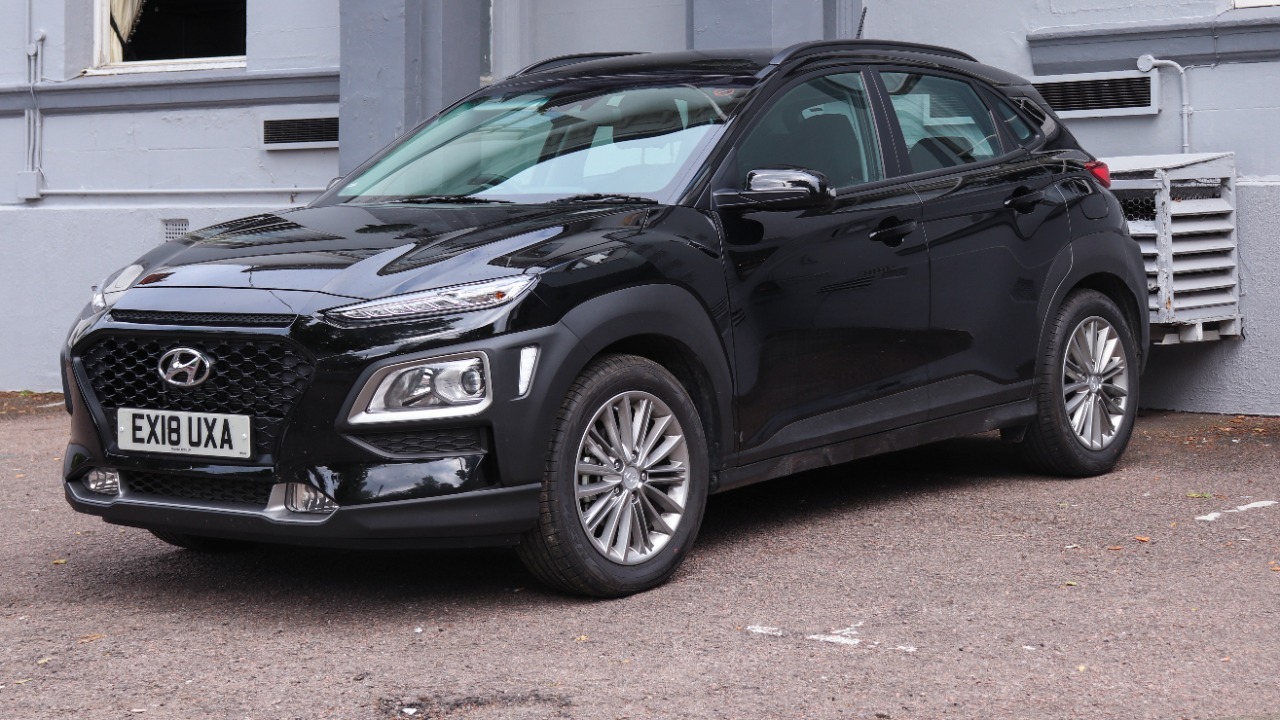
The Hyundai Kona Electric has also faced challenges due to fire risks associated with its battery technology. Reports of battery fires in vehicles from the 2018 to 2020 model years prompted Hyundai to issue a recall. The issue stemmed from potential short circuits within the battery cells, prompting a recommendation for owners to park their vehicles outside and away from structures until repairs were completed.
Hyundai initiated a comprehensive plan to address the situation, including battery replacements and software upgrades. While the company has taken significant steps to mitigate risks, some shipping companies have opted to blacklist these vehicles. The focus remains on ensuring safe transportation practices to prevent any incidents during transit.
BMW i3
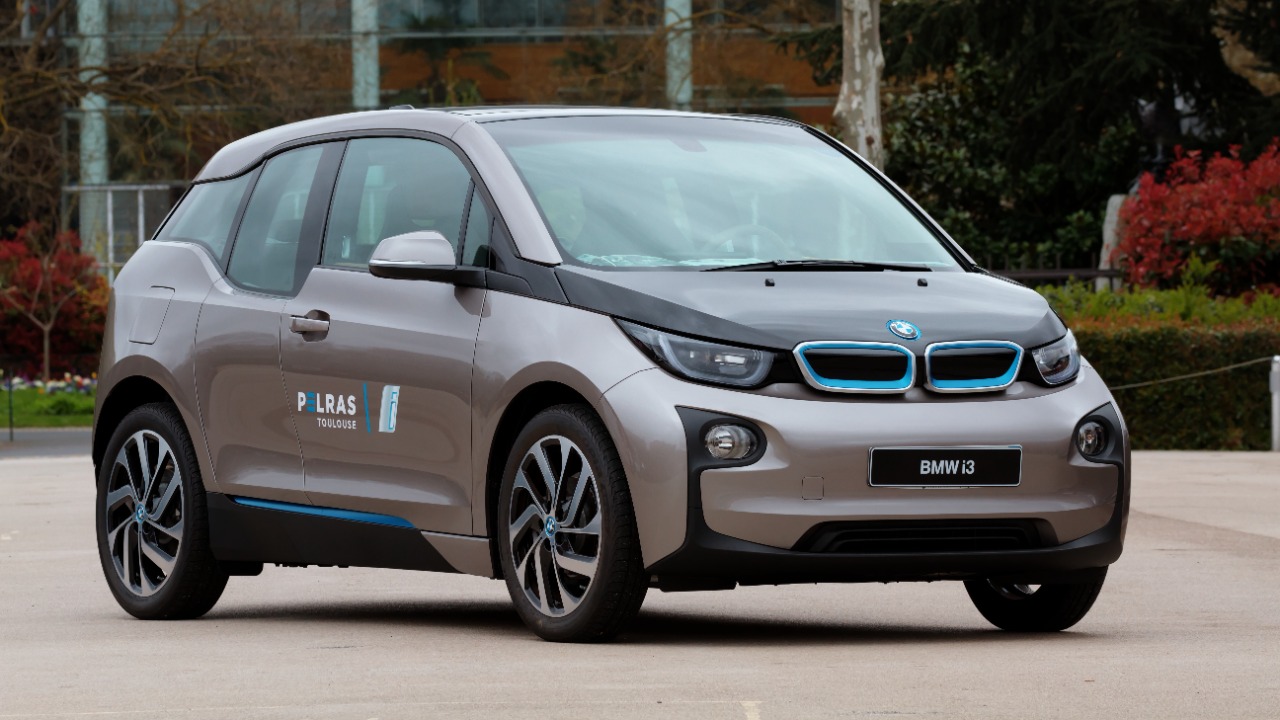
While the BMW i3 has been celebrated for its innovative design and electric capabilities, it has not been entirely exempt from scrutiny. The i3’s battery technology, although reliable, has raised concerns among shipping firms, especially after isolated incidents involving battery overheating. BMW has been proactive in addressing these concerns, ensuring that their vehicles meet the highest safety standards.
The i3’s distinctive carbon fiber-reinforced plastic body presents unique challenges in terms of repair and recycling, adding to the considerations for shipping companies. Despite these concerns, the i3 continues to be a popular choice among environmentally conscious consumers who appreciate its urban-friendly design and zero-emission driving experience.
Ford Kuga PHEV
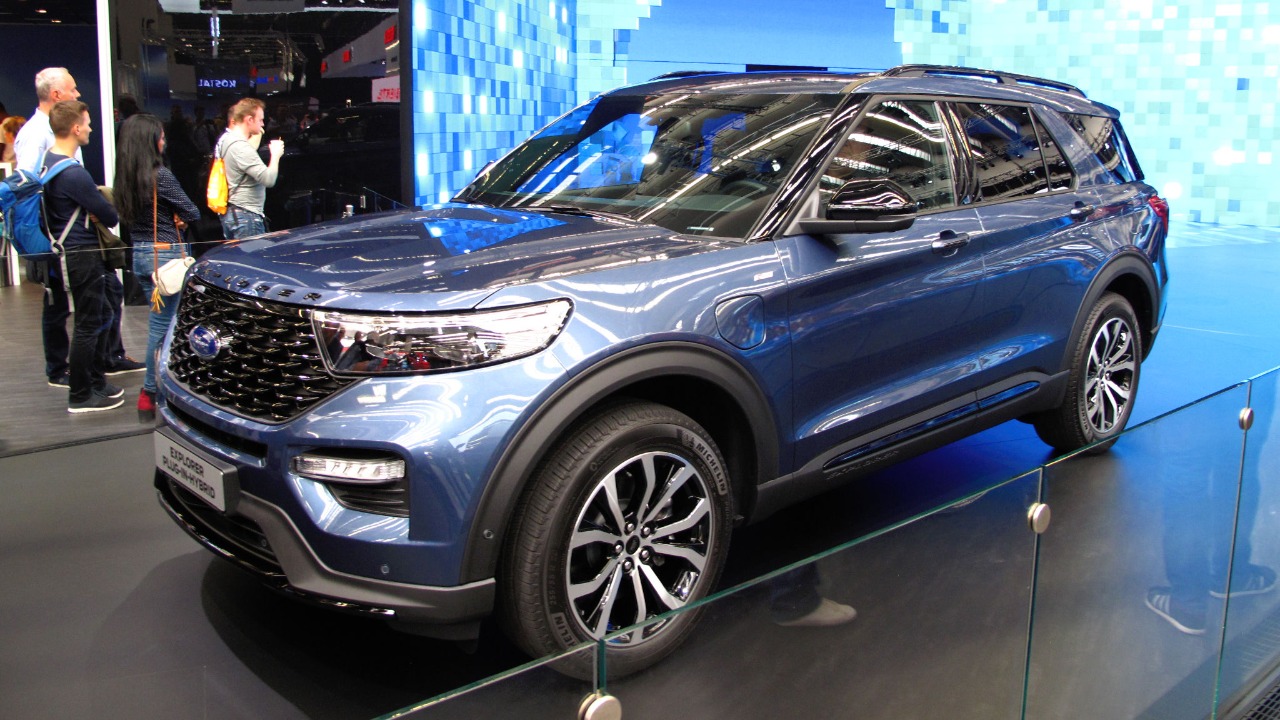
The Ford Kuga PHEV, a plug-in hybrid electric vehicle, faced significant challenges when battery defects were discovered in models manufactured between 2019 and 2020. These defects led to a recall after instances of battery overheating, which posed a fire risk. Ford responded by advising owners not to charge their vehicles overnight or park them indoors until the issue was resolved.
Ford has since implemented a battery replacement program and updated the vehicle’s software to enhance safety. Despite these efforts, some shipping companies remain cautious, opting to exclude the Kuga PHEV from their transport lists. The incident highlights the ongoing challenges faced by automakers in ensuring the safety and reliability of hybrid and electric vehicles.
Tesla Model S
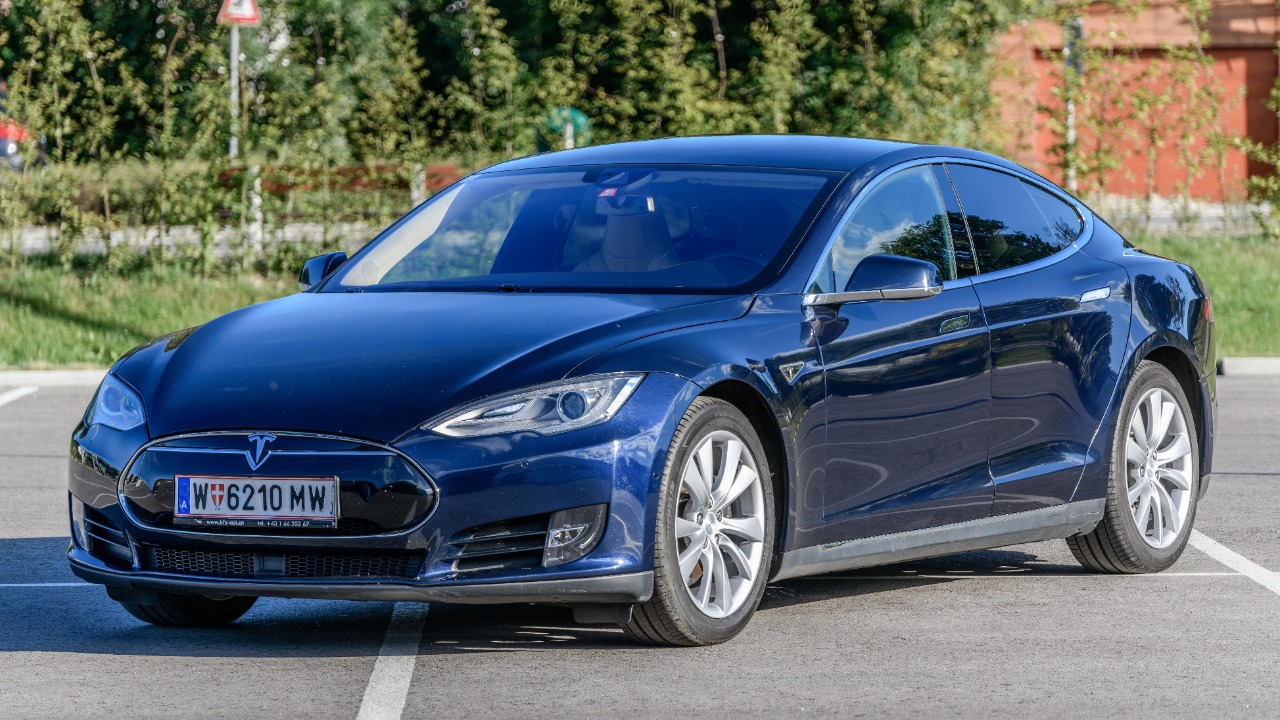
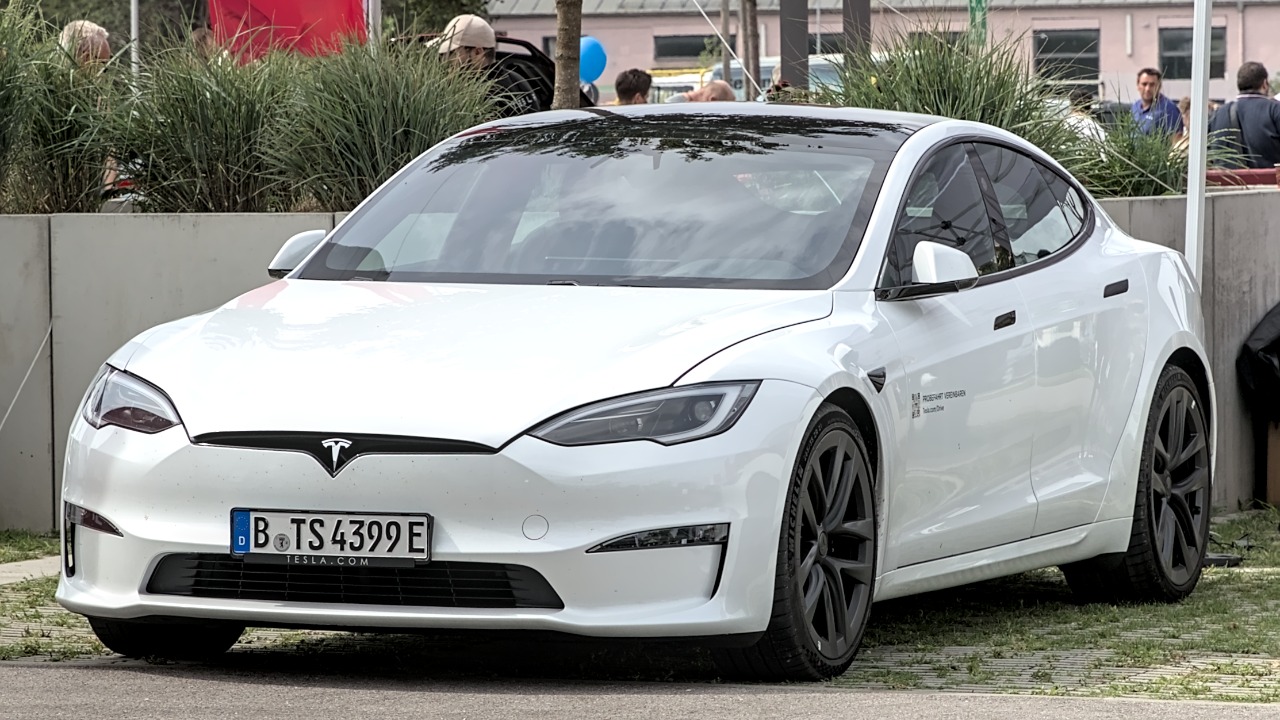
The Tesla Model S, a flagship electric sedan, has been at the center of discussions regarding EV safety. Although Tesla is renowned for its cutting-edge technology and performance, the Model S has faced scrutiny due to high-profile incidents involving battery fires. These incidents, although rare, have prompted some shipping companies to reassess their policies concerning the transportation of Tesla vehicles.
Tesla has consistently worked to improve its battery management systems and enhance safety features. The company remains a leader in the EV market, continuously pushing the boundaries of innovation. Nonetheless, the Model S serves as a reminder of the importance of stringent safety measures across all stages of a vehicle’s lifecycle, from manufacturing to shipping and beyond.