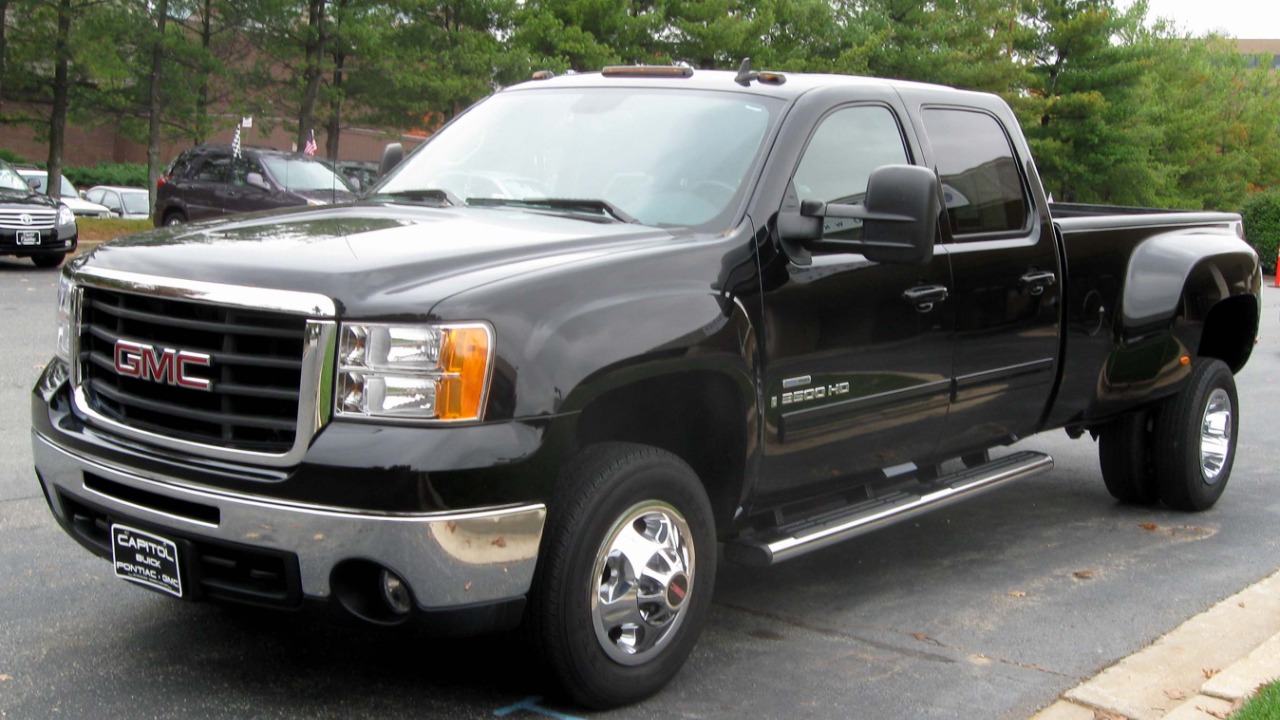

In recent years, stricter emissions standards and size regulations have led to the banning of certain pickup trucks in multiple U.S. states. These regulations are part of a broader effort to reduce environmental impact and improve road safety. Here are six pickup trucks that have been affected by these changes.
Ford F-450 Super Duty
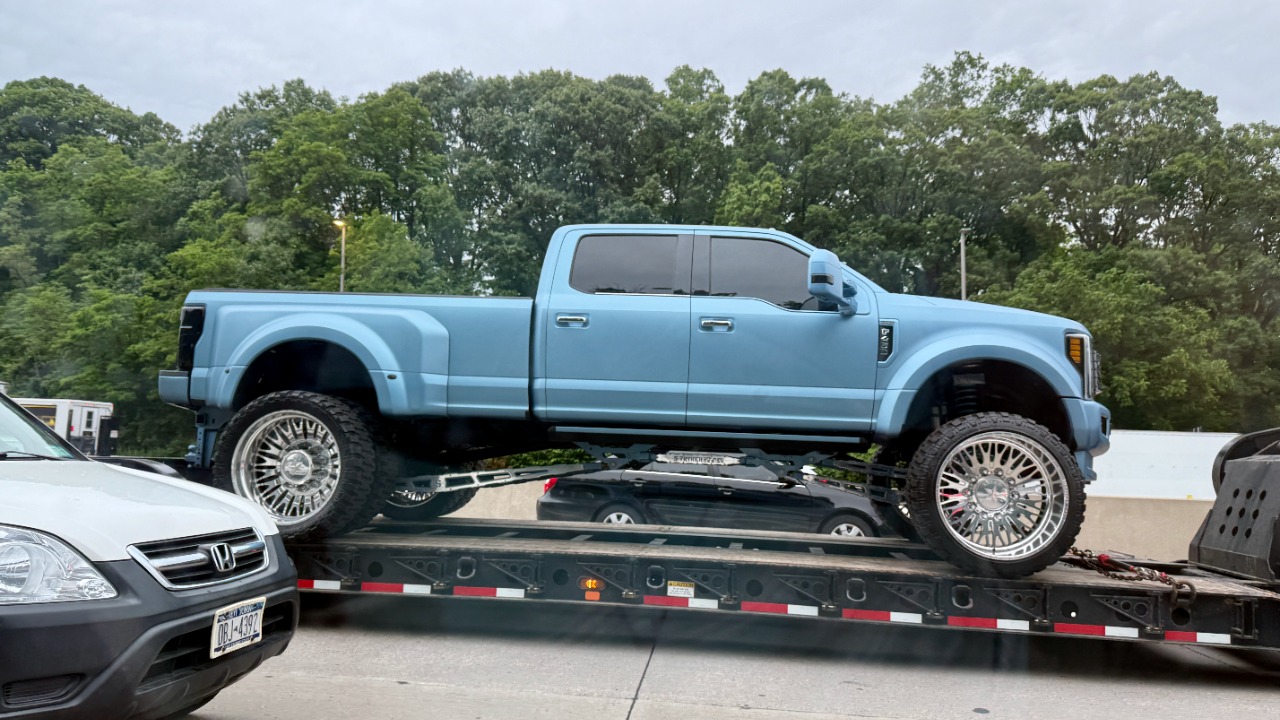
The Ford F-450 Super Duty is a powerhouse in the world of heavy-duty trucks, but its sheer size and emissions output have caused it to be banned in several states. With a gross vehicle weight rating (GVWR) that often exceeds the allowable limits, the F-450 is seen as too large for many urban environments. Additionally, its diesel engine has struggled to meet the latest emissions standards.
States with stricter emissions regulations, such as California and New York, have been particularly vigilant in keeping these trucks off the road. The combination of size and emissions output makes the F-450 a target for regulatory bodies focused on reducing air pollution and improving traffic conditions.
Ram 5500

The Ram 5500 is another heavy-duty truck that faces restrictions due to its size and emissions. Known for its robust towing capacity and durability, the Ram 5500 is popular in industrial and commercial sectors. However, its diesel engine does not always comply with the latest emissions standards, leading to bans in states prioritizing environmental protection.
In addition to emissions concerns, the Ram 5500’s size can be problematic in densely populated areas. With increasing attention on vehicle size in urban planning, states like Massachusetts and Washington are imposing restrictions to maintain road safety and infrastructure integrity.
Chevrolet Silverado 6500HD
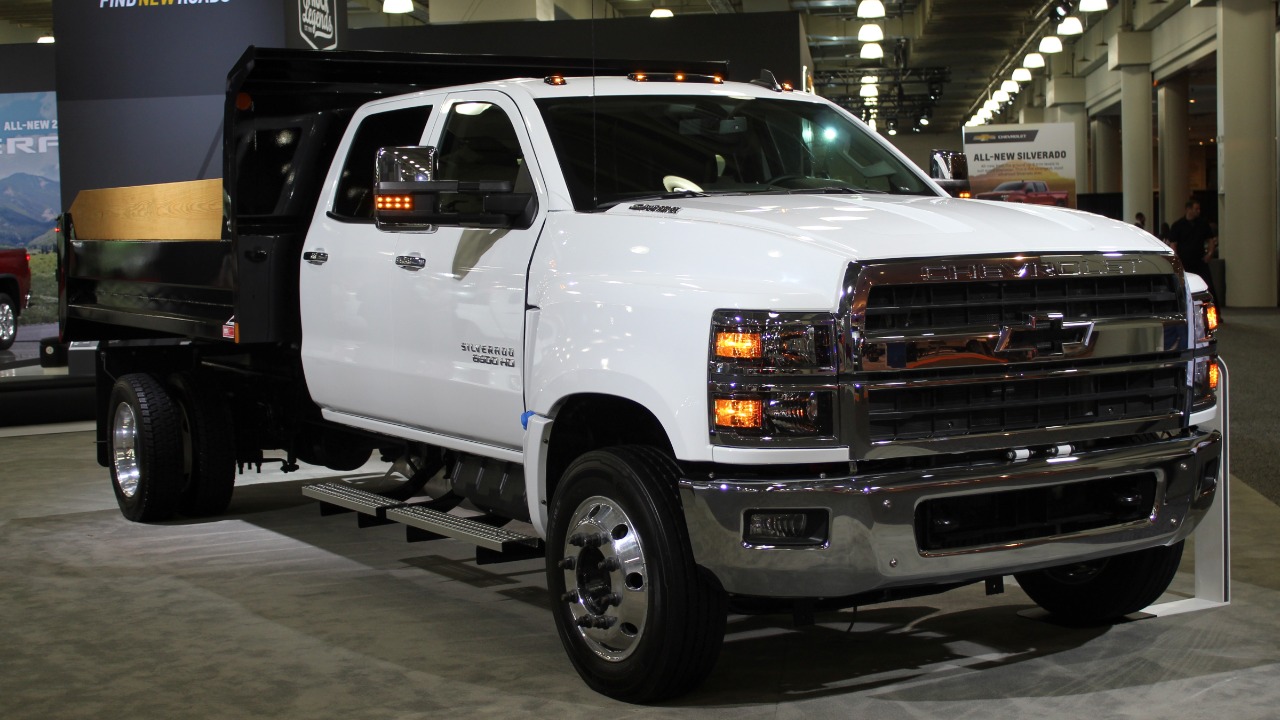
The Chevrolet Silverado 6500HD is a beast when it comes to performance, but its environmental impact is a significant concern. This truck’s powerful diesel engine, while offering impressive torque and towing capacity, contributes to higher emissions levels that do not align with the standards set by many states.
Efforts to curb greenhouse gas emissions have led states like Oregon and Maryland to restrict the use of such heavy-duty vehicles. This push towards cleaner air has forced manufacturers to reconsider their engine designs and emissions control technologies.
GMC Sierra 3500HD
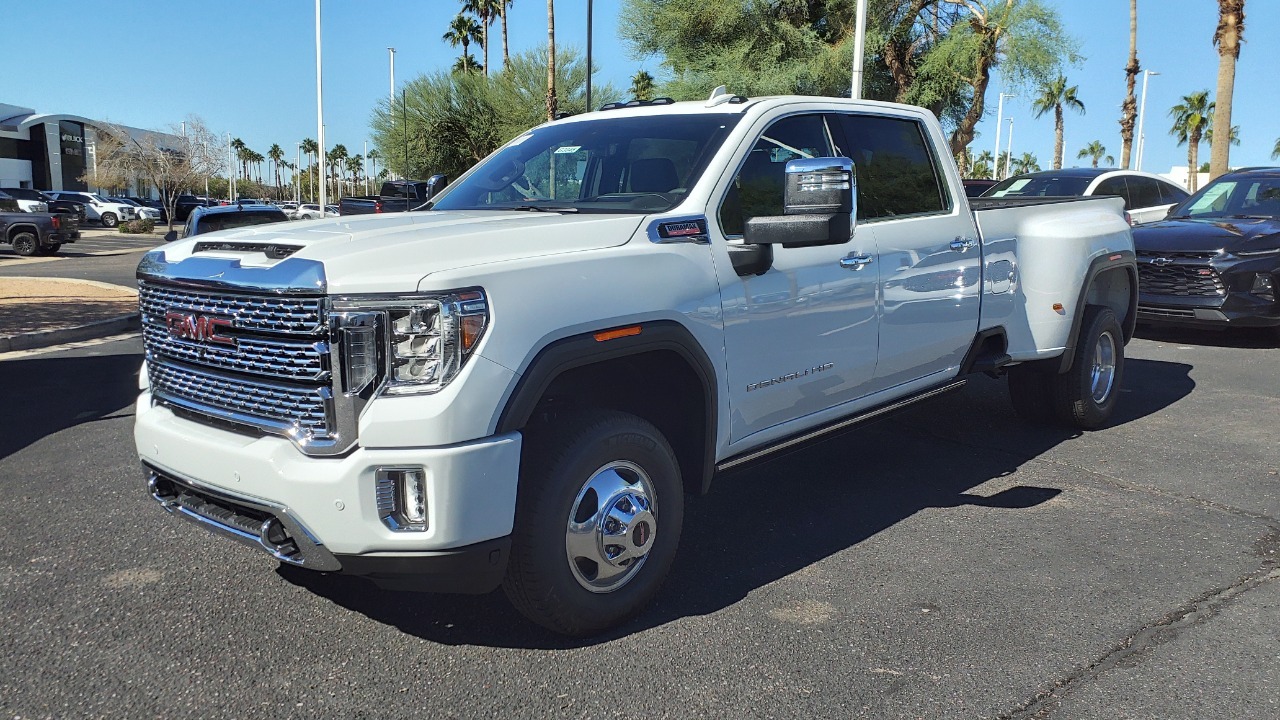
The GMC Sierra 3500HD is renowned for its durability and power, but it is not immune to the emissions and size restrictions affecting heavy-duty trucks. While it offers exceptional performance for construction and towing, its emissions profile can run afoul of stricter regulations.
States such as New Jersey and Connecticut have been proactive in banning vehicles like the Sierra 3500HD to enhance air quality. These bans are part of a growing trend towards sustainable transportation solutions, which increasingly prioritize electric and hybrid vehicles.
International CV Series
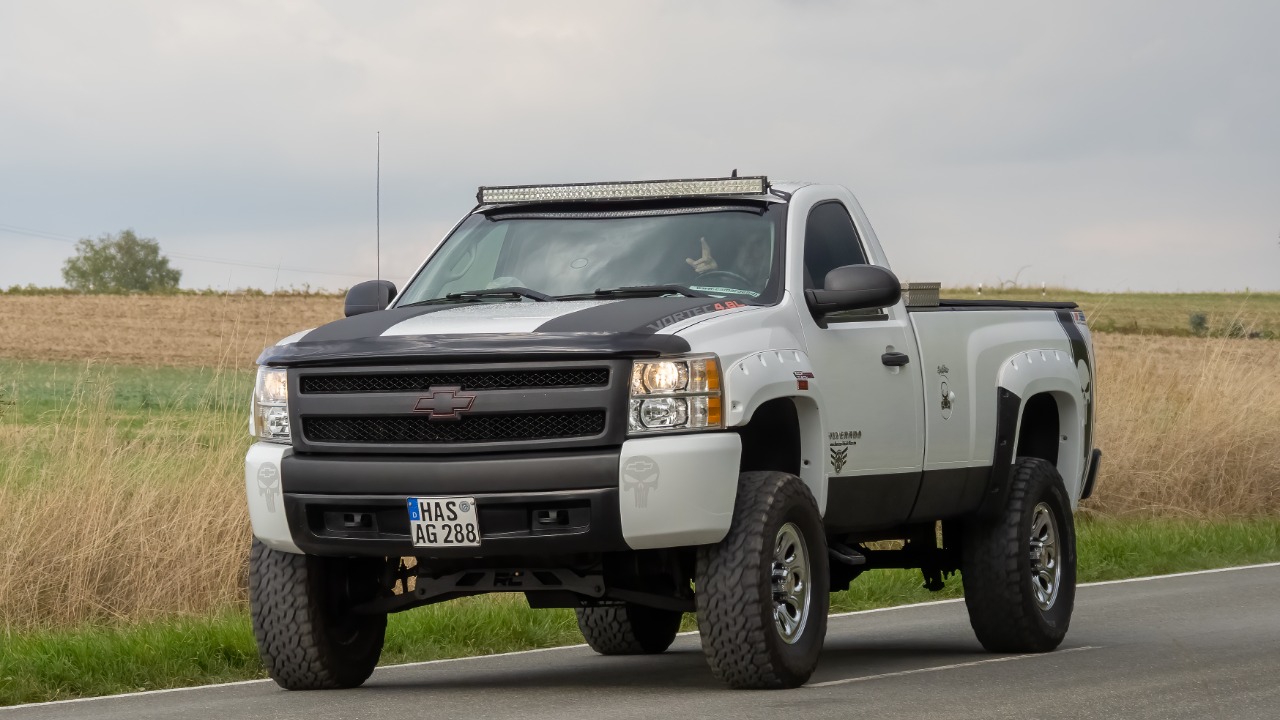
The International CV Series is designed for commercial applications, offering significant power and versatility. However, its diesel engines have been scrutinized for emissions that exceed allowable limits in several states. Efforts to reduce air pollution have led regulatory bodies to impose bans on these vehicles in locations prioritizing environmental health.
In states like Vermont and Rhode Island, the focus on reducing diesel emissions has driven the adoption of stricter vehicle standards. These measures aim to protect public health and promote cleaner air, placing pressure on manufacturers to innovate and adapt.
Nissan Titan XD Diesel
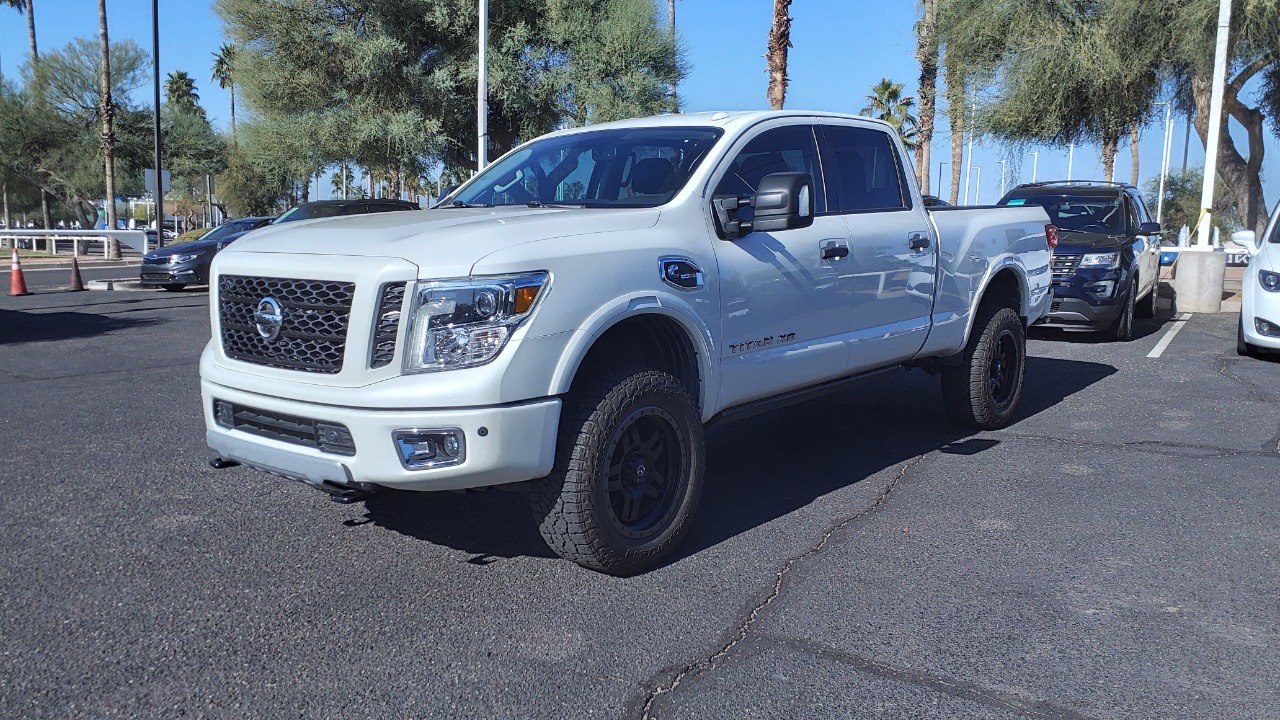
The Nissan Titan XD Diesel is another truck facing bans due to its environmental impact. While it offers a blend of strength and style, its diesel engine has been criticized for failing to meet the emissions standards set by several states. This has led to restrictions in states focused on implementing cleaner transportation policies.
States like Colorado and Illinois, known for their progressive environmental policies, have placed limitations on vehicles like the Titan XD Diesel. These actions reflect a broader movement towards reducing reliance on fossil fuels and promoting greener alternatives in the automotive industry.