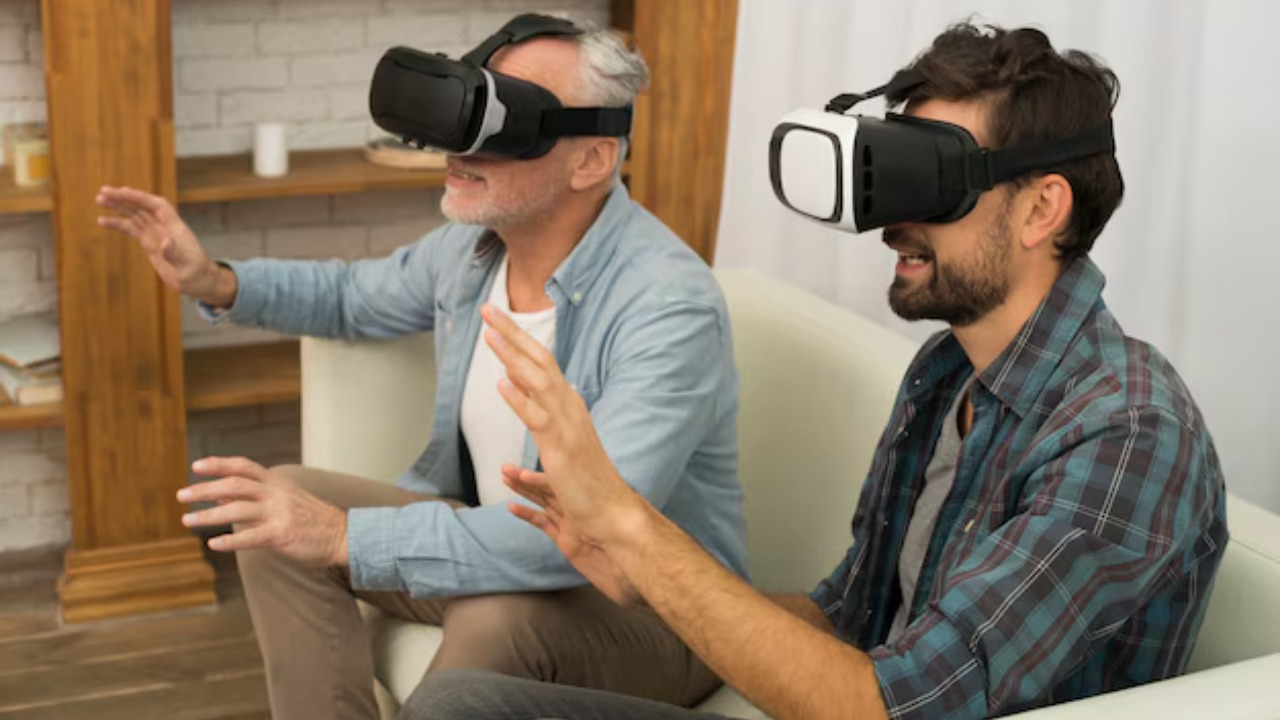

Dive into the world of a groundbreaking technology: brain-linked Virtual Reality (VR). This innovation promises to take the user experience to a whole new level, allowing us to not only see and hear but also feel and interact with virtual worlds in an incredibly immersive way.
Understanding Brain-Linked Virtual Reality
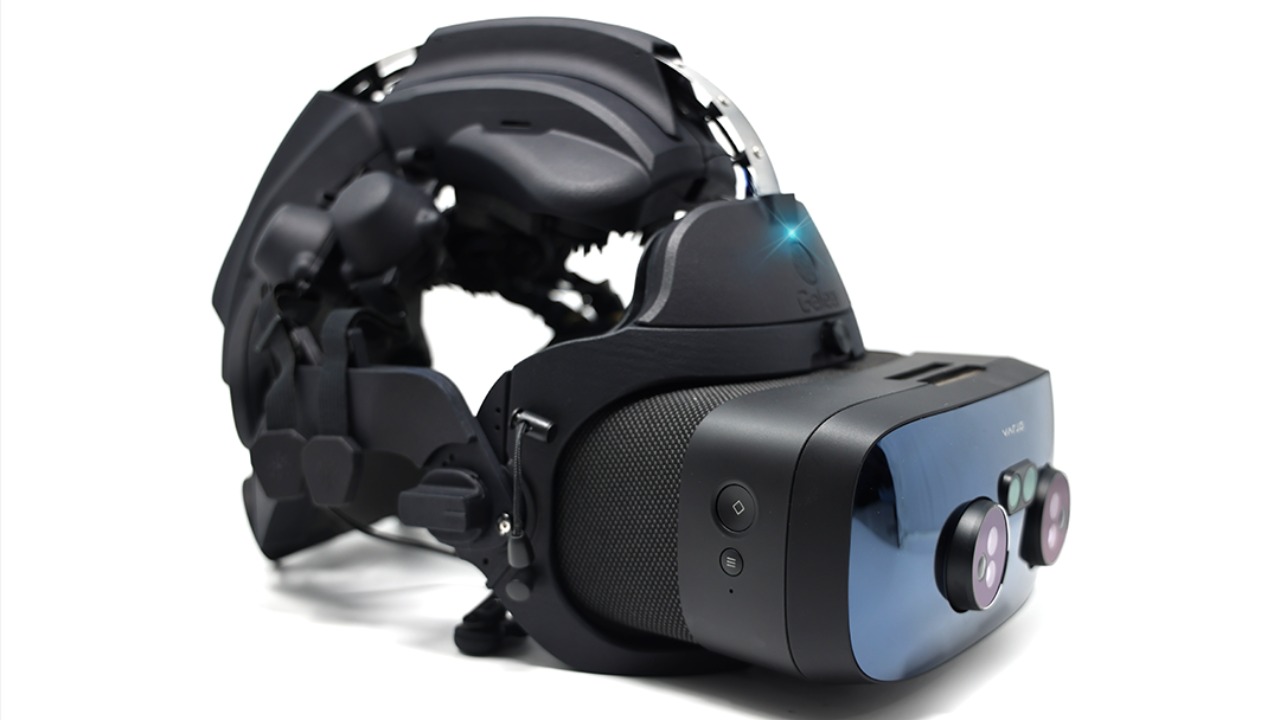
The crux of brain-linked VR lies in the science of brain-computer interface (BCI) technology. BCI establishes a direct communication pathway between the brain and an external device, often using electrodes to interpret brain activity into computer commands. This technology, when combined with VR, opens up a world where users can control and feel their virtual environment just by thinking.
The sensation of touch in these virtual realities is achieved through haptic feedback, a technology that creates the illusion of touch by applying forces, vibrations, or motions to the user. This, coupled with BCI, makes the experience incredibly realistic. Several scientific studies have supported the viability of this technology, proving it’s not just science fiction.
Development and Evolution of Brain-Linked VR
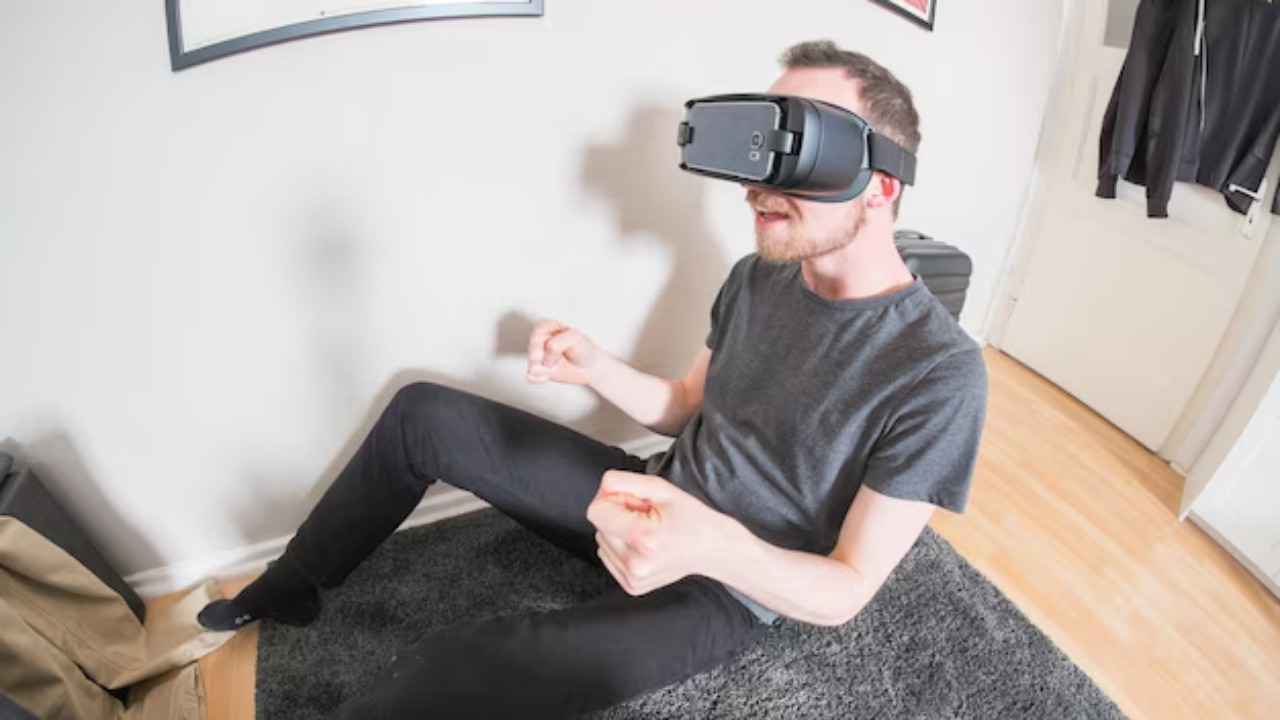
The journey of brain-linked VR has been an exciting one, with both BCI and VR technology witnessing significant advancements over the years. The late 20th century saw the foundational development of BCI, and since then, it has continually evolved. Today, it’s being combined with VR to create an immersive user experience that was once only the stuff of dreams.
Several key players and companies are pushing the boundaries of this technology. For example, Elon
Musk’s Neuralink aims to develop implantable brain–machine interface devices, while Facebook’s Reality Labs is working on a wristband that reads neural signals to control VR environments. However, the development of brain-linked VR is not without its challenges. Current barriers include the invasiveness of BCI devices, the complexity of the human brain, and the need for more robust VR hardware.
Potential Applications of Brain-Linked VR
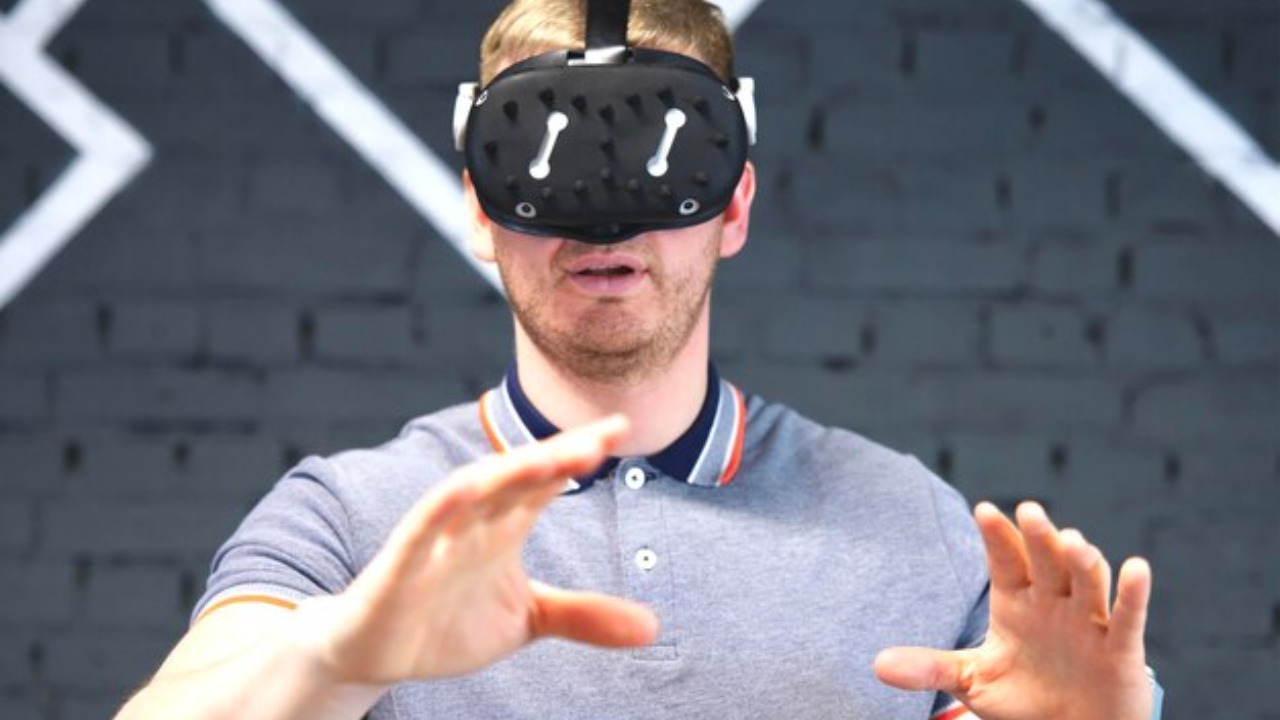
Brain-linked VR holds huge promise across various fields. The gaming industry, for instance, could achieve unprecedented levels of immersion, with players being able to feel the virtual world around them. The technology also has the potential to revolutionize education, allowing students to explore historical sites or scientific concepts in a hands-on way.
The healthcare sector could benefit enormously as well. For example, patients could use brain-linked VR for rehabilitation, allowing them to practice physical movements in a controlled virtual environment. Training programs in fields like aviation, surgery, or the military could also be transformed, offering a safe yet realistic environment for skill development. Several real-world applications of brain-linked VR are already in existence, paving the way for more in the future.
The Future of Brain-Linked VR
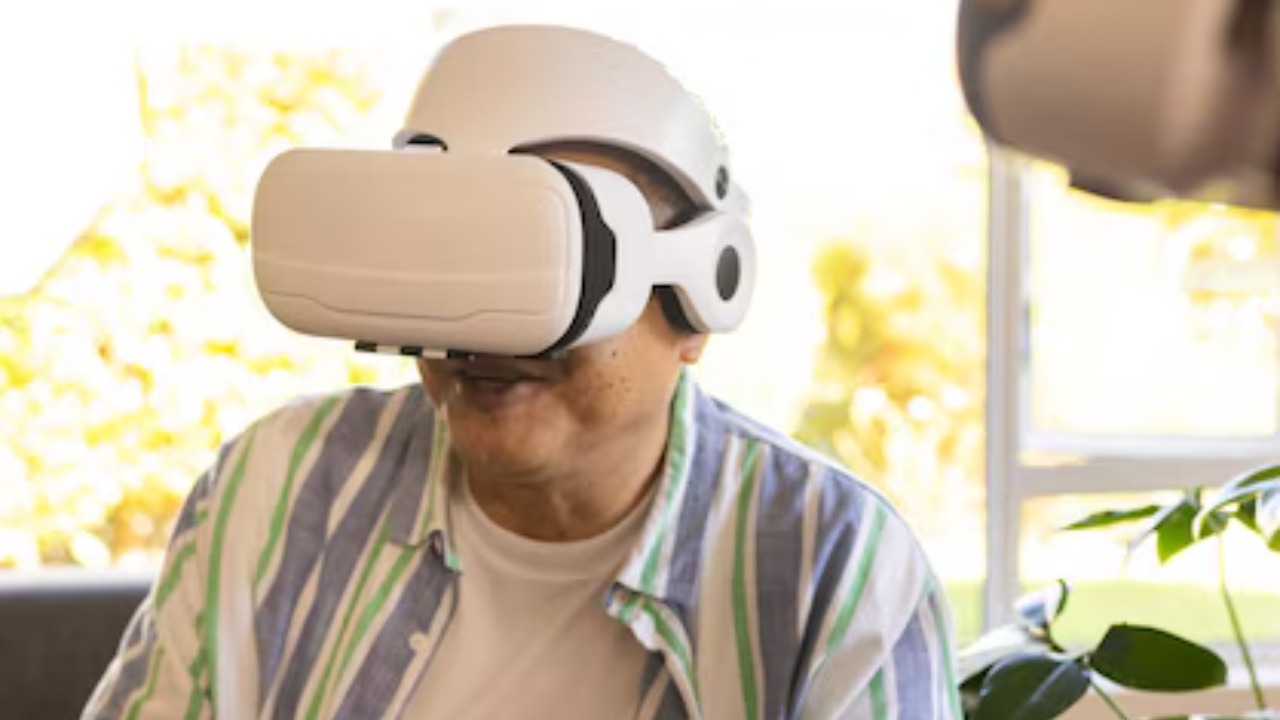
As for future advancements, it’s clear that brain-linked VR technology is only getting started. We could see improvements in the non-invasiveness of BCI devices, the realism of haptic feedback, and the overall user experience. However, these advancements aren’t without their ethical and societal implications. For example, questions of data privacy and the psychological implications of spending extended periods in a virtual world will have to be addressed.
Regardless, the impact of brain-linked VR on our lives could be monumental. It’s set to change the way we learn, play, work, and interact with digital content. It represents a massive leap forward in the blending of our physical and digital realities.
Revolutionary Impact of Brain-Linked VR
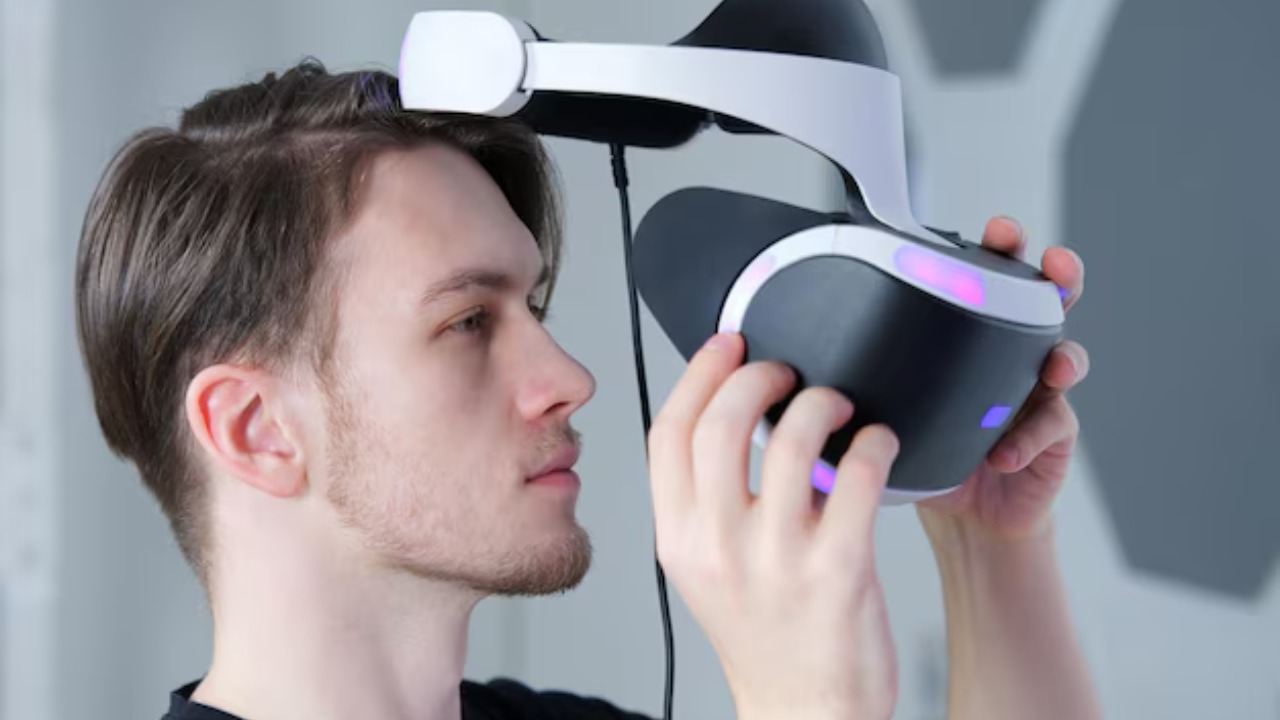
Brain-linked VR represents a pivotal moment in technological advancement. Its ability to immerse users into virtual worlds by tapping directly into their brain activity is nothing short of transformative. It’s a testament to how far we’ve come in understanding and leveraging the astonishing capabilities of the human brain.
However, as we stand on the brink of this new frontier, we must also consider the challenges and issues that come with it. Data privacy, the psychological impact, and the societal implications of such technology need to be thoughtfully addressed. But with careful navigation, the possibilities and opportunities that brain-linked VR opens up are truly exciting.