

The James Webb Space Telescope has made an extraordinary discovery, spotting a galaxy forming some 13 billion years ago. This breakthrough provides invaluable insights into the universe’s earliest days and is a significant milestone in understanding its origins and evolution.
The James Webb Space Telescope: A Journey into the Past

The James Webb Space Telescope, often touted as the successor to the Hubble Space Telescope, is designed to peer into the universe’s past, allowing us to understand its origins. Its mission involves capturing light from the earliest galaxies and studying the formation of stars and planetary systems. The telescope’s advanced technology, including a large, segmented mirror and an array of scientific instruments, made the recent discovery possible.
In essence, the telescope looks back in time, observing distant galaxies as they were billions of years ago. With the light from these galaxies taking billions of years to reach us, the telescope effectively becomes a time machine, offering a glimpse into the universe’s infancy. This method has allowed scientists to discover the earliest known galaxy, providing unprecedented insights into the universe’s evolution.
Unearthing the Earliest Galaxy: A Cosmic Miracle
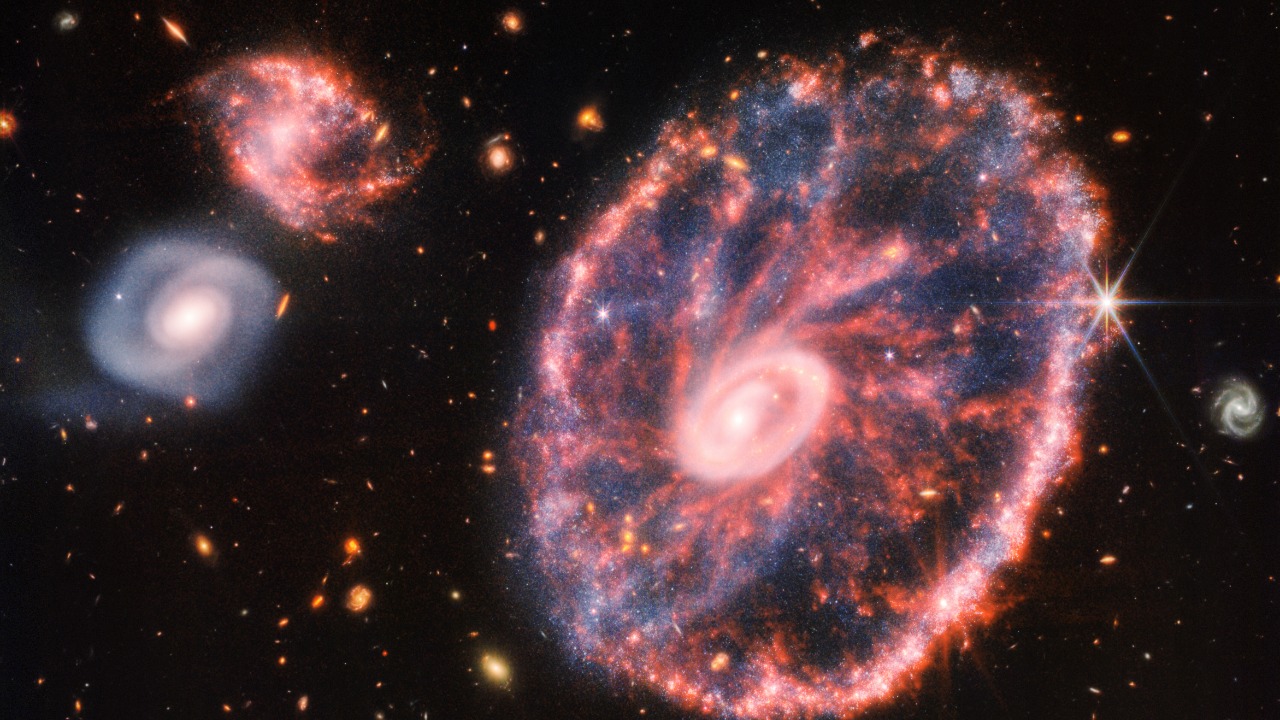
The discovery of the earliest galaxy is an astronomical marvel. The telescope detected a galaxy in its formative stages, providing a unique snapshot of the universe 13 billion years ago. The significance of this discovery is immense, as it allows us to see how galaxies formed in the early universe.
This breakthrough discovery offers a unique perspective into the early universe and helps us understand the conditions that led to galaxy formation. It also advances our knowledge about the universe’s overall evolution, providing a cornerstone for future explorations and studies in the field of astronomy.
The Unusual ‘Inside-Out’ Galaxy: A New Understanding
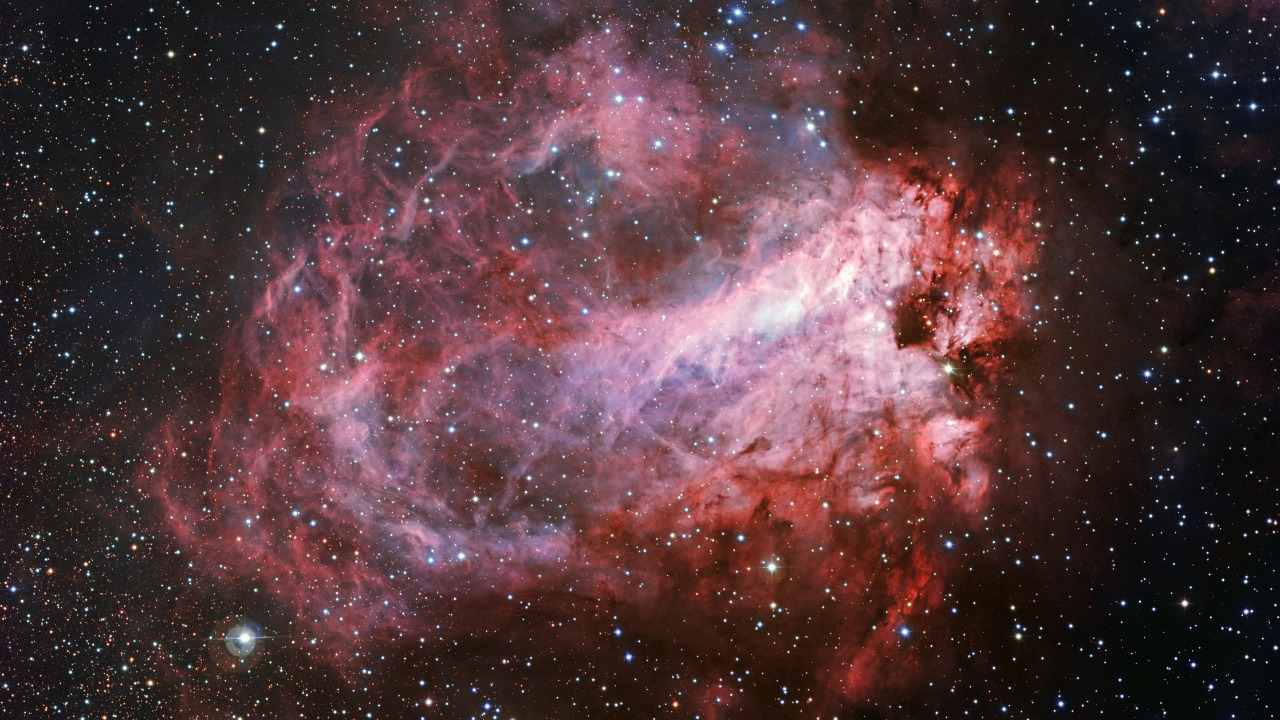
Interestingly, the telescope spotted an unusual “inside-out” galaxy. Unlike typical galaxies where stars are born at the core and move outward, this galaxy seems to form stars from the outside in. This discovery challenges our current understanding of galaxy formation, leading to new theories and models.
The “inside-out” galaxy is a unique find. Its unusual pattern of star formation is reshaping our understanding of how galaxies evolved over time. The implications of this finding are profound, as it could revolutionize the existing theories of galaxy formation and evolution.
4. Future Explorations: What’s Next for Space Science?
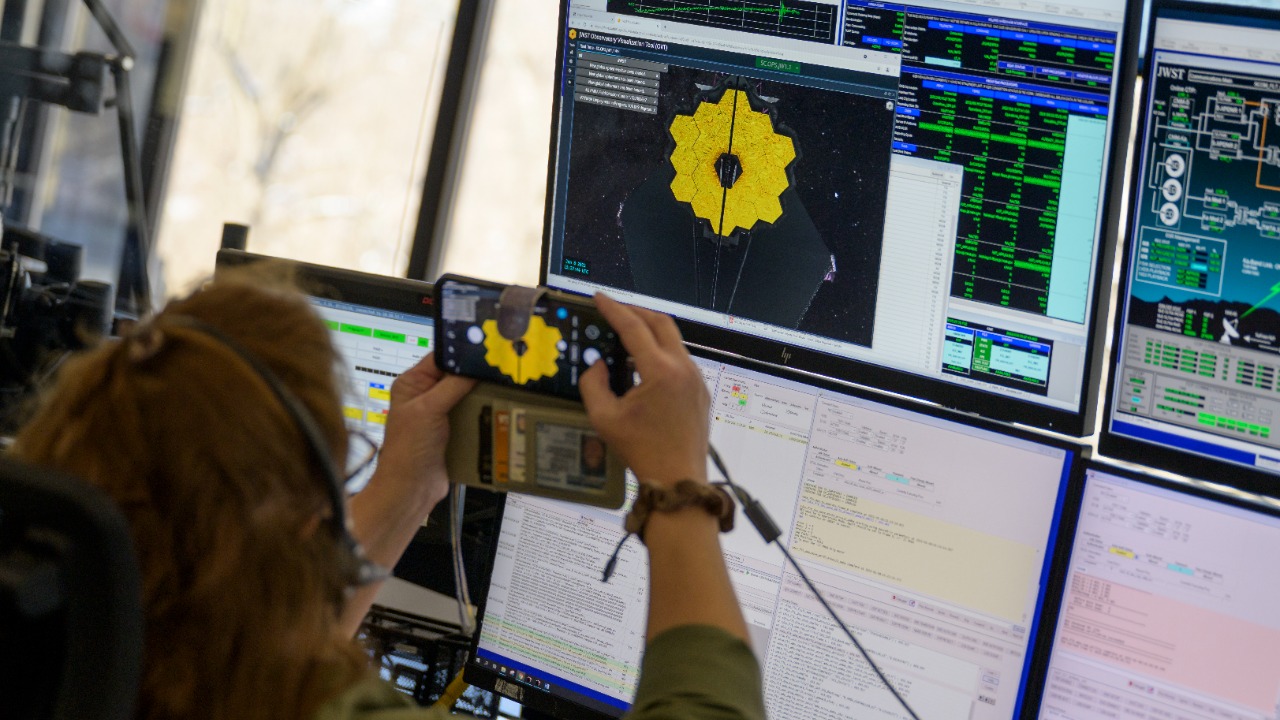
This discovery sets the stage for future explorations. The James Webb Space Telescope will continue to delve deeper into the universe’s past, with the potential to make even more groundbreaking discoveries. These could include the detection of the earliest black holes or the observation of galaxies in their earliest stages of development, as described in Live Science.
Other similar projects are also on the horizon, each with their own objectives. For instance, the Large Synoptic Survey Telescope, the European Extremely Large Telescope, and the Square Kilometre Array all aim to further our understanding of the universe. As technology and knowledge advance, we can look forward to even more fascinating discoveries in the years to come.