

As the field of bioengineering continues to advance, scientists are making significant strides in growing organs for transplants. Among the most promising developments is the growth of lungs in the laboratory, a process that could revolutionize transplantation medicine and address critical organ shortages.
The Science Behind Bioengineered Lungs

The process of bioengineering lungs begins with the decellularization of a donor lung. This involves removing all the cells from the donor organ, leaving behind a scaffold of collagen and other proteins. This scaffold is then repopulated with the patient’s own stem cells, which grow and differentiate into the various cell types that make up a lung. The entire process is complex and delicate, requiring precise control over the cellular environment and substantial time to allow the cells to mature and form functional tissue.
Several recent studies and trials have demonstrated the potential of this technology. Notably, a team of researchers successfully transplanted bioengineered lungs into pigs. These animals were able to breathe normally with the new lungs, demonstrating the feasibility of this approach. However, significant work remains to translate these successes to human patients.
The Potential of Bioengineered Lungs
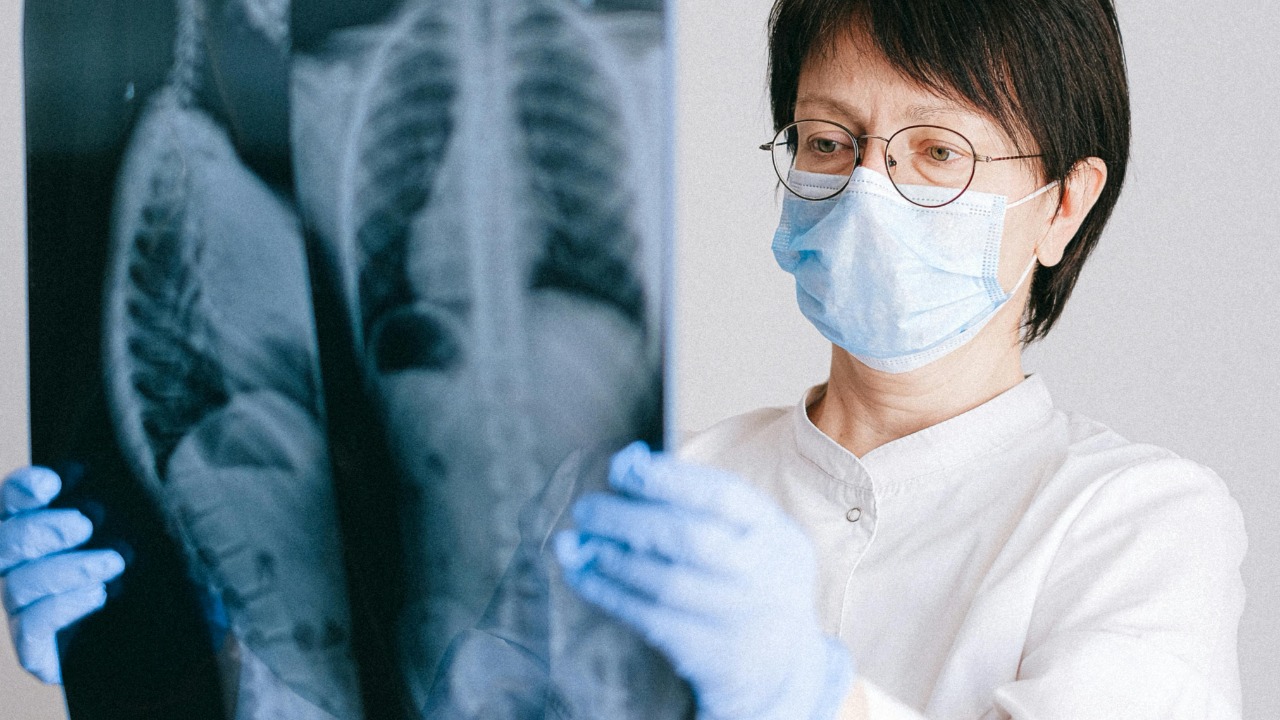
One of the key advantages of bioengineered lungs is the potential to address the critical shortage of donor organs. Thousands of patients are currently on waiting lists for lung transplants, with many dying before a suitable organ becomes available. Bioengineered lungs could help fill this gap, providing a source of organs that doesn’t rely on donor availability.
In addition to addressing organ shortages, bioengineered lungs also offer the possibility of personalized transplants. Since the lungs are grown from the patient’s own cells, the risk of organ rejection—a major challenge in transplantation medicine—could be significantly reduced. This personalization of organ transplants could potentially improve patient outcomes and reduce the need for immunosuppressive drugs.
Challenges and Hurdles in Bioengineering Lungs

Despite these promising developments, there are significant challenges in bioengineering lungs. The lung is a remarkably complex organ, with intricate structures and multiple cell types that need to be accurately replicated. There are also substantial challenges in scaling up the process to produce human-sized lungs. While successful transplantation of bioengineered lungs into pigs is a major achievement, a pig’s lung is significantly smaller than a human’s.
These technical difficulties, coupled with the need for extensive testing to ensure the safety and functionality of bioengineered lungs, mean that it will likely be many years before this technology is ready for clinical use in humans. Nonetheless, the progress made so far is encouraging, and continued research in this field is a priority.
Ethical Considerations in Organ Bioengineering

As with any groundbreaking medical technology, organ bioengineering raises several ethical issues. Questions of access and equity are paramount: who will have access to these potentially life-saving organs, and how will they be distributed? There is also the question of how to regulate this new field, ensuring that it is safe and effective while also fostering innovation.
The current regulatory framework for organ bioengineering is still evolving, with many questions yet to be answered. As this field continues to advance, it will be essential to develop robust and flexible regulations that protect patients while also supporting scientific progress. Thoughtful discussions about these issues are already underway in the scientific and medical communities, and will be crucial in shaping the future of this field.
The Future of Lung Transplants

Ongoing research and technological advancements are continually pushing the boundaries of what is possible in the field of organ bioengineering. Scientists are exploring new methods for decellularizing and repopulating organs, as well as ways to improve the maturation and functionality of bioengineered tissue. These developments could significantly enhance the capabilities of bioengineered lungs, potentially allowing for more complex structures and better performance.
The impact of these advancements on the field of organ transplantation could be profound. Bioengineered lungs have the potential to transform transplantation medicine, providing a reliable source of organs and reducing the risk of rejection. While there is still much work to be done, the future of lung transplants looks promising thanks to the pioneering work of scientists in the field of organ bioengineering.