

Artificial Intelligence (AI) continues to make considerable strides in the healthcare sector, with one of its most remarkable breakthroughs being its ability to predict heart attacks from simple blood tests. Leveraging AI, professionals can analyze routine heart scans and blood tests to foresee heart disease risks years in advance.
Understanding AI’s Role in Cardiology

The role of AI in cardiology is ever-evolving, with a potential to revolutionize the diagnostic processes significantly. The integration of AI in cardiology not only streamlines the detection and diagnosis process, but it also enables the prediction of potential heart disease risks. This approach is transformative as it allows doctors to take proactive measures in managing patients’ health.
One of the significant benefits of AI in cardiology is its ability to facilitate the early detection and prevention of heart disease. The technology’s capability to analyze a vast amount of data quickly and accurately enhances its predictive power. This predictive power is instrumental in identifying risk factors and providing preventive care, which can significantly reduce the incidence of heart disease.
How AI Predicts Heart Attacks
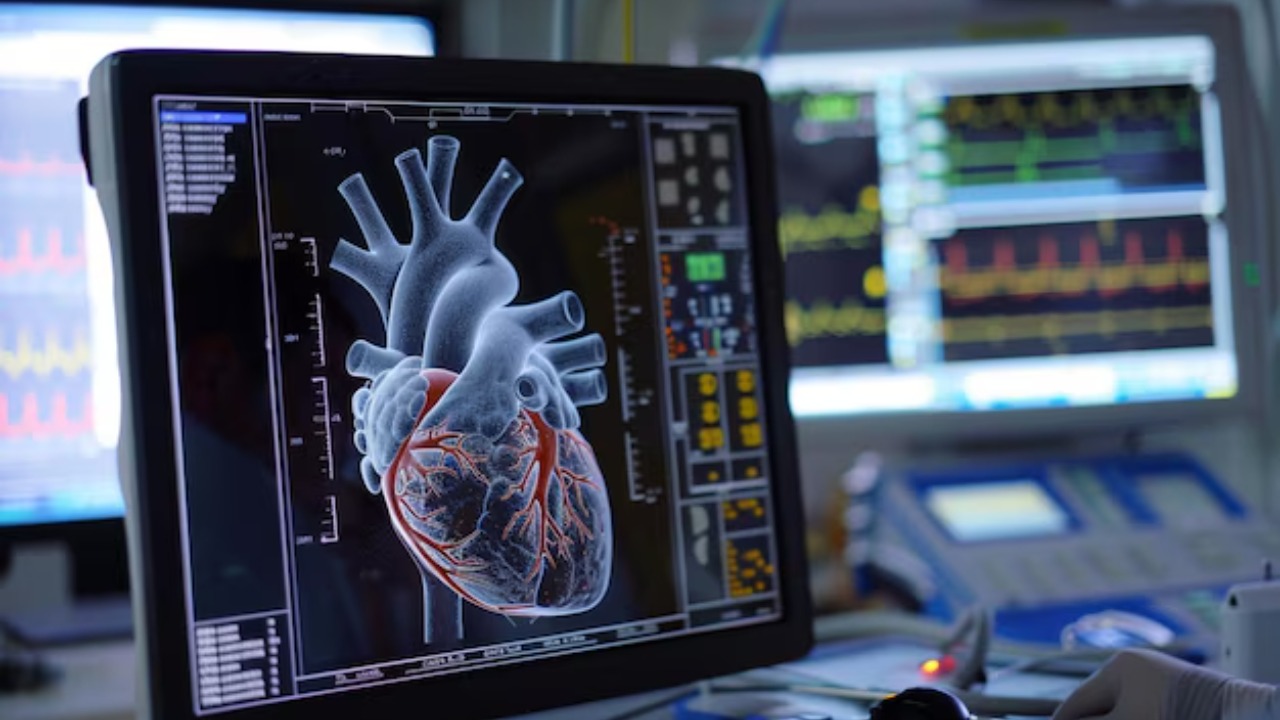
AI predicts heart attacks by analyzing data from routine blood tests and heart scans. Using machine learning algorithms, it examines patterns and correlations in the data to predict heart disease risks. These algorithms can identify minute changes in the heart’s structure or function, often missed by traditional diagnostic methods.
A study published in MDPI and Nature highlights how researchers have used AI to predict heart attacks. The studies involved training AI models with thousands of patients’ data, enabling the models to predict heart disease risks with impressive accuracy.
Accuracy and Reliability of AI Predictions

When it comes to predicting heart attacks, the accuracy and reliability of AI are paramount. Numerous studies have shown that AI’s predictive capabilities often surpass traditional diagnostic methods. This is primarily due to AI’s ability to process vast amounts of data rapidly, identifying patterns and correlations that human clinicians might miss.
A study from RDM Oxford and another from IEEE Xplore support this claim. These studies show that AI can analyze routine heart scans and predict heart disease risks ten years in advance, demonstrating a significant advancement in preventive healthcare.
Future Implications of AI in Heart Disease Prediction

As technology advances, the role of AI in predicting and preventing heart disease is expected to expand. Future developments may include more refined AI models capable of predicting a wider range of heart diseases and risk factors. Moreover, as AI becomes more integrated into healthcare, it could potentially personalize preventive care plans, enhancing patient outcomes.
However, the implementation of AI in healthcare settings presents its own set of challenges and ethical considerations. Ensuring data privacy, managing potential biases in AI models, and maintaining human oversight in AI-driven processes are some of the critical issues that need to be addressed.
Real-World Application and Case Studies
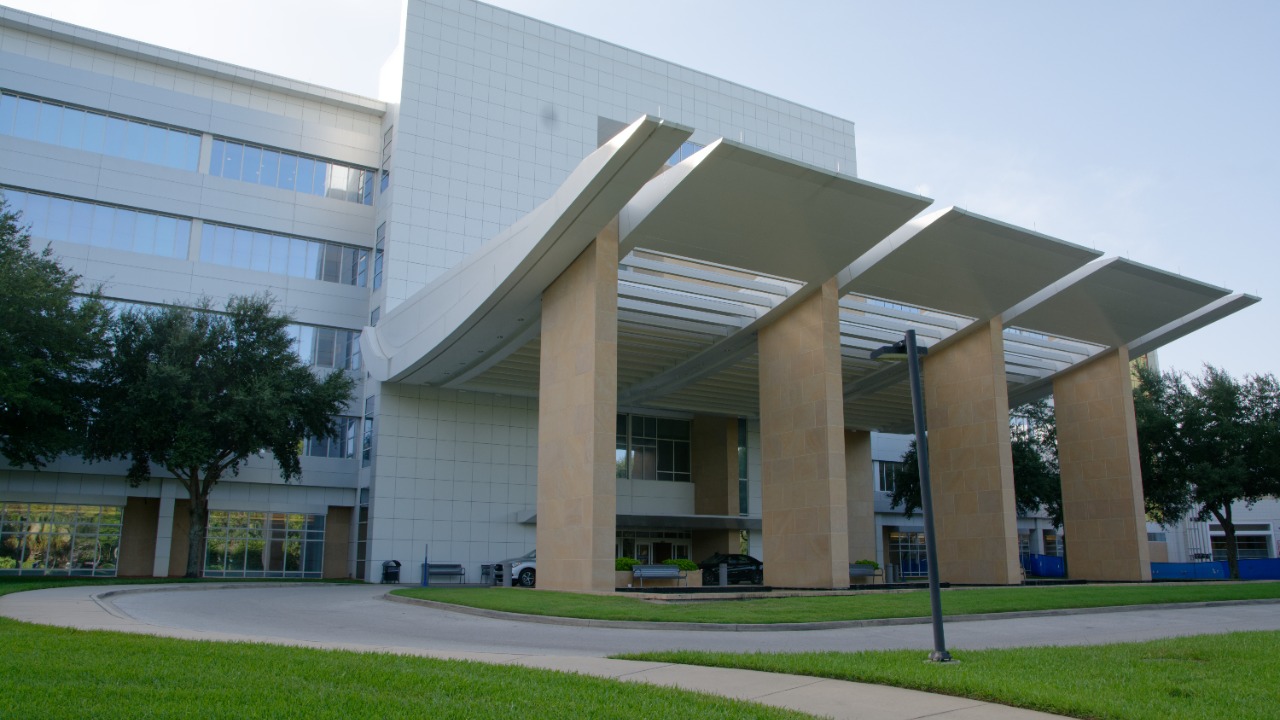
AI is already being used in cardiology, with institutions like the Mayo Clinic leading the way. The Mayo Clinic’s Department of AI in Cardiology uses AI to improve diagnosis, treatment, and patient care. They utilize AI to analyze echocardiograms, electrocardiograms, and other cardiac imaging modalities, significantly enhancing the quality of care.
Several real-world case studies also demonstrate how AI has successfully predicted heart disease. For instance, a study from the University of Nottingham used AI to analyze routine medical data from 378,256 patients in the UK. The AI model accurately predicted cardiovascular risks within a ten-year timeframe, outperforming traditional prediction models. This practical impact of AI in healthcare underscores its potential in revolutionizing cardiology.