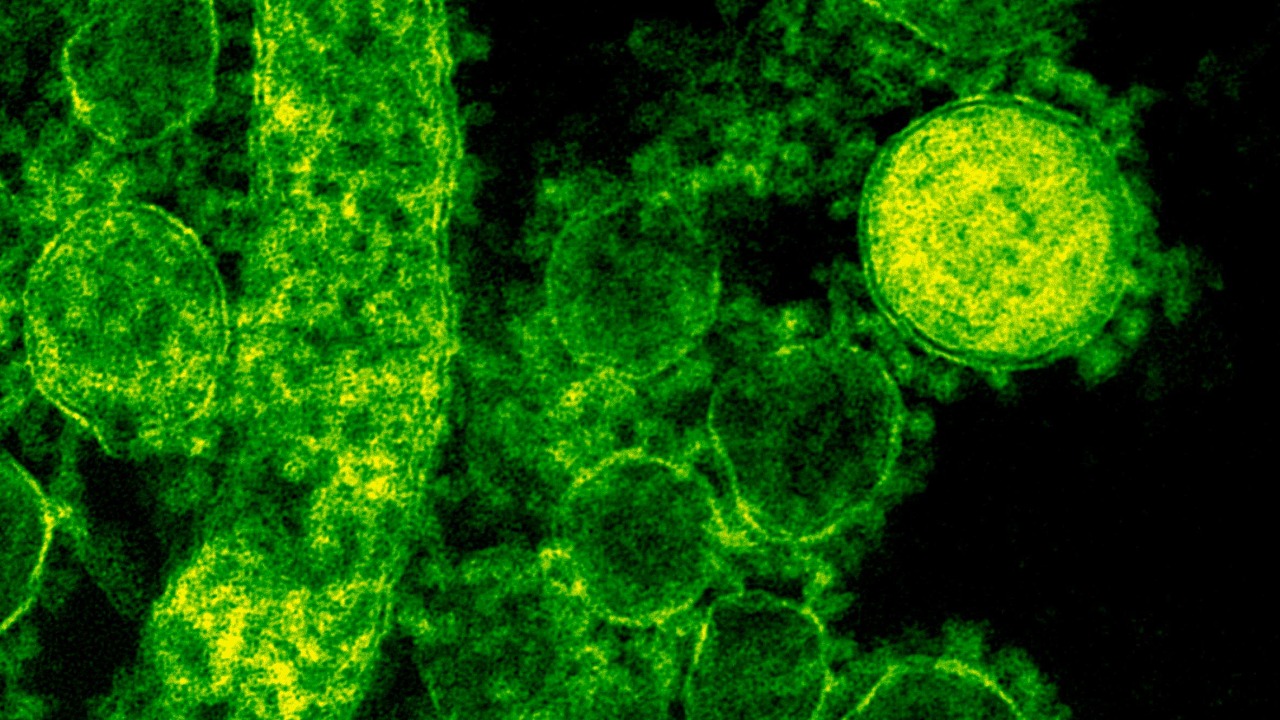

Deep-sea bacteria have a fascinating ability to produce hydrogen fuel, a renewable and sustainable form of energy. The potential implications of this discovery are vast, opening up exciting new avenues for sustainable energy development and marine biotechnology.
Discovery of Hydrogen-Producing Deep-Sea Bacteria
The discovery of deep-sea bacteria that produce hydrogen fuel is an exciting development in the field of marine biotechnology. These bacteria thrive in unique environments, often under extreme conditions of pressure and temperature, which are inhospitable to most other forms of life. In the depths of the ocean, where sunlight is scarce, these bacteria have evolved to produce their own energy through a process called chemosynthesis.
Chemosynthesis is a process by which certain organisms, including these deep-sea bacteria, produce energy by oxidizing inorganic substances such as hydrogen or methane. This was confirmed in a study where researchers identified certain bacteria that could oxidize hydrogen, and in the process, produce energy for their survival.
The Role of Deep-Sea Bacteria in the Hydrogen Cycle
In nature, hydrogen plays a crucial role in various biogeochemical cycles. The hydrogen cycle is a series of chemical reactions and physical processes that convert hydrogen from one form to another. Deep-sea bacteria, with their ability to produce and consume hydrogen, form an integral part of this cycle. These bacteria contribute to the hydrogen cycle by releasing hydrogen gas as a by-product of their metabolic activities.
These deep-sea bacteria also interact with other organisms in the hydrogen cycle. For instance, during chemosynthesis, the bacteria produce hydrogen sulfide, which other types of bacteria can use as an energy source. This symbiotic relationship between different organisms contributes to the functioning of the overall hydrogen cycle in the deep-sea environment.
Hydrogen Fuel: A Sustainable Energy Source
Hydrogen is increasingly being recognized as a sustainable fuel source. When used as a fuel, hydrogen produces water as a by-product, making it an environmentally friendly alternative to fossil fuels. However, the current methods of hydrogen fuel production, predominantly through steam reforming of natural gas, are energy-intensive and associated with significant greenhouse gas emissions.
Hydrogen fuel production by deep-sea bacteria offers a promising alternative. As these bacteria produce hydrogen as part of their metabolic process, they could potentially be harnessed to generate hydrogen fuel in a more sustainable and less energy-intensive way compared to current methods. However, more research is needed to fully understand and optimize this process.
Potential Applications and Future Implications

The use of deep-sea bacteria in hydrogen fuel production has immense potential. If we can successfully harness these bacteria, we can create a renewable and sustainable source of hydrogen fuel. However, there are several challenges to overcome, including the difficulty of cultivating these bacteria in controlled environments and scaling up the production process.
Despite these challenges, the potential implications for sustainable energy development are vast. Continued research in this field could lead to breakthroughs in the production of sustainable energy sources, reducing our reliance on fossil fuels. This could have significant impacts on climate change, one of the most pressing issues of our time.
Deep-Sea Bacteria and the Broader Context of Marine Biotechnology
Marine biotechnology plays a critical role in sustainable development. From producing sustainable building materials extracted from seawater, as reported by Advanced Science News, to the potential use of deep-sea bacteria in hydrogen fuel production, the ocean is a rich source of biological resources that can be harnessed for human benefit.
Deep-sea bacteria are just one of many valuable products derived from marine organisms. Other examples include anticancer compounds from marine sponges and biofuels from algae. The potential of these bacteria to contribute to the advancement of marine biotechnology is enormous. With continued research and development, we can unlock the full potential of these remarkable organisms, contributing to a more sustainable and prosperous future.