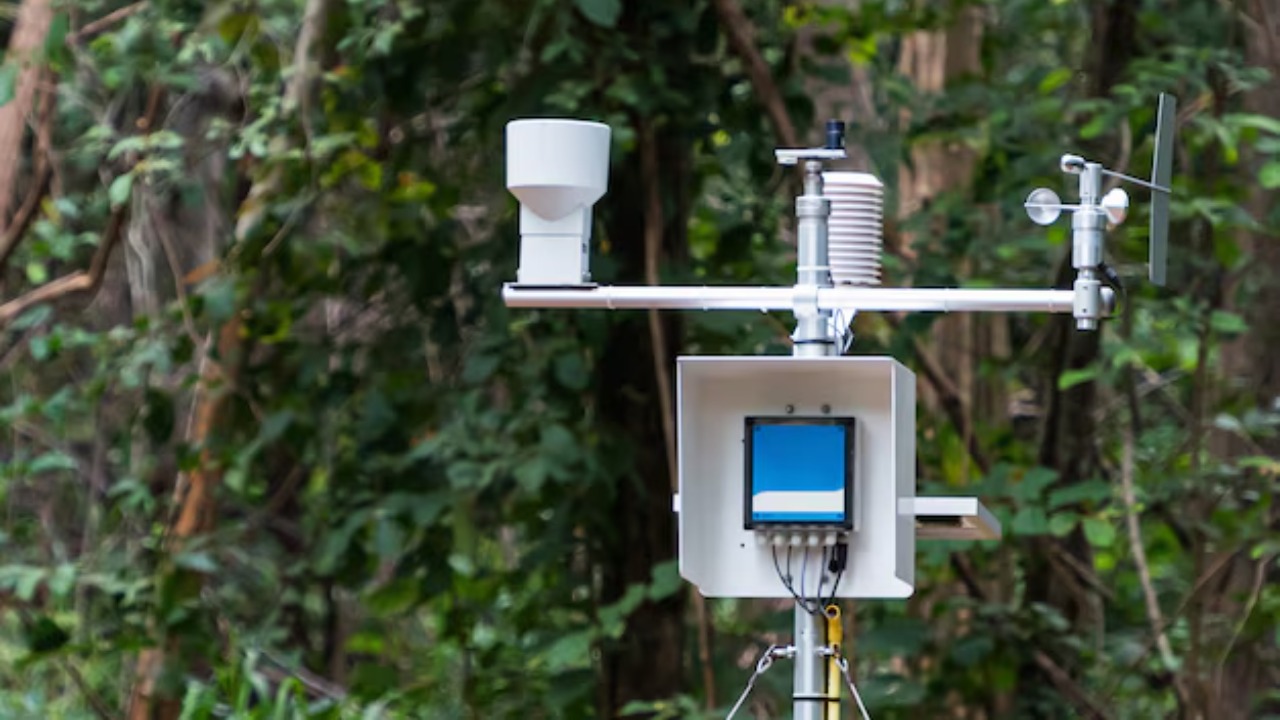

The progression of agricultural practices and techniques is greatly attributed to the rise of modern technology, particularly wireless sensors. These devices are offering an innovative approach to monitor crops and optimize harvests, thereby enhancing crop yields and effective management of resources.
The Rise of Wireless Sensor Networks in Agriculture
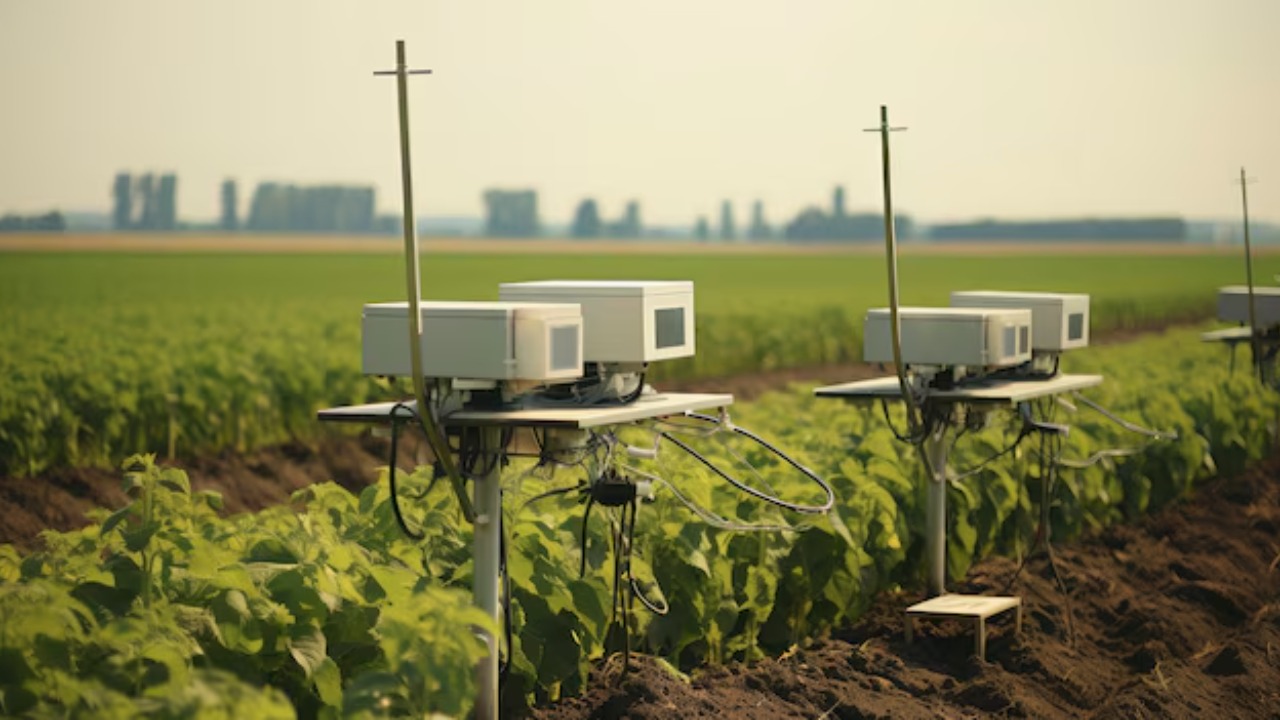
Wireless sensor networks play a pivotal role in contemporary farming practices. These networks comprise of distributed devices which use sensor technology to monitor environmental conditions like temperature, humidity, wind speed and direction. This technology has been adopted globally, revolutionizing the traditional farming practices.
The global trend towards adopting wireless sensor technology in farming has created a significant economic impact. The benefits of these sensors in crop monitoring are multifold, ranging from increased crop yield to efficient use of resources. The use of these networks has proved to be cost-effective, reliable and efficient in the long run.
How Wireless Sensors Work to Monitor Crops
Wireless sensors work by collecting data from the environment and transmitting it to a central system. This data includes key parameters like temperature, moisture level, light intensity, and soil composition. The sensors are powered by energy harvesting systems which convert ambient energy sources like solar or wind power into electricity.
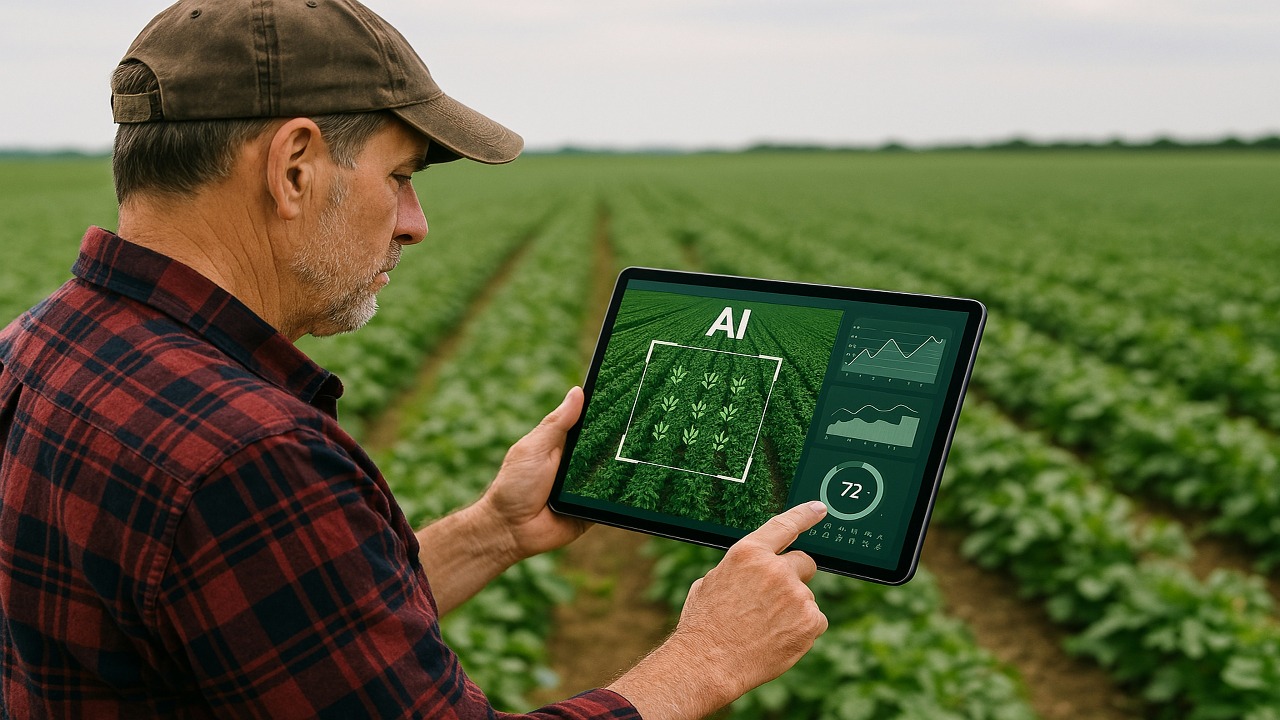
This collected data is then used by farmers to make informed decisions about crop management. They can analyze the data to identify any anomalies, enabling them to take timely action to prevent any potential crop damage. This proactive approach to farming has been made possible by the advent of wireless sensor networks.
Benefits of Using Wireless Sensors for Crop Monitoring
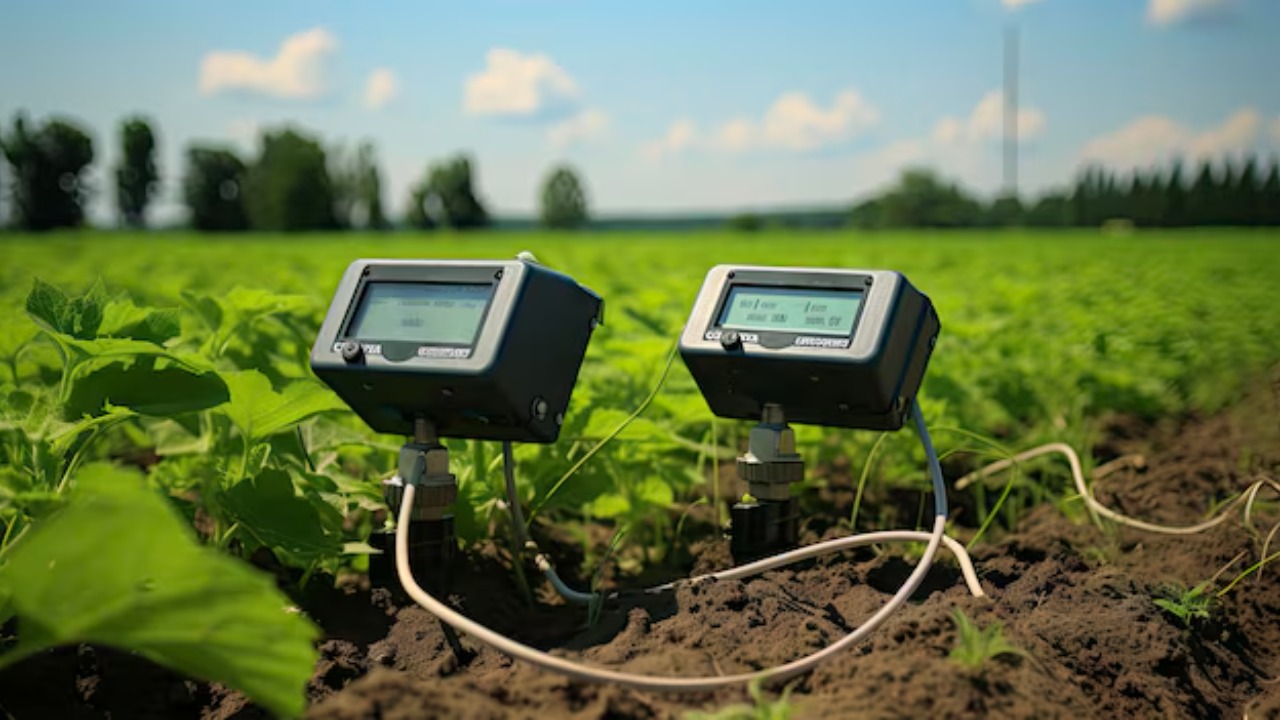
One of the major benefits of using wireless sensors for crop monitoring is the potential increase in crop yield. By getting timely and accurate information about the environmental conditions, farmers can optimize their farming practices. This results in healthier crops, which ultimately leads to higher yields.
Another significant advantage is the optimization of resources like water and fertilizers. By knowing exactly when and how much to irrigate or fertilize, farmers can avoid wastage and hence save costs. Furthermore, these sensors play a crucial role in the prevention of diseases and pests by monitoring the environmental conditions closely.
Case Studies of Successful Implementation of Wireless Sensors in Crop Monitoring
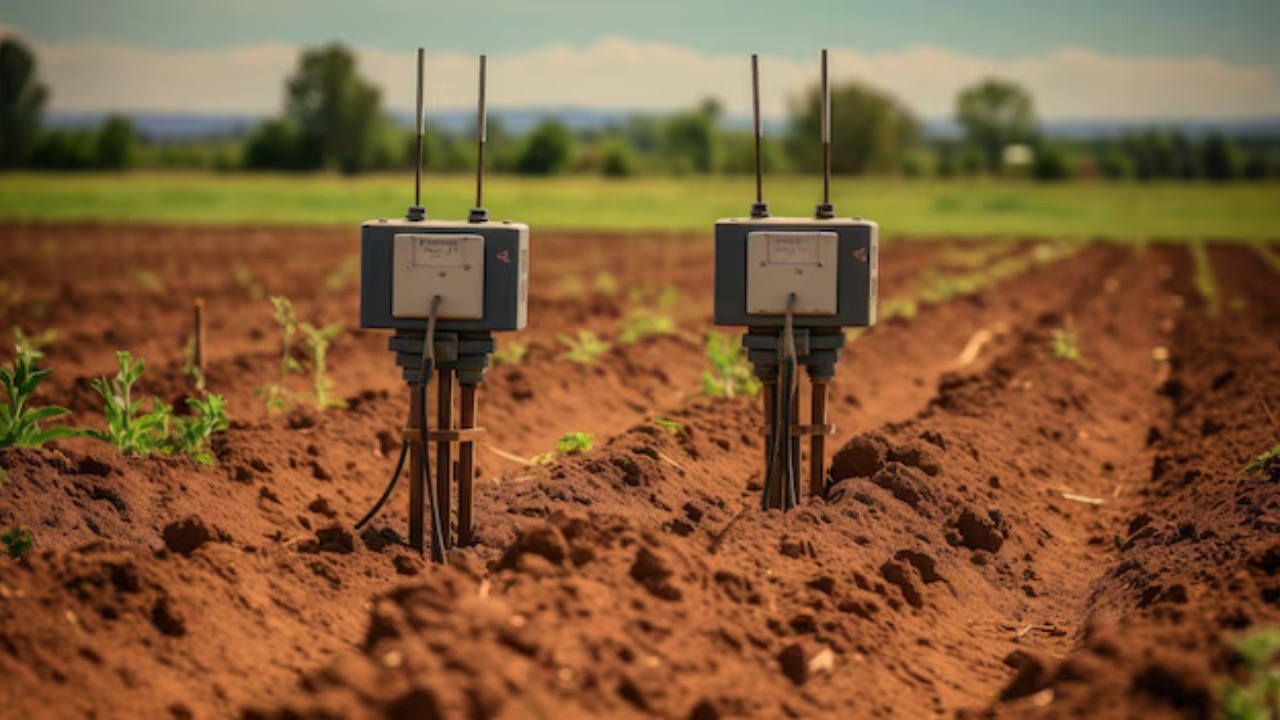
A lot of farms have reported successful implementation of wireless sensors in crop monitoring. One such farm increased its yield significantly by using these sensors. The sensors enabled the farm to monitor the environmental conditions accurately and take timely action, resulting in healthier and more abundant crops.
Another farm managed to save resources through sensor-based monitoring. They used the sensor data to optimize their use of water and fertilizers, leading to significant cost savings. Yet another case study highlights how a farm could prevent crop diseases through timely intervention enabled by the sensor data.
Future Trends and Potential of Wireless Sensor Technology in Agriculture
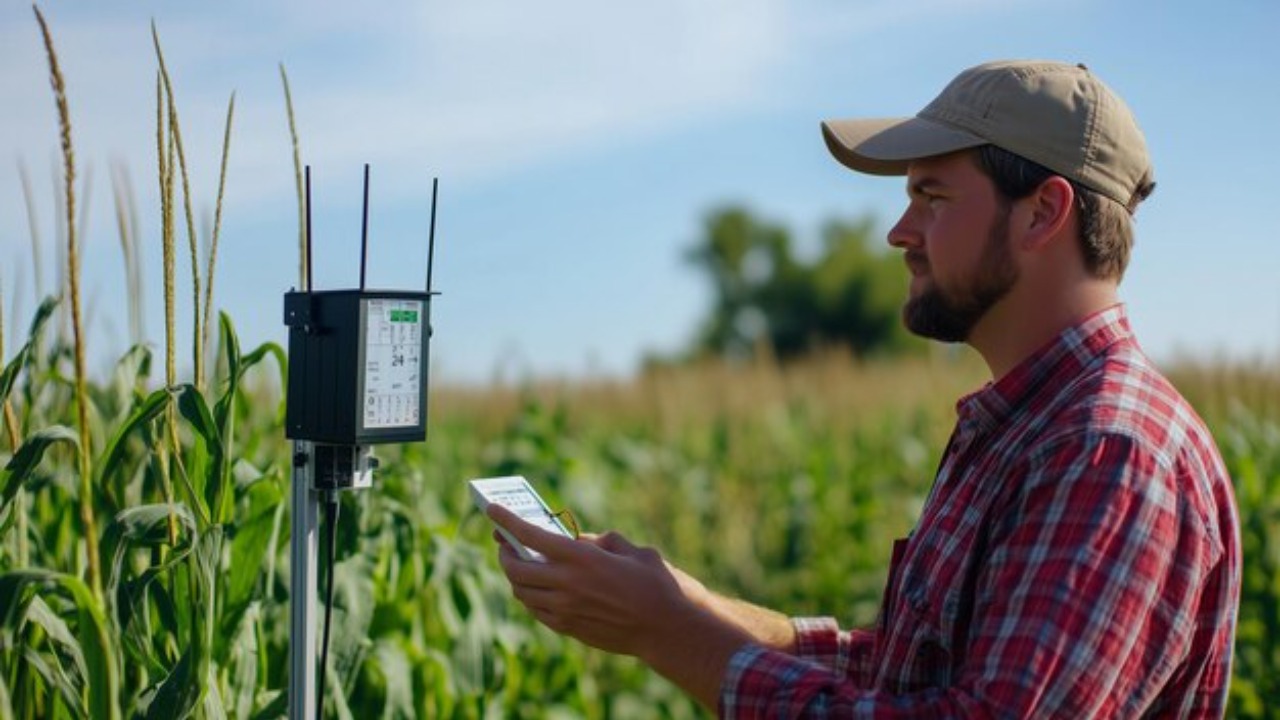
The market for wireless sensor networks in agriculture is predicted to grow significantly in the future. Emerging technologies and innovations in wireless sensor technology, like the development of smart sensors and the integration of artificial intelligence (AI), are further expected to boost this growth.
The potential impact of wireless sensor technology on global food security and sustainability is huge. With the world population projected to reach 9.7 billion by 2050, the demand for food will increase substantially. Wireless sensor technology could be the key to meeting this demand by improving crop yields and optimizing the use of resources.