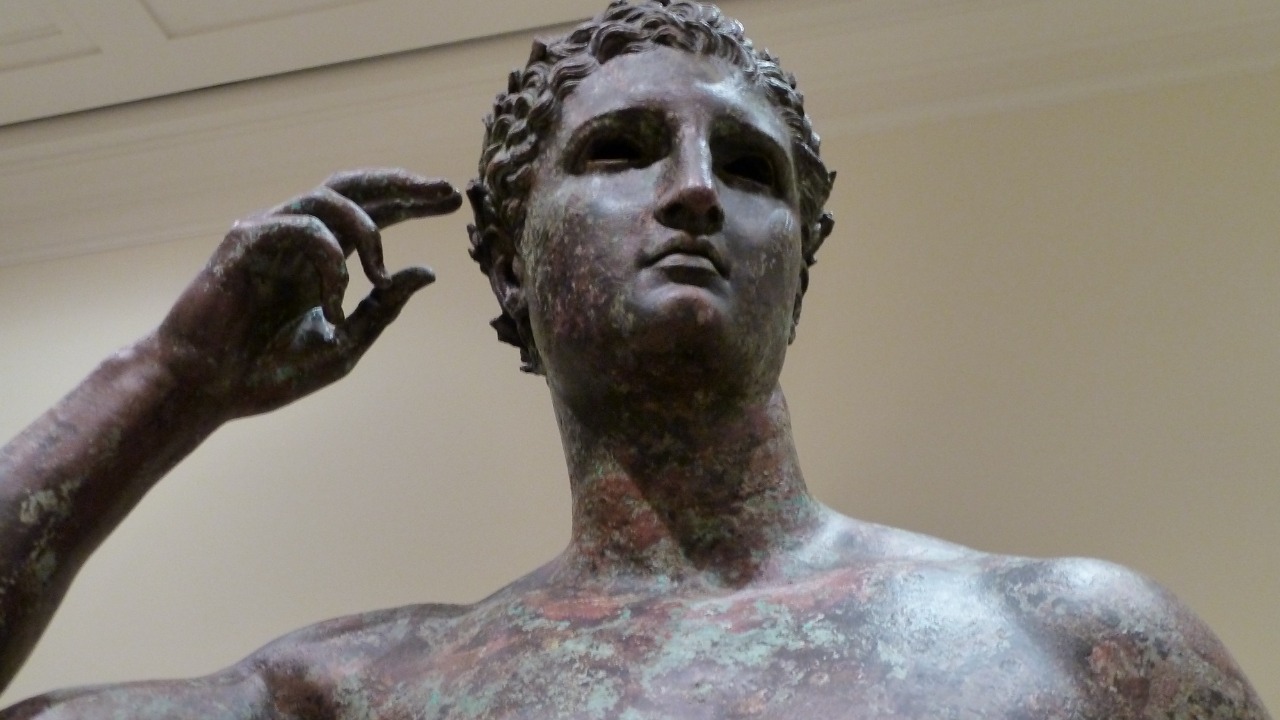

Peeling back the layers of the ocean’s mysteries, the Antikythera shipwreck off the Greek coast continues to astonish us with its treasures. The latest find, a collection of bronze statues, not only adds another chapter to the site’s historical narrative, but also offers a rare insight into the artistic prowess of ancient Greece.
Unearthed Treasures: The Bronze Statues
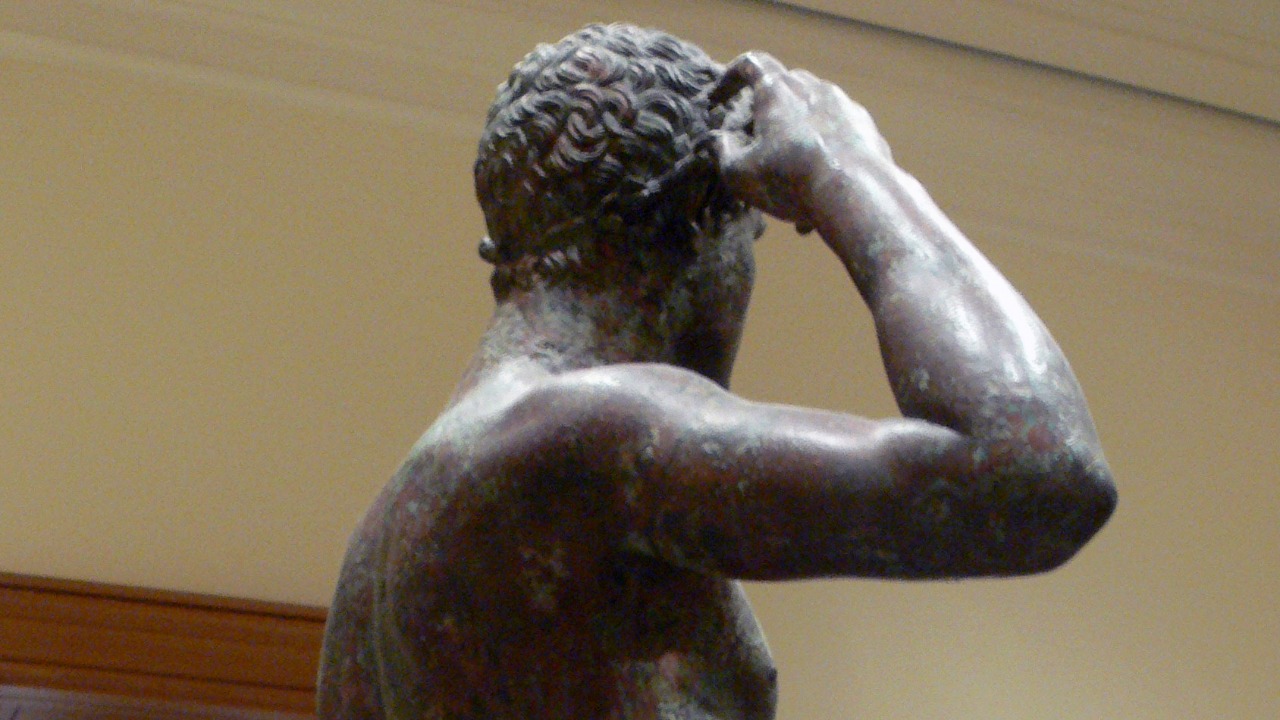
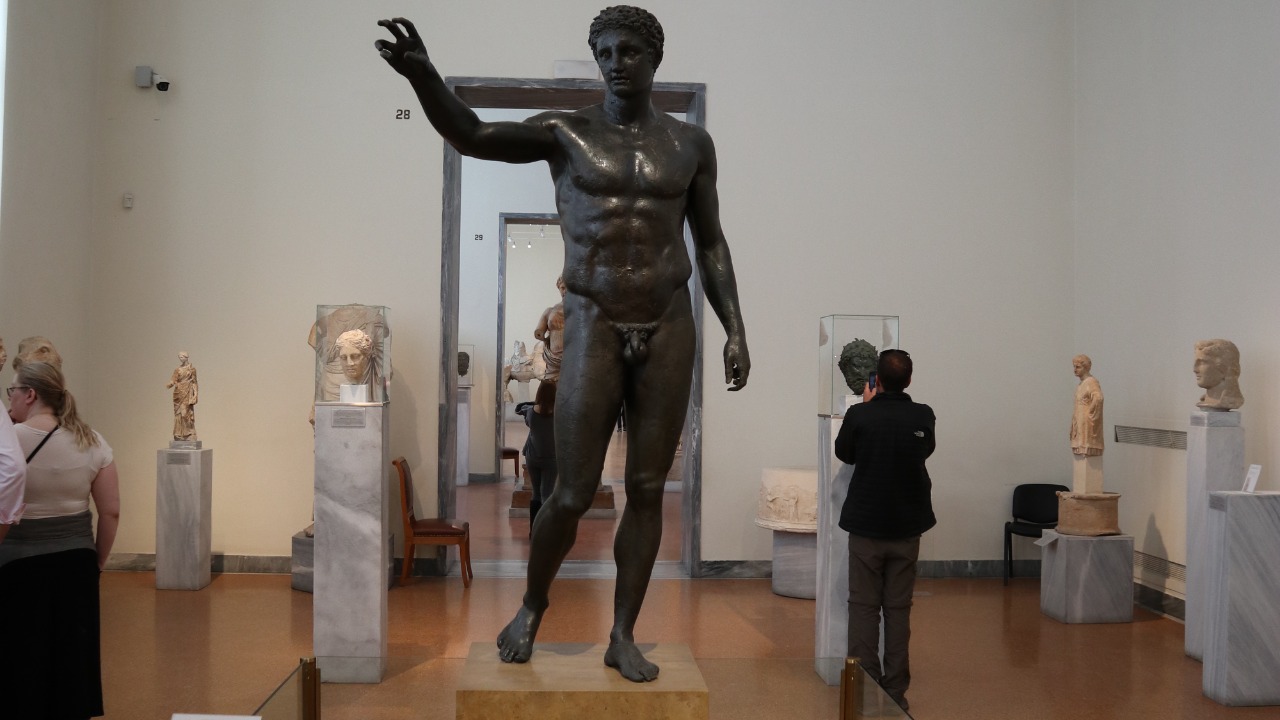
The recent discovery of the bronze statues has created a wave of excitement among historians and archaeologists. Despite being submerged for over two millennia, these statues have retained their detailed craftsmanship, showcasing the artistic skills of ancient Greek sculptors. Each statue, unique in its attributes, bears the marks of a culture that valued artistic beauty and symbolism.
The significance of these bronze statues is multi-layered. On one level, they provide us with a tangible connection to the past, a window into the aesthetics of a civilization long gone. On another level, they contribute to our understanding of ancient Greek art and culture. The process of preserving and restoring these unearthed statues is ongoing, a meticulous task that requires the combined efforts of archaeologists, conservators, and historians. To learn more about this process, visit here.
The Antikythera Shipwreck: A Historical Overview
Discovered in 1900, the Antikythera shipwreck has become a treasure trove of ancient artifacts. The ship’s cargo, believed to be en route from Asia Minor to Rome, holds a vast array of items, including luxury goods, coins, and the famed Antikythera Mechanism. The understanding of this mechanism has greatly enhanced our knowledge about ancient Greek technology. You can dive deeper into the fascinating world of the Antikythera mechanism here.
The origins and destinations of the ship offer clues about ancient trade routes and cultural exchange. Some theories suggest that the ship was a large grain carrier converted into a luxury yacht, indicating the wealth and status of its likely owners. This realization underscores the importance of the Antikythera shipwreck in unraveling the complexities of ancient economies and societies.
The Antikythera Mechanism: The World’s First Computer
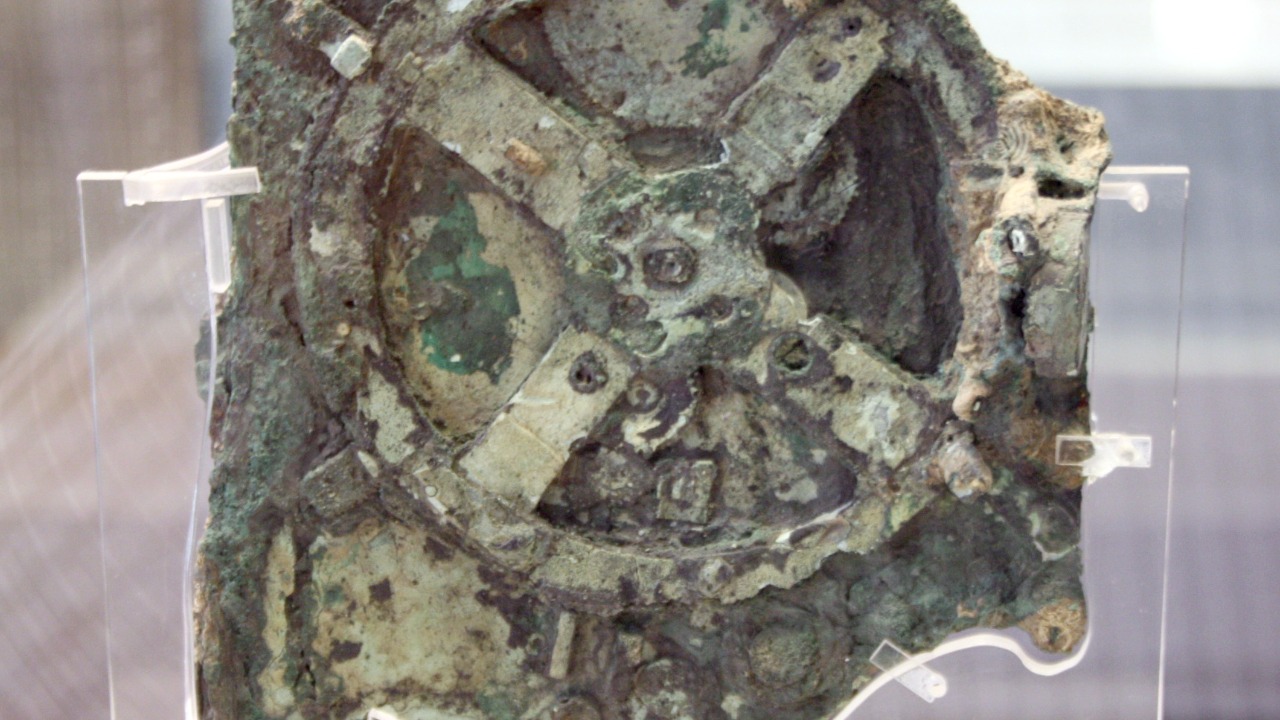
The Antikythera Mechanism, often described as the world’s first computer, is a marvel of ancient Greek engineering. This complex device, comprised of a series of intricate gears and dials, was used to predict astronomical positions and eclipses. The mechanism’s discovery has dramatically reshaped our understanding of ancient technology, proving that the Greeks had a sophistication far beyond what was previously assumed.
Research into the Antikythera Mechanism continues, as scholars still debate its exact use and the identity of its users. Some suggest it was a navigational instrument, while others believe it was a teaching tool. Regardless of its purpose, the mechanism stands as a testament to the scientific ingenuity of ancient civilizations. To read more about the ongoing research, visit here.
Challenges and Innovations in Underwater Archeology
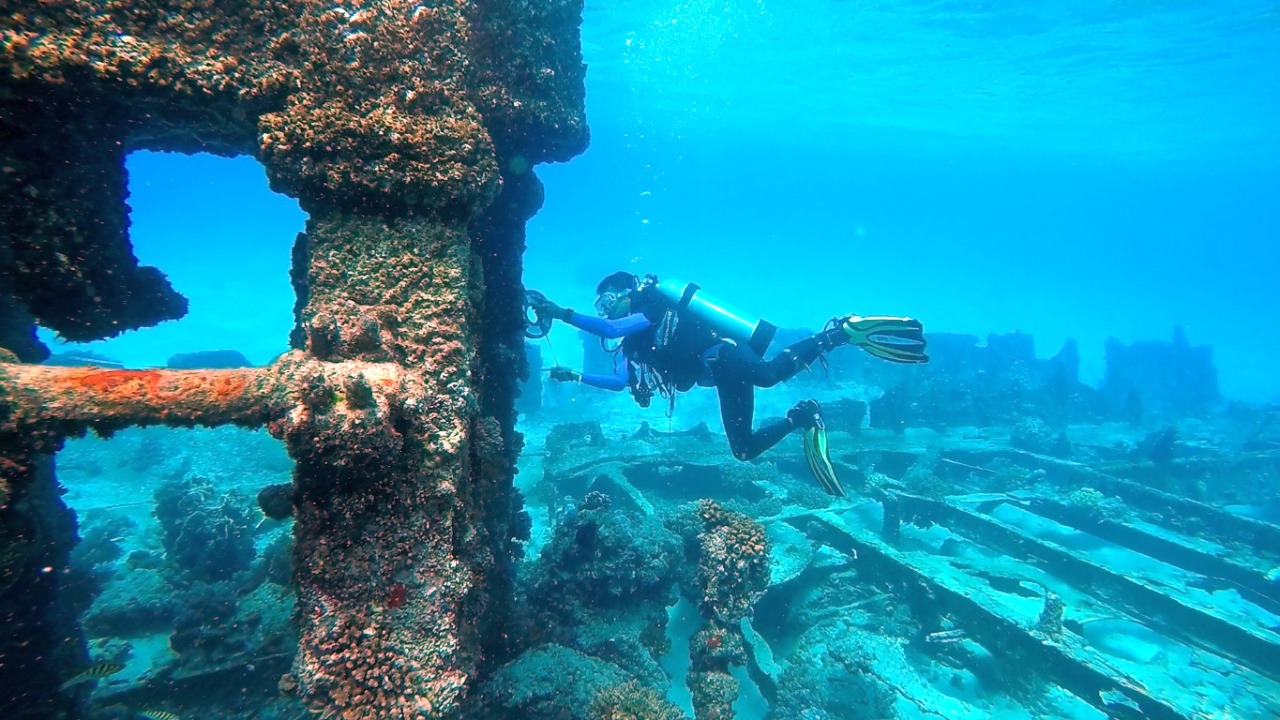
Underwater archaeology presents its own unique set of challenges. The limitations of diving equipment, the adverse effects of saltwater on artifacts, and the difficulty of excavating underwater all complicate the process. Yet, despite these obstacles, archaeologists have made remarkable strides in the exploration and excavation of the Antikythera shipwreck, utilizing innovative techniques and technologies.
From advanced sonar mapping to remotely operated vehicles, the tools at the disposal of modern archaeologists have opened up new possibilities for underwater exploration. As technology continues to advance, so too will our ability to uncover the secrets of our submerged past. To learn more about the techniques used in underwater archaeology, visit here.
The Cultural and Scientific Significance of the Antikythera Shipwreck
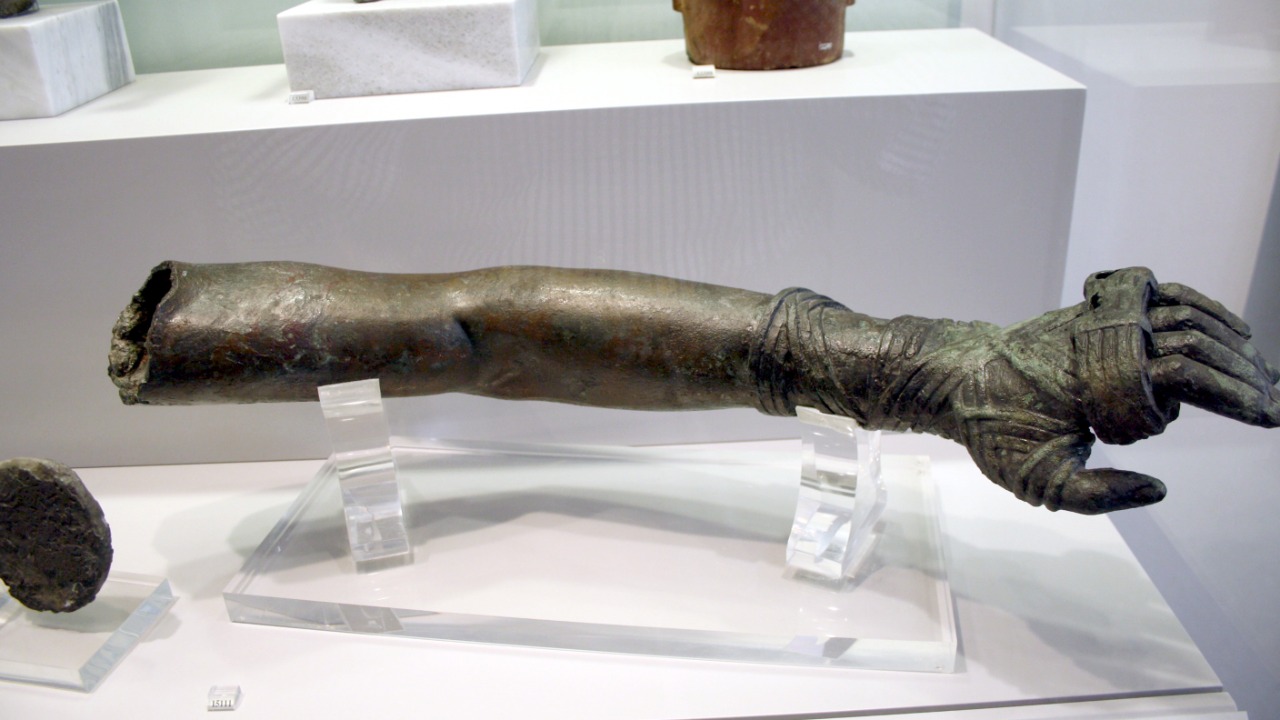
The Antikythera shipwreck has profound cultural and scientific significance. Its artifacts provide a tangible link to our past, shedding light on the complexities of ancient societies. The shipwreck’s cargo, from the bronze statues to the Antikythera Mechanism, speaks volumes about the artistic and scientific accomplishments of the Greeks.
Scientifically, the site has offered invaluable insights into ancient technology and trade. The Antikythera Mechanism, in particular, has revolutionized our understanding of ancient Greek engineering. As research continues, who knows what other secrets the Antikythera shipwreck may reveal about the ancient world? For a deeper understanding of the site’s significance, visit here.