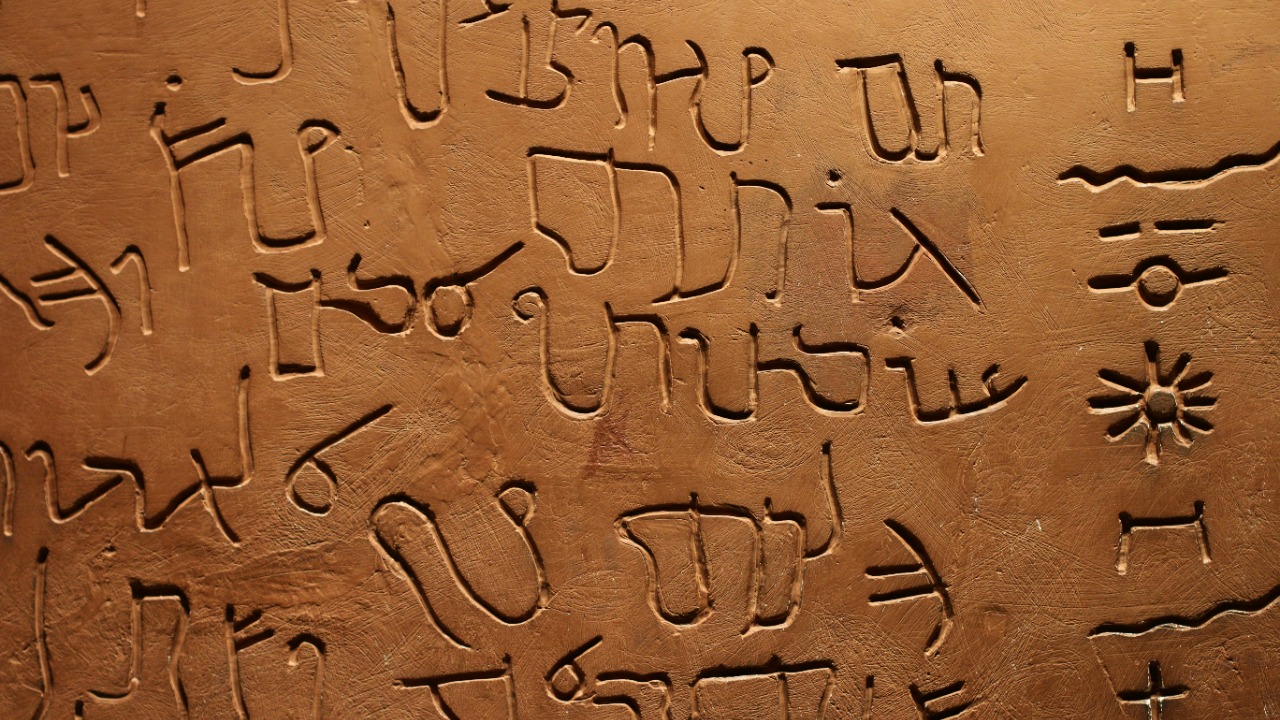

Historically, the Norse runes have been a subject of great interest for their mythological and historical value. Recent research, however, is shedding new light on these enigmatic symbols, suggesting that they may also serve as an ancient record of early climate shifts. The Vikings’ response to their changing environment is reflected in the runes, offering a unique insight into their fears and struggles.
Understanding the Rök runestone and its inscriptions
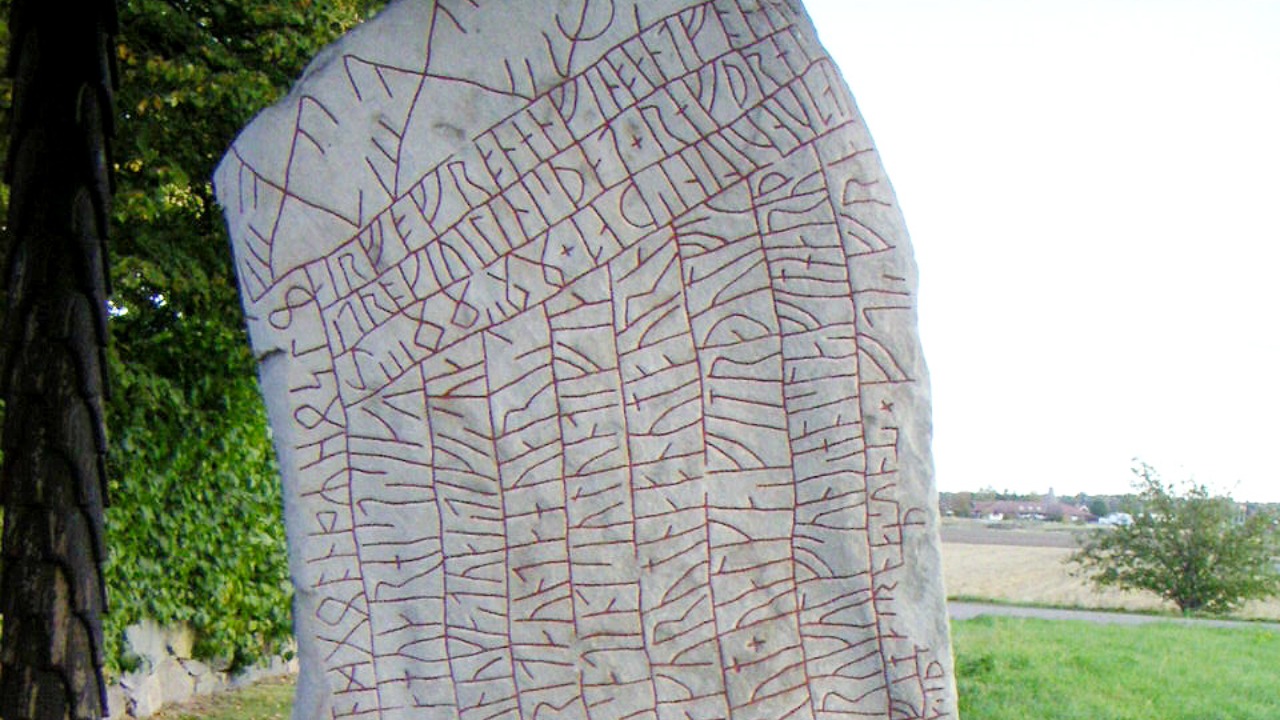
The Rök runestone, a monumental artifact from the Viking Age, holds great historical significance. It is not only the largest known runestone in the world but also the most densely inscribed, containing around 760 runes. The inscriptions have been the subject of various interpretations, often focusing on their mythological and historical narratives.
Interestingly, a newer interpretation suggests that the inscriptions on the Rök runestone may reflect the climatic fears of the Viking society. This theory posits that the inscriptions describe a fear of an impending climate catastrophe, possibly linked to a series of cold and harsh winters experienced during their time.
The climatic changes in the Viking Age
Examining climate patterns during the Viking Age provides a broader context for understanding the runic inscriptions. A series of volcanic eruptions during this period led to significant climatic changes, including colder temperatures and failed harvests. These changes had a profound impact on Viking society and culture, leading to food shortages and societal unrest.
Climate crises during the Viking Age also played a crucial role in shaping Norse mythology. Tales of Fimbulwinter, a harsh three-year winter preceding the end of the world, may have been inspired by actual extreme weather events. The impact of climate change is thus deeply embedded in the Viking lore and cultural memory.
Correlating runic inscriptions with historical climate data
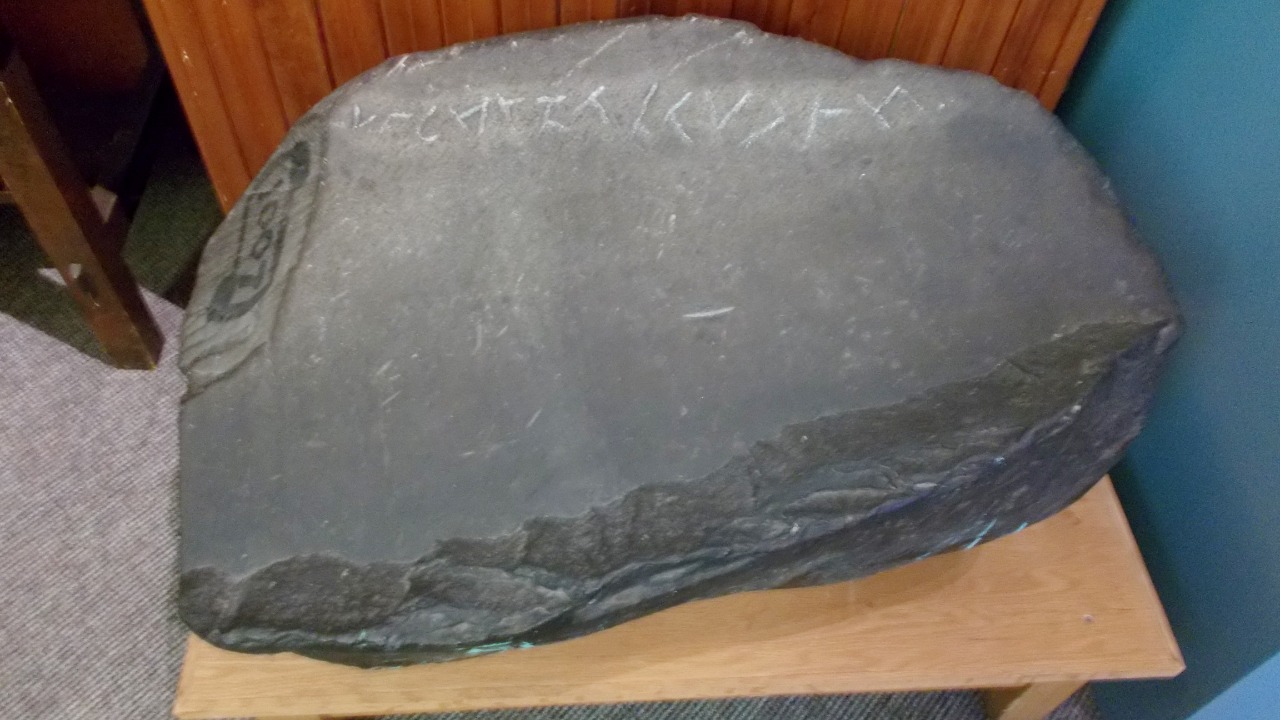
Scientists have employed various methods to correlate the runic inscriptions with historical climate data. This involves cross-referencing the runic narratives with climate proxy records, such as tree rings and ice cores, which can offer valuable information about past climates. The findings from this correlation can provide a more nuanced understanding of the Vikings’ experiences and perceptions of climate change.
Despite the intriguing findings, there have been debates and discussions surrounding the correlation. Some scholars argue that the interpretation of the inscriptions as climate-related may be speculative. However, the discussions continue, as the study of runestones remains an evolving and dynamic field of research.
The psychological impact of climate shifts on the Vikings
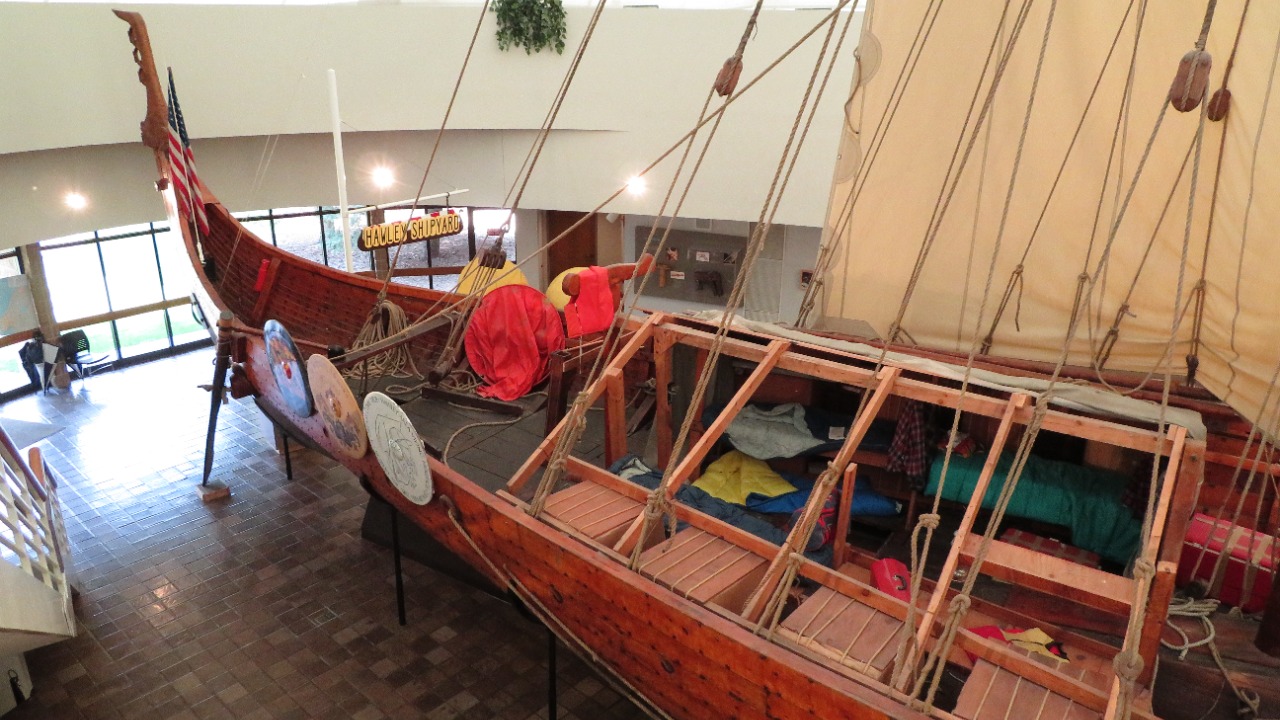
The Vikings’ perceptions and fears of climate changes are thought to be reflected in the Rök runestone. The inscription that describes a series of nine hardships may correspond to nine unusually harsh winters that the Vikings had to endure. These hardships could have been a source of significant anxiety and fear, contributing to a sense of impending doom.
The influence of climate shifts is also evident in Viking myths and legends, which often feature harsh winters and cataclysmic events. These narratives likely served as a means of making sense of their changing environment, revealing the social and psychological implications of climate shifts in Viking society.
Implications for contemporary climate studies
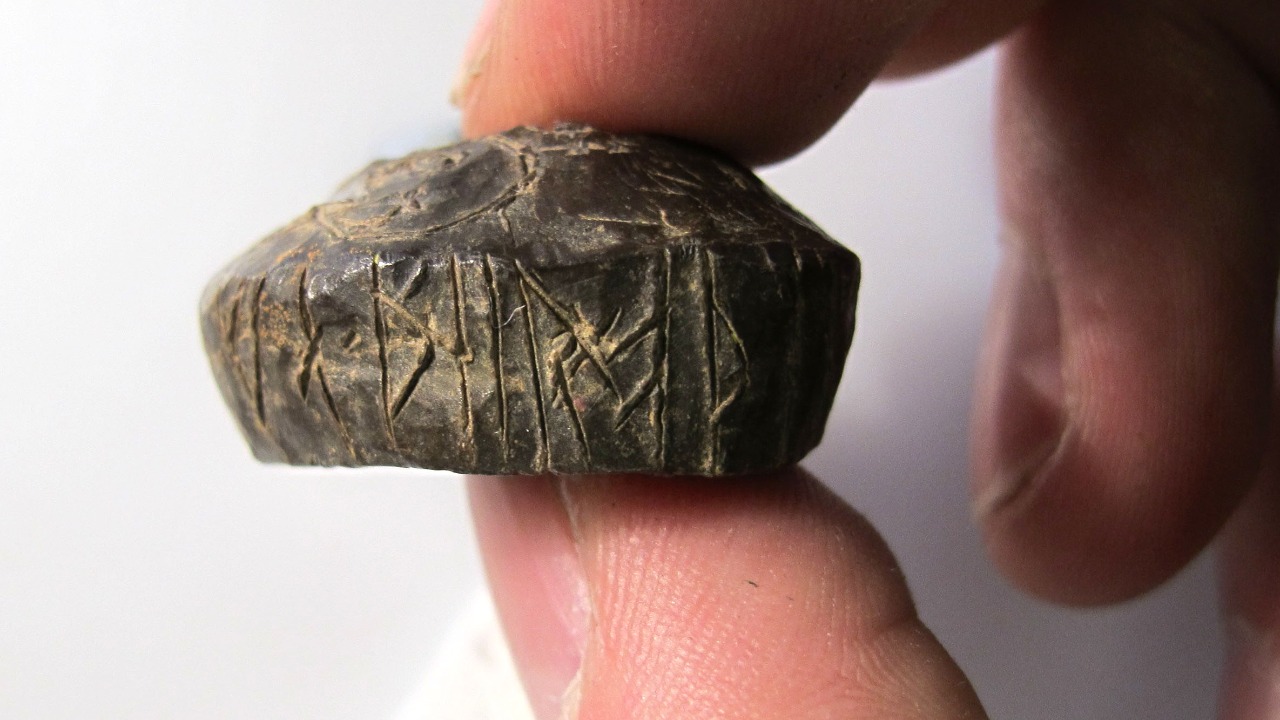
The findings from the study of the Norse runes can contribute to our understanding of historical climate changes. By combining archaeological data with climatological research, we can gain a more comprehensive picture of how societies responded to past climate crises. This integrated approach emphasizes the importance of historical and archaeological data in climate studies.
Runic inscriptions and other historical artifacts also hold potential for future climate research. They can serve as valuable sources of information, helping us understand how past societies perceived and responded to climate change. This, in turn, can provide valuable insights for our own responses to the ongoing climate crisis. As the study of the Rök runestone has shown, our past may hold the keys to understanding our future.