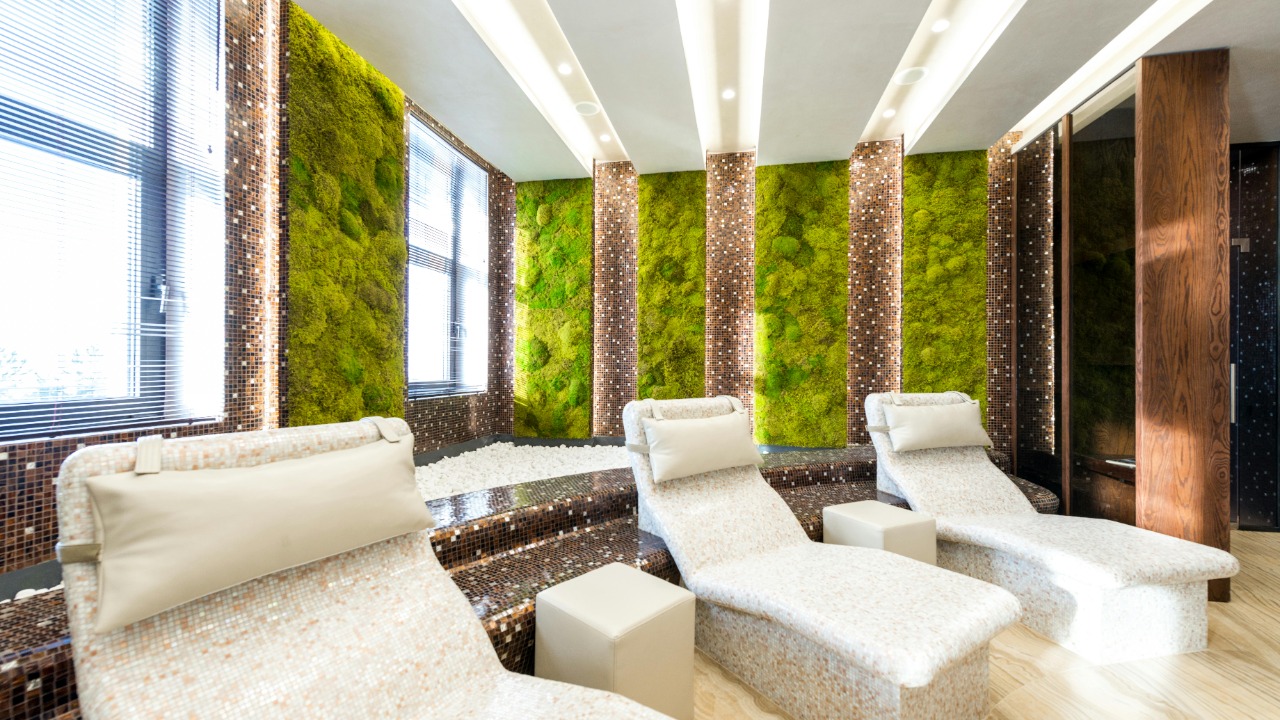

Bioengineered moss is making strides in the realm of indoor air purification, providing a compelling, eco-friendly alternative to conventional air filters. Harnessing the inherent capabilities of moss, science has found a way to enhance our indoor environments. This green solution, both metaphorically and literally, offers an innovative approach to improving indoor air quality.
Understanding the Science Behind Bioengineered Moss
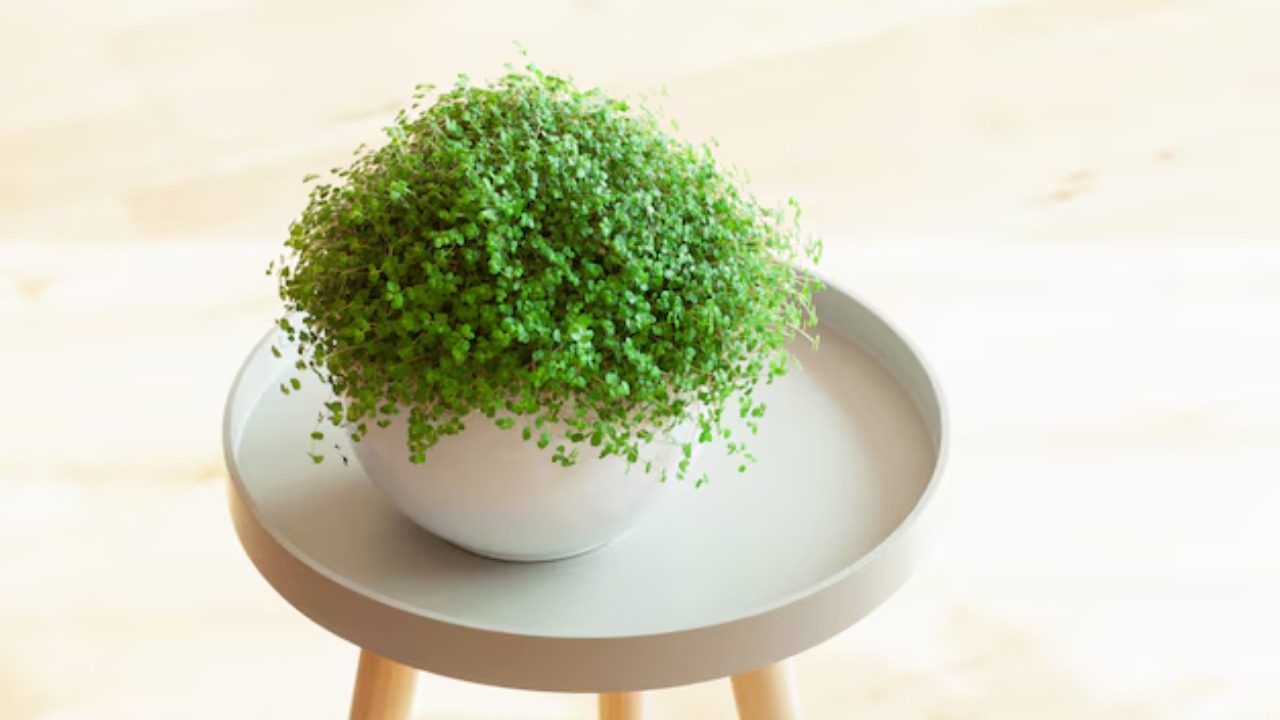
At the heart of this technology is the humble moss plant. Bioengineered moss is a product of biological engineering, where scientists manipulate the moss’s genetic makeup to enhance its inherent pollutant-absorbing qualities. The result is a supercharged version of moss that can absorb and break down pollutants more effectively than its natural counterpart.
Research has shown that bioengineered moss has impressive purification capabilities. According to a study, bioengineered moss can absorb harmful substances like volatile organic compounds (VOCs) from the air. These pollutants are then metabolized by the moss into harmless substances, effectively purifying the air we breathe.
The Purification Capabilities of Bioengineered Moss
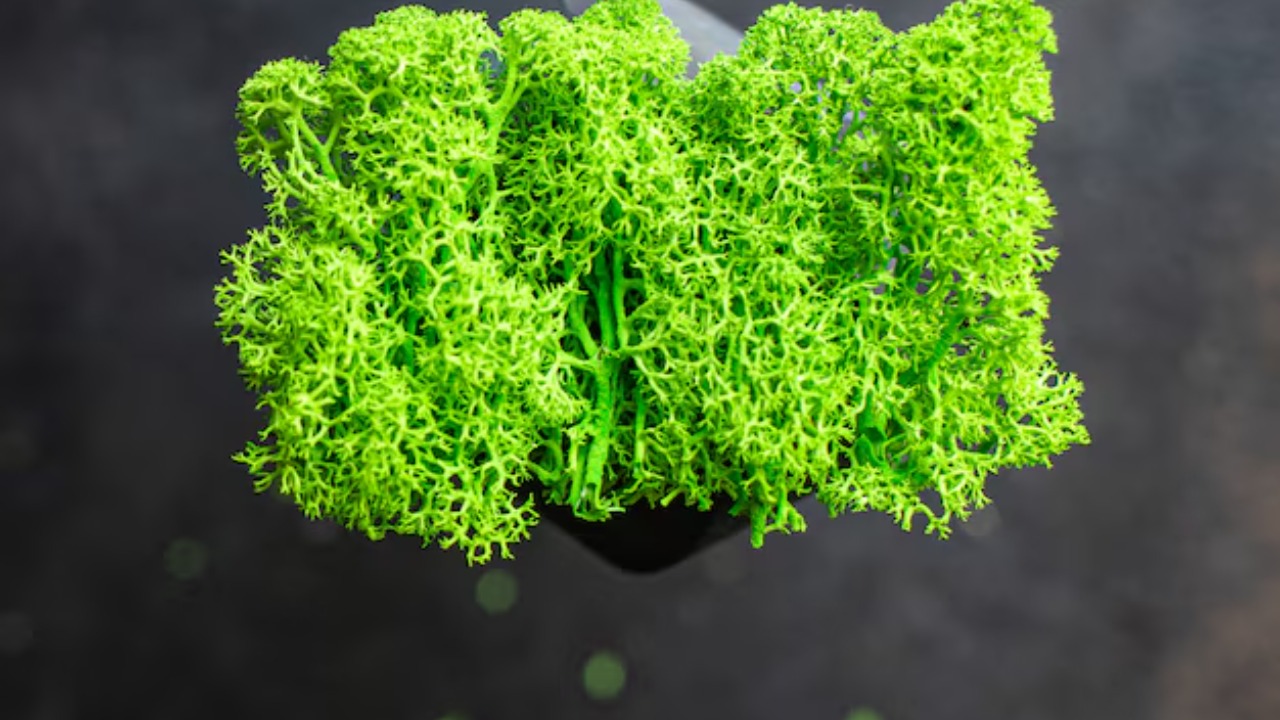
Bioengineered moss can absorb a wide array of pollutants. These include VOCs, carbon dioxide, and even particulate matter, which are common in indoor environments. This makes it a highly versatile tool in improving indoor air quality.
When it comes to efficiency, bioengineered moss holds its ground against traditional filters. While conventional filters trap pollutants, moss goes a step further by metabolizing these harmful substances, thus neutralizing them. A research shows that bioengineered moss can have a significant impact on indoor air quality, reducing the concentration of pollutants and improving the overall air quality.
Practical Applications of Bioengineered Moss
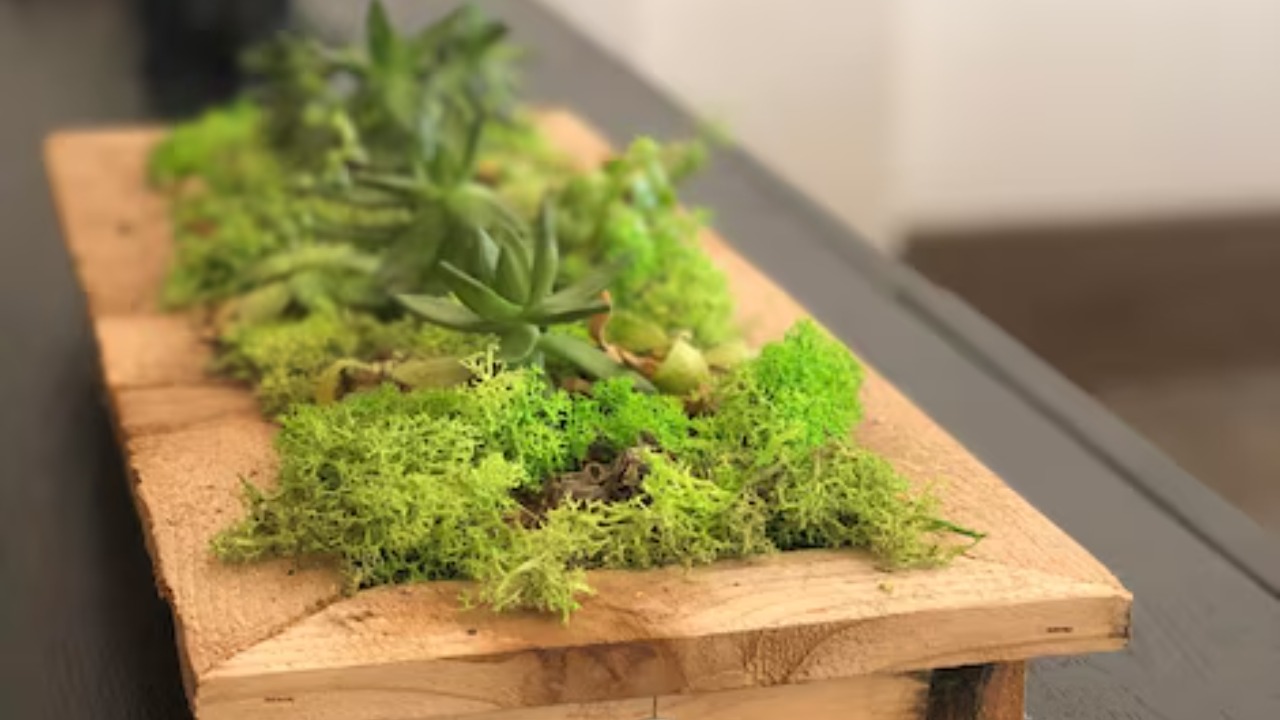
Bioengineered moss has found its way into various products designed for indoor air filtration. One such product is MossAir, a moss-based air purifier that leverages the power of bioengineered moss to improve indoor air quality. Another product, Briiv, uses a natural filter made from bioengineered moss, along with other sustainable materials, to purify the air.
These products are typically used in homes and offices, but there’s potential for them to be used in larger-scale buildings and facilities. With the growing focus on sustainability and green technology, bioengineered moss could become a standard feature in buildings of the future.
Benefits of Using Bioengineered Moss for Indoor Air Purification
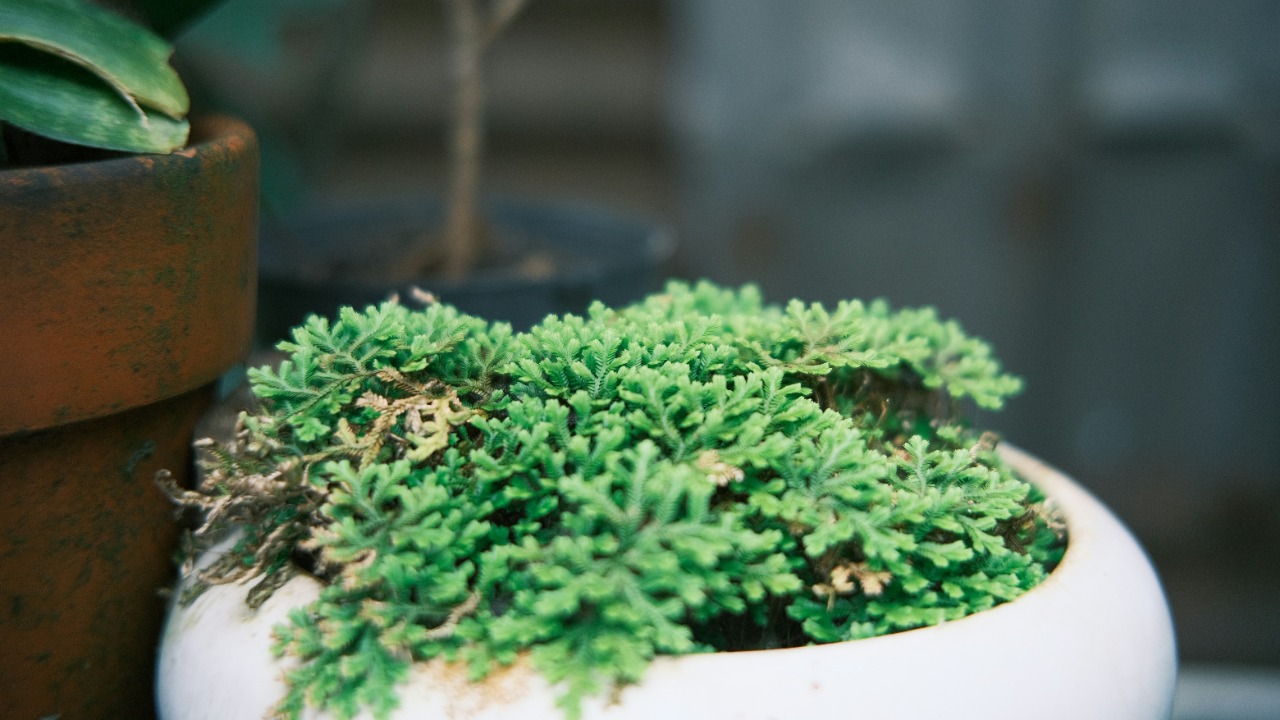
Using bioengineered moss for air purification comes with numerous benefits. On the environmental front, it’s a sustainable solution that does not contribute to waste like disposable filters do. The moss is also actively photosynthesizing, meaning it’s converting carbon dioxide into oxygen, which aids in combating climate change.
Health-wise, better indoor air quality can have a significant impact. By reducing pollutants in the air, bioengineered moss can help alleviate issues caused by poor air quality, such as allergies and respiratory problems. Moreover, the economic benefits of using bioengineered moss should not be overlooked. While the initial cost may be higher than traditional filters, the long-term savings from not having to replace filters can make it a cost-effective solution.
The Future of Bioengineered Moss in Air Purification
Despite its potential, bioengineered moss is not without its challenges. Currently, the technology is still in its early stages, and more research and development is needed to maximize its capabilities. However, with ongoing research and breakthroughs in biological engineering, it’s likely that we will see improvements in the effectiveness and application of bioengineered moss in the coming years.
Looking forward, the market potential for bioengineered moss and related products is vast. As more people become aware of the importance of indoor air quality and the need for sustainable solutions, demand for products like MossAir and Briiv is expected to grow. Coupled with advancements in the field, bioengineered moss could very well be a common feature in our indoor environments in the future. Learn more about the fascinating science of live moss and its potential role in air purification.