

The notion of manipulating smart homes with wireless brain chips has leaped from the pages of science fiction novels to the realm of reality. This revolutionary technology, its potential applications, benefits, and ethical dilemmas, present exciting prospects and significant challenges in equal measure.
Understanding Wireless Brain Chips

Wireless brain chips, a fascinating innovation, are essentially a type of brain-computer interface (BCI). One of the most notable companies in this domain is Neuralink, which has been developing implantable brain–machine interfaces (BMIs). These devices can transmit neural signals to machines without any physical connection, making them wireless.
The development of BCIs has an interesting history. It started with simple research on bioelectric phenomena in living organisms and has now evolved into a technology that can read and interpret brain signals. The transition from basic research to complex applications wasn’t easy, but it was a necessary journey that has led to the creation of life-changing technologies such as wireless brain chips.
Several successful case studies have demonstrated the potential of brain chips. For instance, the chips have been used to restore mobility in patients suffering from paralysis. These cases highlight the transformative potential of this technology in healthcare and beyond.
Application of Brain Chips in Smart Homes
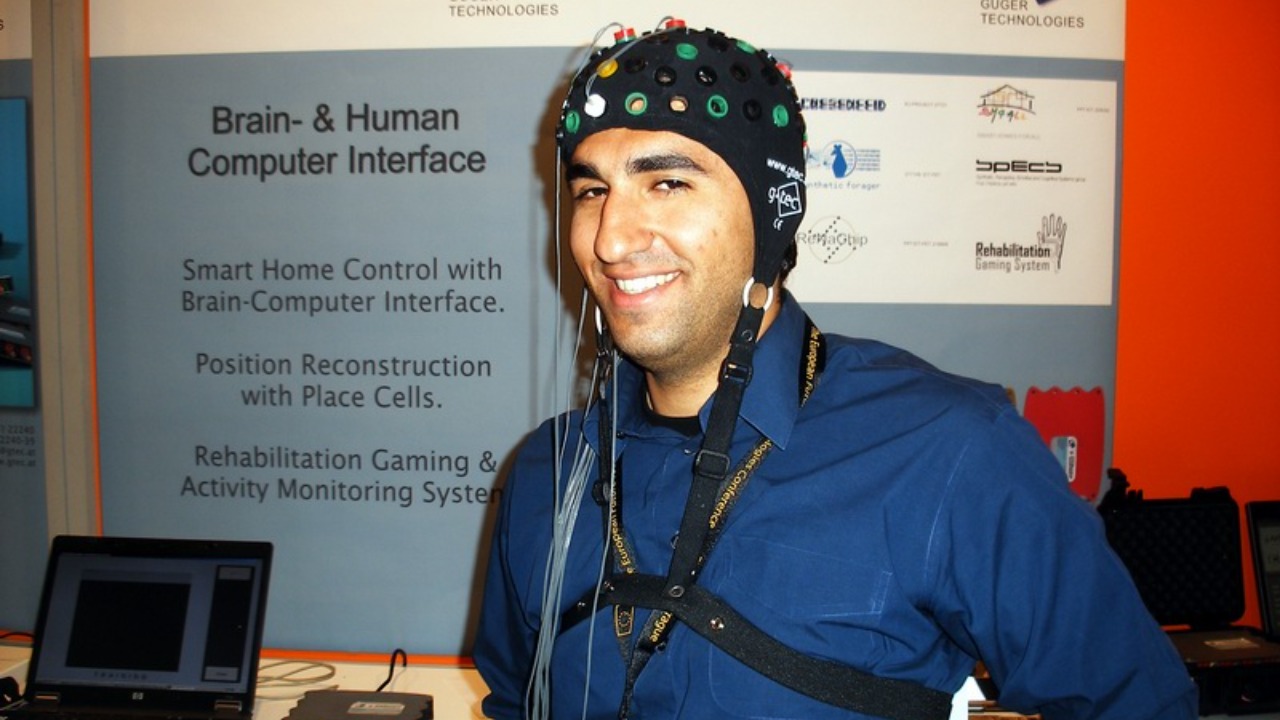
Brain chips can enable seamless interaction between humans and smart home systems. They can translate electrical signals from the brain into commands that can control various smart home devices. Imagine adjusting the room temperature, switching on the lights, or even playing your favorite music just by thinking about it!
A striking real-life example of this application was seen in Shanghai, where a woman with a brain chip was able to control her smart home system. Detailed in this Sixth Tone report, the woman used the chip to control devices in her home, highlighting the immense potential of this technology.
Looking ahead, the application of brain chips in smart homes could extend to more complex operations. For instance, they could enable personalized automation based on the users’ moods or needs, making smart homes even smarter.
Benefits of Brain-Controlled Smart Homes

Brain-controlled smart homes offer numerous benefits. They hold particular promise for individuals with mobility issues or disabilities, providing them with a new level of independence and control over their environment. This technology could revolutionize home automation, making it more accessible and user-friendly.
Furthermore, brain chips could significantly impact energy efficiency and sustainability in smart homes. By accurately interpreting the user’s needs, these systems could optimize energy usage, reducing both costs and environmental impact.
Challenges and Ethical Considerations

Despite the potential benefits, the use of brain chips also presents several challenges and ethical concerns. Privacy and security are critical issues. The potential for hacking or misuse of these devices raises serious concerns about user safety and data protection.
The ethical implications of this technology also warrant careful consideration. There are risks of exploitation, particularly if the technology falls into the wrong hands. Moreover, potential mental health implications, such as stress or anxiety associated with the use of these devices, must be considered.
The regulatory landscape for brain chip technology is still evolving. It’s crucial to establish robust regulations to protect users and ensure the responsible development and use of these devices.
Looking to the Future: Progress and Potential
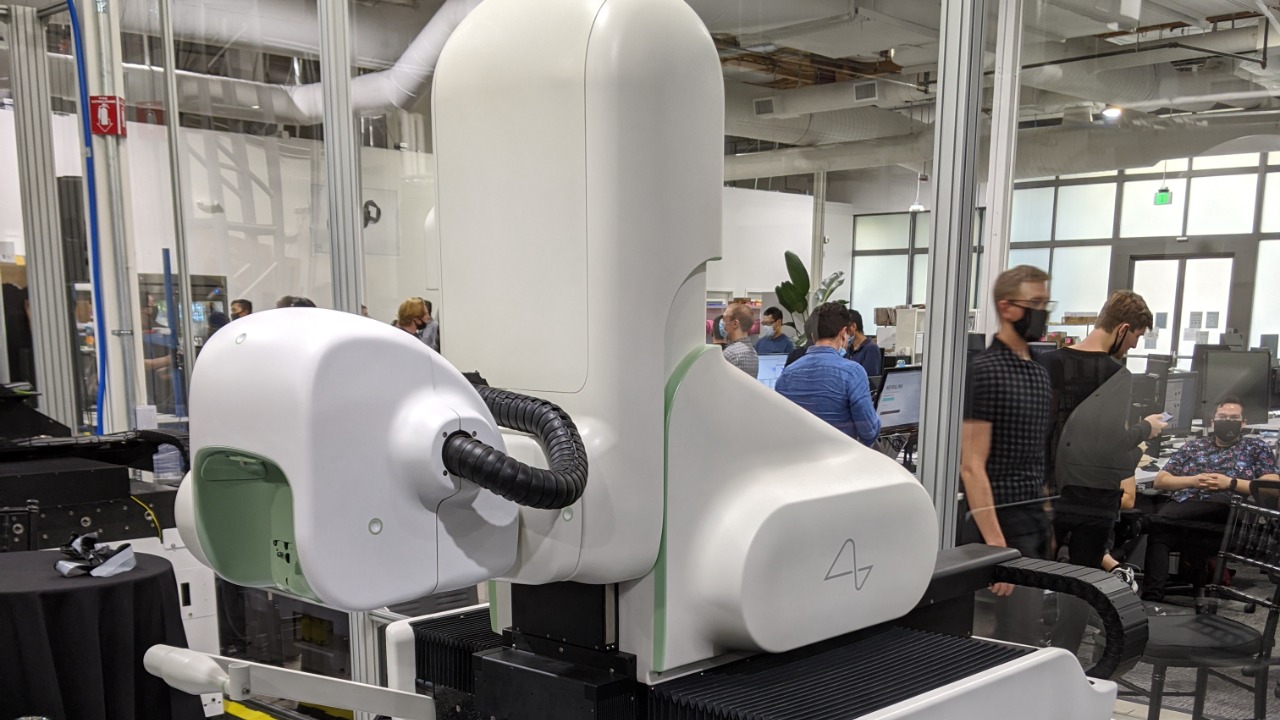
Current research and development trends suggest promising progress in the field of brain chip technology. An analysis published in IEEE highlights the rapid advancements in this field, pointing to a future where brain-controlled smart homes could become commonplace.
The future of brain-controlled smart homes appears bright, with potential advancements extending beyond home automation. This technology could potentially reshape our interaction with our living environment, leading to a more intuitive and personalized user experience.
However, to realize this potential, it’s essential to overcome the challenges and address the ethical considerations associated with brain chip technology. Only then can we fully embrace the convenience and benefits of brain-controlled smart homes.