
The intersection of technology and healthcare has brought forth innovations that are transforming the way we approach our health and wellbeing. One such advancement is the development of smart mirrors, devices that can diagnose skin conditions and offer personalized skincare recommendations. The potential of these mirrors in shaping the future of skincare and healthcare is immense.
Understanding Smart Mirrors and their Capabilities

Smart mirrors, often embedded with high-resolution cameras and artificial intelligence (AI) algorithms, are the latest addition to the digital healthcare landscape. These mirrors are designed to analyze your skin, identify various conditions, and even offer personalized skincare advice. This ability to diagnose skin conditions stems from AI and machine learning models trained on thousands of skin images, enabling them to recognize patterns and abnormalities with remarkable precision.
In addition to diagnosing skin conditions, these mirrors can also monitor changes in your skin over time, alerting you to any potential issues. Moreover, they can recommend skincare products based on your unique skin type and condition, offering a personalized skincare experience. These additional features make smart mirrors a comprehensive tool for skincare, bridging the gap between technology and personal health care.
The Science Behind Smart Mirrors
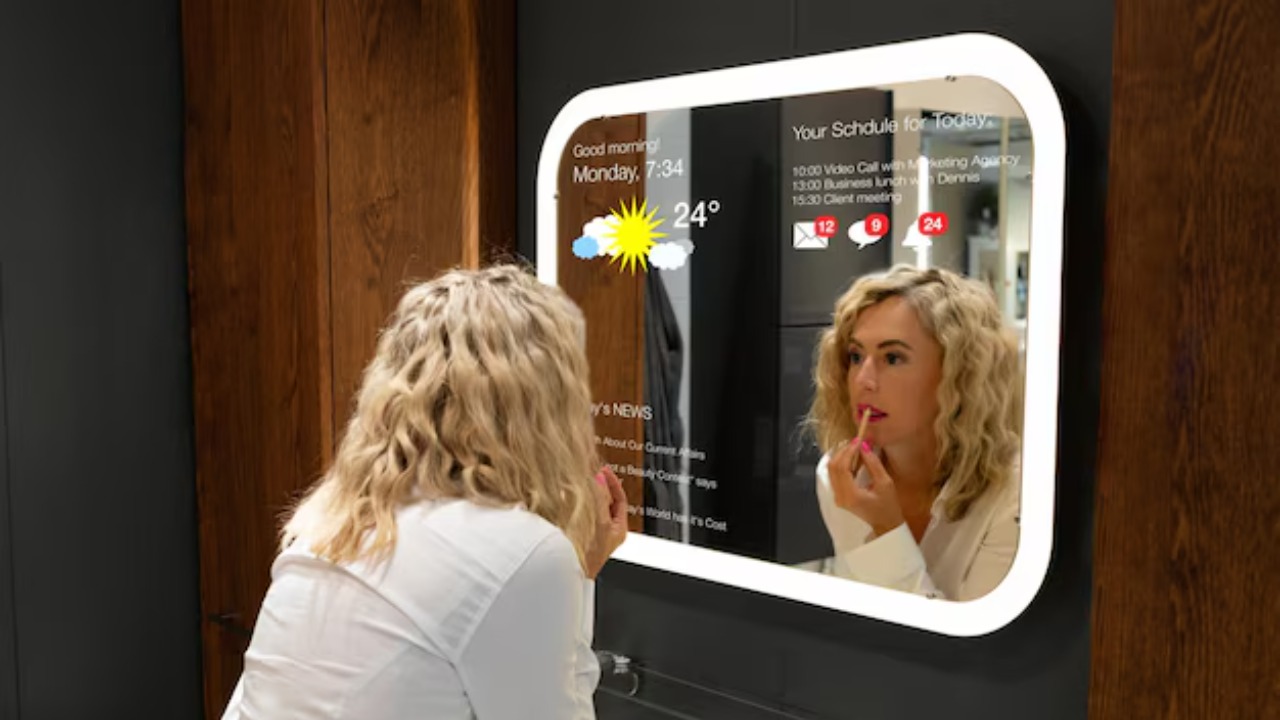
The core technology behind smart mirrors is artificial intelligence, which enables the device to analyze and interpret skin images. The use of AI in healthcare, particularly in image analysis, has been extensively studied. Recent research has shown promising results in the application of AI for diagnosing skin conditions.
High-resolution imaging technology plays a crucial role in the efficacy of smart mirrors. By capturing detailed images of your skin, these mirrors can identify subtle changes and abnormalities that may be indicative of a skin condition. The latest advancements in imaging technology have enabled these mirrors to detect conditions with a high degree of accuracy.
Impact on the Skincare Market

Smart mirrors are poised to make a significant impact on the skincare market. According to a report by Future Market Insights, the global smart skincare market is expected to see substantial growth in the coming years. These mirrors offer a novel approach to skincare, aligning with the consumer trend towards personalized and tech-driven health and wellness products.
Several key players are leading the innovation in this space. Companies like HiMirror and Simplehuman are pioneering the development of smart mirrors, offering cutting-edge devices that combine skincare and technology. With the growing interest in these products, we can expect to see more companies entering this market and pushing the boundaries of what’s possible in the intersection of skincare and tech.
Benefits of Using Smart Mirrors for Skin Diagnostics

One of the primary benefits of smart mirrors is their ability to detect skin conditions at an early stage. Early detection is crucial in managing many skin conditions, and these devices could potentially save lives by identifying serious conditions like melanoma in their initial stages. Furthermore, these mirrors offer personalized skincare recommendations, tailoring advice to your unique skin type and condition.
Another significant advantage of smart mirrors is the convenience they offer. With these mirrors, you can conduct a skin check-up in the comfort of your own home, saving you time and effort. This aspect of convenience, coupled with the potential for early detection and personalized care, positions smart mirrors as a valuable tool in skincare and healthcare.
Ethical and Privacy Considerations

While smart mirrors offer numerous benefits, they also raise important ethical and privacy considerations. The privacy of personal health data is a critical concern, especially with devices that collect sensitive information like skin images. It’s crucial that these devices have robust data security measures in place to protect user data.
There are also potential ethical issues to consider, such as the risk of overdiagnosis or reliance on technology for health advice. As with any healthcare technology, it’s important to use smart mirrors as a tool to complement, not replace, professional medical advice. The regulatory landscape for such devices is also evolving, and it’s important to stay informed about any changes that could affect the use of smart mirrors.