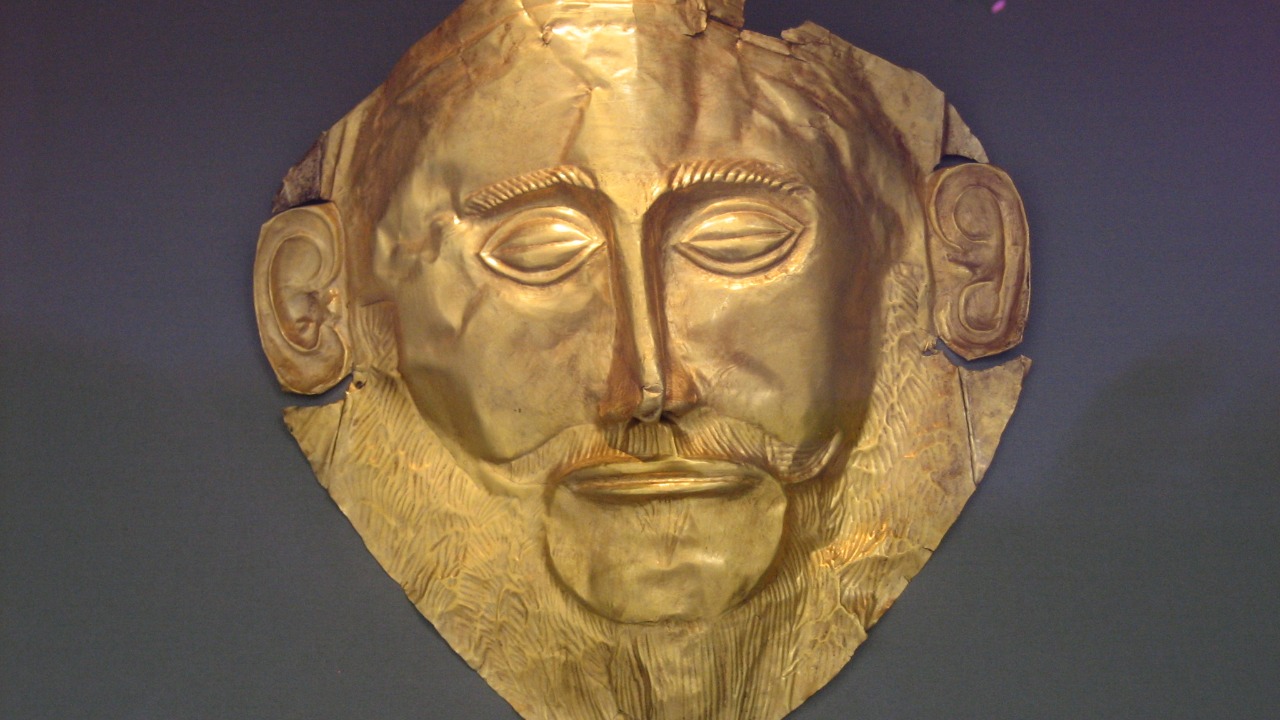

Archaeologists have recently unearthed a remarkable find from Andean tombs: gold masks that are approximately 4,500 years old. These ancient artifacts offer fascinating insights into the cultures and civilizations that crafted them, revealing intriguing details about their historical and cultural significance.
The Discovery of the Gold Masks

The archaeological site, nestled in the heart of the Andes, became a focal point when gold masks were discovered within several ancient tombs. The team of archaeologists, led by renowned researcher Dr. Ricardo Morales, was astounded by the find. The initial reactions were of disbelief and excitement, as the discovery was unprecedented in the region’s archaeological history.
Upon discovery, the team immediately realized the potential significance of the masks, which appeared to be in surprisingly good condition. Detailed analysis and documentation were initiated, transforming the initial discovery site into a bustling research ground. You can see some of the initial findings in this post on a dedicated archaeology Facebook group.
The Age and craftsmanship of the Masks
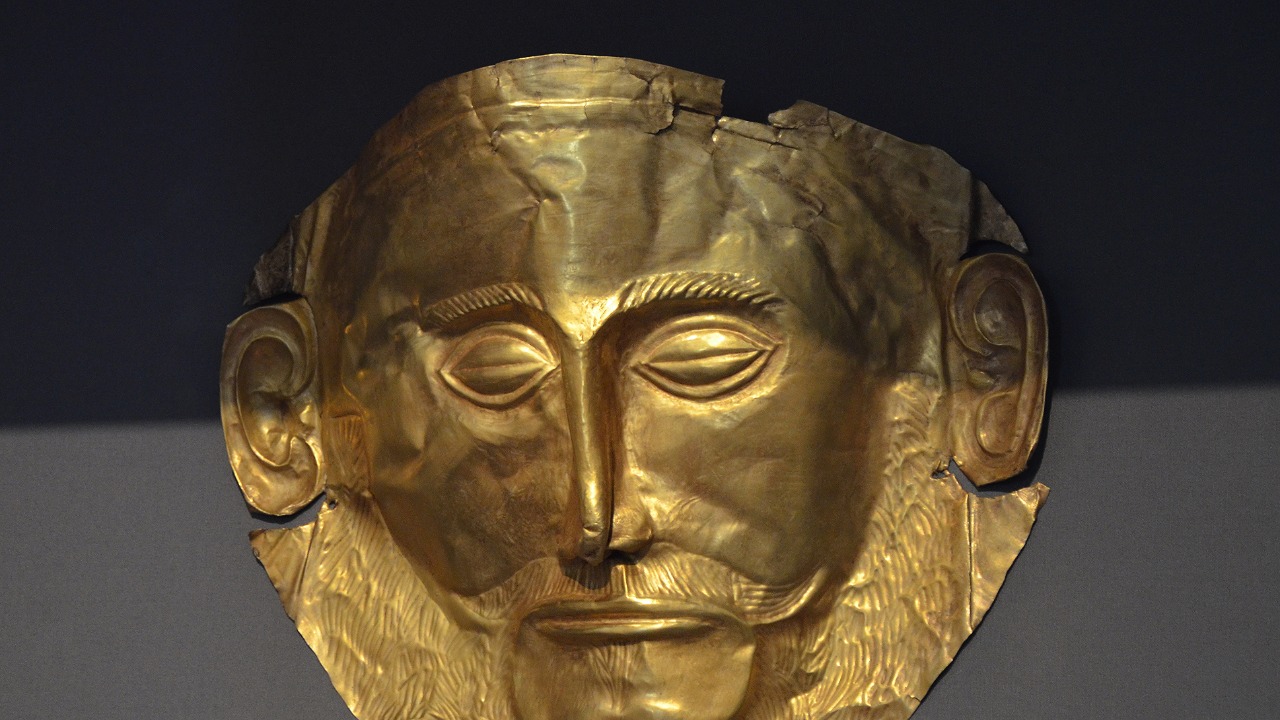
Through radiocarbon dating techniques, the masks were estimated to be about 4,500 years old. This coincides with the late Formative period of Andean civilization, a time marked by the development of complex social structures and the rise of regional cultures. The masks’ craftsmanship suggests a high level of metallurgical knowledge and skill, indicating that these were likely created by highly skilled artisans of their time.
The masks, crafted from thin sheets of gold, exhibit exquisite workmanship. The delicate etchings and detailed facial features demonstrate the artisans’ deep understanding of human anatomy and their ability to translate this knowledge into their craft. More information about the age and craftsmanship can be found in this comprehensive book on Andean archaeology.
Cultural Significance of the Masks

In Andean culture, gold was considered a sacred material, and gold masks played an important role in rituals and ceremonies. These masks were likely used in death rituals, signifying the deceased’s high status and guiding their spirit in the afterlife. The symbols and motifs depicted on the masks, such as serpents and jaguars, are thought to represent various Andean deities and natural elements, further emphasizing the masks’ sacredness.
Understanding the symbolism and cultural significance of these masks provides a window into ancient Andean belief systems. They also testify to the cultural richness and diversity of this region, which was home to a wide array of distinct cultures and societies. A detailed analysis of the masks’ cultural significance can be found in this academic paper.
Comparisons to Other Ancient Artifacts
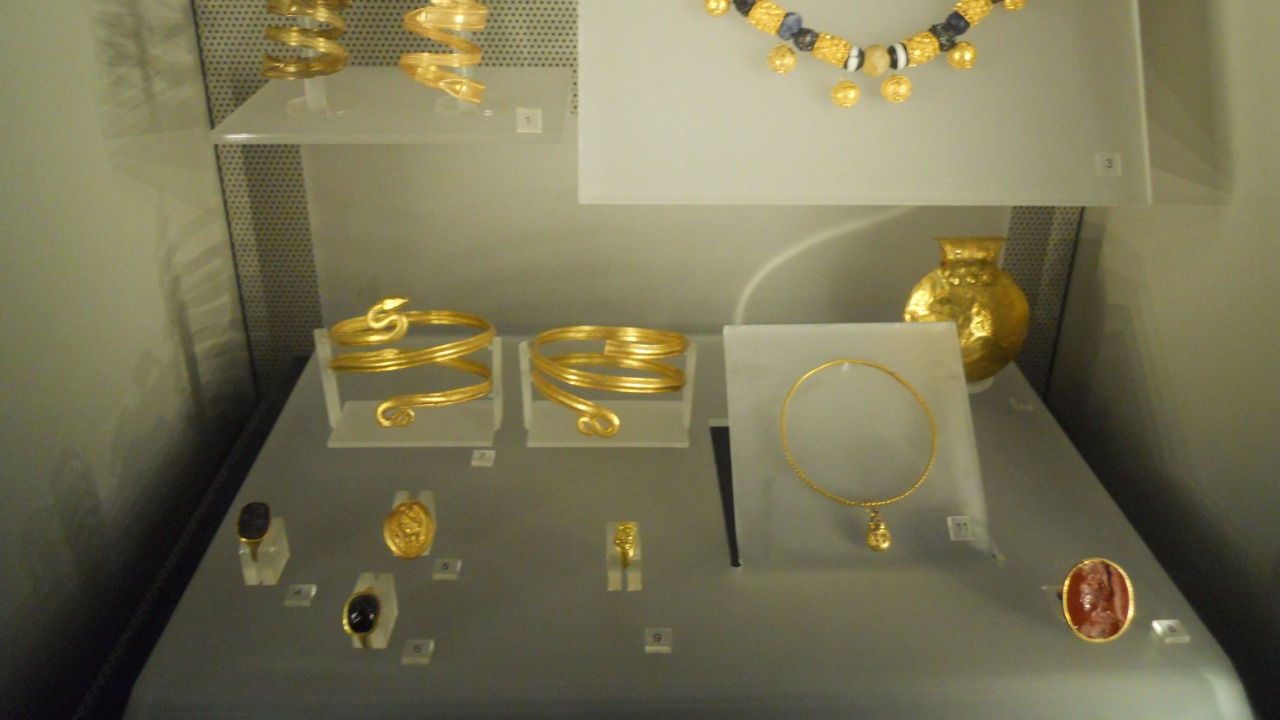
The Andean gold masks can be compared and contrasted with similar artifacts from other ancient cultures. For instance, Chinese civilizations also crafted elaborate gold masks, such as those found in the tomb of a Chinese emperor. While these masks share a common purpose in death rituals, their design and symbolism differ significantly, reflecting the unique cultural and artistic traditions of their respective civilizations.
These comparisons not only underscore the cultural diversity of ancient civilizations but also highlight the universal human fascination with gold and the afterlife. By studying these artifacts, we can gain a more nuanced understanding of our shared human history.
Future Studies and Preservation
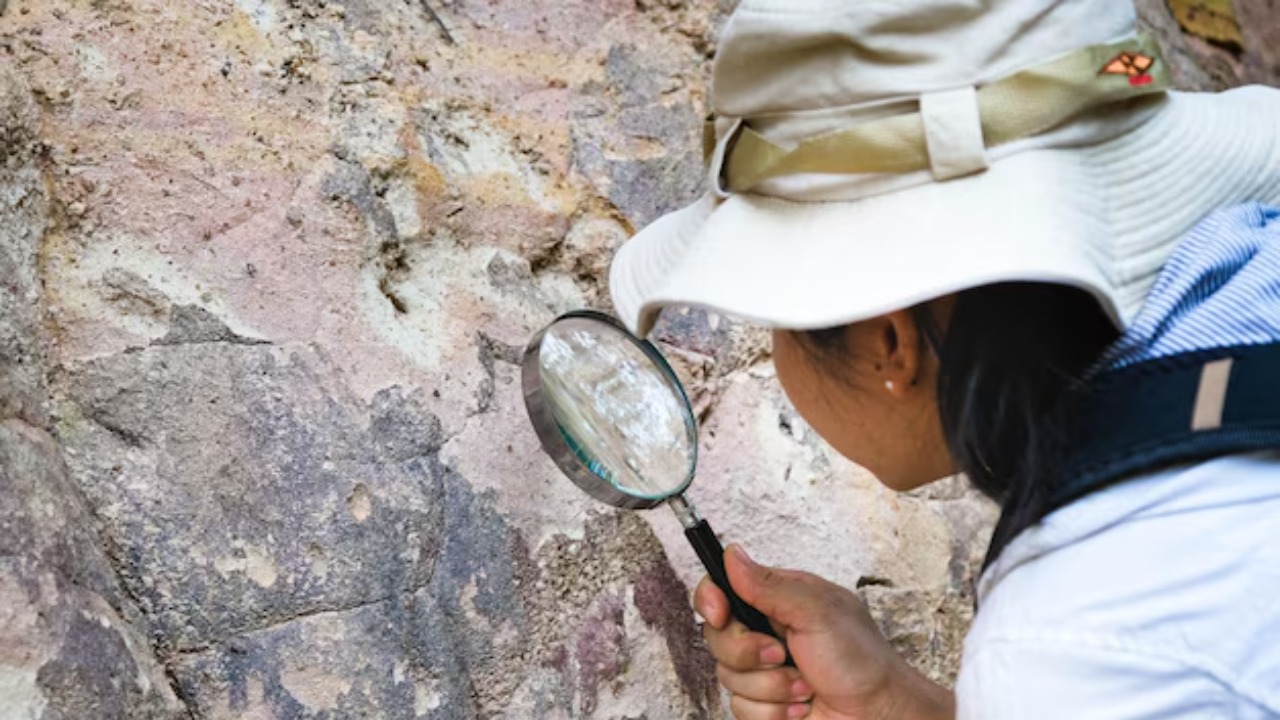
The discovery of the Andean gold masks has opened up new avenues for research. Ongoing studies are focusing on further understanding the masks’ dating, creation techniques, and cultural significance. These investigations will likely shed more light on the intricate societal structures and belief systems of the ancient Andean civilizations.
Preserving these masks is also a key priority. Given their age and intrinsic value, conservation efforts are underway to ensure their survival for future generations. These efforts include creating controlled environments to prevent damage and developing programs to educate the public about their importance. More about these efforts can be read in this book.