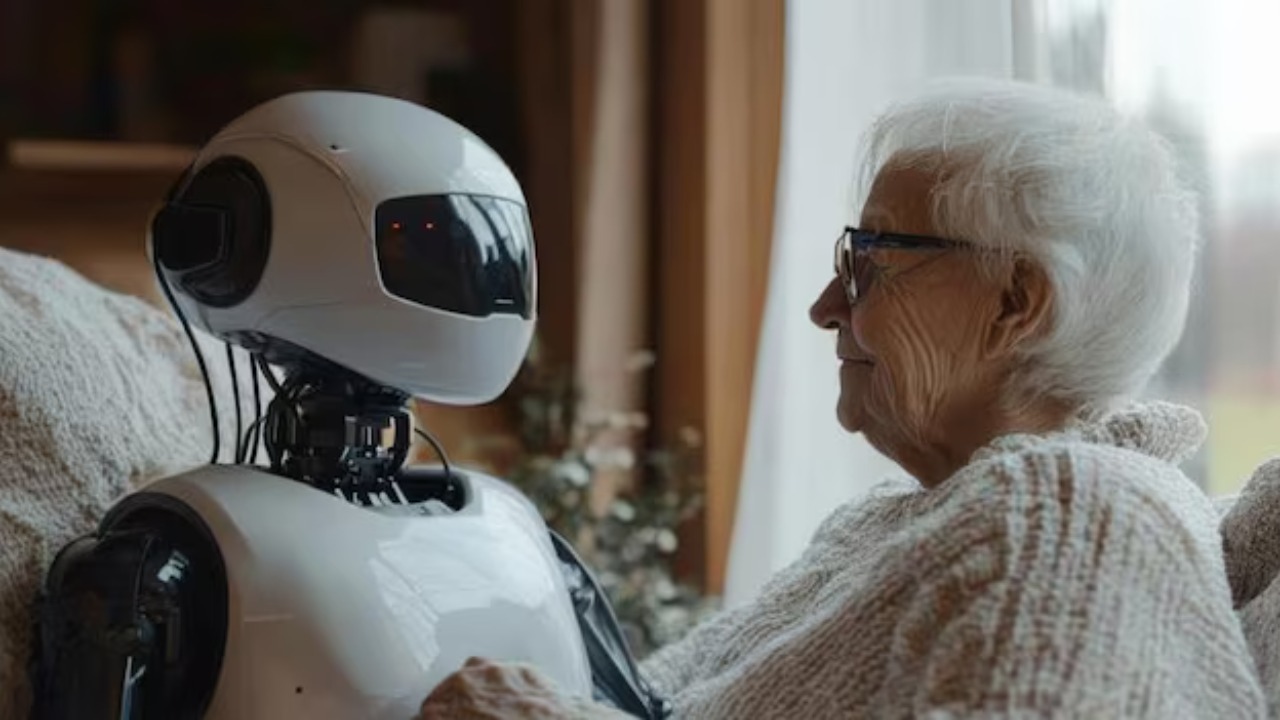

In the unfolding era of advanced technology, the concept of robots assisting in elderly care is no longer science fiction but a reality. With a 95% success rate, robotic assistants have emerged as an innovative solution that has drastically transformed the senior care sector. Let’s delve into the rise of these robotic assistants, their benefits, challenges, and the future of this groundbreaking concept.
The Rise of Robotic Assistants in Elderly Care
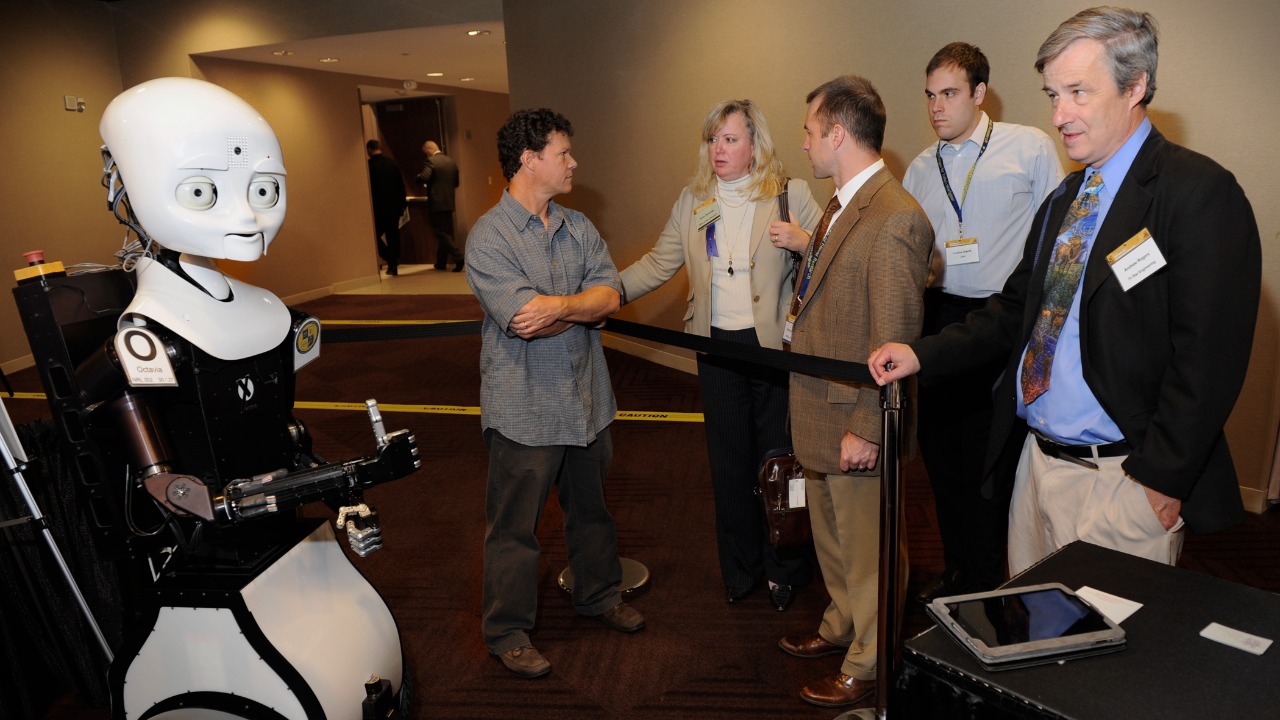
The evolution of assistive robots in the care sector has been a revolutionary journey. Advances in technology and the development of artificial intelligence (AI) and machine learning have facilitated the creation of efficient robotic helpers. These technological assistants are capable of performing various tasks, from simple chores to complex care routines, thus revolutionizing elderly care.
There have been several milestones and breakthroughs in the use of robotic assistants for the elderly. For instance, the successful implementation of robotic systems in nursing homes has proven to be a gamechanger. These systems have enabled the elderly to continue living comfortably and independently, thus enhancing their quality of life.
Benefits of Robotic Assistants in Elder Care
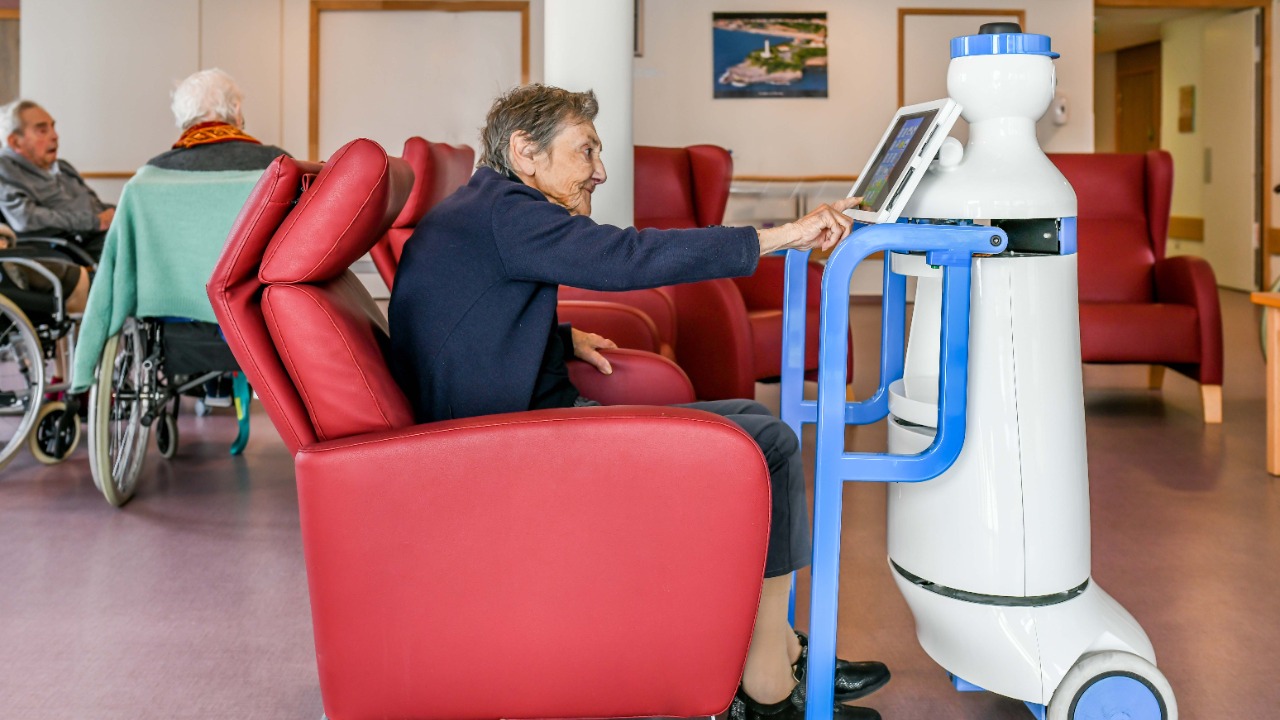
One of the significant benefits of robotic assistants is their ability to reduce loneliness and improve mental health in the elderly. In a world where many seniors live alone or far from their families, these robots provide much-needed companionship. Moreover, they are programmed to engage in meaningful conversations and activities, which stimulate cognitive functions and improve mental well-being.
Robotic assistants also play an essential role in ensuring the safety and well-being of seniors. They are equipped with features like fall detection, medication reminders, and emergency alerts, which help safeguard the elderly from potential health hazards. Moreover, they provide relief to caregivers by taking over routine tasks, allowing them to focus on other critical aspects of care. A study on assistive robots and caregivers highlights the benefits of these robotic assistants in the care sector.
Challenges and Concerns with Robotic Assistants
While robotic assistants have many benefits, there are also ethical considerations and concerns surrounding their use in elderly care. Some argue that relying on machines for companionship and care could potentially dehumanize the care process. It’s crucial to strike a balance between human interaction and robotic assistance to maintain the dignity and emotional well-being of seniors.
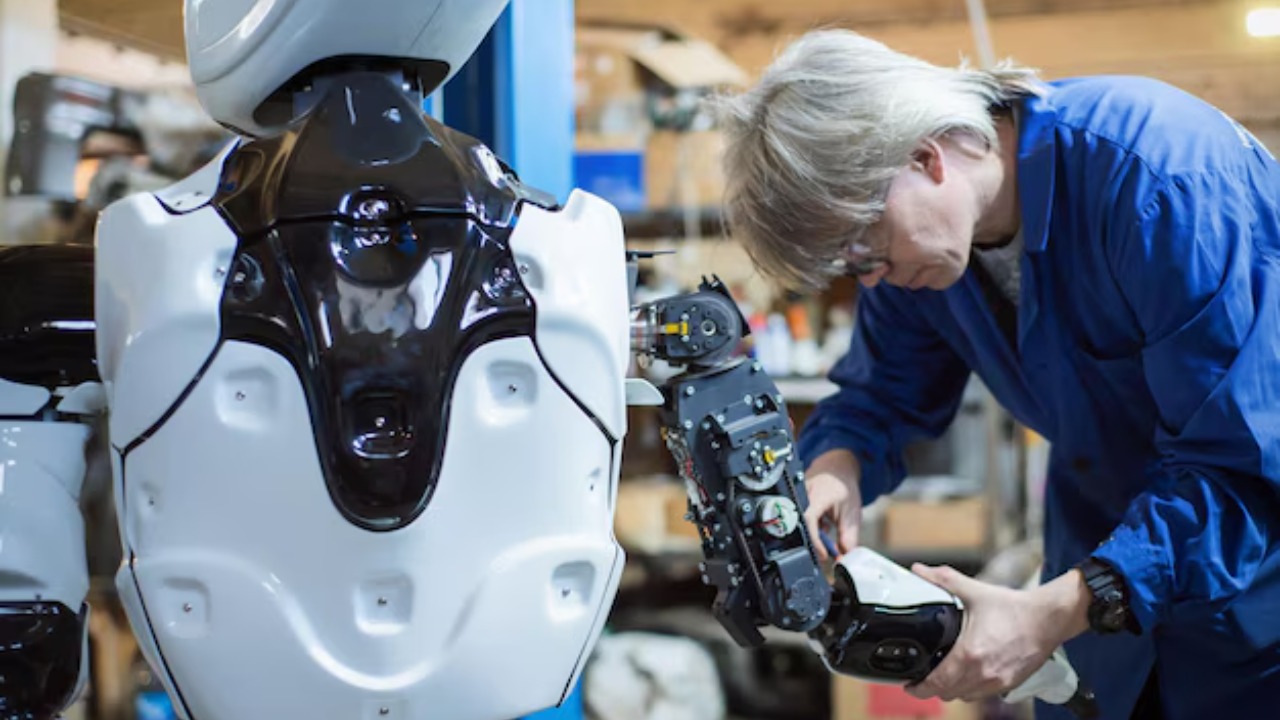
Technological challenges also exist in designing and implementing robotic helpers. Ensuring that these robots are user-friendly and adaptable to the specific needs of each individual can be a daunting task. Additionally, there are potential limitations and drawbacks to relying entirely on robots for elderly care. These include technical glitches, maintenance requirements, and the need for human intervention in certain situations.
Case Study: The Success of AI Companion Robot ElliQ
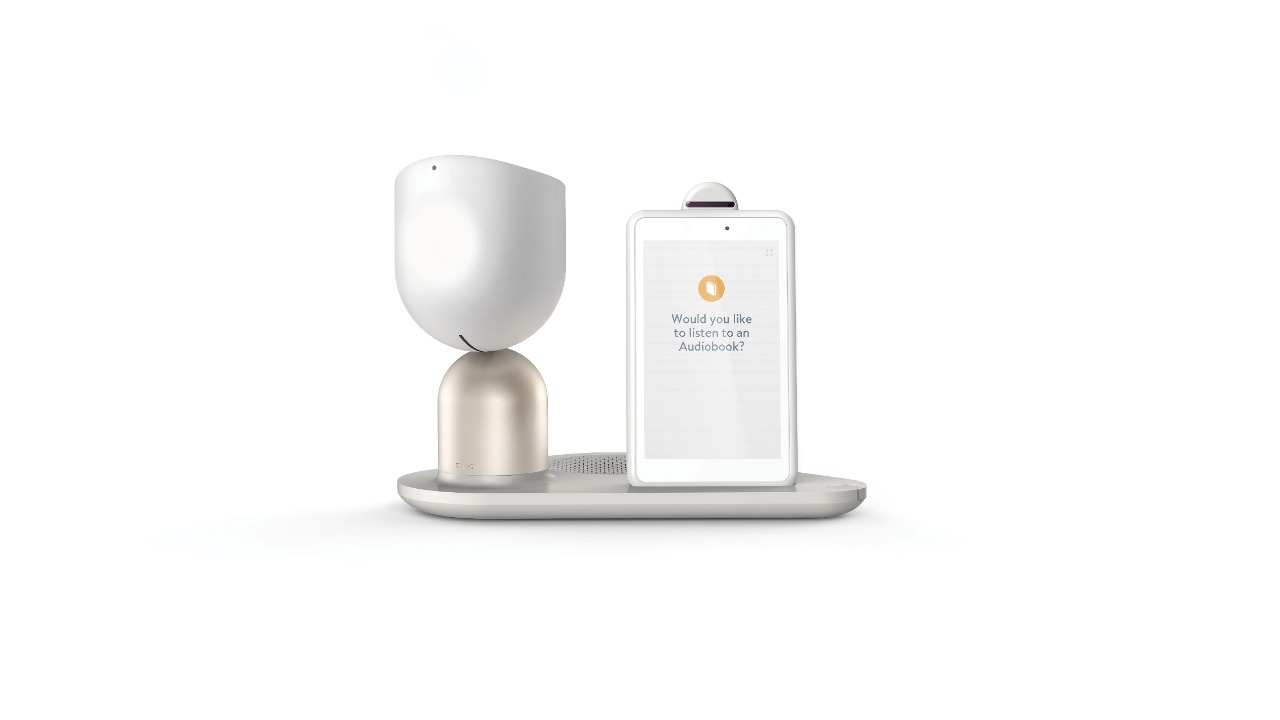
The AI companion robot ElliQ is a prime example of the successful implementation of robotic assistance in elderly care. Designed with unique features tailored for seniors, ElliQ has shown significant promise in enhancing the lives of its users. The robot is equipped with a proactive personality that encourages users to stay active and engaged, offering reminders for medication, suggesting activities, and even providing news updates.
ElliQ’s implementation has had a positive impact, with the New York State Office for the Aging reporting a 95% reduction in loneliness among its users. This success story showcases the potential of robotic assistants in transforming elderly care and providing seniors with a more fulfilling life.
The Future of Robotic Assistants in Elderly Care
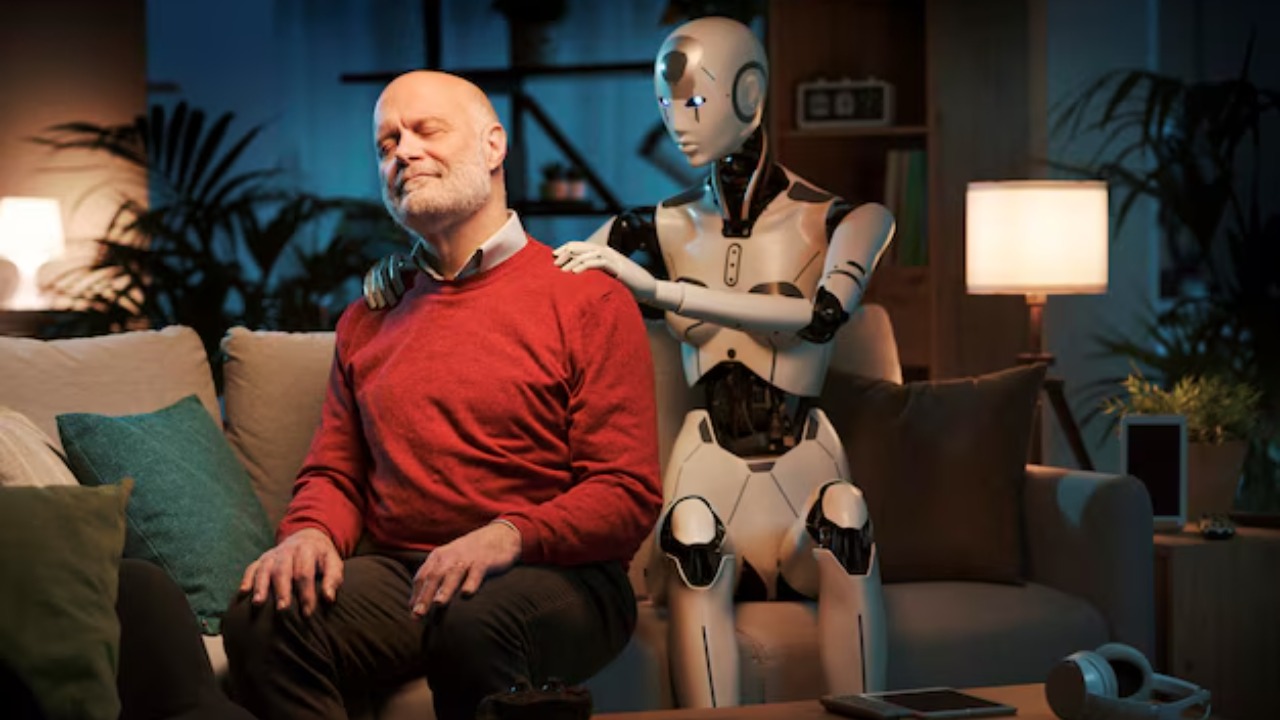
The future of robotic assistants in elderly care holds immense potential. Technological advancements and research in AI and machine learning are likely to bring about significant improvements in assistive robots. Future models might be capable of performing even more complex tasks, offering personalized care, and adapting better to the needs and preferences of individuals.
However, future challenges and opportunities also lie ahead. As we continue to integrate robots into elderly care, it’s essential to address ethical and technological issues, and continually improve the capabilities of these robotic assistants. Despite these challenges, there is no denying the potential impact of robotic assistants on the quality of life for seniors. As showcased in a Fierce Healthcare report, these advancements could contribute to happier and healthier lives for the elderly.