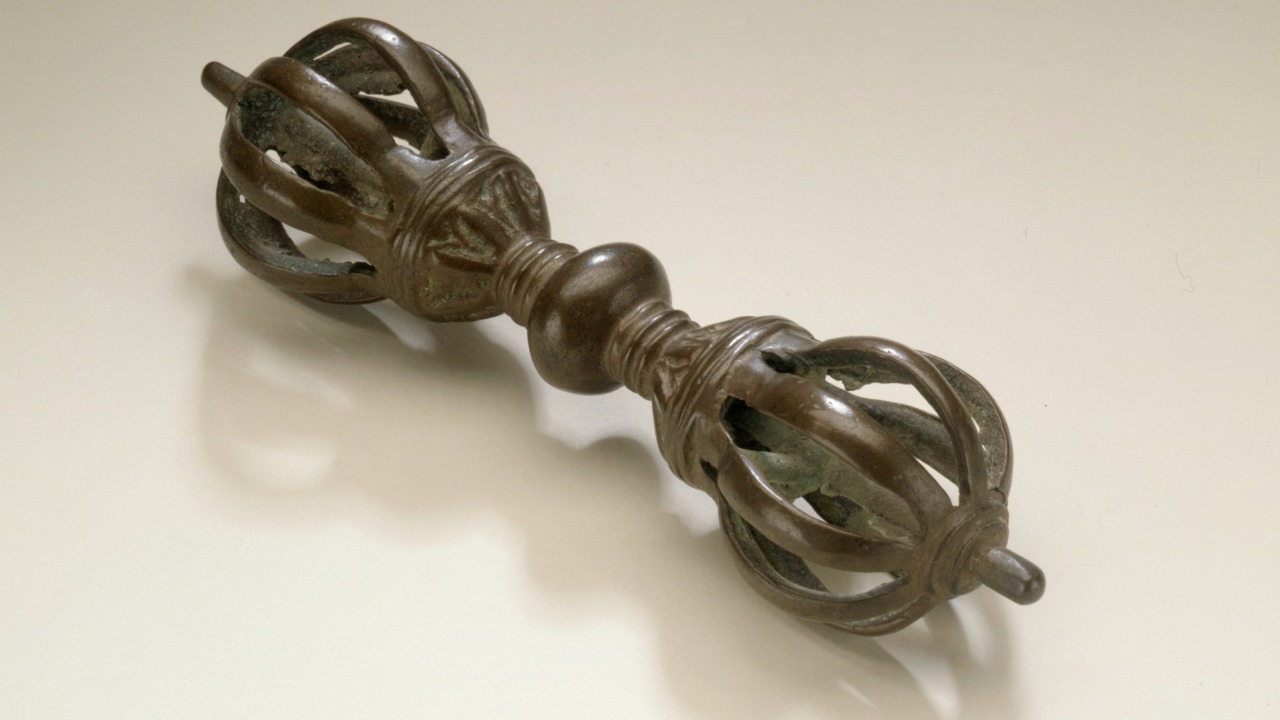

The recent uncovering of ancient Tibetan relics has shed light on the sophisticated toolmaking techniques employed by early human civilizations. This discovery not only offers a glimpse into the technical prowess of our ancestors, but also challenges our existing narratives about human evolution and migration.
Discovery of the Tibetan Relics

The Tibetan plateau, known as the “Roof of the World”, has proven to be a treasure trove of archaeological finds. The discovery of these relics is the result of meticulous efforts by archaeologists who braved the harsh, high-altitude environment. A detailed post on Facebook provides more insight into their admirable endeavor.
The artifacts found, which include a variety of tools, are believed to date back to the mid-Pleistocene period. The precise dating of these relics is still a subject of research, but the consensus among the archaeological community is that they are at least 30,000 years old. The personal accounts of the archaeologists involved in the excavation provide a fascinating narrative of the process and the thrill of unearthing such significant artifacts.
Analysis of the Advanced Toolmaking Techniques
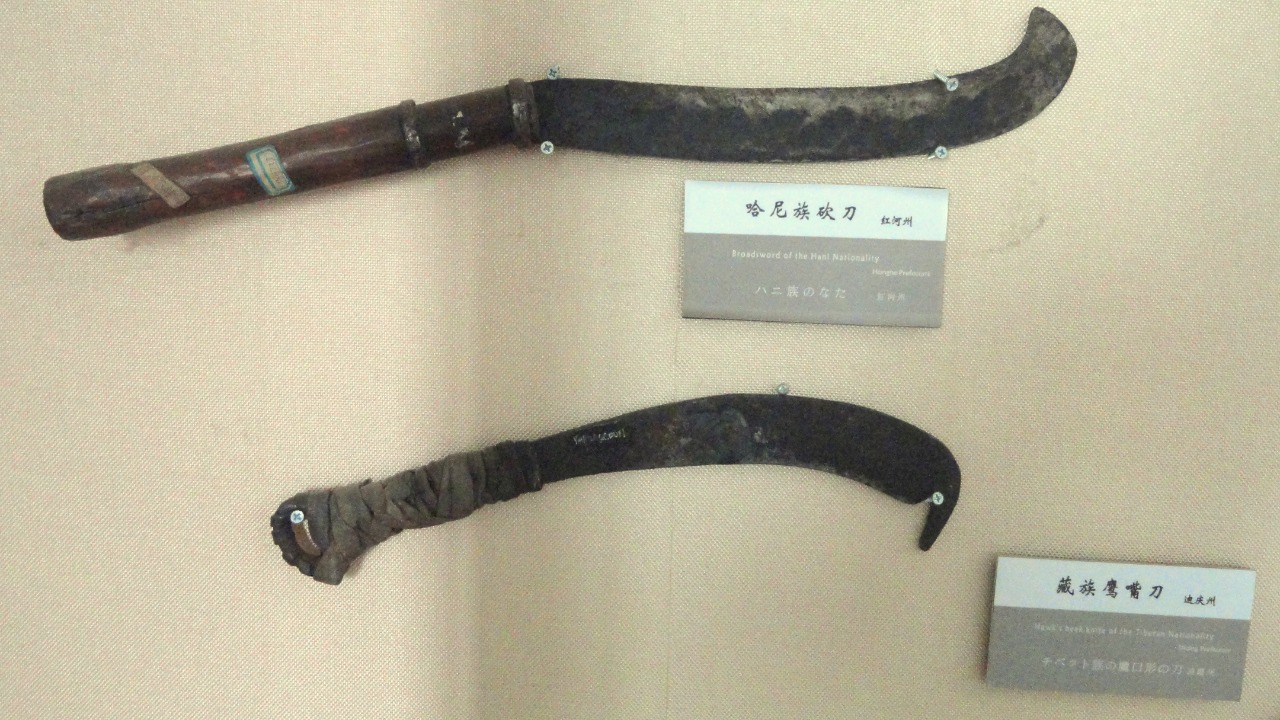
The relics unearthed in Tibet demonstrate a level of toolmaking sophistication that is intriguing. The intricacy of the design and the complexity of the techniques used in their creation suggest a higher degree of cognitive ability and technical skill than previously attributed to societies of that era.
When compared to contemporaneous toolmaking techniques from other parts of the world, the Tibetan examples stand out for their advanced craftsmanship. This Discover Magazine article provides a comparison of these toolmaking techniques. Further insights from experts, as published in this PNAS journal article, delve into the possible methods of ancient Tibetan toolmaking.
Implications for Understanding Early Human Civilizations

The discovery of these advanced tools has profound implications for our understanding of early human civilizations in the Tibetan plateau. These tools suggest a society with a complex social structure and cultural practices that supported such advanced toolmaking.
The findings also prompt a reevaluation of theories about early human migration and interaction. The presence of such advanced toolmaking in Tibet suggests the possibility of early human populations in this region influencing or being influenced by other societies. This GeoscienceWorld book chapter delves into this subject, offering a comprehensive discussion on these theories.
Technical Aspects of the Tibetan Tools
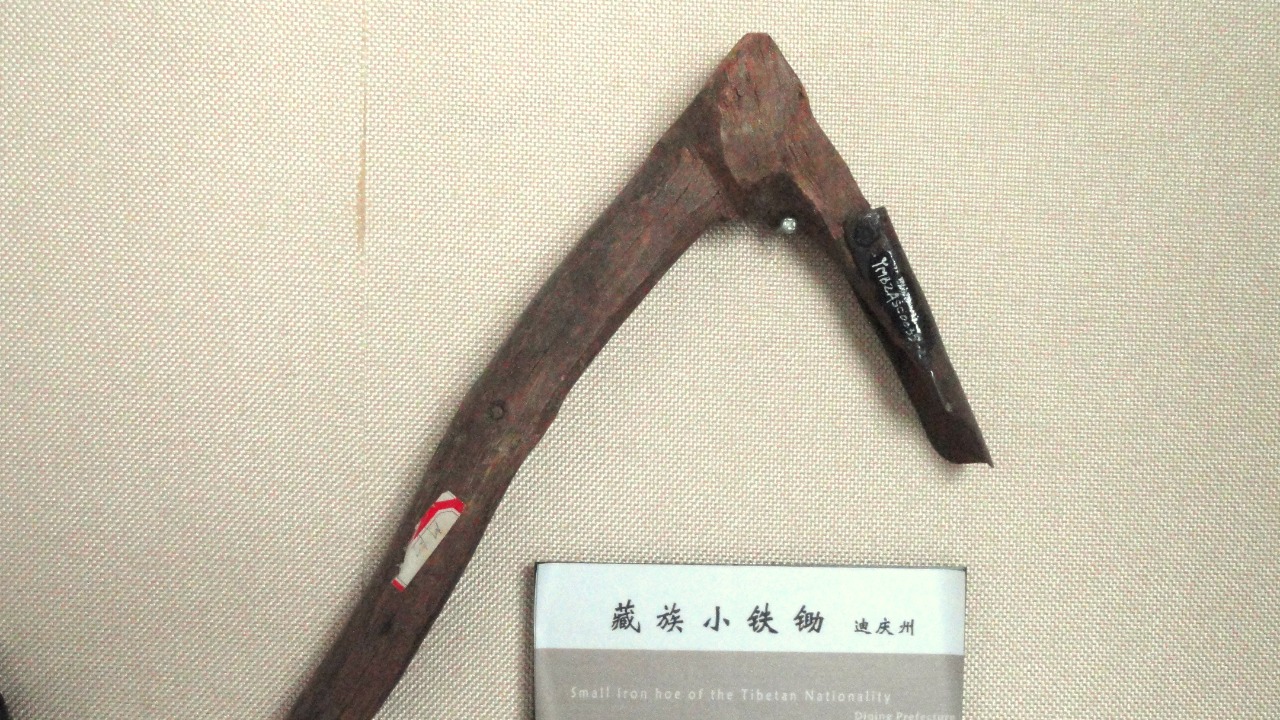
On a technical level, the Tibetan relics are a marvel. The materials used in the crafting of these tools, primarily different types of stones, were carefully selected and expertly manipulated. This careful choice of materials indicates a deep understanding of their properties, a level of knowledge that is surprising given the age of these artifacts.
The design and functionality of the tools were also remarkable. Tools for a variety of purposes were found, suggesting a society with a broad range of activities and needs. The efficiency and effectiveness of these tools, compared to similar artifacts from the same era, speak volumes about the advanced technical skills of their creators.
Broader Impact and Future Research

The findings from the Tibetan plateau have stirred up a wave of excitement in the fields of archaeology and history. The artifacts represent a significant leap forward in our understanding of human evolution, offering new perspectives on the capabilities of our early ancestors.
The potential impact of these findings cannot be underestimated. They open up new avenues for research, inviting scholars to revisit existing theories and hypotheses about human evolution and migration. This Google Books source provides more information about potential future research directions.