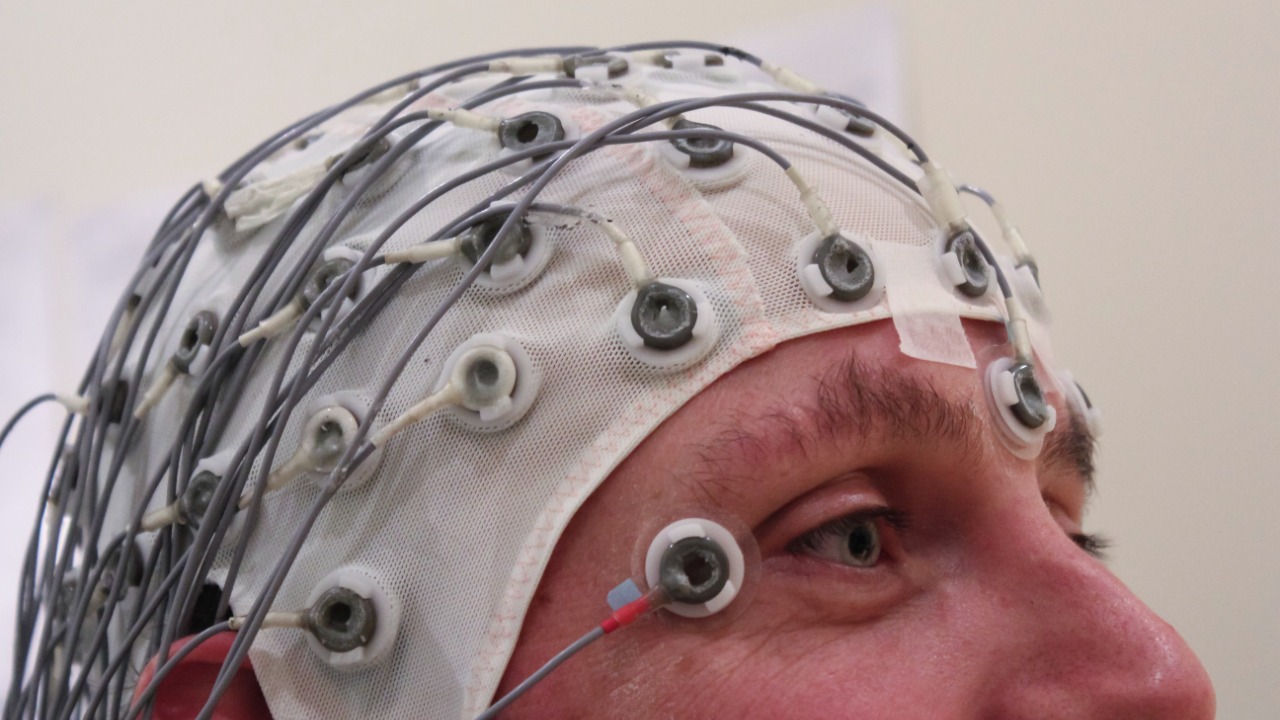

The emerging science of neural interface technology is raising the bar for how we interact with digital avatars, making what was once the realm of science fiction a tangible reality. This fascinating evolution of technology, its potential uses, and the science propelling it forward are worth exploring.
Understanding Neural Interface Technology

Neural interface technology is a rapidly evolving field that opens up the possibility of direct communication between the human brain and machines. It uses advanced algorithms and sensors to interpret brain signals and convert them into commands that can control digital avatars.
As it stands today, neural interface technology is still in its nascent stages, with extensive research being conducted in labs across the globe. It’s an exciting time, with breakthroughs happening regularly, and the potential applications are mind-boggling. Yet, the complexity of the human brain makes this a challenging field, and there’s still much we don’t understand.
The Science Behind Controlling Avatars with Thought
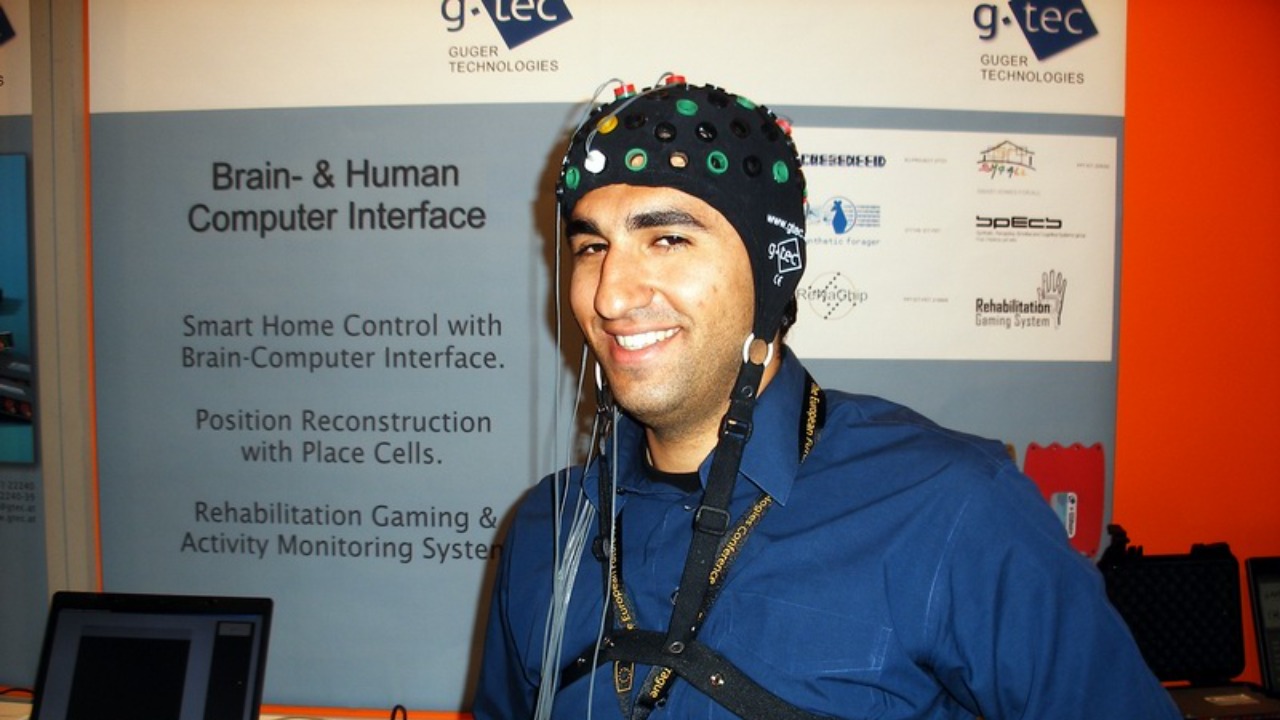
The process of controlling avatars with thought is fascinating. It involves capturing brain signals, often through electroencephalography (EEG), and then processing these signals using artificial intelligence algorithms. These algorithms interpret the signals and translate them into commands that are relayed to the avatar.
Many research studies have contributed to the development of this technology. One such study, for instance, demonstrates how neural interfaces can be used to control a robotic arm. This research provides valuable insights into how the technology might be applied in the future, especially in virtual environments.
Applications of Thought-Controlled Avatars
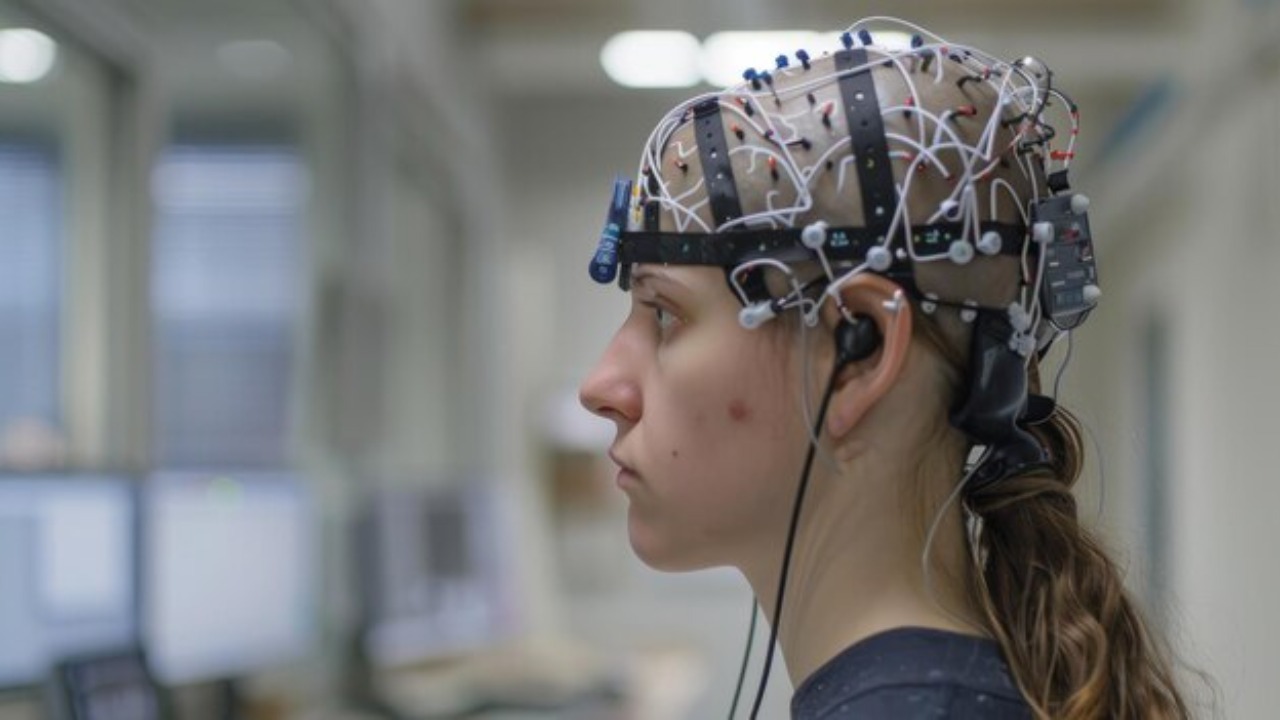
The applications of thought-controlled avatars are vast and varied, spanning numerous fields. In education, for example, this technology could be used to create immersive learning environments, where students can interact with educational content in a more engaging and intuitive way.
There are many companies investing in this technology, but one notable example is Apple. They have recently showcased a video demonstrating their new brain-controlled iPhone, which suggests that we may soon be able to control our smartphones and tablets using our thoughts.
Challenges and Future Developments

Despite its potential, neural interface technology faces several challenges. There are technical limitations to overcome, such as improving the accuracy of brain signal interpretation. Ethical and privacy concerns are also significant hurdles, as the technology involves accessing and interpreting highly personal data.
Looking towards the future, research in this field is set to continue at a rapid pace, with many fascinating developments on the horizon. A recent paper in Nature, for instance, discusses how future advancements in neural interface technology might allow us to control multiple avatars at once.
Case Study: Controlling an Avatar by Thought through fMRI

One area of study that offers particularly insightful results is the use of functional Magnetic Resonance Imaging (fMRI) to control avatars. fMRI provides high-resolution images of brain activity, which can be used to understand how specific thoughts correspond to certain actions in an avatar.
A compelling case study has shown that it’s possible to control an avatar by thought using fMRI. This research not only provides a glimpse into the future of avatar control but also underscores the potential impact of this technology on fields like healthcare, entertainment, and education.