
The cosmos has always fascinated us, with its vast expanses and mysteries that are yet to be fully understood. The development of advanced telescope technology has significantly expanded our cosmic understanding, providing us with unprecedented views of the universe by penetrating the obscuring cosmic dust clouds.
Advancements in Telescope Technology
The past few decades have witnessed a significant evolution in telescope technology. These advancements have greatly improved our understanding of the universe, enabling us to look further into space and observe phenomena that were previously beyond our reach. Among the technologies that have made a substantial impact is the ability to see through cosmic dust clouds, which often obscure distant astronomical objects and phenomena.
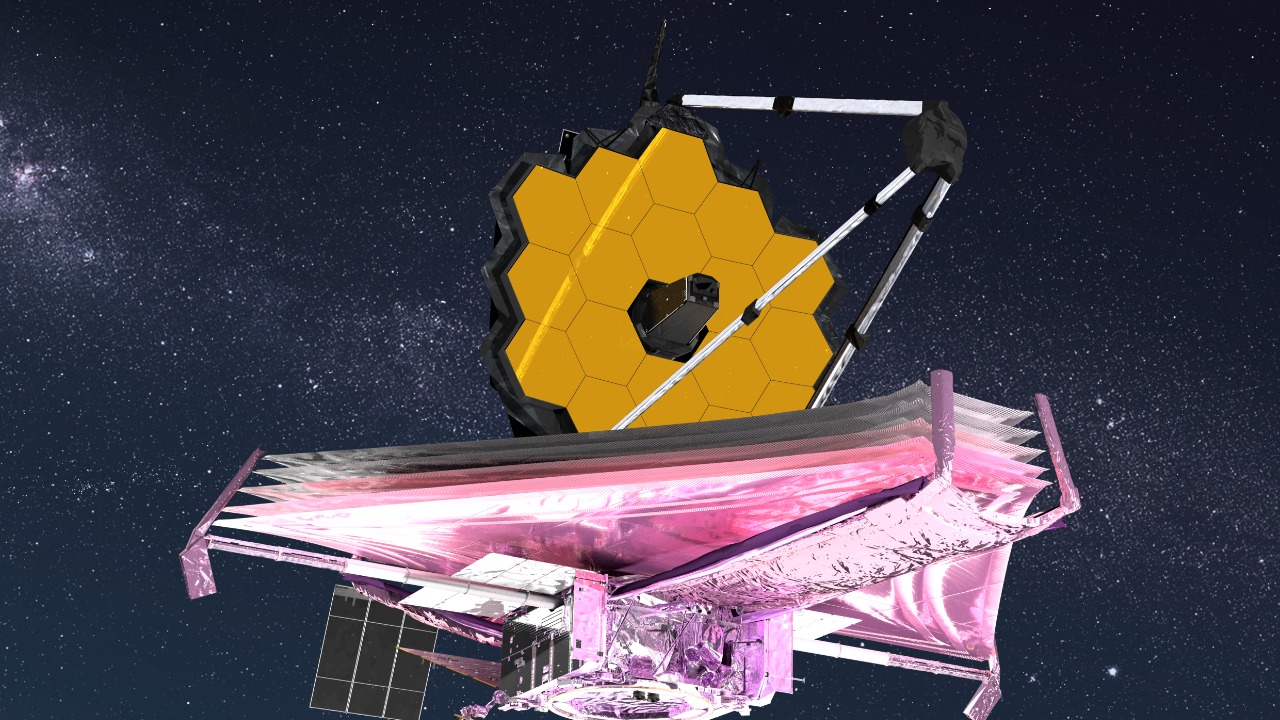
One of the most advanced telescopes that exemplifies this technological advancement is the James Webb Space Telescope. This telescope is equipped with tools that allow it to penetrate cosmic dust clouds, providing stunning and detailed views of distant galaxies, stars, and nebulae. This breakthrough has been made possible by the use of infrared technology, which can cut through the dust and provide clear images of what lies beyond.
Unveiling the Mysteries of Star Clusters

Among the most remarkable achievements of modern telescope technology is the ability to peer into dense star clusters such as RCW 38. These clusters, often obscured by thick layers of cosmic dust, are now visible thanks to the advanced infrared technology embedded in telescopes like the James Webb Space Telescope.
By observing these clusters, astronomers have gained important insights into star formation. The ability to view previously obscured areas has shed light on the processes that lead to the birth of new stars, enhancing our understanding of how our own solar system might have formed billions of years ago.
The Cosmic Dust Cloud Phenomenon
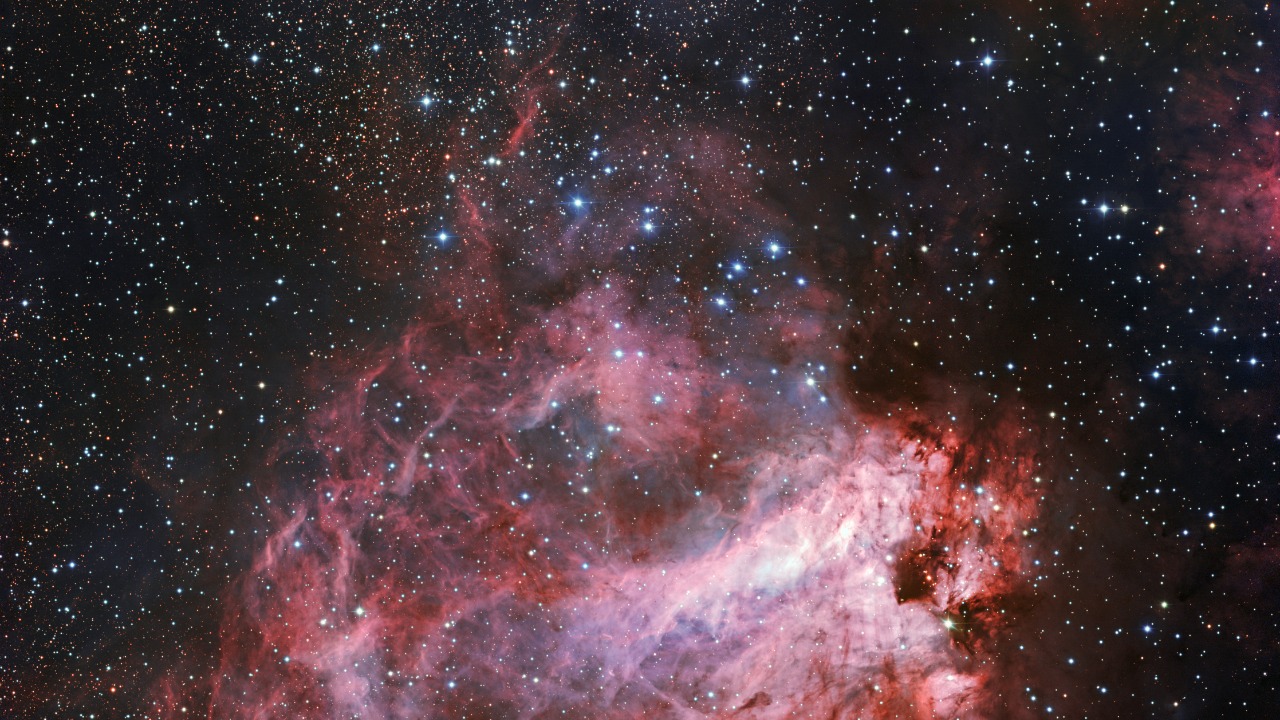
Cosmic dust clouds, or nebulae, are vast expanses of dust and gas scattered throughout the universe. They play a significant role in the universe as the birthplace of stars and planets. However, these dust clouds have long posed a challenge to astronomers, obscuring their view and restricting their ability to study distant celestial bodies.
Fortunately, advancements in telescope technology have overcome this limitation. The development of telescopes capable of seeing through dust clouds has allowed astronomers to observe and study phenomena that were previously hidden. This has opened up new avenues for research and significantly expanded our understanding of the universe. You can explore more about this fascinating phenomenon here.
The Webb Telescope’s Glimpse into Star Birth

The James Webb Space Telescope has made significant contributions to our understanding of star formation. This telescope’s ability to observe through cosmic dust clouds has enabled it to capture detailed images of various stages of star birth. The data collected from these observations have provided valuable insights into the early stages of star birth and the role of cosmic dust clouds in this process.
One of the most fascinating discoveries made by the Webb Telescope is the observation of a glittering glimpse of star birth. This observation has provided a deeper understanding of the complex processes that lead to the formation of stars, shedding light on the fundamental workings of our universe.
Looking to the Future: Pismis 24 and Beyond

The James Webb Space Telescope is not resting on its laurels. It has future plans to observe the Pismis 24 star cluster, one of the most massive and luminous star clusters in our galaxy. The observation of this cluster will provide valuable data and insights into the processes that lead to the formation of massive stars.
Astronomers hope to learn more about the life cycles of these massive stars and the role they play in the evolution of galaxies. These future observations promise to further expand our understanding of the universe and continue the revolution in astronomical observation that advanced telescope technology has started. For more information on this future endeavor, visit here.