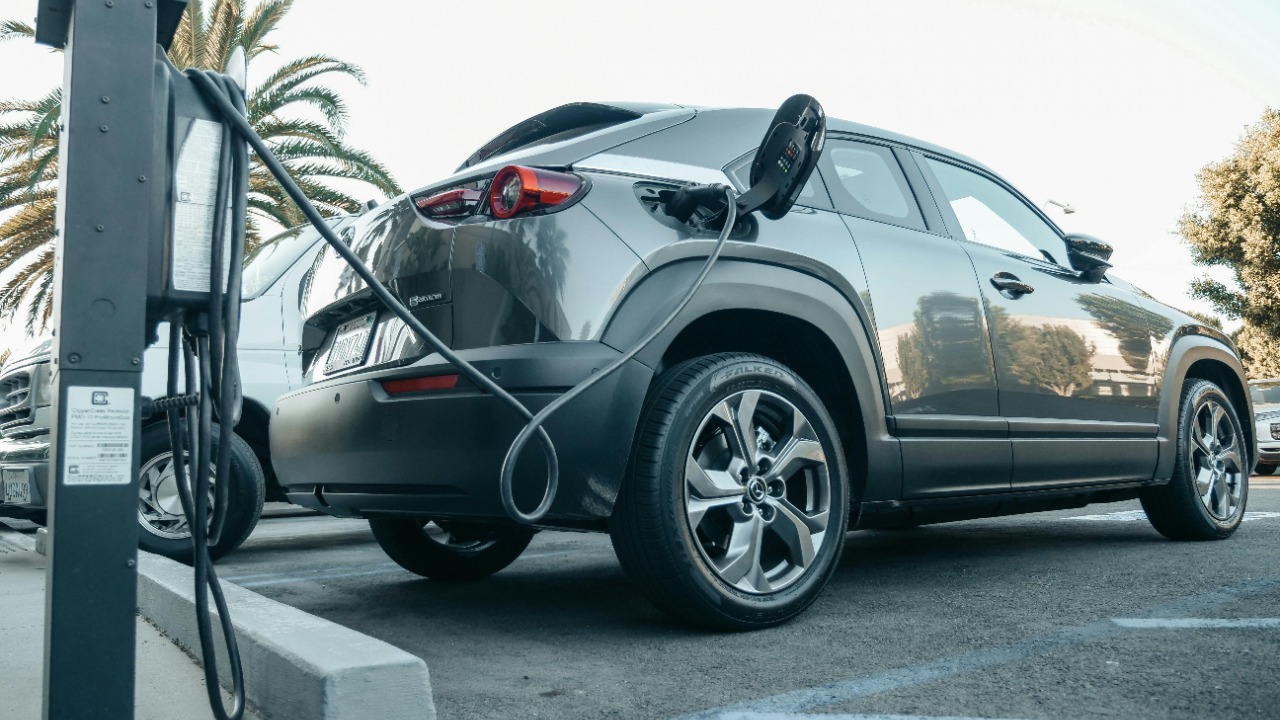

In the relentless pursuit of enhancing fuel efficiency and performance of electric vehicles (EVs), a recent development in material science has brought a promising solution to light. A new alloy has been developed that could potentially make EVs 30% lighter, a significant leap towards heightened efficiency and performance of these vehicles.
The Science behind the New Alloy

Composed primarily of magnesium with a mix of aluminium, zinc, and silver, this new alloy promises to revolutionize the automotive industry. The lightweight property of this alloy originates from its unique lattice structure. This structure is both compact and stable, which contributes to its low density, thereby resulting in a lighter material.
Various research studies have been conducted on this breakthrough alloy. Investigations into its mechanical properties and performance have revealed its potential to greatly benefit the automotive industry. These studies have consistently confirmed the alloy’s superior strength-to-weight ratio, which is a crucial factor in its potential to make vehicles lighter.
Implications for EV Efficiency and Performance

The new alloy’s lightweight property could significantly improve the efficiency of electric vehicles. A lighter vehicle requires less energy to move, meaning that the battery life could be extended, leading to an increase in the driving range of EVs. Furthermore, a reduction in vehicle weight can enhance acceleration and handling, thus improving overall performance.
The implications of this new alloy for EVs are indeed profound. With the potential for a 30% reduction in weight, EVs could see a substantial increase in their range. This not only enhances the attractiveness of EVs to potential buyers but also moves the industry closer to achieving sustainability goals.
Challenges in Implementing the New Alloy in EV Production
However, like with any new technology, there are challenges in implementing this new alloy into EV production. Manufacturing difficulties could arise, particularly relating to cost and scalability. The production process of this alloy may require more advanced and expensive equipment than what is currently used for traditional materials like steel and aluminum. Additionally, the scalability of alloy production still needs to be proven, as producing the alloy in bulk could present unforeseen challenges.
There are also durability and safety concerns that need to be addressed. Although research studies indicate the alloy’s high strength-to-weight ratio, further tests are needed to ensure its durability under different driving conditions and in the event of collisions. Ongoing research and development efforts are crucial to overcoming these challenges and paving the way for the alloy’s practical application in EV production.
Comparison with Existing Automotive Materials

When compared to traditional automotive materials like steel and aluminum, the new alloy shows considerable promise. It not only weighs less but also demonstrates superior strength and durability, making it an attractive candidate for future automotive manufacturing. However, the new alloy does come with its own set of challenges, as previously discussed, which could impact its broad-scale adoption.
The advantages of this alloy over traditional materials are clear, but the transition will not be without its hurdles. Nevertheless, the potential of this alloy to replace traditional materials in the future is undeniable, particularly in light of the global push towards more sustainable and efficient vehicles.
Future Prospects and Implications for the Automotive Industry
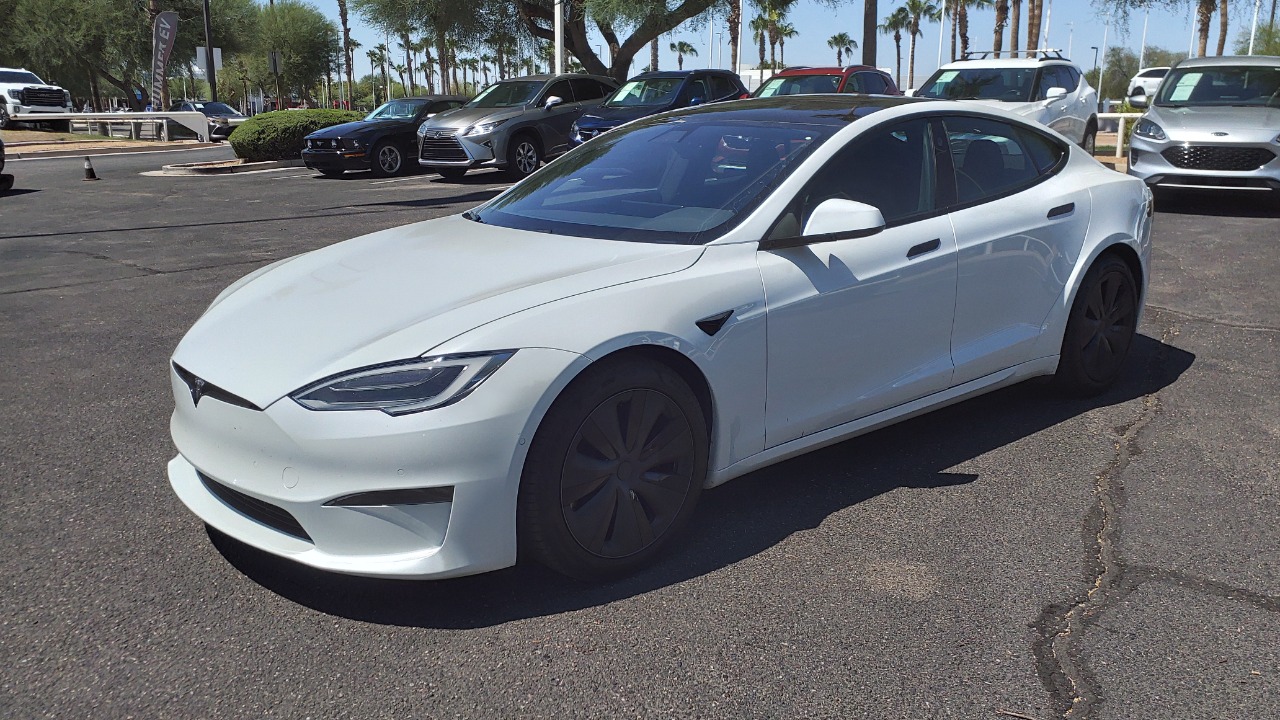
The potential impact of this development on the broader automotive industry is immense. Beyond just electric vehicles, this alloy could also find use in conventional, non-EV vehicles, further enhancing fuel efficiency and performance across the board. This development could also influence future trends in automotive design and manufacturing, pushing the industry towards more innovative and efficient solutions.
The implications for the global push towards more sustainable and efficient vehicles are significant. With the potential to reduce vehicle weight by 30%, this new alloy represents a major step forward in the global drive to reduce carbon emissions and combat climate change. The continuous drive for lighter, stronger automotive metals is a testament to the industry’s commitment to achieving these goals.