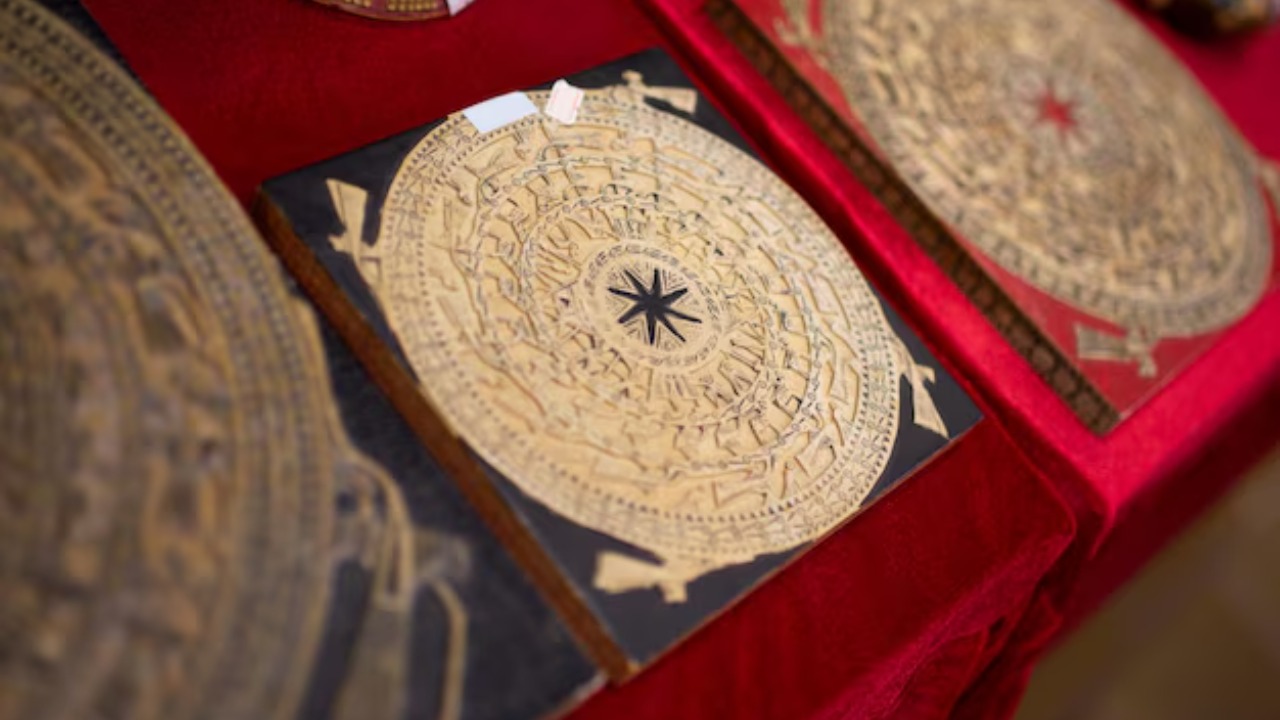

Recent findings from ancient Korean texts provide fascinating evidence of early compass use. This discovery sheds new light on the development of navigation tools throughout human history and challenges conventional beliefs about the invention of the compass.
Understanding the Compass and its Historical Significance

The compass is a navigational instrument that shows direction relative to the geographic cardinal directions. It operates on the principle of magnetism, where the needle aligns itself with the Earth’s magnetic field. The invention of the compass had a transformative effect on navigation and exploration, allowing mariners to venture further into the unknown. Traditionally, it is believed that the compass was invented in China during the Han Dynasty. This belief, however, is being challenged by recent studies of ancient Korean texts.
Compasses have played a significant role in human history, particularly in the realm of sea exploration. They allowed sailors to navigate more accurately, leading to the discovery of new lands and trade routes. The Chinese are credited with the invention of the first compass, known as the “south-pointing spoon”, around the 2nd century BC. However, recent studies suggest that the Koreans might have used a similar device even earlier. This assertion is based on detailed analysis of ancient Korean texts.
The Significance of Korean Texts in Compass History
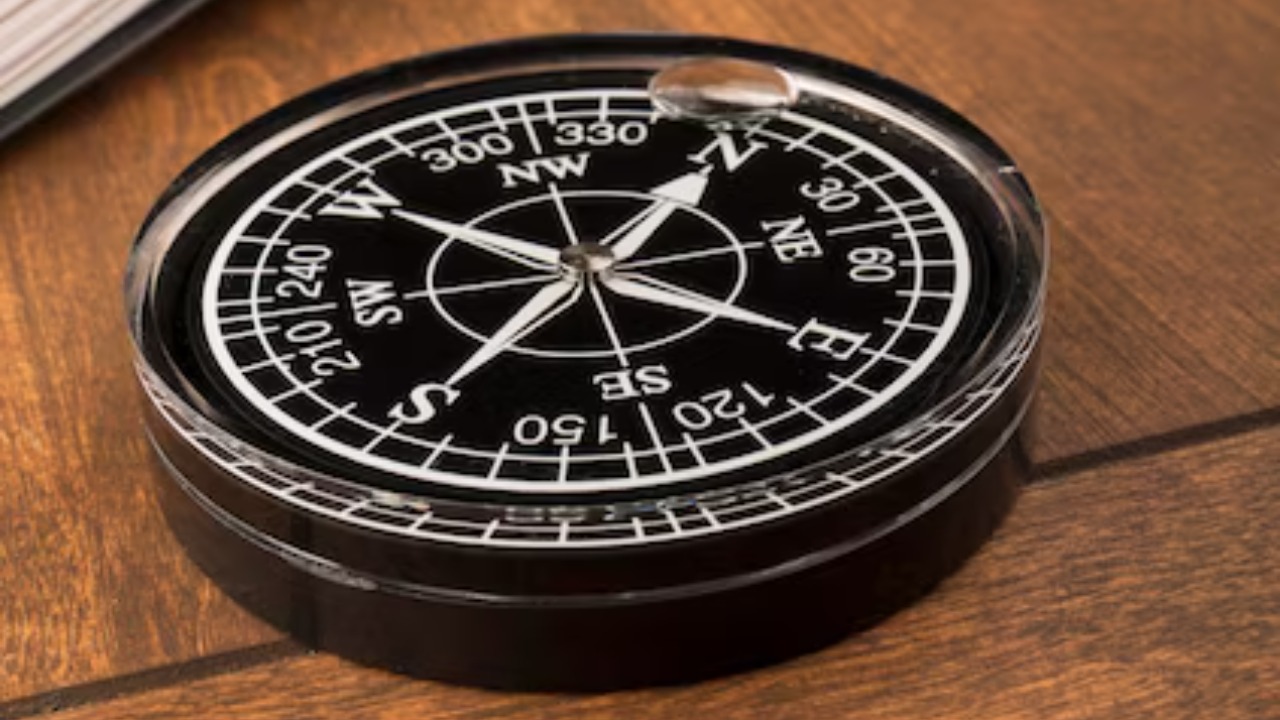
Ancient Korean texts provide rich and detailed descriptions of compass-like devices. The language and imagery used to describe these devices give us a clear picture of their function and design. For instance, one text describes a “pointing needle” that aligns itself to the cardinal directions. This is strikingly similar to how a compass operates.
Furthermore, these texts provide descriptions that match historical records of early compasses. For example, the “south-pointing spoon” described in the Chinese texts is remarkably similar to the “pointing needle” mentioned in the Korean texts. This suggests that the Koreans may have developed a similar navigation tool around the same time, if not earlier. More information about these texts can be found here.
Implications of Early Compass Use in Korea

The early use of compasses in Korea had a profound impact on their society and culture. For instance, it revolutionized sea navigation and trade, enhancing Korea’s economic prosperity. Early compasses might have also influenced Korean architecture and religious practices, particularly in determining the auspicious direction for building temples and houses.
Moreover, the use of compasses could have shaped Korea’s relationships with neighboring countries. With the aid of these navigation tools, Koreans could venture further afield, establishing trade and diplomatic relations with distant lands. This Reddit thread provides more insights on how directions were significant in ancient Korean culture.
Challenging Conventional Beliefs about Compass Origins

The findings from the Korean texts challenge the widely accepted belief that China was the birthplace of the compass. This has sparked scholarly debates and raised questions about the technological advancements of ancient civilizations. The early use of compasses in Korea suggests that technological innovation was not exclusive to one civilization, but a global phenomenon. More about this can be read here.
This discovery has the potential to reshape our understanding of the history of technology and navigation. It underscores the need for a more inclusive narrative that acknowledges the contributions of various cultures to the development of important tools such as the compass.
Next Steps in Research and Study

This discovery underscores the need for further research to validate and expand on these findings. Comparative analysis with other ancient texts and archaeological research can provide more concrete evidence of early compass use in Korea. Additionally, the study of cultural artifacts can reveal more about how the compass was used in everyday life and its impact on society.
Continued exploration of historical texts and artifacts is vital for enhancing our understanding of human history. As we unearth more evidence, we gain a clearer picture of how our ancestors lived and innovated. The study of ancient Korean texts is just one example of how this can be achieved. Further insights on early compass use can be found in this book.