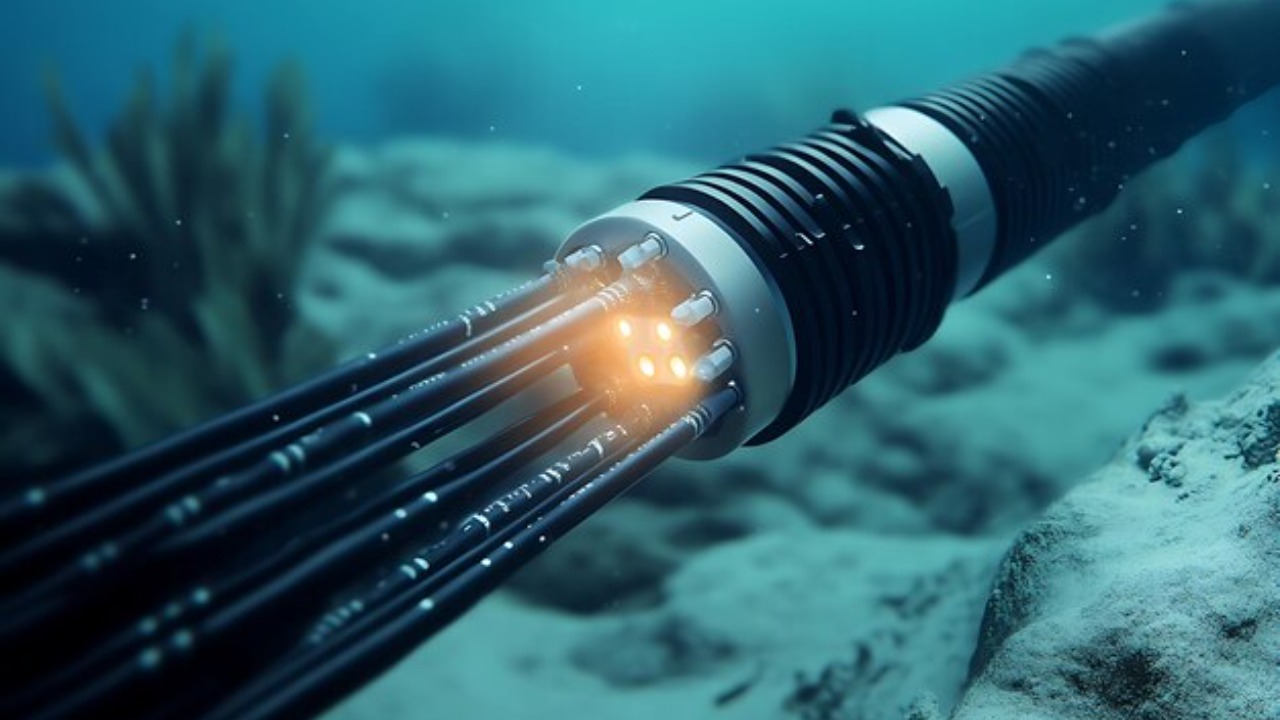

The recent deployment of a new deep-sea cable has resulted in a significant 50% increase in internet speeds, enhancing online experiences and boosting digital connectivity. Let’s delve into the technology behind this incredible advancement, its impact on consumers, and its geopolitical ramifications.
The Science Behind Deep-Sea Cables
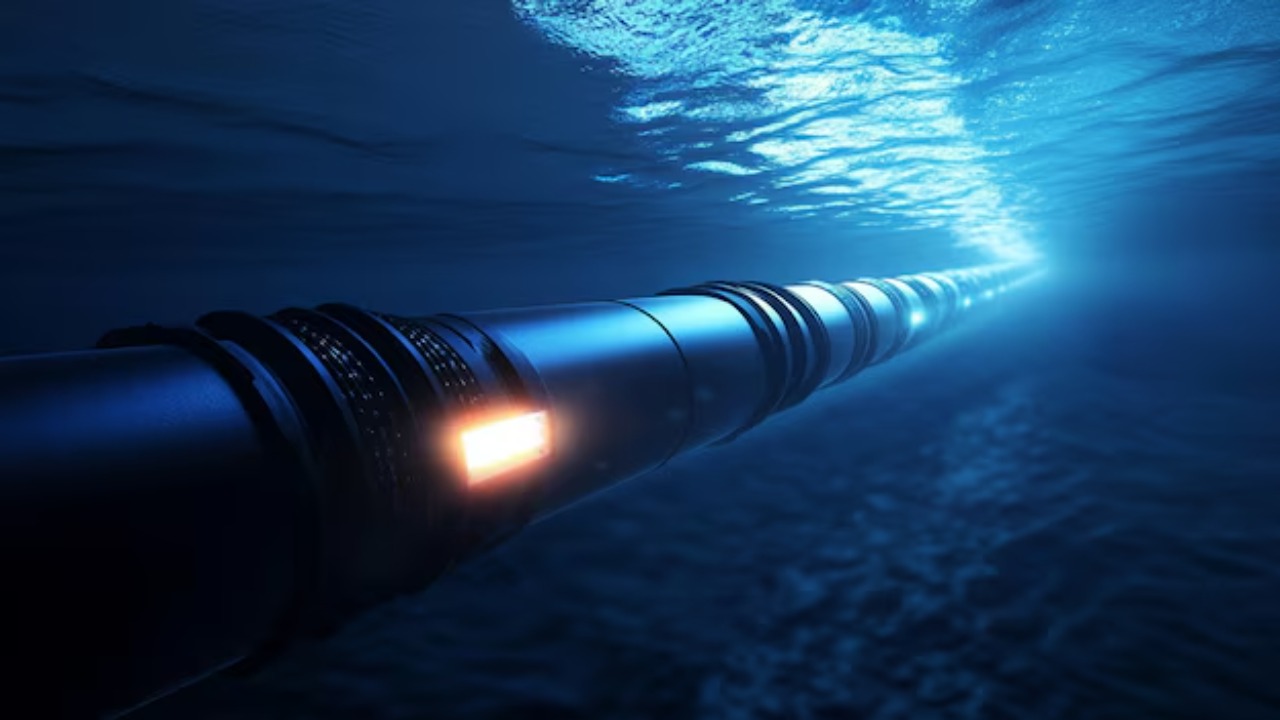
Submarine communication cables are the backbone of the internet. These cables, often less than the width of a soda can, carry almost all international data. They work by transmitting light signals over long distances using optical fiber technology. The light signals are then converted into digital data at their destination, allowing for the transfer of large amounts of information at high speeds.
The new deep-sea cable has boosted internet speed by an impressive 50%. This significant increase is due in part to technological advancements in optical fiber and repeater technology. Repeaters are devices installed along the length of the cable that amplify the light signals to prevent loss of data. Modern repeaters are more efficient, allowing for faster and more reliable data transmission.
The Installation and Maintenance of Deep-Sea Cables

Laying a submarine cable is a complex process. It involves surveying the seabed to find the best route, laying the cable using special ships, and then burying it to protect it from damage. The new deep-sea cable was installed using these methods. This process is both challenging and costly, but the resultant increase in internet speed is well worth the effort.
Maintaining these cables is also a significant challenge. They can be damaged by natural events such as earthquakes and human activities like fishing and anchor drags. However, there are measures in place to protect these cables, including burying them in the seabed and implementing maritime zones where certain activities are restricted to minimize damage.
Implications for Internet Users

The 50% increase in internet speed due to the new deep-sea cable has a profound effect on everyday internet usage. Faster internet means quicker downloads, smoother streaming, and more efficient online work. This speed boost is particularly beneficial for businesses that rely heavily on the internet for their operations, such as e-commerce companies and digital service providers.
Moreover, this advancement is helping to bridge the digital divide. Faster and more reliable internet can increase digital inclusion, especially in remote areas where internet connectivity has historically been a challenge. A report by McKinsey highlights the potential of submarine cables to boost internet access in Africa, showcasing the transformative power of this technology.
Geopolitical Aspects of Deep-Sea Cables

Submarine cables not only play a crucial role in global communication but also have significant geopolitical implications. They are strategic assets that influence international relations, as nations rely on them for everything from financial transactions to military communications.
Moreover, these cables are also a concern for national security and cyber warfare. As a Real Clear Defense article explains, underwater cables could be targeted in conflicts to disrupt communications. Additionally, the regulatory and legal aspects surrounding deep-sea cables are complex and involve international agreements to ensure their protection and fair use.
The Future of Deep-Sea Cables and Internet Connectivity
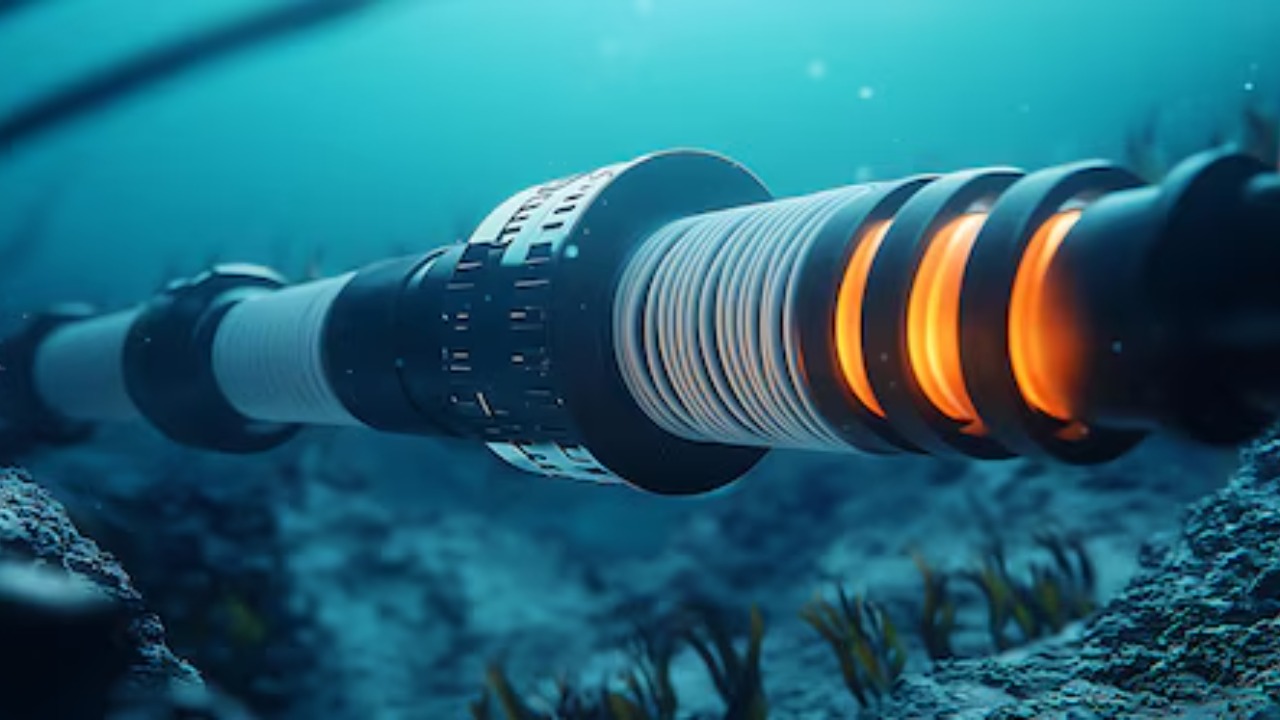
As technology evolves, so too does submarine cable technology. Emerging trends include more advanced repeaters, higher-capacity optical fibers, and even quantum communication. These advancements could potentially boost internet speeds even further, enhancing global connectivity.
Deep-sea cables will continue to play a crucial role in shaping the future of the internet. As more people come online, and as our reliance on digital services grows, the need for reliable, high-speed internet will only increase. The secret life of the 500 cables that run the internet under the sea will continue to be a critical part of our connected world.