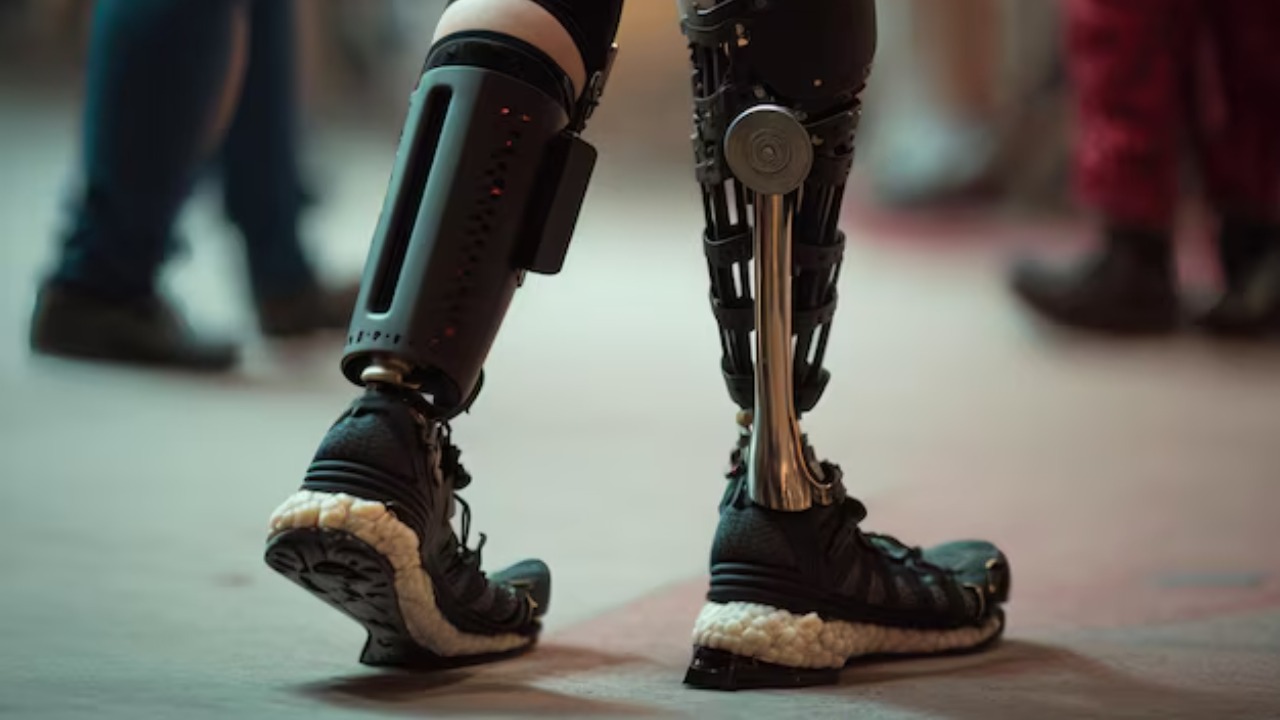

In recent years, the field of prosthetics has seen remarkable innovations, one of which is the development of pain-sensing bionic limbs. By emulating the natural functionality and pain perception of human limbs, these advanced prosthetics are designed to self-regulate and prevent overuse, taking the world of rehabilitation science a leap forward.
The Science Behind Bionic Limbs
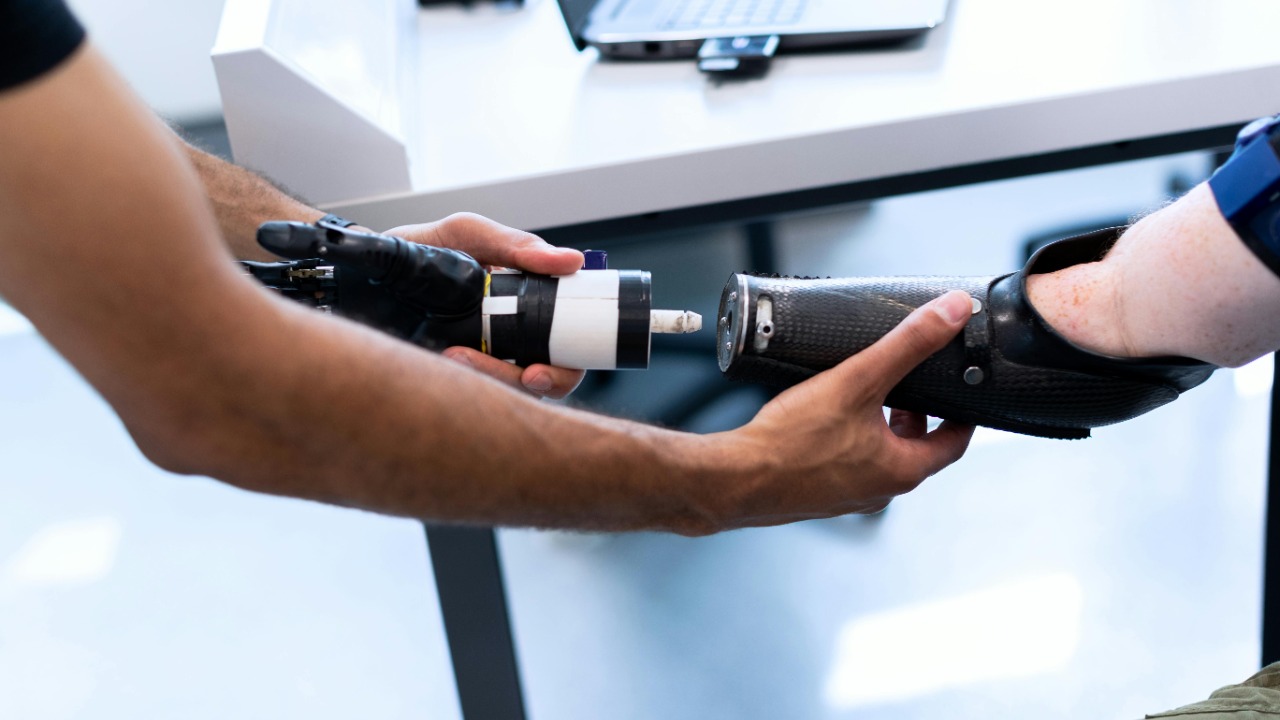
Understanding the technology behind bionic limbs requires a look into the intricate blend of biomechanics, electronics, and neurology. These artificial limbs emulate human functionality by replicating our musculoskeletal structure and utilizing advanced algorithms that interpret nerve signals from the amputee’s residual limb. The goal is to allow for intuitive control, much like how we naturally move our arms and legs.
One significant advancement is the integration of pain perception into bionic limbs. This is achieved via a complex system of sensors and actuators that can detect pressure, temperature, and other stimuli. When an action that could potentially harm the limb occurs, the system sends a warning signal, emulating the sensation of pain. This pain perception allows the limb to self-regulate and prevent damage due to overexertion.
Benefits of Pain-Sensing Bionic Limbs
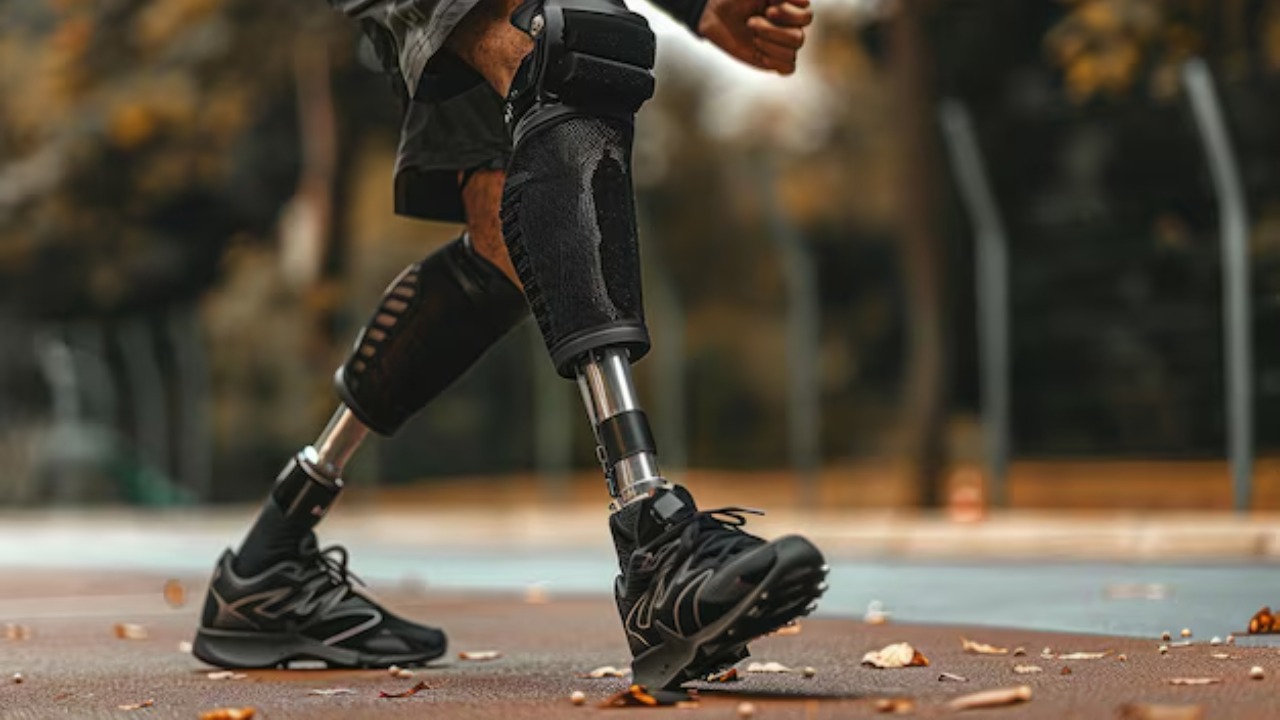
The primary benefit of pain-sensing bionic limbs is the prevention of overuse. Similar to how our natural limbs alert us to stop when we’re doing something that could cause damage, a pain-sensing bionic limb can deliver a warning signal to the user. This feature is crucial for the longevity of the device and the safety of the user, as ignoring such warnings can lead to serious damage to the bionic limb.
Beyond safety, these prosthetics offer improved functionality, leading to a better quality of life for the user. With a pain-sensing bionic limb, users can perform tasks that require a higher degree of dexterity and mobility. Whether it’s basic activities like picking up a cup or more complex tasks like playing a musical instrument, these limbs can significantly enhance the user’s independence and self-confidence.
Potential Drawbacks and Challenges
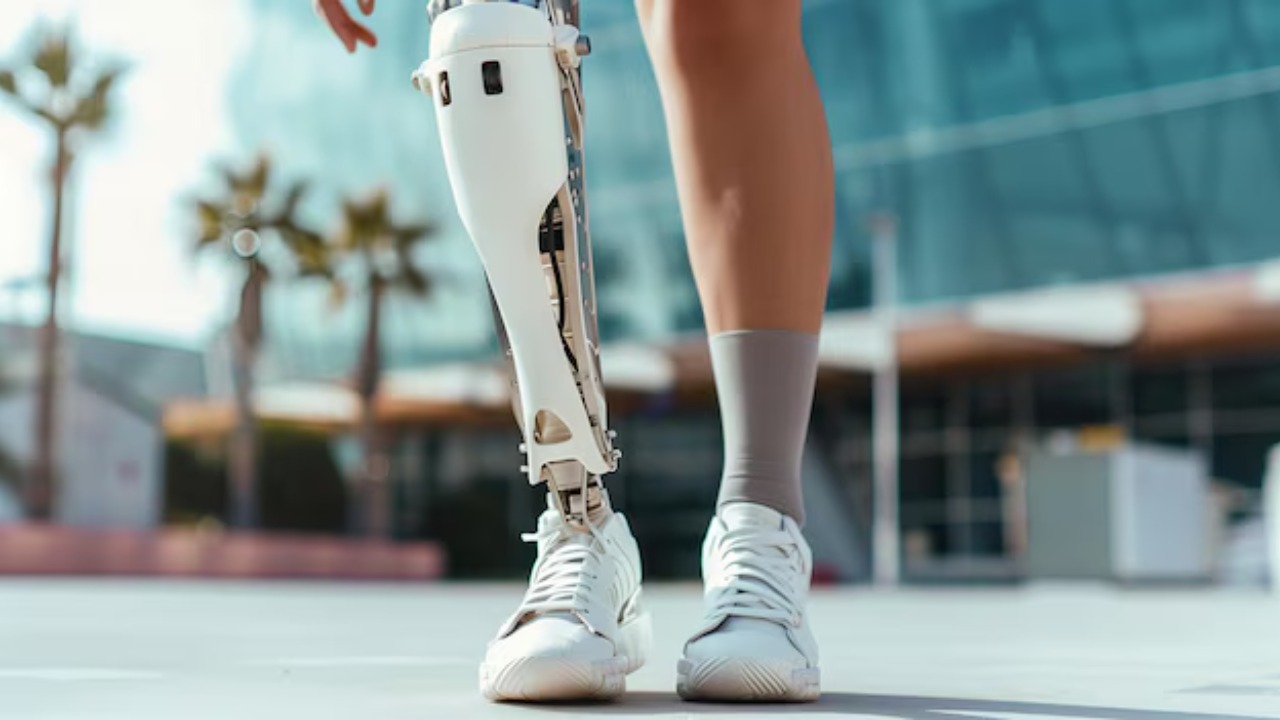
While pain-sensing bionic limbs present numerous advantages, they also bring about ethical considerations. The concept of artificial limbs sensing pain raises questions about the extent to which we should mimic human functionality. Some argue that the purpose of prosthetics is to improve the user’s life, and the introduction of pain, even if it’s artificial, may detract from that goal.
There are also technological challenges to consider. Translating pain signals into a format that the wearer can understand and respond to is not an easy task. Creating an effective communication system that can convey the severity and location of the perceived pain is an ongoing challenge in this field.
Real-life Implementations
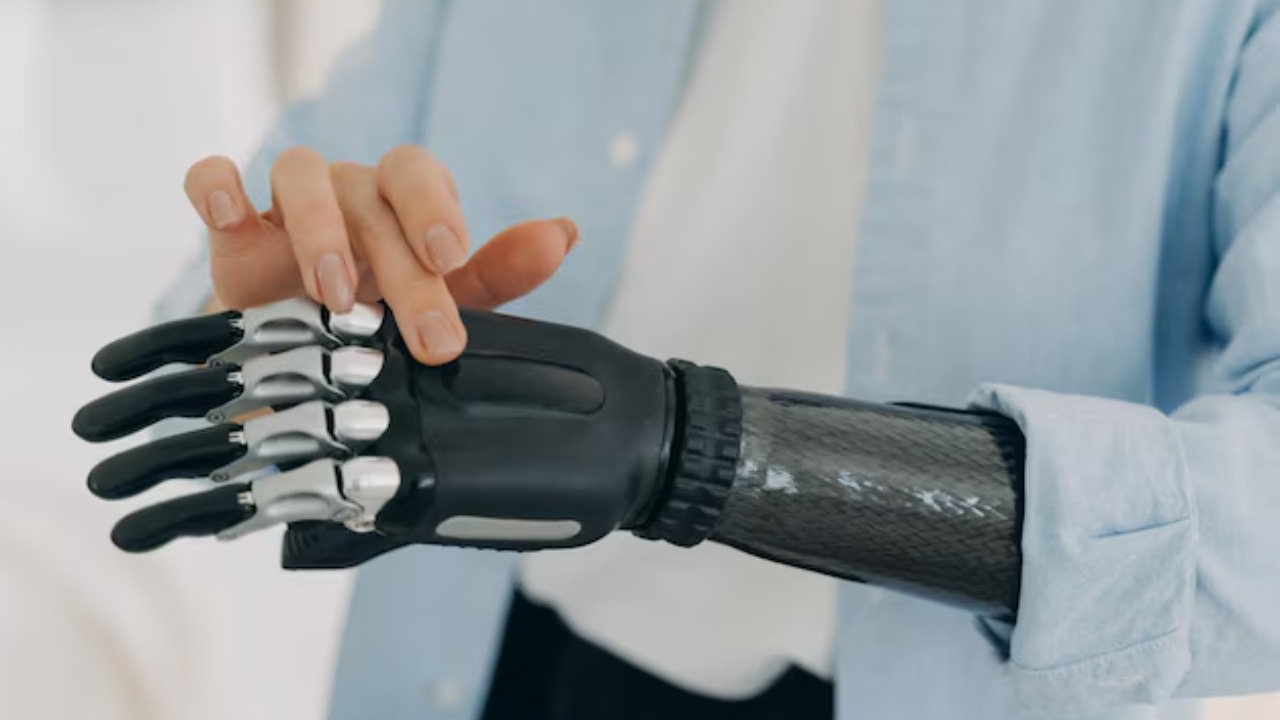
Pain-sensing bionic limbs are more than just a concept on paper. In real-life, individuals have already benefited from this technology. For instance, a patient at the Indianapolis YMCA VA Clinic was able to regain his independence and return to his passion for painting, thanks to his pain-sensing bionic arm.
Medical institutions play a significant role in the advancement of this field. The Cleveland Clinic, for example, is at the forefront of prosthetic technology, conducting research and offering advanced prosthetic arms to its patients. Their work in this area is contributing to the development and refinement of pain-sensing bionic limbs.
The Future of Bionic Limbs
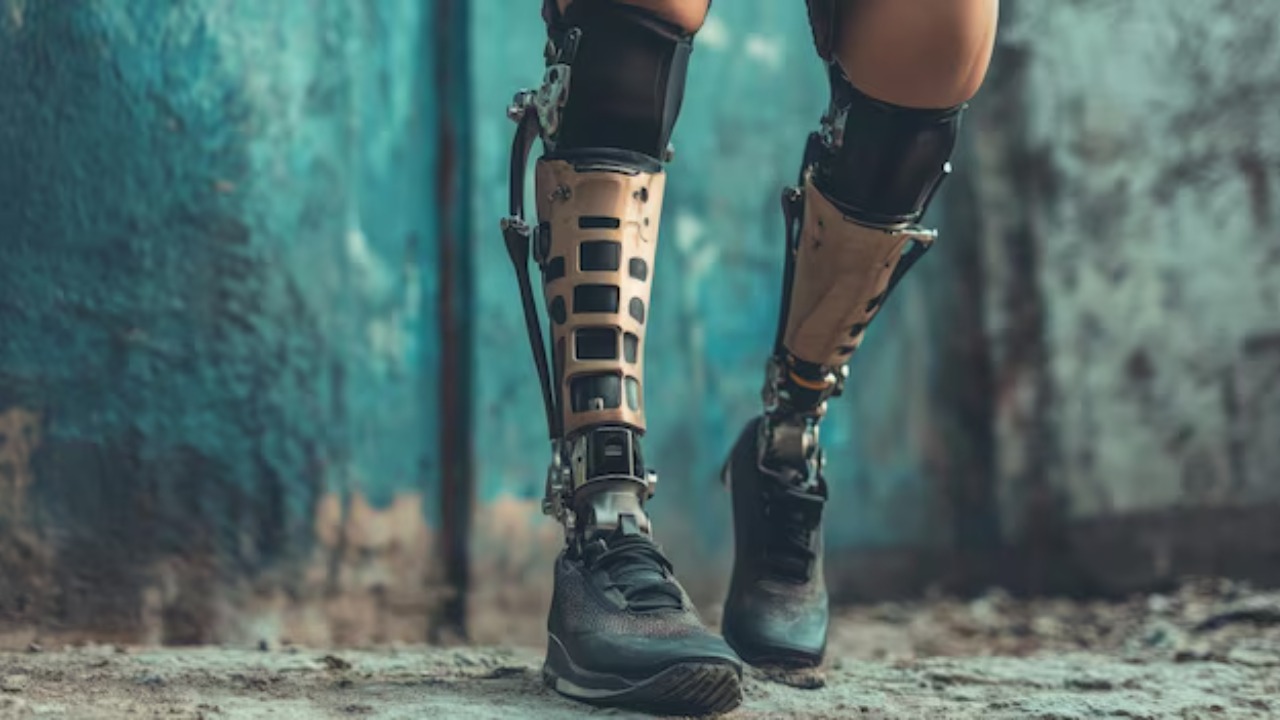
As we look to the future, there’s immense potential for further improvements in this technology. The integration of artificial intelligence and machine learning could lead to even more intuitive and responsive bionic limbs. Advanced materials could make the prosthetics lighter and more durable, while wireless technology could facilitate seamless connectivity for real-time adjustments and updates.
The broader implications of pain-sensing bionic limbs are profound. This technology is set to revolutionize the future of prosthetics and rehabilitation science. The advent of these limbs can give hope to countless amputees, offering them the chance to regain lost functionality and lead a more fulfilling life. As we continue to push the boundaries of what’s possible, the future of bionic limbs is undoubtedly an exciting one.