

With advancements in architectural design, smart windows have emerged as a game-changing innovation. These revolutionary windows not only enhance the aesthetics of buildings but also make them more energy-efficient. By adjusting their tint in response to external and internal conditions, smart windows have the potential to save up to 20% of the energy typically used for heating, cooling, and lighting.
Understanding Smart Windows

Simply put, smart windows are windows that are designed to control the amount of sunlight, heat, and glare that enters a room. This is done using a range of technologies that adjust the glass tint, opacity, or temperature in response to changes in the external environment or through manual control. The basic function of smart windows is to enhance the comfort of the occupants while reducing the energy used in heating, cooling, and lighting.
There are different types of smart window technologies, each with its unique method of operation. Some commonly used technologies include electrochromic, photochromic, thermochromic, and suspended particle devices. Electrochromic windows, for instance, use a small amount of electricity to change their tint, while photochromic windows respond to changes in light intensity. Thermochromic windows change their tint with temperature variations, and suspended particle devices allow users to manually control the amount of light entering through a switch.
The Science Behind Tinting

Smart windows adjust their tint based on the changing conditions of the environment. This is achieved through the application of various principles of physics and chemistry. For instance, in thermochromic windows, materials such as vanadium oxide are used which change their optical properties at different temperatures. When the temperature rises, the material changes its structure, thus altering the amount of light and heat it absorbs or reflects.
Thermochromic glazing is an essential component of smart windows, as it plays a significant role in energy conservation. By adjusting the window’s tint in response to temperature changes, it reduces the need for artificial heating and cooling, thereby saving energy. Additionally, it also reduces the need for artificial lighting, as it allows optimal sunlight to enter the room.
Energy Savings and Environmental Impact

Smart windows contribute to significant energy savings. According to research, they have the potential to save up to 20% of the energy typically used for heating, cooling, and lighting. This is because smart windows reduce the need for artificial heating and cooling by controlling the amount of sunlight and heat that enters a room. They also reduce the need for artificial lighting by allowing optimal natural light in.
Moreover, by reducing the energy consumption of buildings, smart windows also play a crucial role in reducing the carbon footprint. The energy used in buildings accounts for a significant portion of global carbon emissions. Therefore, by making buildings more energy-efficient, smart windows are helping combat climate change and promote sustainability.
Smart Windows in Architectural Design
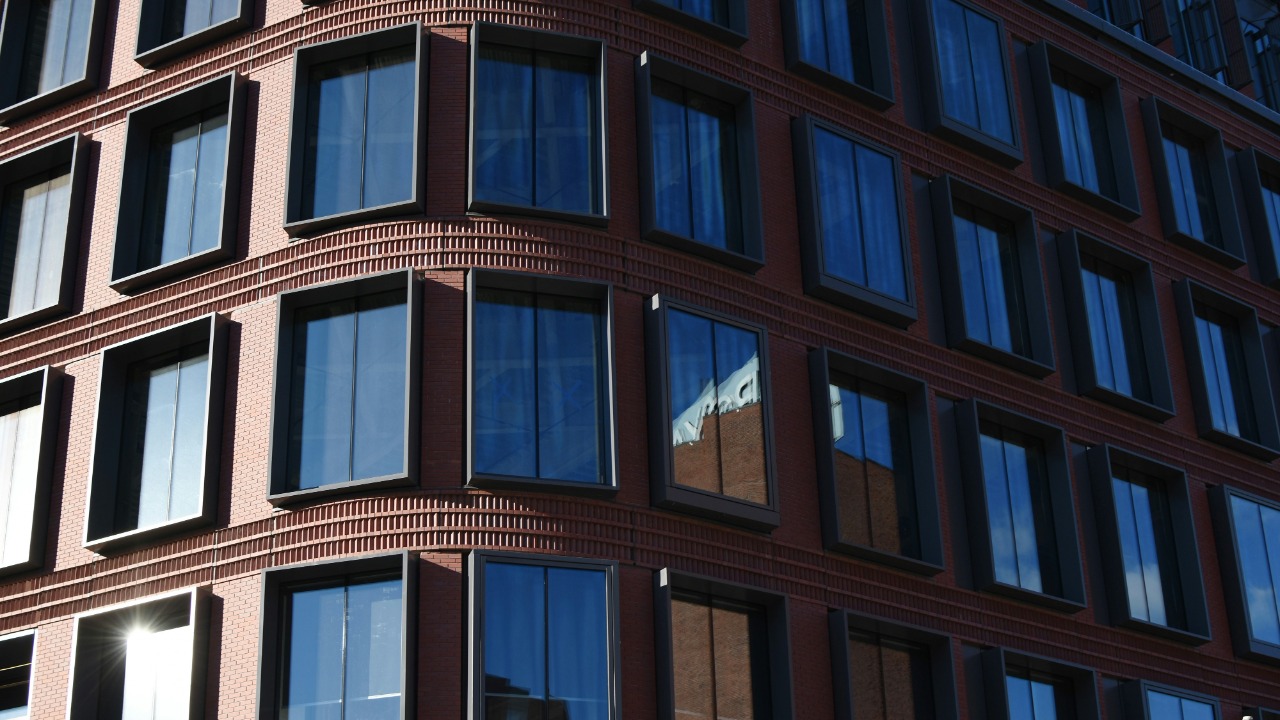
Smart windows are increasingly being integrated into modern architectural designs. With their sleek and modern look, they not only enhance the aesthetics of buildings but also improve their functionality and energy efficiency. Many contemporary commercial and residential buildings are now being designed with smart windows.
For instance, the Boeing 787 Dreamliner utilizes smart windows to improve passenger comfort and energy efficiency. The windows can be dimmed to block sunlight, reducing the need for window shades and the associated maintenance costs. Additionally, a study on a building in Rome revealed that smart windows could reduce cooling loads by up to 26%, highlighting their real-world applications and benefits.
Future Prospects and Challenges

The future of smart window technology seems promising with continuous advancements. Researchers are exploring new materials and technologies to make smart windows more efficient, affordable, and accessible. For example, a recent study published in ScienceDirect discusses the use of perovskite materials in smart windows, which could potentially improve their energy efficiency and longevity.
However, despite the promising prospects, there are certain limitations and challenges in smart window technology. The high cost of smart windows, compared to conventional windows, is a significant barrier to their widespread adoption. In addition, the durability and lifespan of smart windows are still areas that need improvement. Nevertheless, with ongoing research and development, it is expected that these challenges will be overcome, paving the way for the wider adoption of smart windows.