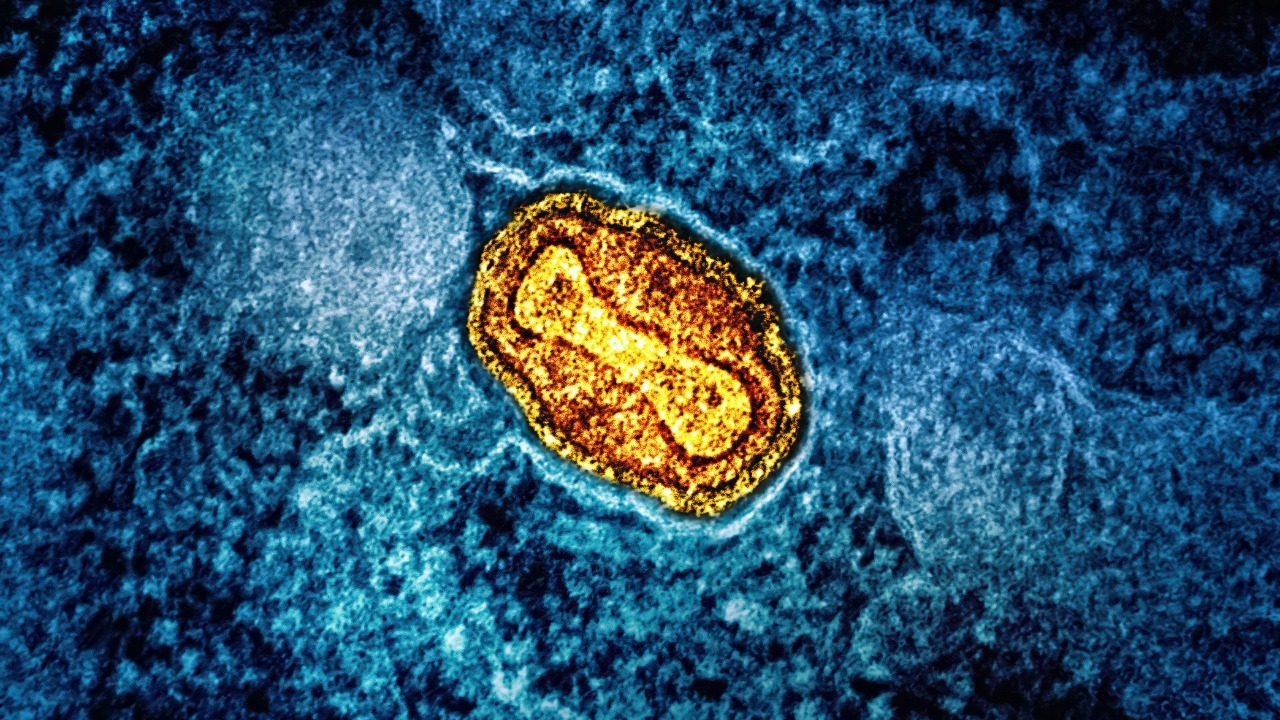

The discovery of a new enzyme capable of breaking down plastic within mere hours heralds a significant breakthrough that could fundamentally transform waste management and environmental conservation. This enzyme presents an exciting solution to the global crisis of plastic pollution, simultaneously paving the way for innovative recycling methods and a more sustainable approach towards plastic usage.
The Science Behind the Enzyme
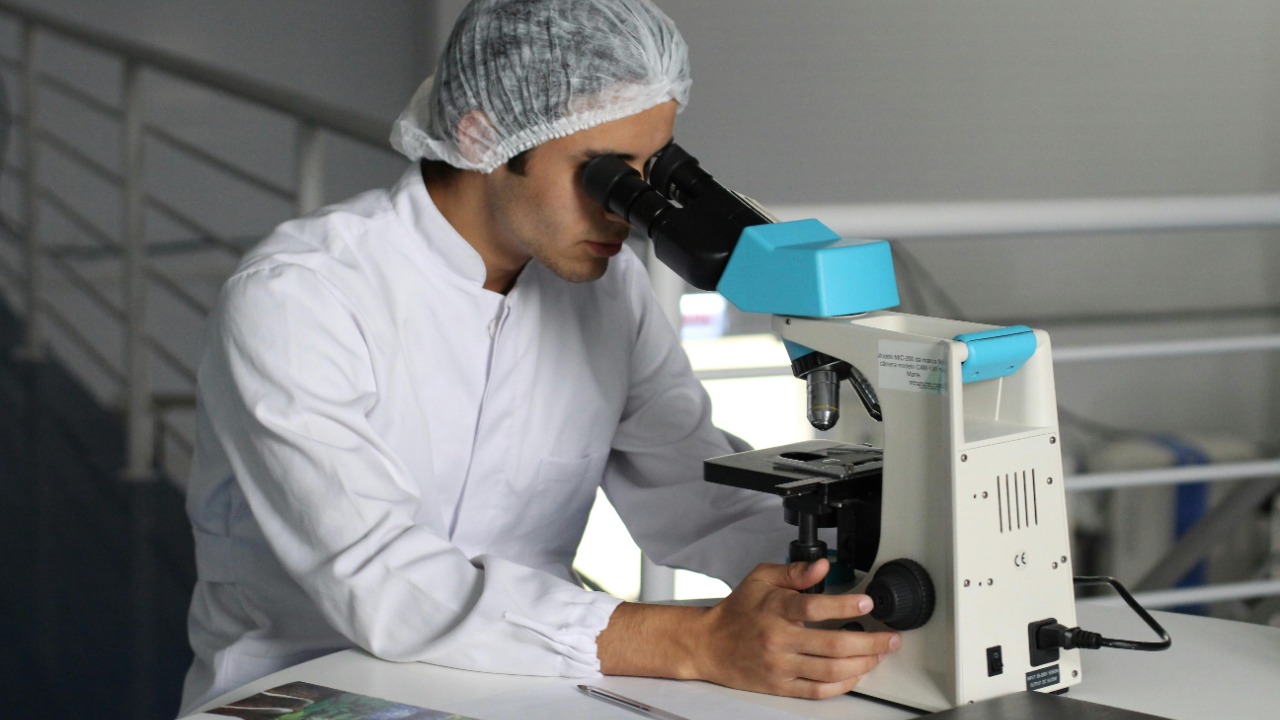
Enzymes are proteins that catalyze chemical reactions in organisms, effectively speeding up these processes and breaking down complex substances. The story of this new enzyme began with the discovery of a bacterium in a Japanese waste dump, which had naturally evolved to eat plastic. Scientists, after studying this bacterium, managed to isolate an enzyme named PETase, which could decompose plastic, albeit slowly.
Further research revealed that scientists were able to modify this enzyme to increase its efficiency in breaking down plastic. This was achieved by using artificial intelligence to find an optimal configuration for the enzyme, which allowed it to break down plastic at a significantly faster rate. The role of AI in creating this enzyme is a shining example of how technology can contribute to environmental conservation efforts.
Impact on Plastic Pollution
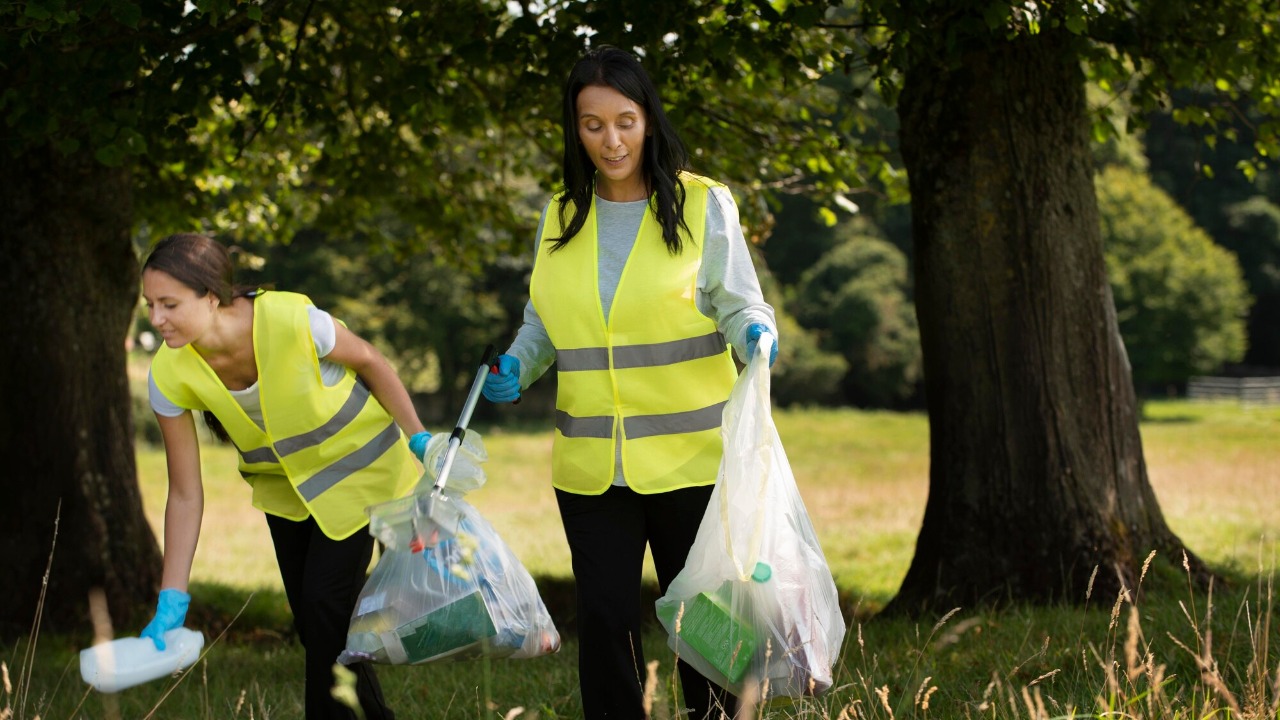
The global plastic waste crisis is a daunting issue of immense scale and severity. It is estimated that about 8 million metric tons of plastic end up in our oceans every year, causing significant harm to marine life and ecosystems. Landfills are also overflowing with plastic waste, much of which will take hundreds of years to decompose naturally.
The discovery of this new plastic-eating enzyme could potentially revolutionize how we manage this crisis. By rapidly breaking down plastic, the enzyme could significantly reduce the amount of plastic waste in our landfills and oceans. However, there will likely be challenges and limitations in scaling up this technology for global use, including the need for infrastructure and regulatory frameworks to support it.
Implications for Recycling
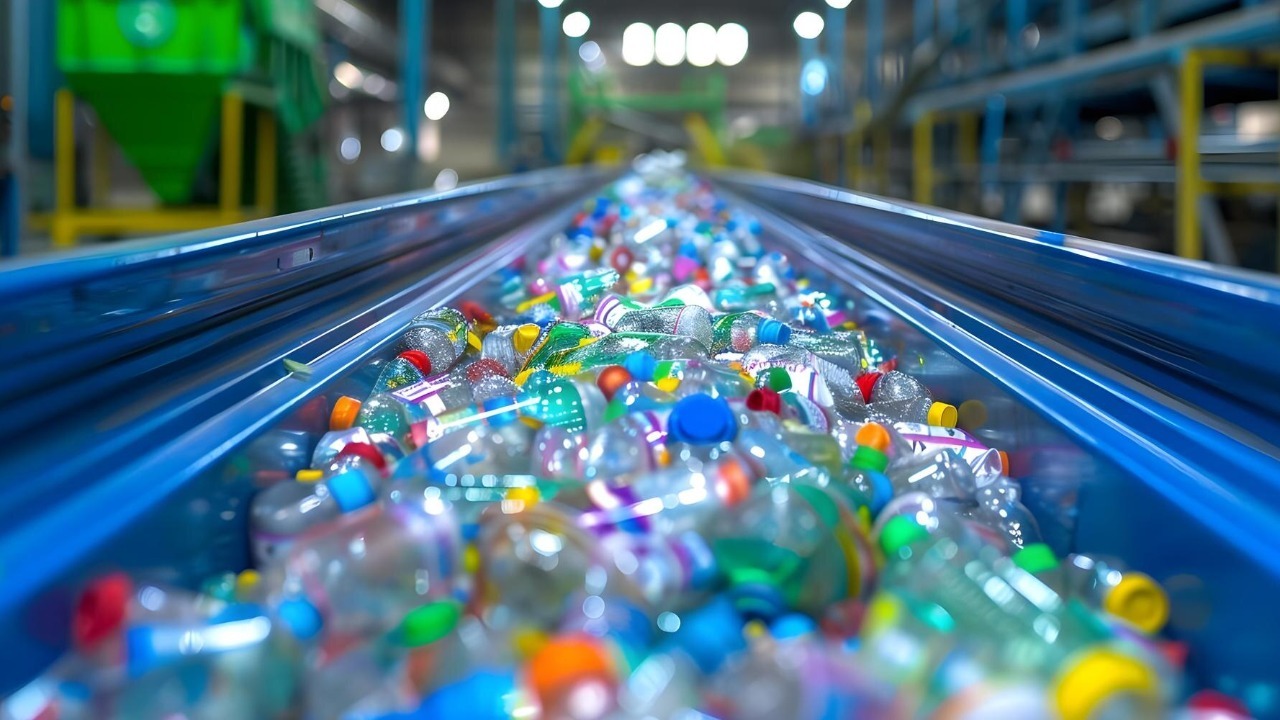
Current plastic recycling methods are inefficient and often produce low-quality materials that are less useful than virgin plastic. This new enzyme could revolutionize the recycling industry by improving both the efficiency and effectiveness of plastic recycling processes.
Moreover, the ability to break down plastic at the molecular level could lead to the production of high-quality recycled plastic that is comparable to new plastic. This not only extends the lifecycle of plastic materials but also reduces the demand for new plastic production. The economic implications of this technological advancement could be profound, potentially leading to substantial cost savings in the recycling industry and promoting a circular economy.
Future Prospects and Developments
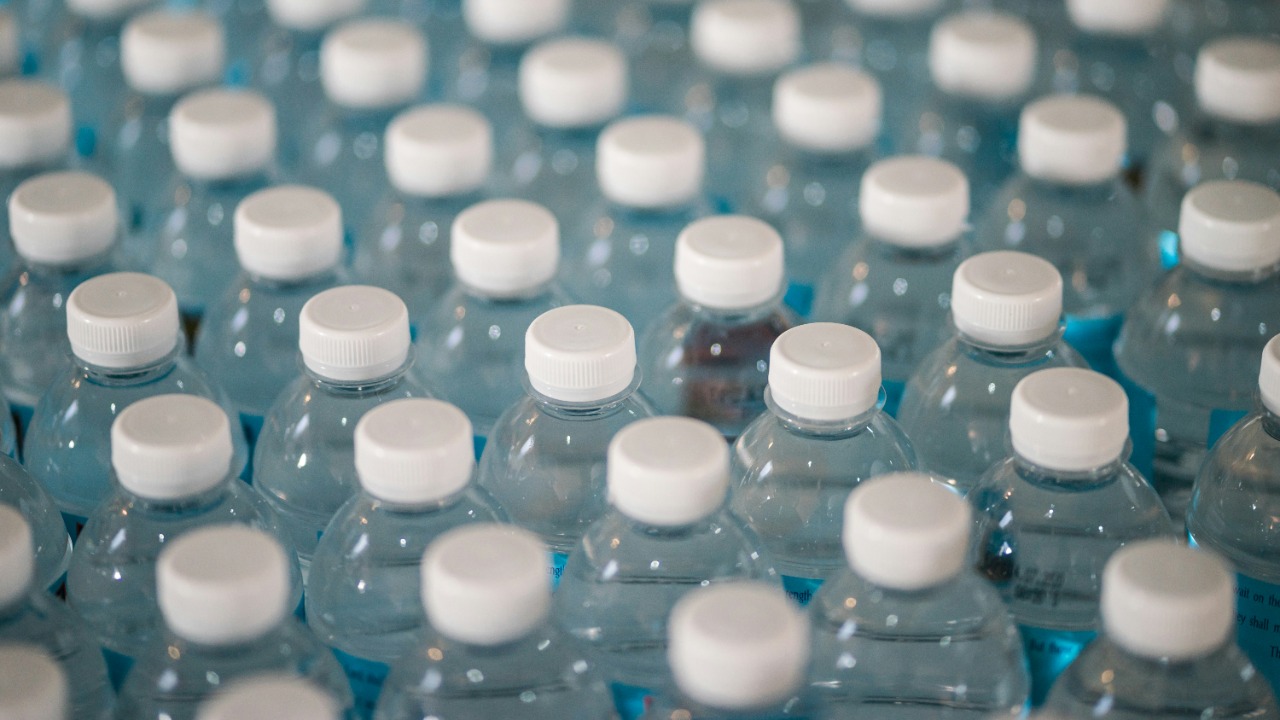
While the discovery of this new enzyme is promising, much work remains to be done in the field of enzymes and plastic degradation. Ongoing research and development efforts aim to further enhance the efficiency of these enzymes and explore other potential applications of the technology.
One promising area of application is in oil spill cleanups, where enzymes could be used to break down oil into less harmful substances. However, the successful implementation of this technology in waste management and other areas will require supportive policy and regulation, including measures to ensure safety and mitigate potential risks.
Public Response and Societal Impact

The public response to the discovery of the plastic-eating enzyme has been overwhelmingly positive, with many seeing it as a beacon of hope in the fight against plastic pollution. This development has the potential to shift public attitudes towards plastic use and recycling, promoting more sustainable practices and environmental consciousness.
Moreover, it serves as a tangible demonstration of how science and technology can contribute to solving environmental problems, potentially inspiring more investment and innovation in this area. As we continue to grapple with the impacts of plastic pollution, the discovery of this plastic-eating enzyme could be a crucial step towards a more sustainable future.