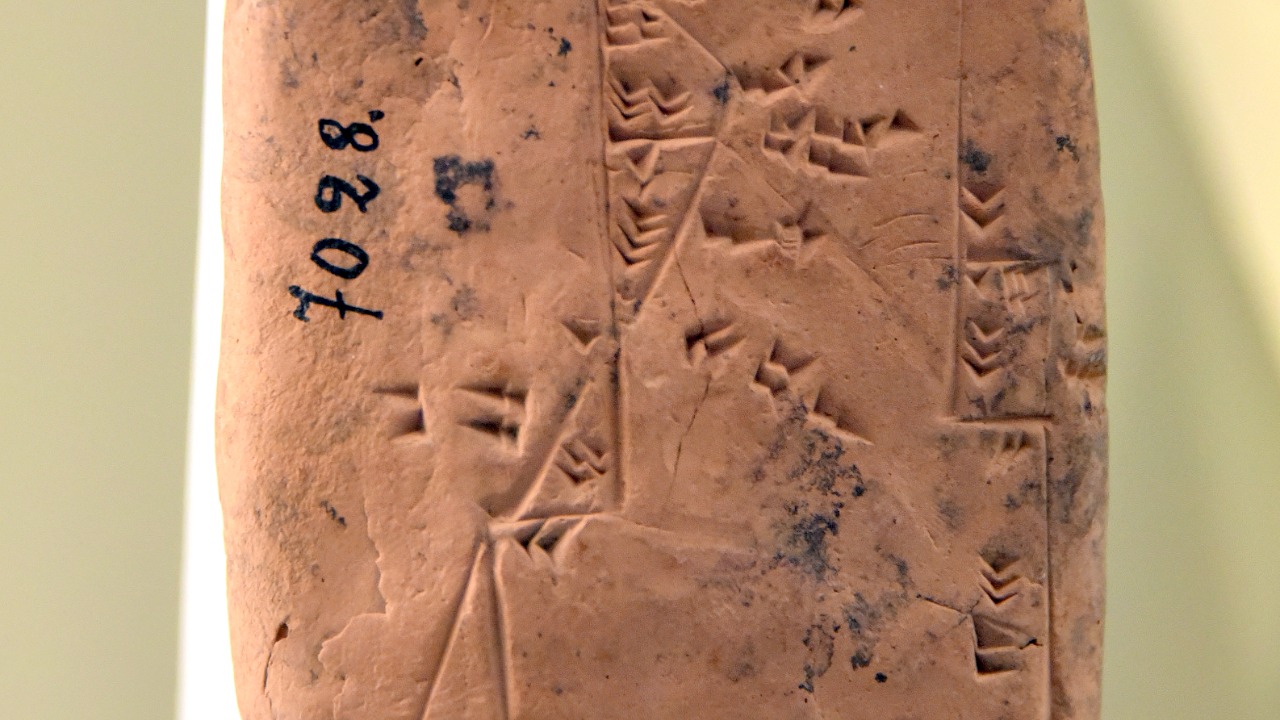

Unveiling the mysteries of early civilization, Mesopotamian clay provides valuable insights into the origins of chemistry. The artifacts and technologies of this ancient society demonstrate a profound understanding of material science, underscoring the deep roots of chemistry in Mesopotamian civilization.
Chemistry in Ancient Mesopotamia
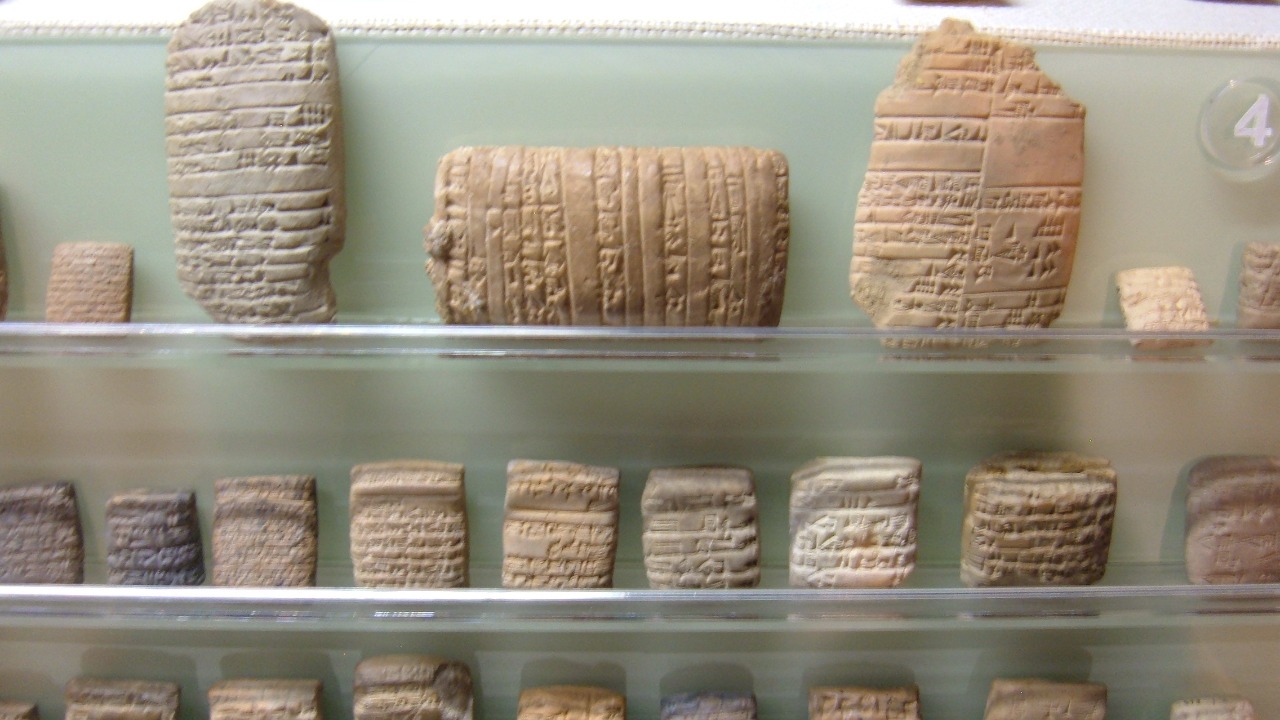
The development of Mesopotamian civilization was greatly influenced by the society’s understanding of chemical processes. Their daily life revolved around the manipulation of different elements to meet their needs. Whether it was the construction of buildings or the production of tools, the Mesopotamians applied their knowledge of chemistry to various aspects of life.
Their understanding of chemical reactions and processes was advanced for their time. They could transform raw materials into practical tools and artistic objects, a skill that required a deep understanding of the properties of different materials and how they interacted. Evidence of this can be seen in their metallurgy practices, pottery production, and glass making techniques. An analysis of these practices can be found in this research paper.
Clay as a Medium of Early Chemistry
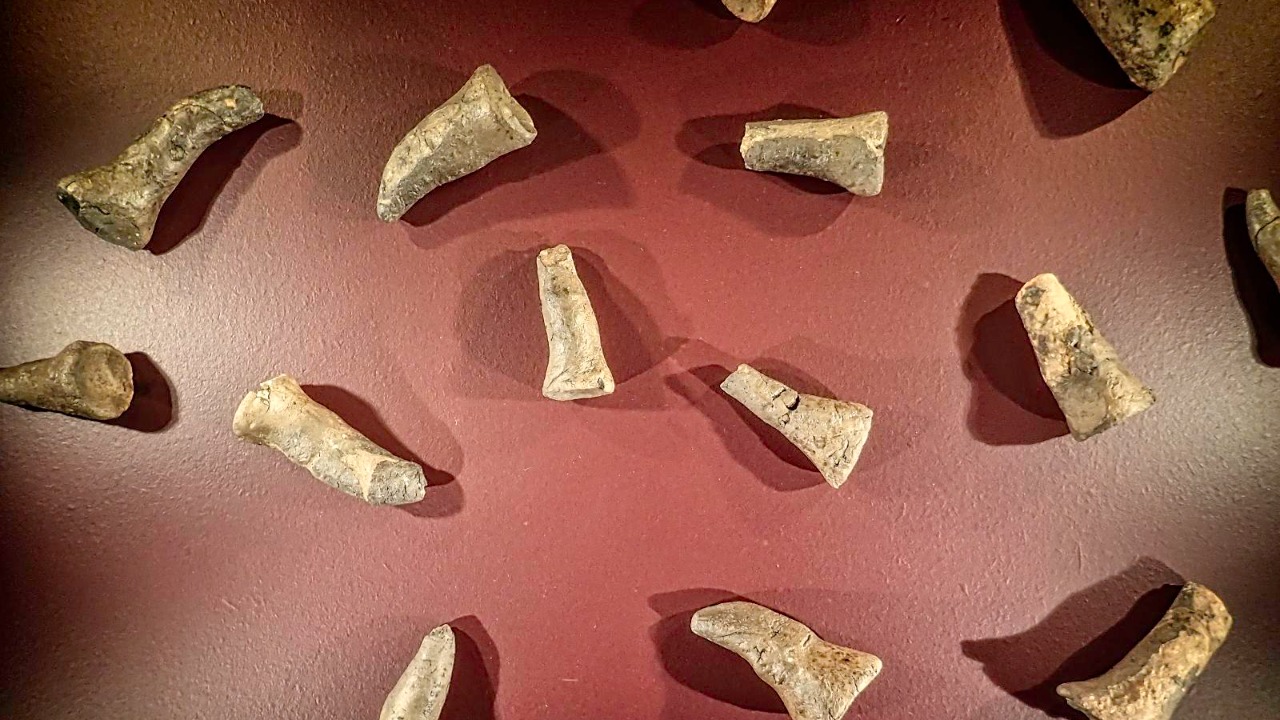
Clay, a readily available material in Mesopotamia, served as the primary medium for early chemical experiments. Mesopotamians would manipulate clay’s properties through processes like heating and glazing, effectively changing its chemical structure to suit their needs. This practice demonstrated their basic understanding of chemical reactions and their ability to control these reactions.
Evidence of early chemical processes can be seen in Mesopotamian clay artifacts. Through an analysis of the materials and techniques used in these artifacts, we can learn more about the chemical knowledge of this ancient civilization. For instance, a study of ceramic sherds from ancient Mesopotamia reveals traces of alkali and silica, indicating a rudimentary understanding of glaze chemistry.
Artifacts and Technologies: Proof of Advanced Material Science
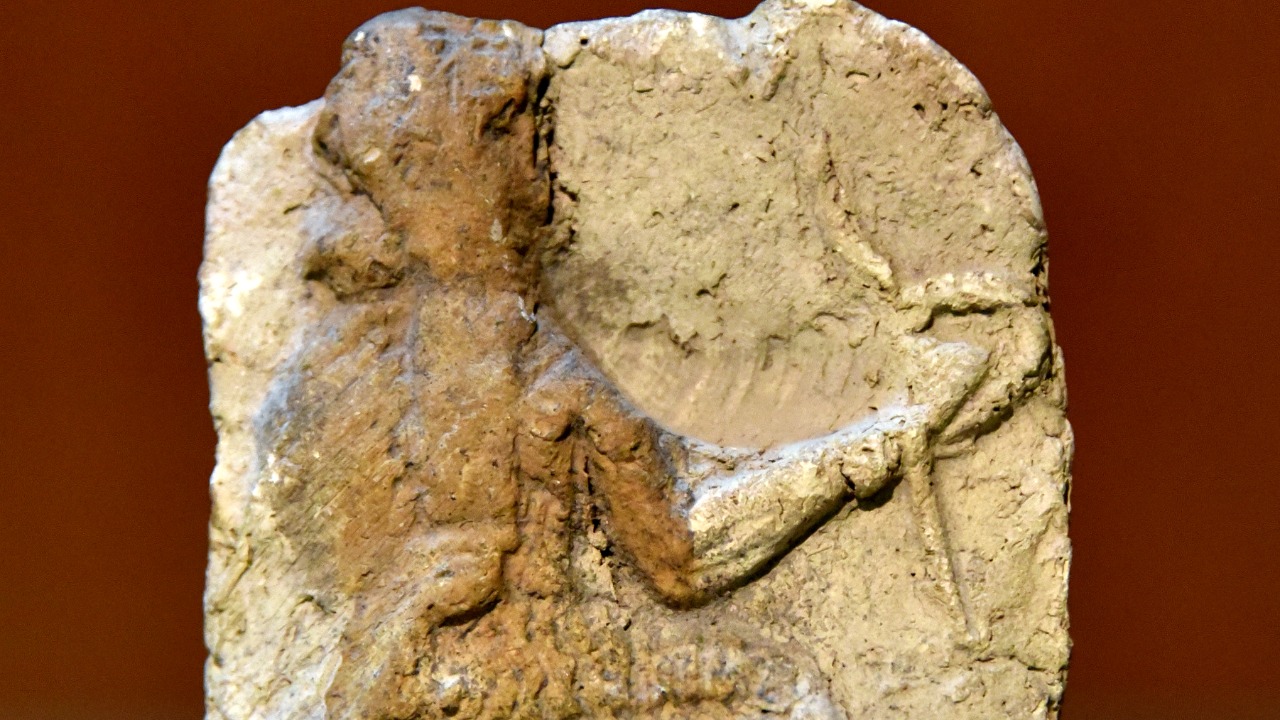
Mesopotamian artifacts reveal a wide range of chemical processes. From pottery to metallurgy, the technology used by Mesopotamians to manipulate materials at a chemical level was diverse and advanced. They understood how to alter the properties of different materials, such as softening metals for toolmaking or hardening clay for pottery.
Kilns played a crucial role in early chemistry. Mesopotamians used them to control heat, a key factor in many chemical processes. For example, they could heat clay to different temperatures to produce different types of pottery, demonstrating an understanding of phase transitions. Further details on this subject can be found in this book.
Mesopotamian Perfume: An Example of Early Chemistry
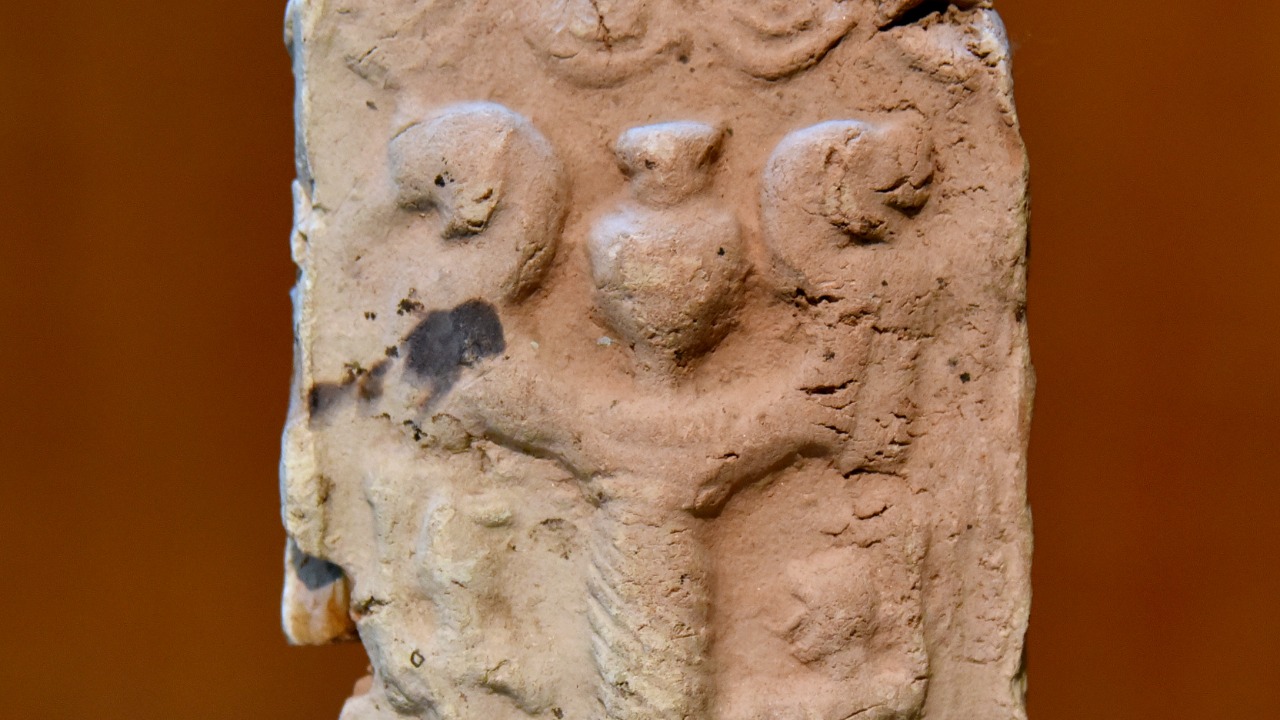
Perfume production in ancient Mesopotamia provides another example of early chemical understanding. The creation and use of perfumes involved the distillation of plant materials, a process that required a basic understanding of chemistry. By extracting essential oils from plants, Mesopotamians created fragrances that were not only pleasant but also had medicinal properties.
This early chemistry also influenced later cultures, as the art of perfume making spread throughout the ancient world. Information about Mesopotamian perfume and its influence can be found in this article.
Implications for Modern Chemistry
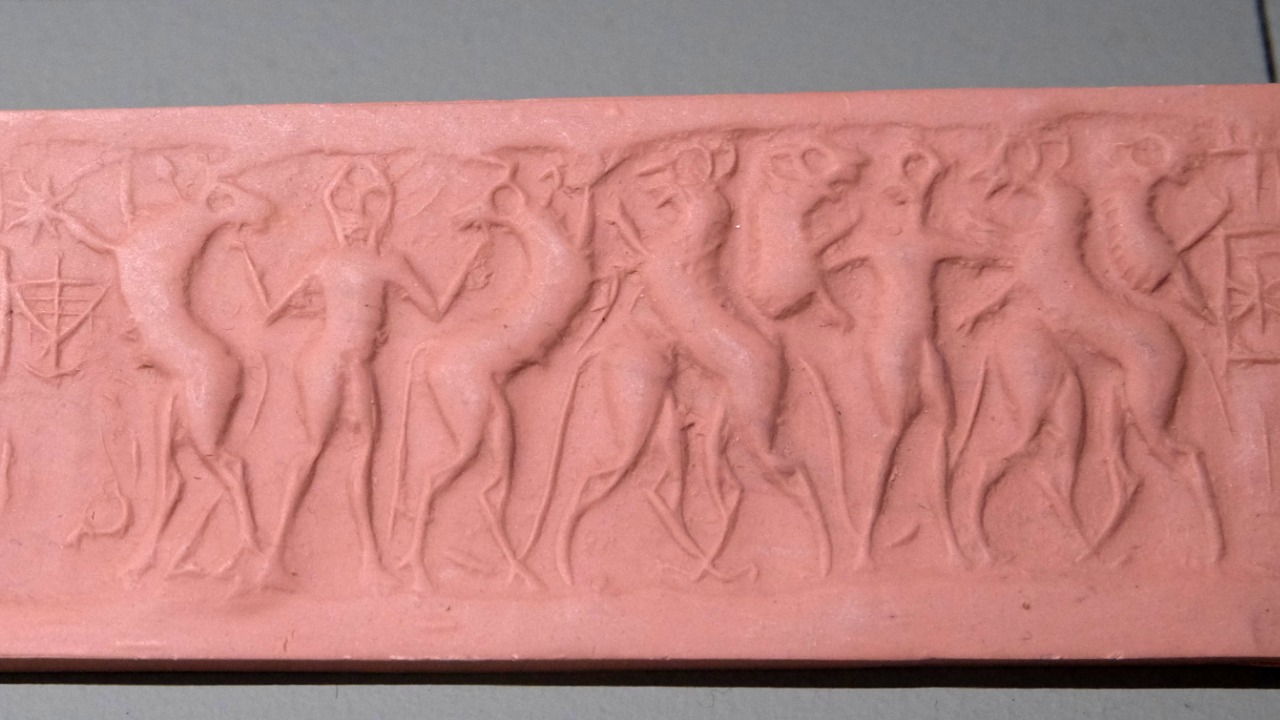
Modern chemistry owes much to the early Mesopotamian practices. The basic principles of transforming raw materials through chemical reactions, first explored by the Mesopotamians, are now fundamental aspects of chemistry. Studying ancient Mesopotamian clay and the chemical processes it underwent can provide valuable insights into the history of chemistry.
Furthermore, the relevance of ancient chemical practices extends beyond historical interest, providing practical insights for modern science and technology research. For instance, understanding the techniques used by Mesopotamians to create durable clay objects can inform modern material science, leading to the development of new materials and techniques. A fascinating review of the first known chemical reaction, inspired by a Mesopotamian artifact, can be found in this article.