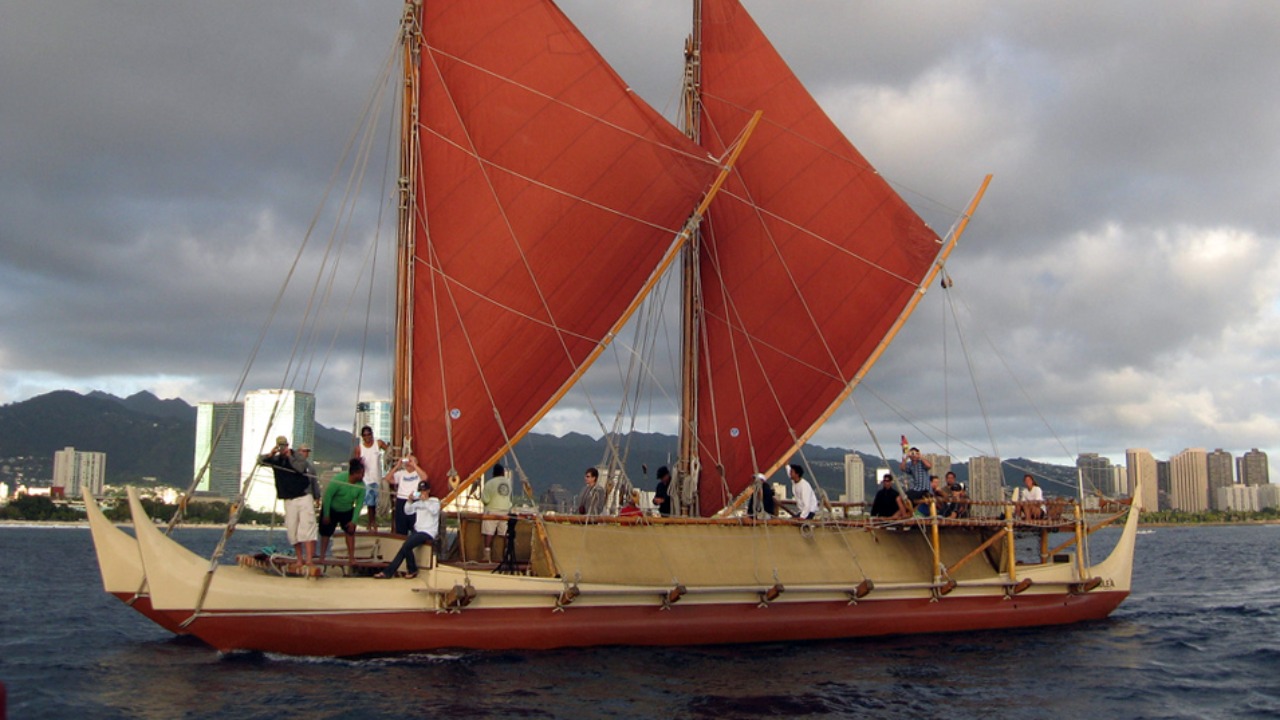

Recently, a Polynesian waka (canoe) was discovered off the coast of New Zealand’s Chatham Islands. This significant find has illuminated our understanding of the Polynesians’ long-distance trade systems and navigation methods. Additionally, it provides remarkable insight into the intricacies of the ancient Polynesian civilization.
Historical Background of Polynesian Navigation
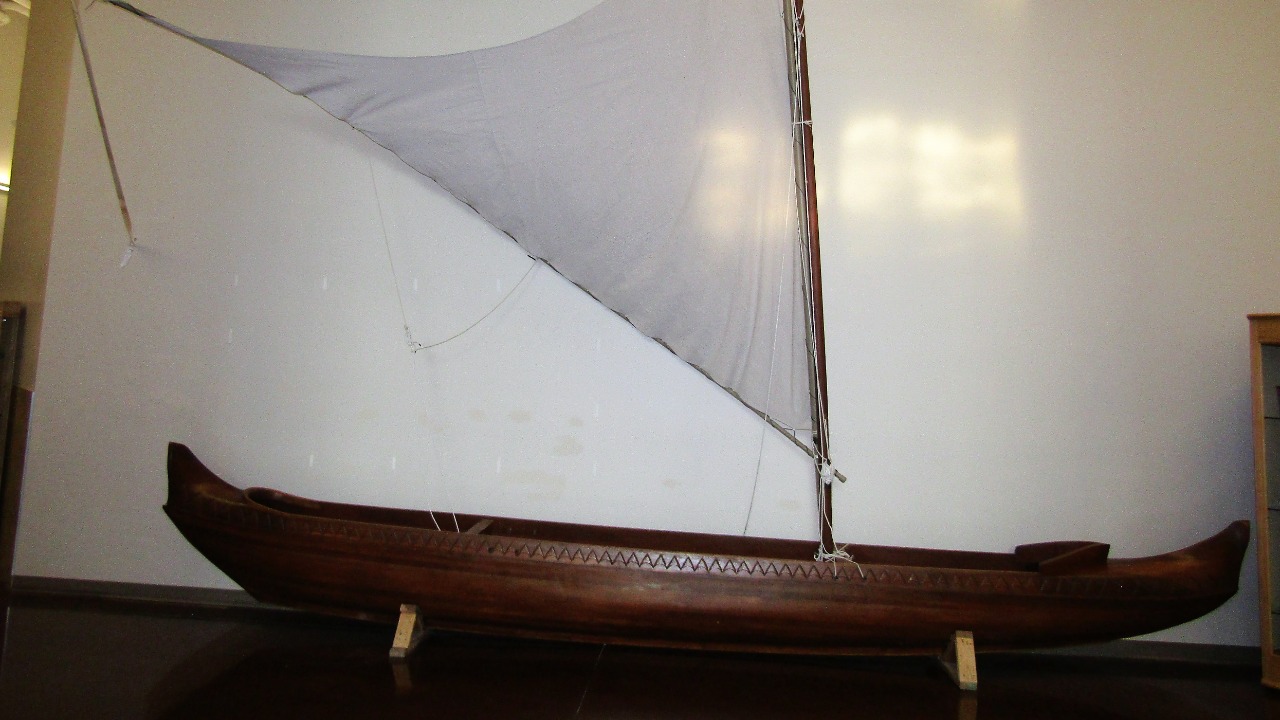
The Polynesians were master navigators, capable of traversing the vast expanses of the Pacific Ocean. They managed to inhabit the most remote islands in the world, demonstrating their extraordinary seafaring skills. Their navigation techniques were complex, combining knowledge of the stars, ocean currents, and wildlife behavior. The Polynesians were able to read the night sky and understand the movement of celestial bodies, using them as a map to navigate the oceanic expanse.
Wayfinding, a traditional Polynesian navigation method, was an impressive combination of observation, memory, and knowledge of the natural world. This technique relied on acute observation of the sky, sea, and wildlife. By watching the flight patterns of birds, the direction of ocean currents, and the positions of stars, Polynesian navigators could chart their course across the ocean. This deep understanding of the natural environment was passed down through generations, ensuring the survival and expansion of their civilization. Learn more about Polynesian navigation techniques on Wikipedia.
The Canoe Discovery and its Significance
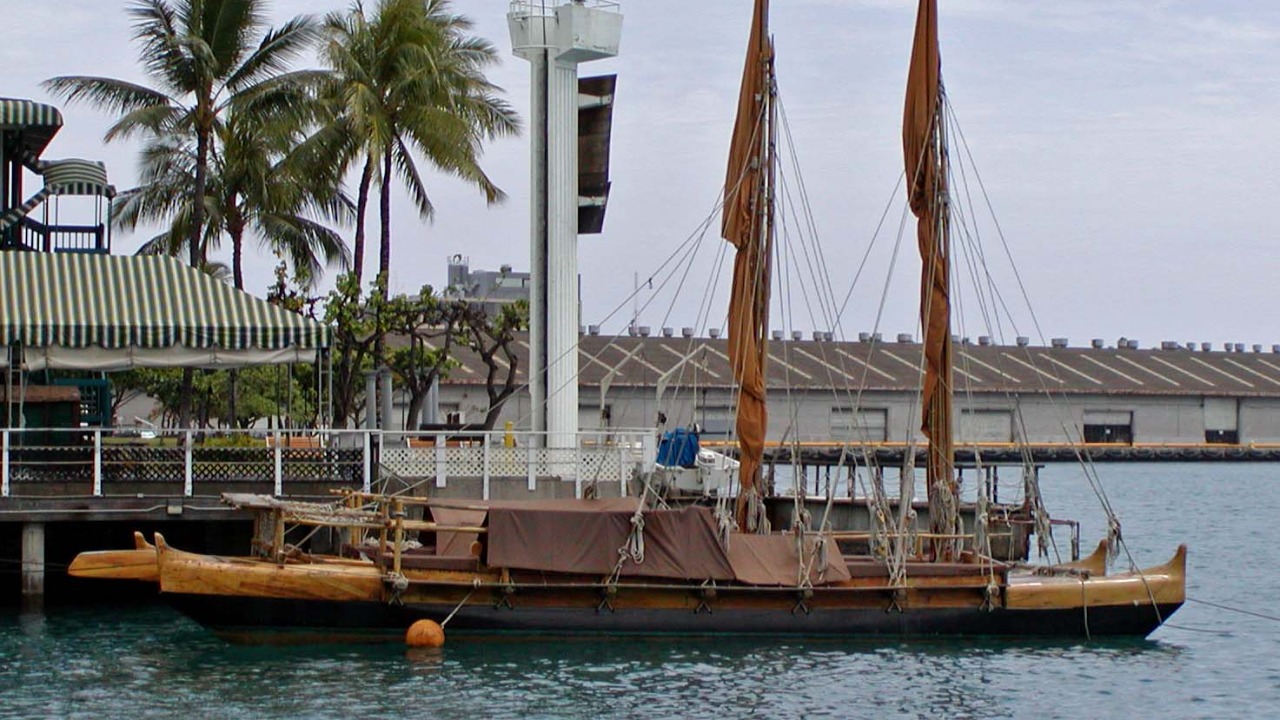
The recently discovered waka off the Chatham Islands is not just a testament to the Polynesians’ seafaring skills, but also a key to unlocking their history. The canoe is intricately carved, indicating advanced craftsmanship and a sophisticated knowledge of boat-building. This discovery is significant not only for what it tells us about Polynesian boat-building skills but also for what it reveals about their society and way of life.
The waka’s location suggests that the Polynesians ventured further into the ocean than previously thought, reaffirming their reputation as skilled navigators. More about the discovery of the waka can be found in this Guardian article.
Evidence of Long-Distance Trade
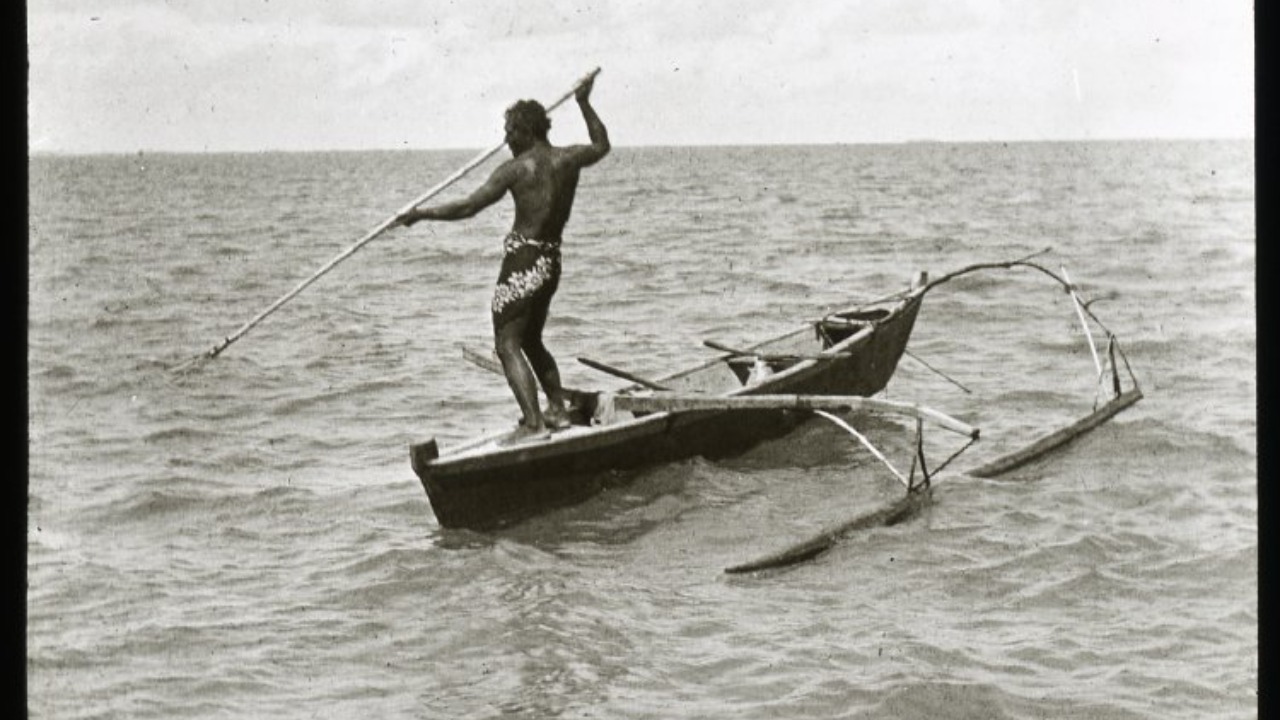
Artifacts found along with the canoe suggest that the Polynesians were not just excellent navigators, but also engaged in long-distance trade. These artifacts, possibly from different islands, imply a wide-reaching trade network. This is a strong indication that the Polynesians had regular contact with other islands and civilizations, debunking previous theories that they lived in isolation.
From the canoe’s location and the artifacts discovered, researchers have proposed potential trade routes that the Polynesians might have used. These routes would have connected various Polynesian islands, creating a network of trade and cultural exchange. More on Polynesian trade networks can be found in this research paper.
Impact on Understanding of Polynesian Civilization
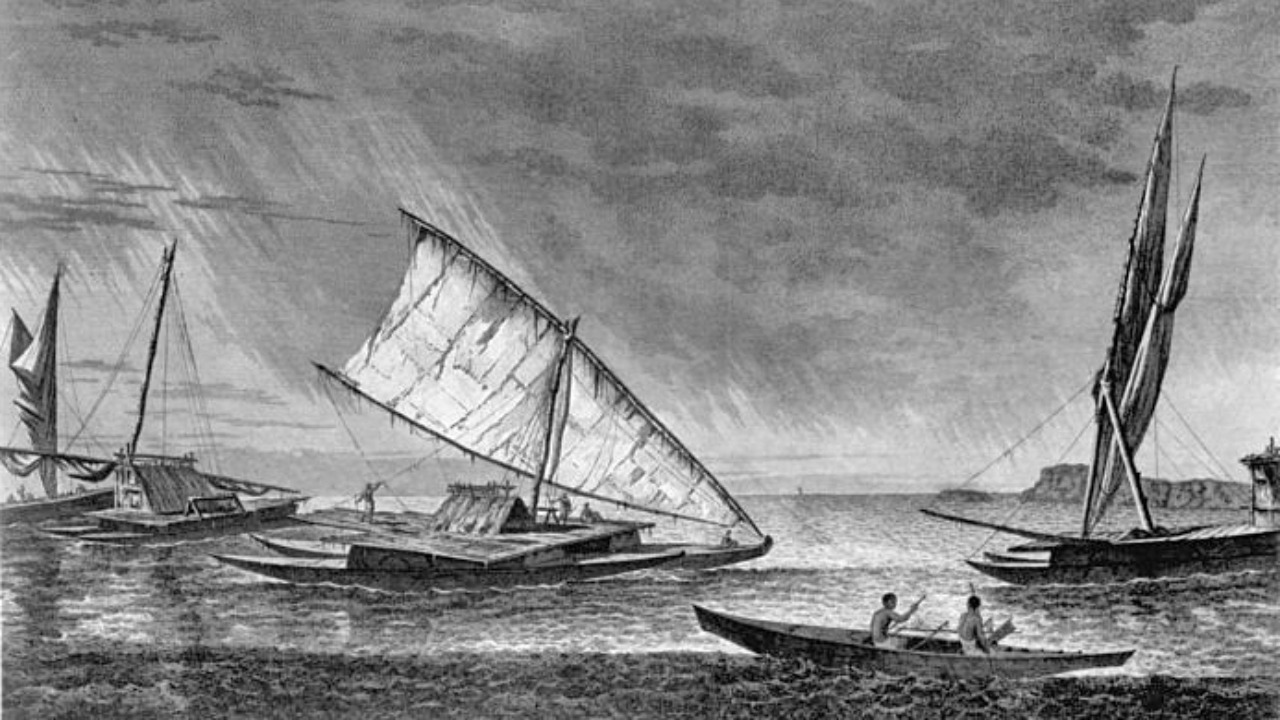
This discovery challenges previous theories about Polynesian trade and navigation. It suggests that the Polynesians had complex social and economic structures, facilitated by their advanced navigation skills and long-distance trade networks. This discovery could dramatically shift our understanding of Polynesian civilization and its interactions with other civilizations in the Pacific.
The findings reveal that the Polynesians were not isolated islanders, but a sophisticated civilization with a complex economy and a deep understanding of the natural world. These insights broaden our understanding of the Polynesian civilization and shed light on their amazing navigational and trade abilities.
Continuing Research and Unanswered Questions
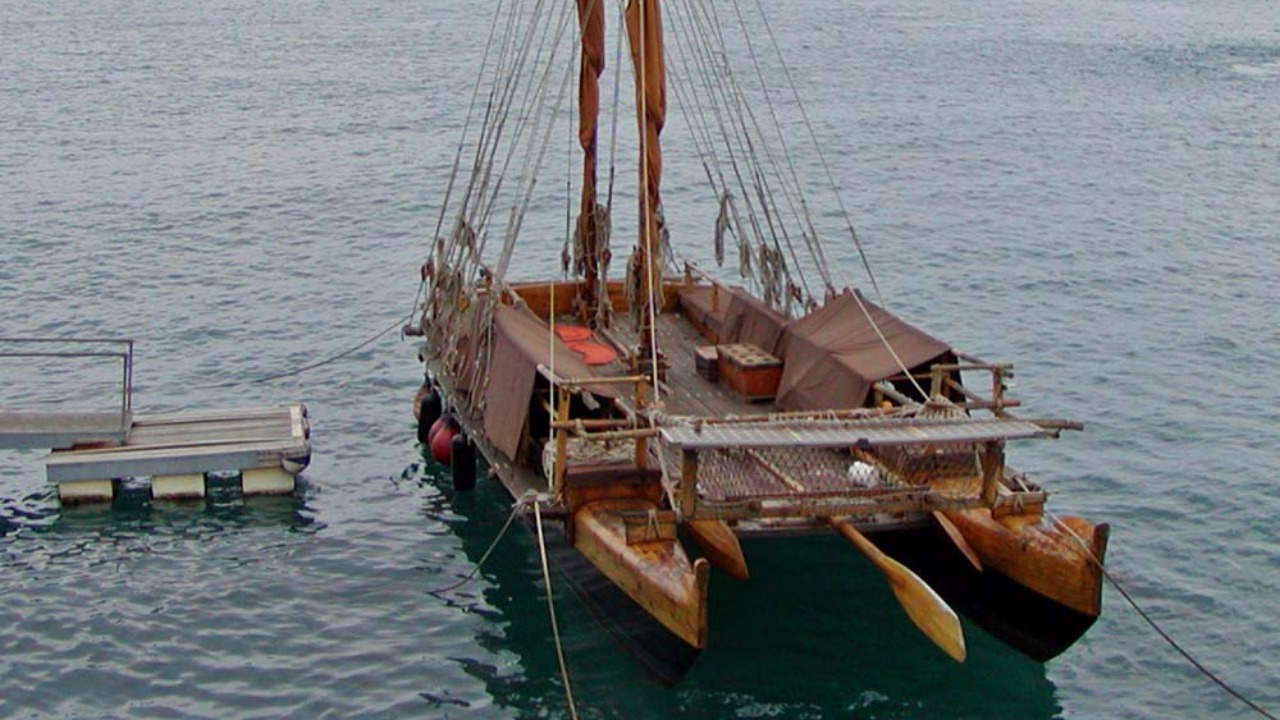
Research into Polynesian navigation and trade is ongoing as there are still many unanswered questions. For instance, what other techniques did the Polynesians use for navigation? What was the full extent of their trade routes? How did they manage long-distance trade without a written language? These inquiries and more are being explored by researchers around the world.
The discovery of the waka has spurred further investigations into Polynesian history and culture. The answers to these questions will not only fill gaps in our understanding of Polynesian civilization but also enrich our knowledge of human history and cultural diversity. For a deeper look into Polynesian voyaging and navigation, check out this Facebook post and this JSTOR article.