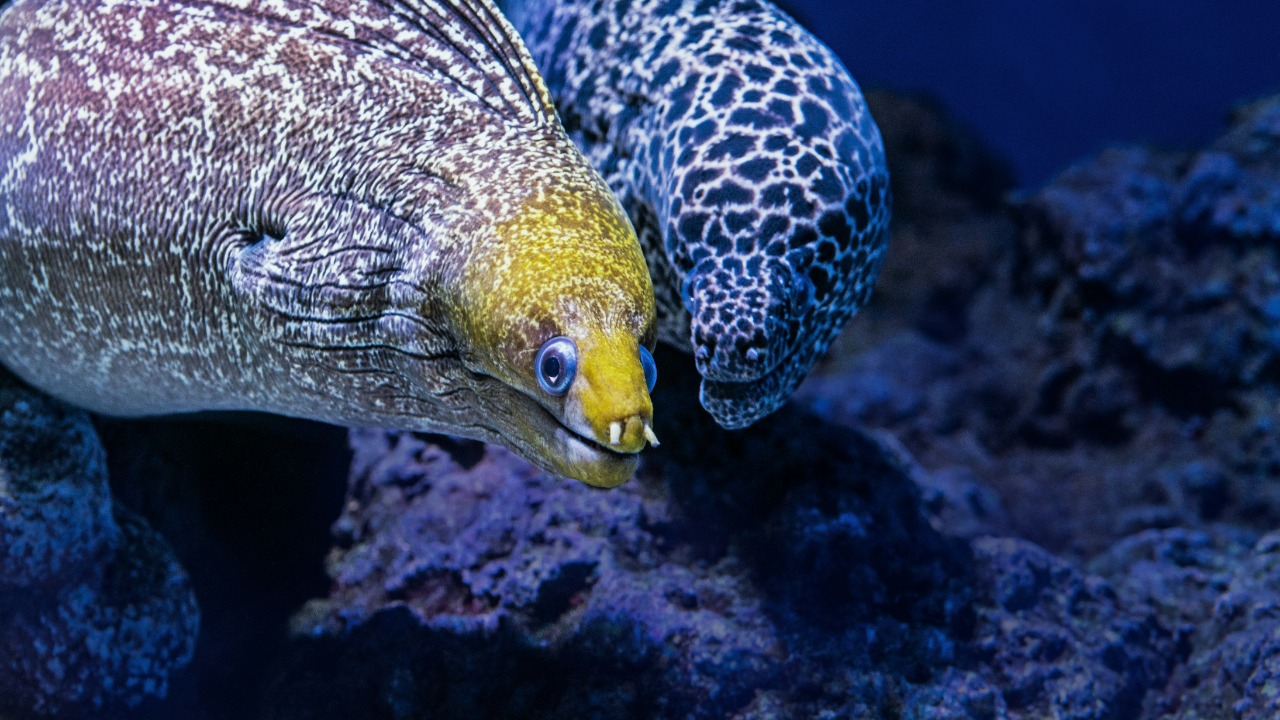

Deep-sea fish, a group of inhabitants of the most light-deprived and harsh environments on our planet, have been discovered to possess a vision similar to humans. This groundbreaking finding not only offers a significant change in the realm of marine biology but also hints at a fascinatingly complex evolution of vision in these aquatic species.
Understanding the Deep Sea Environment
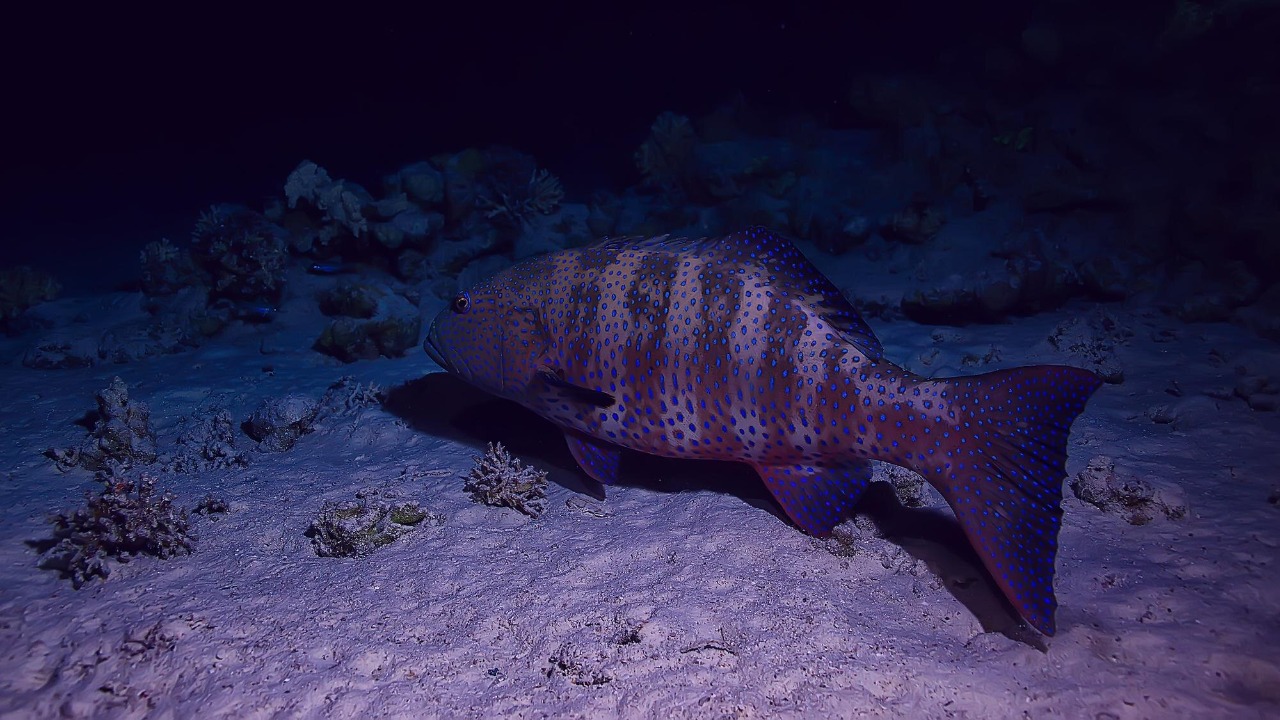
The deep sea is a unique environment characterized by extreme pressure, cold temperatures, and a complete absence of sunlight. These conditions have led to the evolution of species that are remarkably adapted to survive in such harsh environments. Everything from their metabolic rates to their physical characteristics has evolved to ensure their survival in the deep sea.
Studying deep-sea creatures, however, presents a series of challenges. The pressure at these depths can reach over a thousand times that of the surface, making it incredibly difficult for humans and their equipment to withstand. Furthermore, the lack of light makes observation and data collection a complex task. Despite these challenges, advances in technology have made it possible to explore this mysterious world and its inhabitants to a greater extent than ever before.
Discovery of Human-like Vision in Deep-Sea Fish
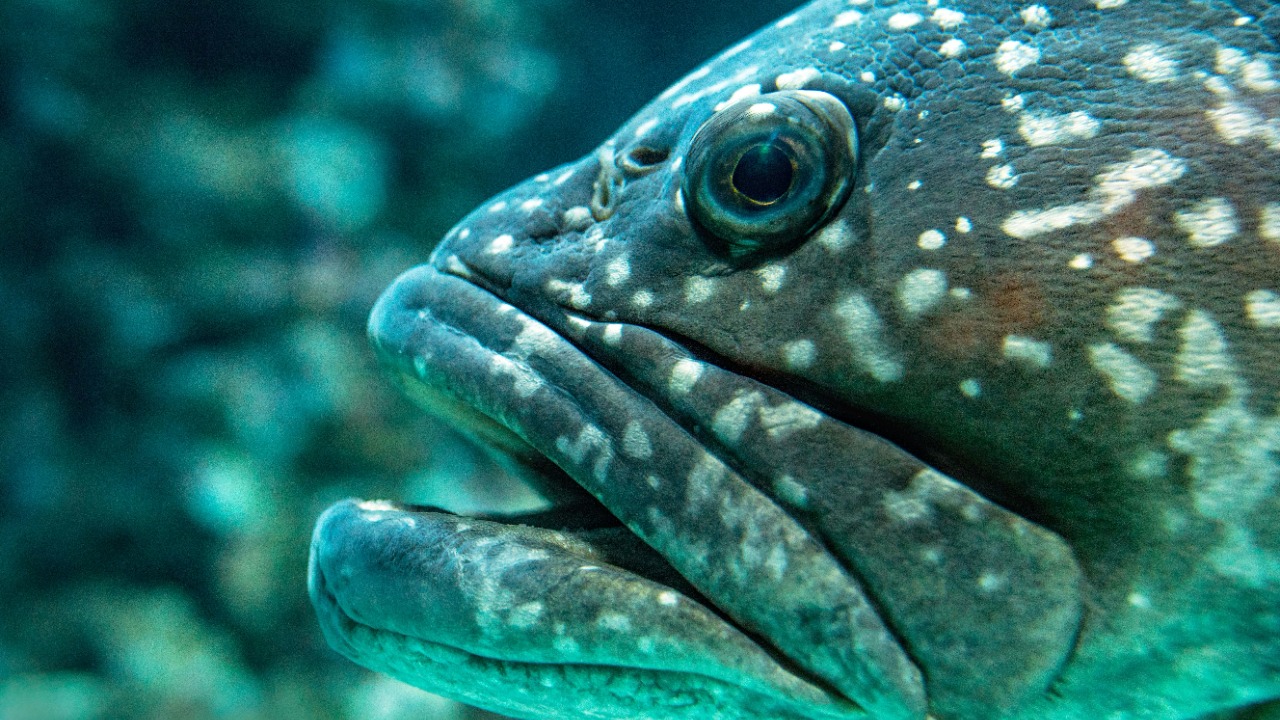
Recent research has revealed that certain deep-sea fish possess a vision similar to that of humans. These fish, despite living in near-total darkness, have developed a complex visual system that allows them to see in a way previously thought impossible in such conditions.
The study discovered that these fish are capable of seeing through their own flesh and bones. This unique ability suggests that the fish’s eyes have evolved in a way that maximizes the limited available light in the deep sea. However, how this vision works, and the exact mechanisms behind it, are still a subject of ongoing research.
Implications for Evolution of Vision
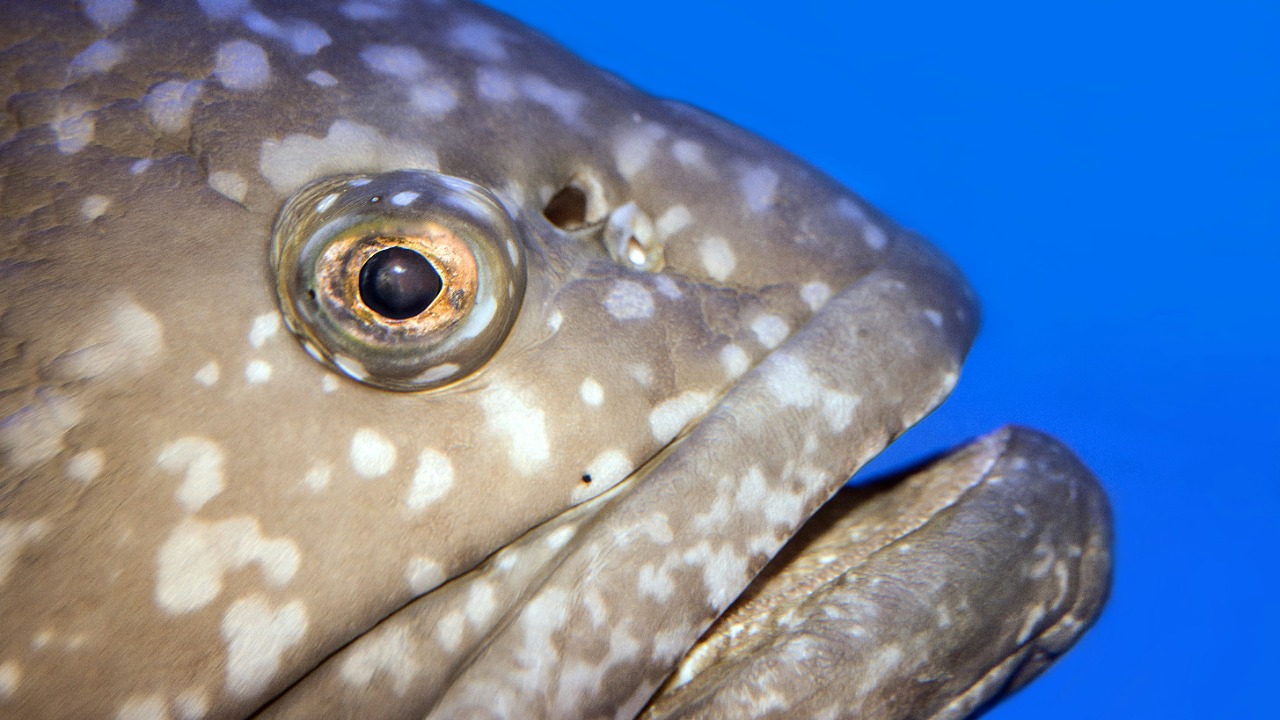
This discovery has opened up new conversations about the evolution of vision, both in deep-sea fish and in humans. It is believed that the vision of these fish has evolved in response to the extreme conditions of the deep sea. However, the parallels between their vision and human vision suggest that there may be commonalities in how vision has evolved across different species and environments.
Several theories have been proposed to explain why this type of vision may have evolved in deep-sea fish. Some suggest that it is a result of the need to maximize the limited light available in the deep sea. Others propose that it may be beneficial for detecting prey or predators in the darkness. Regardless of the exact reasons, this discovery underscores the incredible adaptability of life in the face of extreme conditions.
Other Fascinating Vision Capabilities in the Animal Kingdom
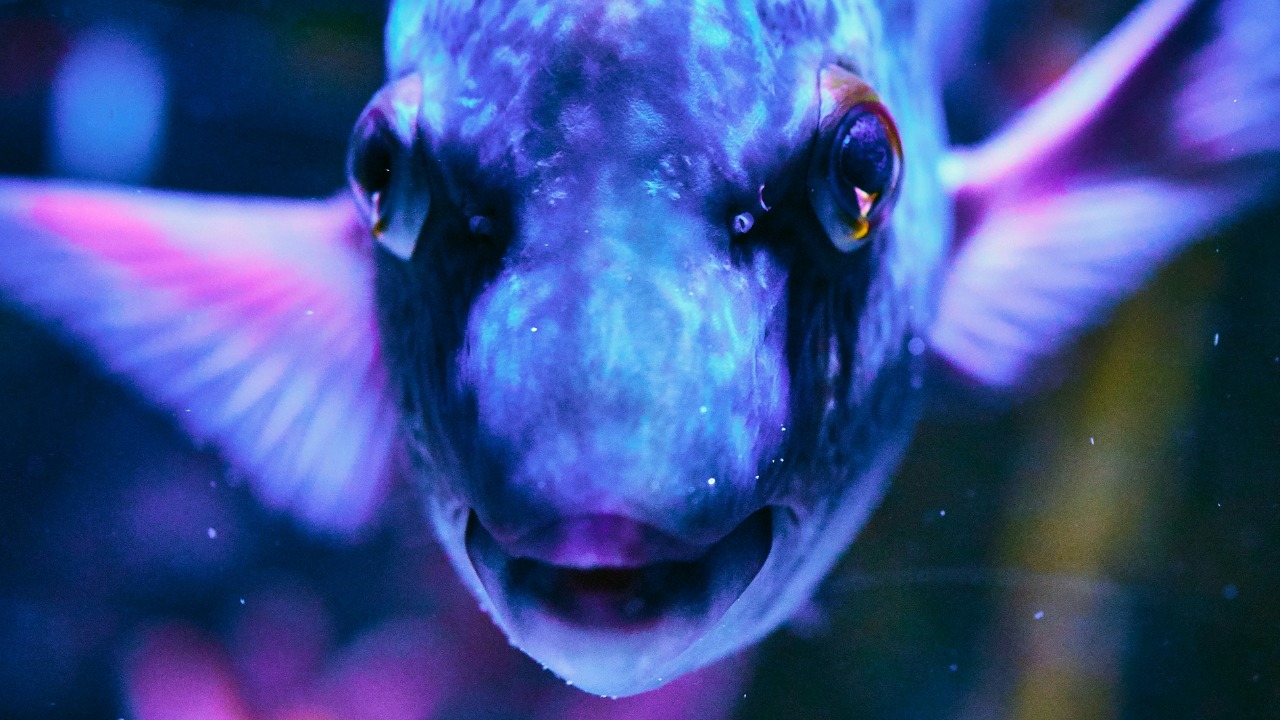
The natural world is filled with examples of animals with unique vision capabilities. Certain birds, for example, can see ultraviolet light, which is invisible to the human eye. Similarly, insects such as bees and butterflies can perceive a broader spectrum of colors than humans can. Some marine creatures, like the mantis shrimp, are known to have the most complex vision in the animal kingdom, capable of seeing a spectrum of light far beyond our comprehension.
When compared to these examples, the human-like vision of deep-sea fish seems less outlandish. However, the discovery is still remarkable given the extreme conditions of the deep sea. While each of these species has evolved its vision in response to its specific environment and needs, they all underline the incredible diversity and adaptability of life on Earth.
Future Research and Applications
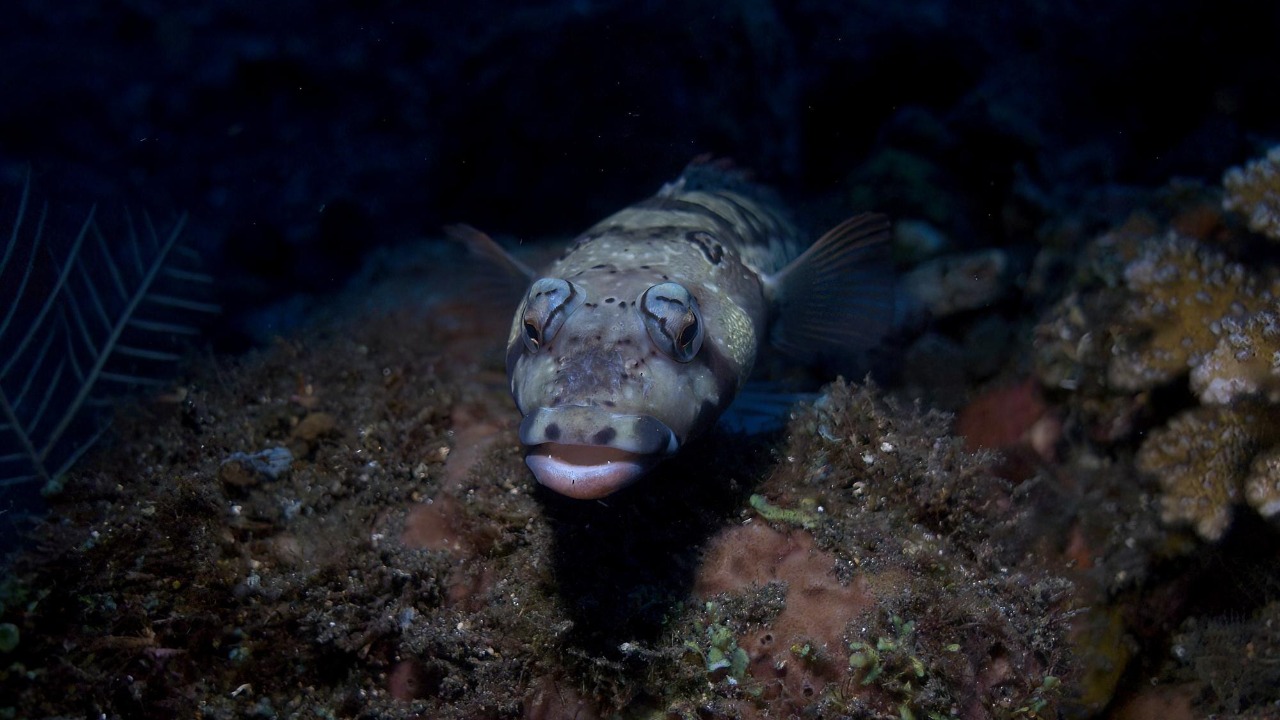
The discovery of human-like vision in deep-sea fish could have far-reaching implications for a variety of fields. In the realm of technology, this knowledge could inspire advances in vision technology, potentially leading to the development of cameras or sensors that can operate effectively in low-light conditions. Similarly, understanding how these fish see through their own flesh and bones could provide insights into medical imaging techniques.
In terms of research, this finding opens up new avenues for studying the vision of deep-sea fish and other marine species. By understanding how these creatures have evolved to see in such extreme conditions, we can gain a better understanding of the processes and pressures that drive evolution in general. This could ultimately lead to a deeper understanding of our own evolution and the world around us. Further research in this fascinating field is eagerly anticipated.