

Holographic storage is a game-changer in the data storage landscape, boasting an impressive capacity of 1 petabyte on a single disc. This game-changing innovation is poised to redefine the way we store and retrieve data, and its impact on data centers and the tech industry at large could be profound.
Understanding Holographic Storage

Holographic storage is a high-capacity form of data storage that utilizes the principles of holography. Unlike traditional storage methods that only record data on the surface of the disc, holographic storage records data throughout the volume of the medium. The promise of this technology is staggering, with the possibility to store an unprecedented 1 petabyte of data on a single disc.
The potential of this technology is brought into sharp focus when we understand the sheer volume of a petabyte. To put it into perspective, 1 petabyte is equivalent to 1 million gigabytes. To harness the potential of such vast storage capacity, we utilize a complex interplay of lasers, spatial light modulators, and photorefractive materials. For a more in-depth understanding of the science behind this, you can refer to this Wiley Online Library source.
The Super DVD: A Technological Breakthrough
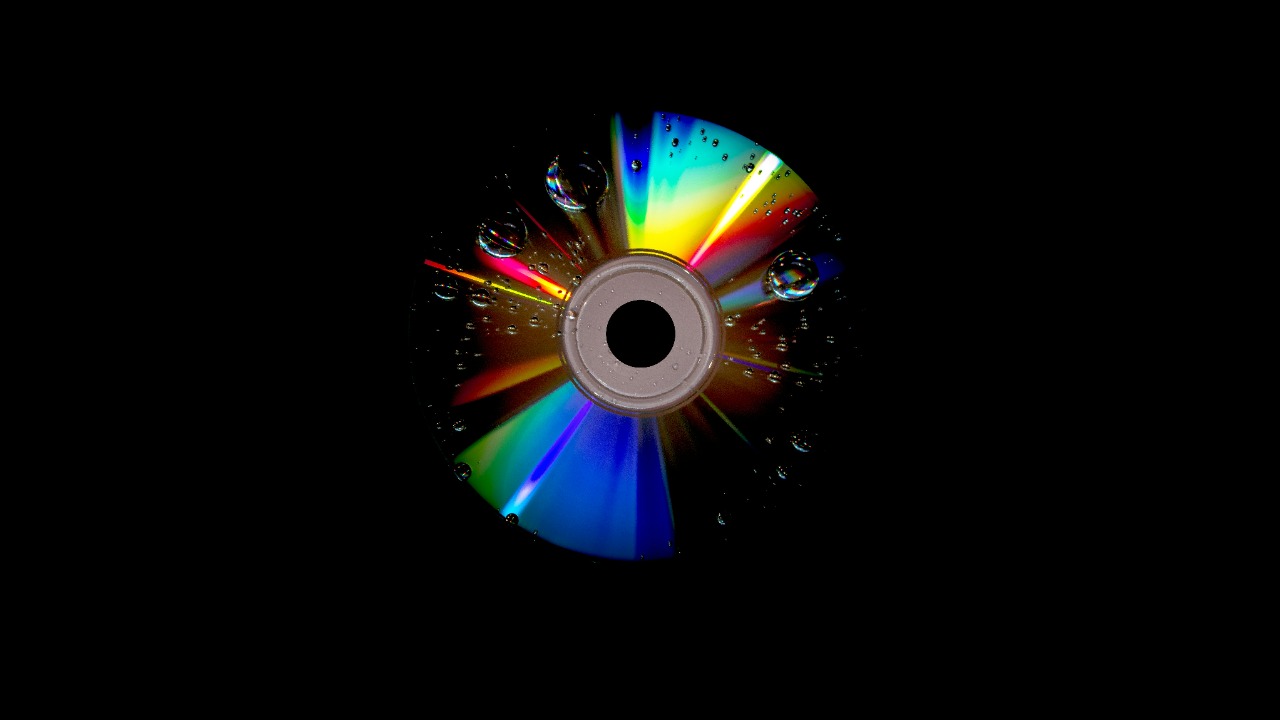
The “Super DVD” represents a significant milestone in the journey of holographic storage. This isn’t just a step up from traditional DVDs; it’s a quantum leap. The Super DVD is being hailed as a breakthrough, with the capacity to store a whopping 1 petabyte of data.
To appreciate the enormity of this advancement, consider that a standard DVD holds just 4.7 gigabytes of data. The Super DVD can hold over 200,000 times that amount. This Reddit thread offers a lively discussion on the Super DVD, with insights, questions, and reactions from the public.
Long-Term Benefits of Holographic Storage

The benefits of holographic storage extend far beyond sheer capacity. Holographic storage discs are less susceptible to damage from scratches or dust, and they can withstand a broader range of temperatures than traditional storage media. This makes them an excellent choice for long-term data storage.
Moreover, holographic storage also offers a faster data retrieval rate compared to traditional storage methods. This is because the data is stored in a three-dimensional pattern, allowing for multiple data points to be read simultaneously. The 24x7mag.com source provides an expert take on the long-term benefits of holographic storage.
That said, every technology has its challenges and limitations. For holographic storage, these include the high cost of production and the need for specialized equipment to read and write data. However, as the technology matures, these challenges are likely to be overcome.
Implications for Data Centers and the Tech Industry

The implications of 1 petabyte discs for data centers are huge. Currently, data centers rely on large arrays of hard drives to store data. With holographic storage, the physical space needed for data storage could be drastically reduced.
According to this Quantum Zeitgeist article, the advent of 1 petabyte discs could herald a new era for data centers. It also predicts that the ripple effect of this technology will permeate the entire tech industry, from cloud services to consumer electronics.
Case Study: The 1.6 Petabit Optical Storage Disc

As if 1 petabyte discs weren’t impressive enough, scientists have recently unveiled a 1.6 petabit optical storage disc. Reported by itbrew.com, this disc takes data storage to the next level, with a capacity equivalent to 200,000 DVDs.
While the 1 petabyte and the 1.6 petabit discs are both significant achievements in the realm of data storage, they utilize different technologies. The 1 petabyte disc uses holographic storage, while the 1.6 petabit disc uses multiplexed optical data storage. Despite these differences, both discs demonstrate the exciting future of data storage.
The potential implications of these developments for the future of holographic storage are vast. As we continue to generate and consume data at an ever-increasing rate, the need for more efficient and capacious data storage solutions will only grow. Holographic storage, with its unprecedented storage capacity and long-term durability, is poised to meet this demand head-on.