

The recent discovery of an exoplanet just 20 light-years away has sparked intrigue and debate among the scientific community. The planet exhibits a startling similarity to Earth, including the potential presence of forests, prompting a fresh discussion on the possibilities of extraterrestrial life.
The Discovery of the Exoplanet
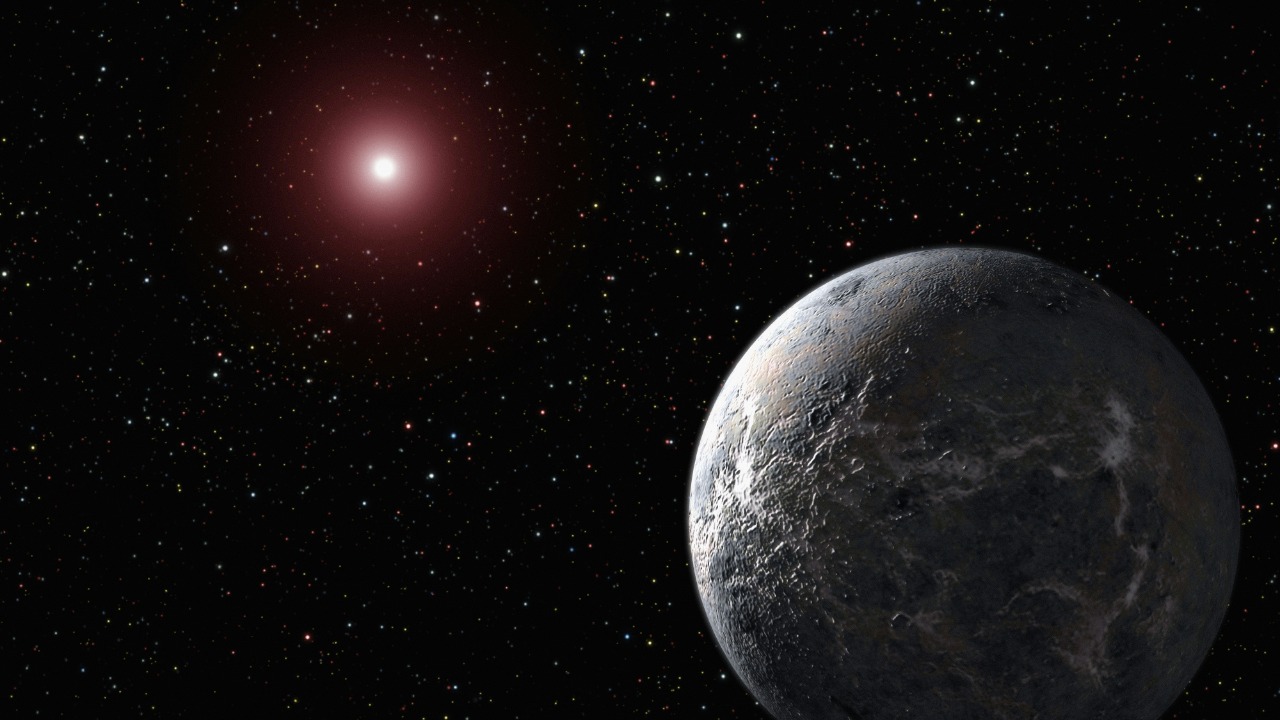
The discovery of this intriguing exoplanet was a remarkable achievement in the field of astrophysics. NASA played a pivotal role in the discovery, employing cutting-edge technology and advanced observational techniques to locate and study the planet. Initial observations of this celestial body have been intriguing, showcasing its Earth-like qualities and potential for life
The exoplanet is located a mere 20 light-years away from Earth, which, in cosmic terms, is relatively close. This proximity has facilitated a more detailed study and analysis of the planet, providing scientists with invaluable data and insights. For further information on the discovery and initial observations, you can visit NASA’s official website.
Understanding Exoplanets
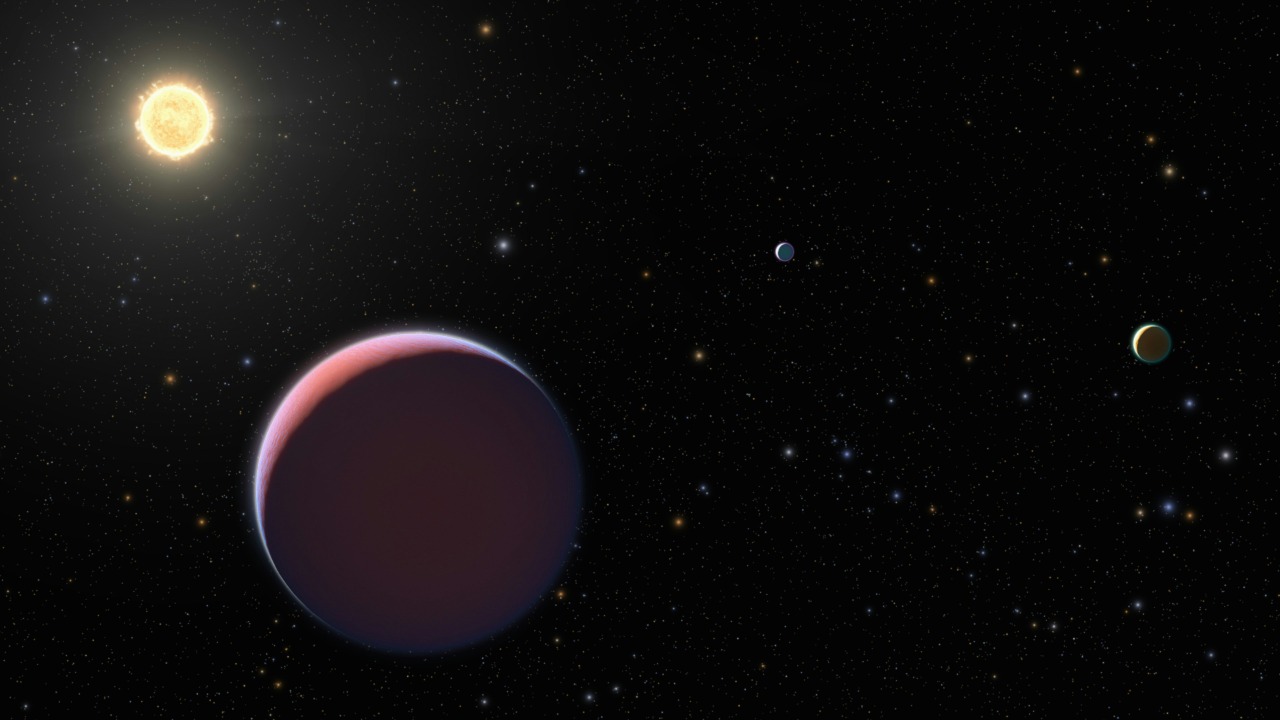
Exoplanets, also known as extrasolar planets, are planets that orbit a star outside of our solar system. These celestial bodies are categorized based on various criteria, including their size, temperature, and atmospheric composition. The discovery of an Earth-like exoplanet is of immense significance, as it opens up new possibilities for the existence of life beyond Earth.
There have been many notable exoplanet discoveries in recent years, each contributing to our growing understanding of the universe. For those interested in delving deeper into the world of exoplanets, I recommend this comprehensive book on the subject.
The Exoplanet’s Atmospheric Composition
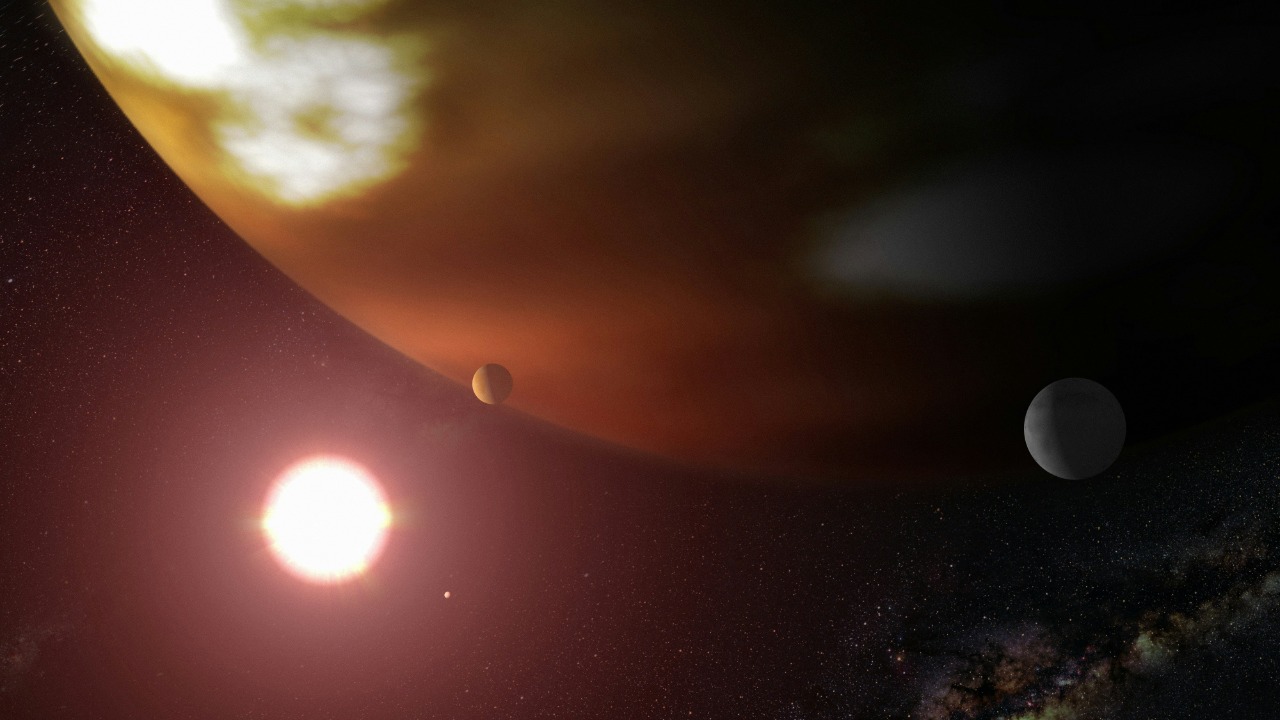
Analysis of the exoplanet’s atmosphere has been carried out using spectroscopy, a method that allows scientists to identify the elements and compounds present. Preliminary findings suggest that the planet’s atmosphere could contain oxygen and water, two key elements for the sustenance of life as we know it.
The potential presence of these elements has significant implications for the possibility of life on the exoplanet. However, it’s important to note that these are preliminary findings and further research is required to confirm the presence of oxygen and water. For a more detailed discussion on the possible atmosphere of this exoplanet, check out this news article.
The Forests of the Exoplanet
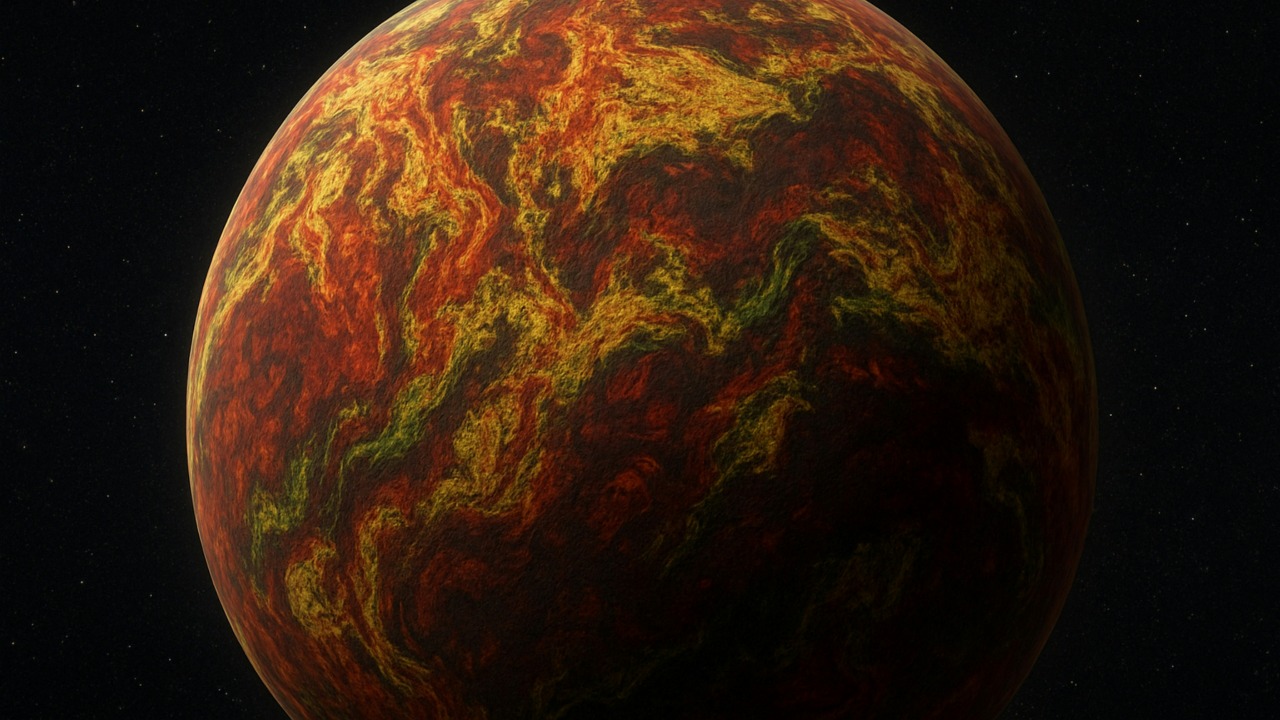
Perhaps the most exciting aspect of this exoplanet is the evidence suggesting the presence of forests. This claim is based on the analysis of light reflected from the planet, which exhibits patterns similar to those observed when light reflects off Earth’s forests.
These potential extraterrestrial forests could share many characteristics with those on Earth, further strengthening the case for life on the exoplanet. A comparison of these forests with our own can provide valuable insights into the potential biodiversity and ecological dynamics of the exoplanet. For more exciting updates on this, you can follow this Facebook post.
Debates and Future Research

The discovery of this exoplanet has ignited intense debates within the scientific community. While some are optimistic about the potential for life, others caution against premature conclusions and emphasize the need for further research. There is also a growing interest in potential future missions to the exoplanet, which could provide definitive answers and possibly alter our understanding of life in the universe.
The future of exoplanet research looks promising, with advancements in technology and increased funding facilitating more detailed studies and explorations. As we continue to unravel the mysteries of the universe, discoveries like this exoplanet bring us one step closer to answering the age-old question: Are we alone in the universe?