
The dawn of artificial intelligence (AI) has revolutionized numerous fields, including cryptography. This advanced technology has demonstrated remarkable prowess in deciphering complex cryptographic codes, some of which have stumped experts for an entire century. Let’s delve into how AI has managed to achieve these impressive feats and the potential implications of this progression.
The Power of AI in Cryptography
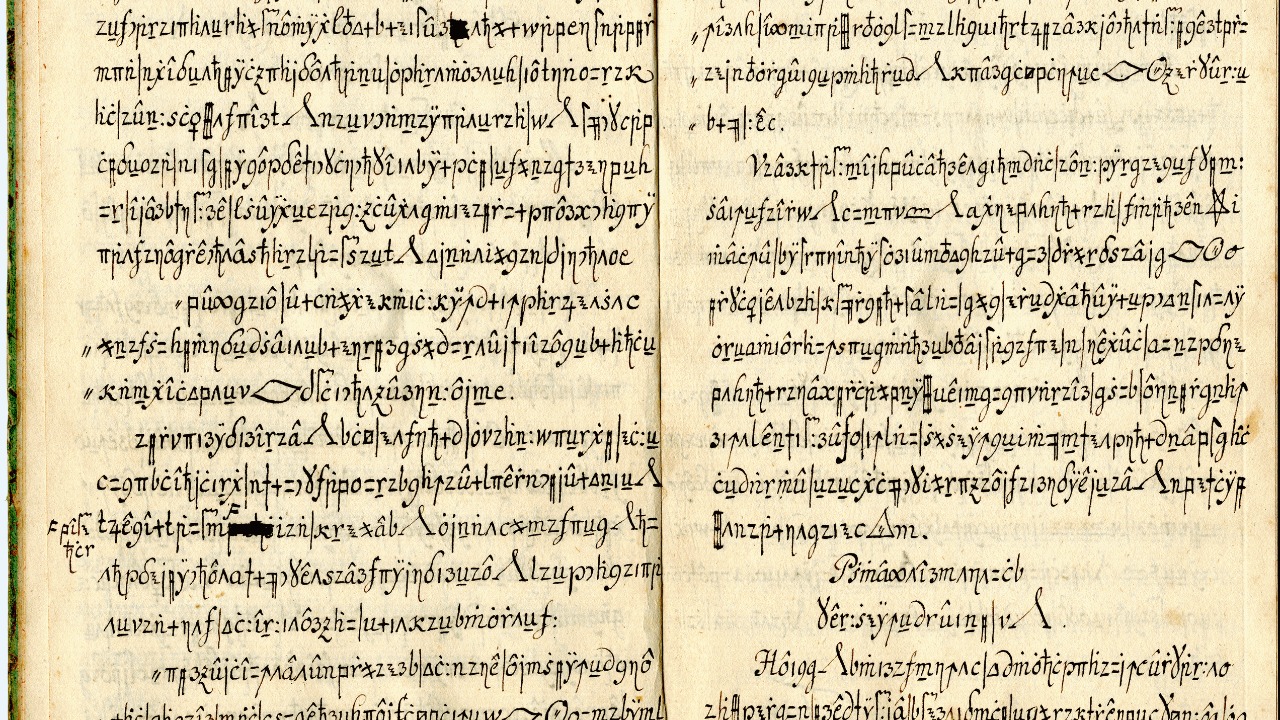
Cryptography, the science of encoding and decoding messages to protect information, has been an area of interest for many years. AI, with its ability to process and analyze large volumes of data, has become a valuable tool in this field. Examples of complex codes AI has successfully cracked include the Enigma machine codes from World War II and the Copiale Cipher, a mysterious handwritten book discovered in the 18th century.
One of the more notable achievements is the deciphering of a 100-year-old code. This was accomplished using machine learning algorithms and language models that could predict the likelihood of certain characters or sequences in a given context. The success of AI in cracking these century-old codes highlights the potential of this technology in solving cryptographic puzzles that have remained unsolved for decades or even centuries.
Case Study: Deciphering the Indus Script
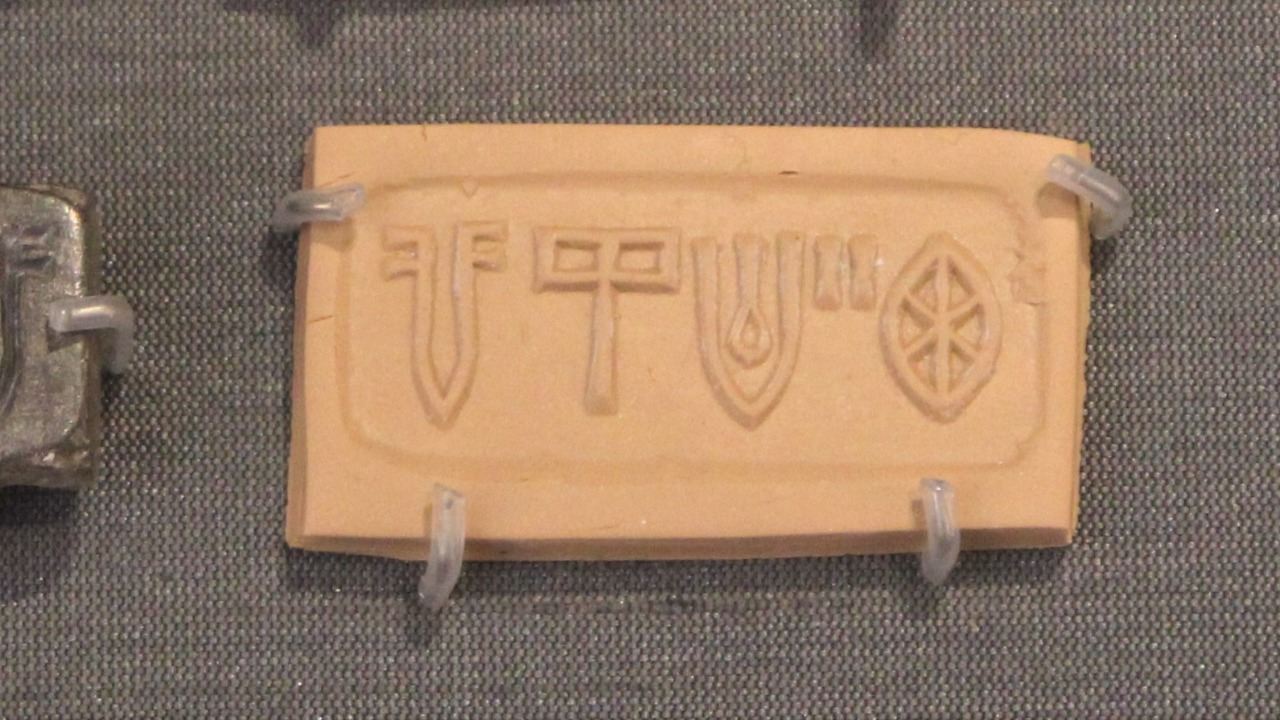
The Indus script is one of the oldest known writing systems, and for over 4,000 years, it has remained a mystery to scholars. That changed with the introduction of AI. A machine-learning model was trained on a dataset of Indus symbols and their possible meanings, enabling it to predict translations with a high degree of accuracy.
The AI program’s role in the translation of the script has been significant. It helps scholars understand the civilization’s culture, economy, and social structures. The breakthrough in decoding the Indus script shows the potential of AI in deciphering ancient languages and scripts, opening up new avenues for research in archaeology and history.
Quantum Computing and Cryptography
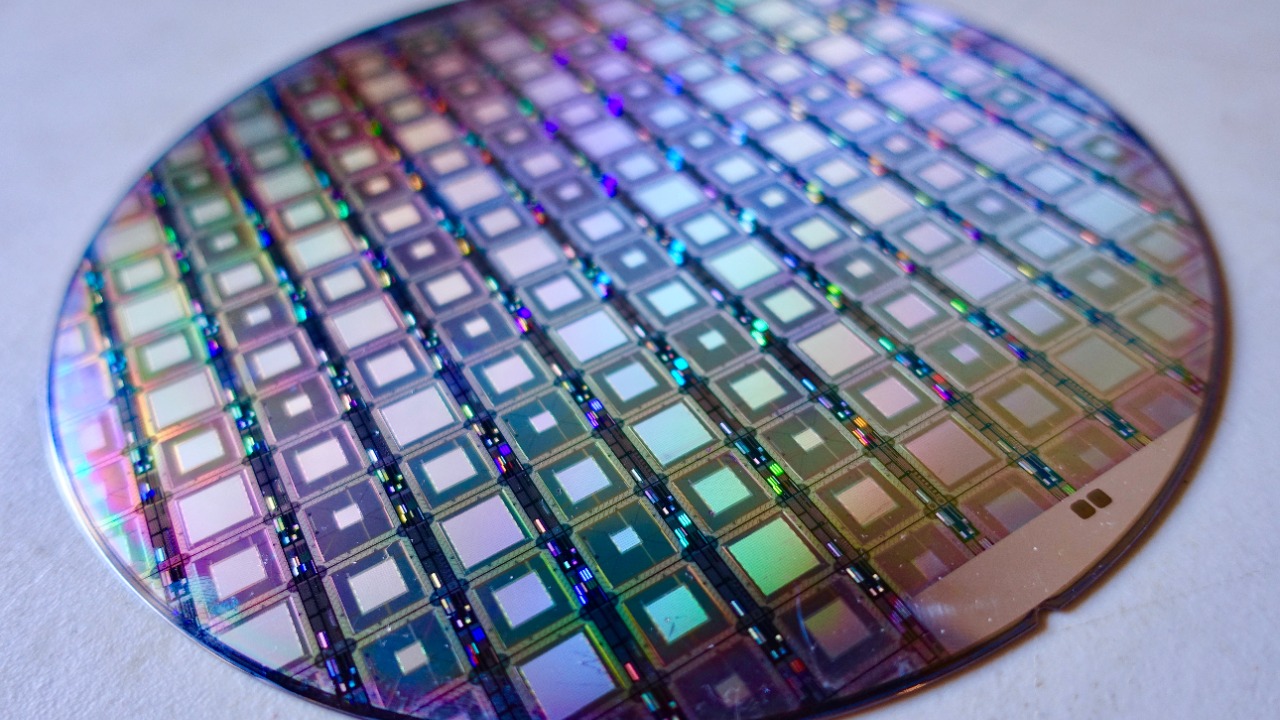
Quantum computers, capable of performing computations at speeds far surpassing those of traditional computers, could potentially revolutionize cryptography. With their ability to crack complex codes in a fraction of the time it would take current computers, they present both opportunities and challenges.
However, the advent of quantum computing also poses significant risks. These powerful machines could be a dream come true for hackers, potentially endangering everything from military secrets to bank information. As we move towards an era of quantum computing, the need for quantum-resistant cryptography becomes more urgent than ever.
AI and Codebreaking: A Double-Edged Sword
As with any technology, AI in codebreaking presents a double-edged sword. On one hand, it’s a powerful tool for decoding complex scripts and codes, making it invaluable in fields such as archaeology, history, and cybersecurity. On the other hand, it could be misused for illicit activities like hacking.
Preventing misuse is a complex task. Measures being taken include the development of more robust and secure cryptographic systems, and stricter regulations and laws pertaining to the use of AI and quantum computers in cryptography. An example of such a case can be found in an Israeli case, where the authorities had to intervene to prevent the misuse of AI in codebreaking.
Future Implications of AI in Cryptography

The future of AI in cryptography looks promising. With the rapid advancements in AI and machine learning technologies, we can expect more complex codes and scripts to be deciphered. We could see breakthroughs in areas that have been puzzles for centuries. In addition, AI could play a key role in the development of new cryptographic systems that are more secure and efficient.
However, this technology also presents challenges. Ensuring the ethical use of AI and quantum computers in cryptography will be a critical task. Balancing the benefits of AI in codebreaking with the potential risks it poses will be a key concern for policymakers, technologists, and cryptographers in the years to come.
In conclusion, AI has already shown its value in cracking complex codes, and its potential applications in cryptography are vast. As we continue to explore and develop this technology, we must also be mindful of the associated risks and work towards mitigating them.