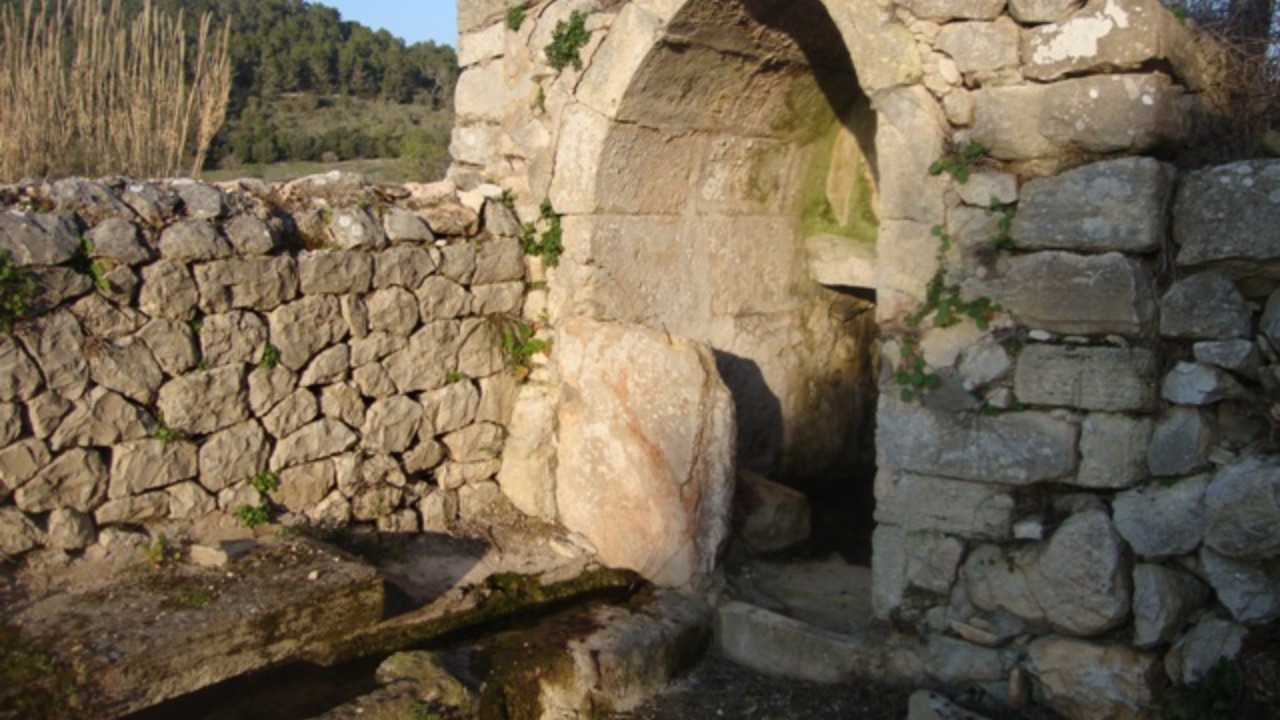

The ancient Persian aqueducts, known as Qanats, stand as a testament to the ingenuity of early human civilizations. The remarkable construction of these water systems has not only sustained populations in arid regions for centuries but also continues to inspire modern water management strategies worldwide.
The Historical Significance of Persian Aqueducts
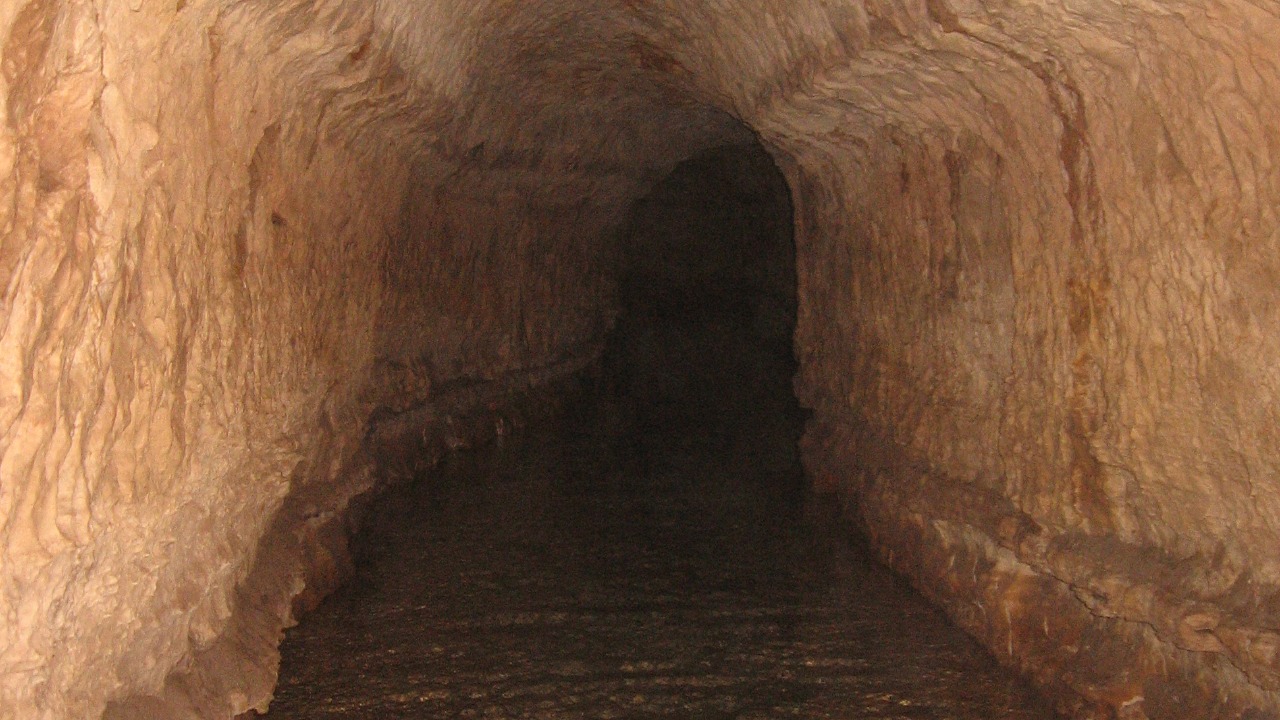
Originating over 3000 years ago in ancient Persia, the Qanats are a testament to the human capacity for innovation. These underground aqueducts were meticulously constructed to transport water from mountain springs to dry, low-lying regions for irrigation and drinking. The role of Qanats in ancient Persia’s development was profound. They enabled agriculture and urbanization in areas where rainfall was scarce, leading to the emergence of prosperous city-states and civilizations. For a deep dive into the construction and cultural significance of Qanats, you can explore here.
Beyond their practical function, Qanats held cultural significance and symbolized the harmonious relationship between humans and nature. Their legacy has spread far beyond their Persian roots, influencing water management systems in many parts of the world. Even today, they continue to serve as a source of life in many regions, bearing witness to their timeless design and functionality.
Understanding the Persian Aqueducts (Qanat) System
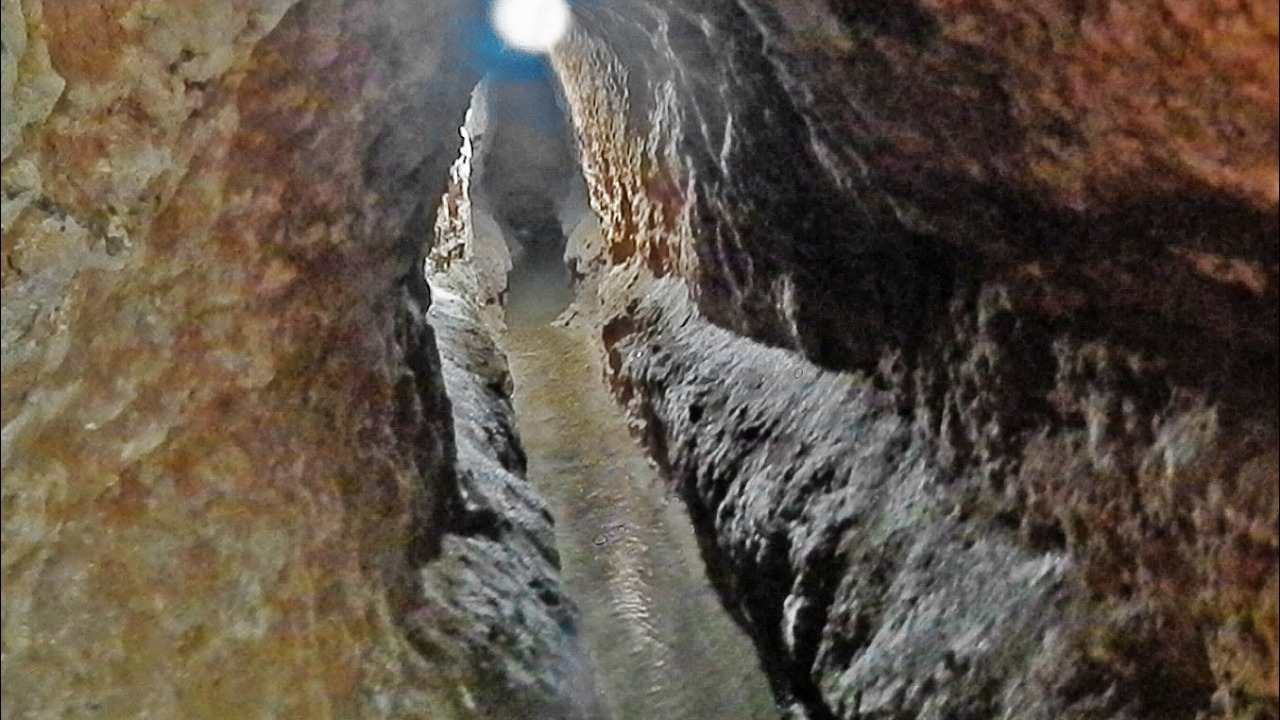
The brilliance of the Qanat system lies in its design and engineering. These underground canals were constructed at a slight gradient, allowing gravity to transport water over long distances. The system was sustainable, eco-friendly, and adept at addressing water scarcity issues. The ingenious design of the Qanats relied on simple principles and local materials, making it a reliable and sustainable solution for water management.
Furthermore, the Qanat system was environmentally friendly. It minimized evaporation, prevented water contamination, and reduced the need for energy-intensive pumping systems. This sustainable approach to water management allowed communities to thrive in arid regions without depleting precious water resources. Consequently, the Qanat system has a lot to teach us about sustainable water management and resilience in the face of scarcity.
Modern Applications of Qanat Systems
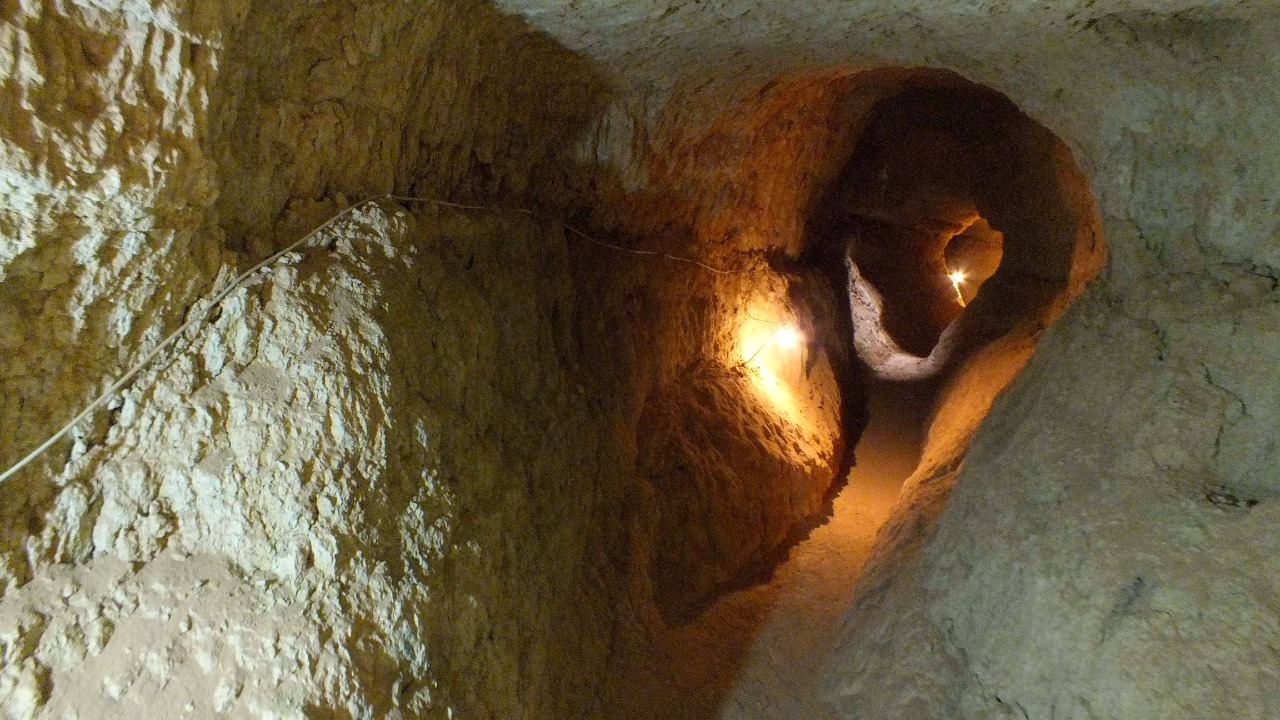
Modern water systems worldwide have drawn inspiration from the Qanat system. A striking example is the cooling system in Seville, Spain, which uses the principles of Qanats to cool public spaces. This ingenious application of ancient technology in a modern context demonstrates the enduring relevance of Persian aqueducts. You can read more about Seville’s cooling system here.
The principles of Qanat systems have also been incorporated into contemporary urban planning and architecture. For instance, they play a crucial role in sustainable development goals by promoting efficient water use and reducing reliance on energy-intensive water systems. The potential of Qanat-inspired systems in addressing contemporary water scarcity issues is immense and continues to be explored in various contexts.
Lessons from Persian Aqueducts for Future Water Management
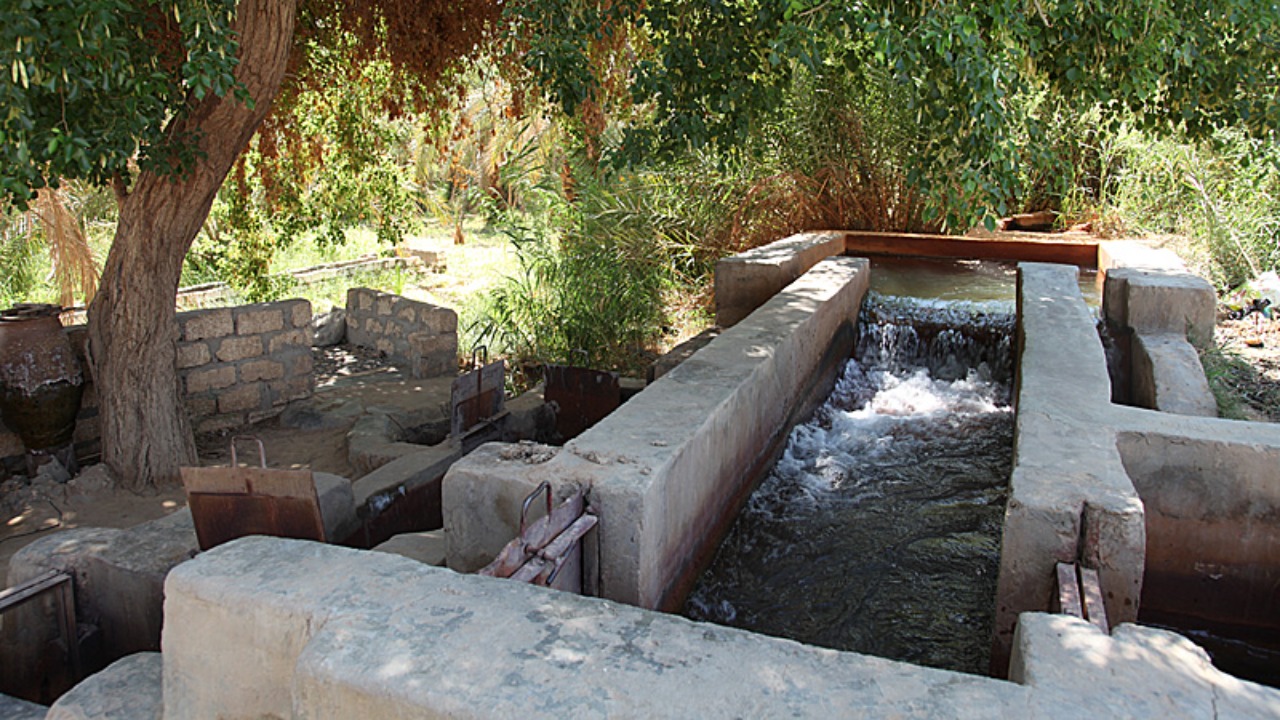
The ancient Qanat systems offer valuable lessons for future water management. Their sustainable design and efficient water use can inspire innovative solutions to tackle modern water scarcity issues. Furthermore, their relevance in climate change adaptation and resilience is increasingly recognized.
As we face unprecedented challenges related to water scarcity and climate change, the principles behind Qanats can serve as a powerful guide. They underscore the importance of leveraging local materials, adopting sustainable practices, and designing systems that harmonize with nature. The lessons from Qanats can inform and inspire contemporary water management strategies, leading us towards a more sustainable and resilient future.
Challenges and Opportunities in Reviving Qanat Systems

Despite their historical significance and potential, maintaining and reviving ancient Qanats presents several challenges. These include technical difficulties, lack of knowledge and skills, and the pressure of urbanization. However, efforts are being made to address these issues and promote the conservation of Qanats. The role of international cooperation and heritage preservation is vital in this regard.
Reviving the Qanat systems offers numerous opportunities for sustainable development and resilience. By harnessing the wisdom of our ancestors, we can foster sustainable communities that are resilient in the face of climate change and water scarcity. The potential of Qanat systems in this context is enormous, as detailed in this study. As we look to the future, the ancient Qanats serve as a reminder of the timeless relevance of sustainable and resilient design.