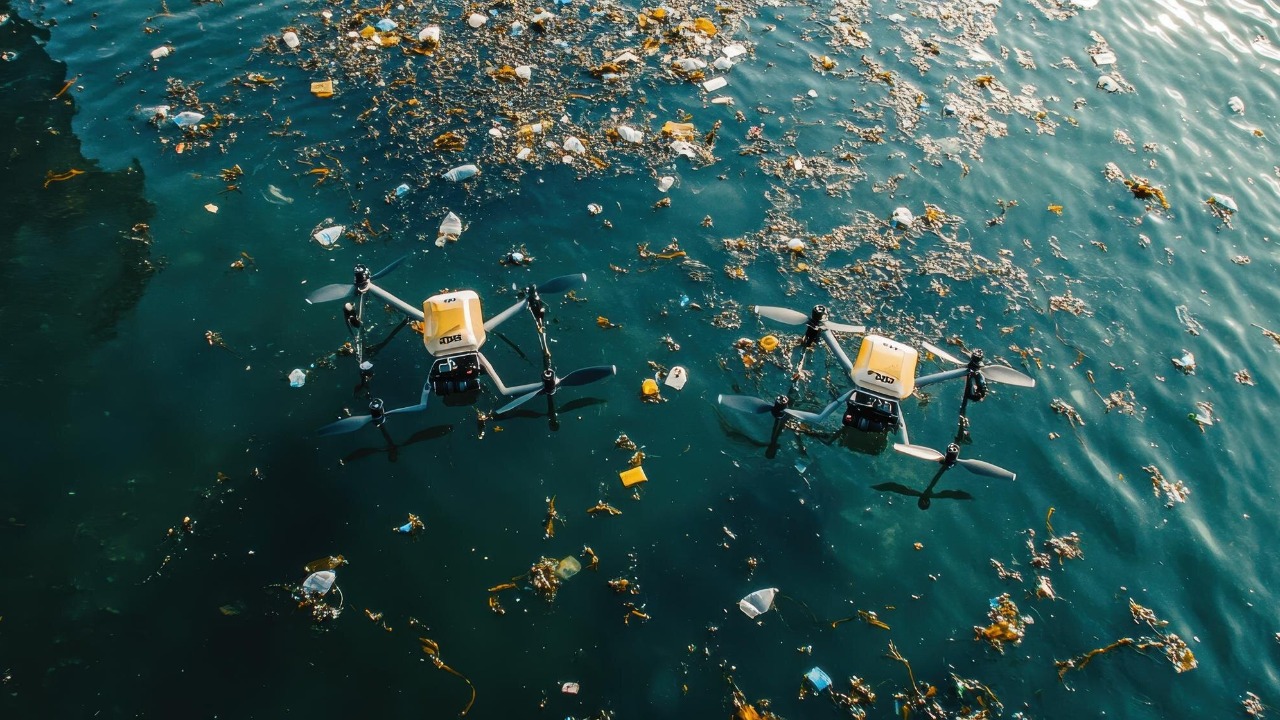

As an innovative solution to the alarming issue of plastic pollution in our oceans, the ocean cleanup drone has the potential to transform the way we handle waste. This remarkable machine is capable of collecting up to 10 tons of waste every day, offering a promising response to a pressing global concern.
Understanding the Ocean Plastic Problem
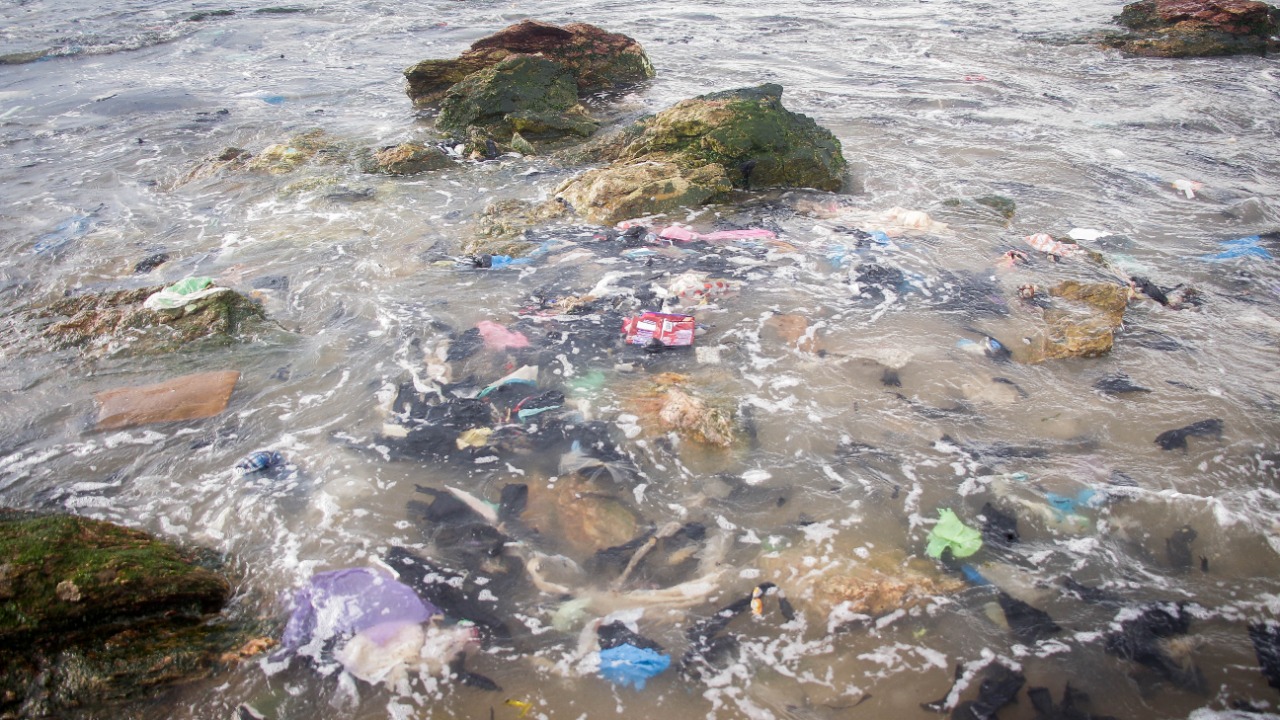
Plastic pollution in the ocean is a widespread and highly damaging problem. According to a report from Columbia University News, an estimated 8 million metric tons of plastic enters the ocean each year, causing untold damage to marine ecosystems and wildlife. This pollution does not just float on the surface; it breaks down into microplastics and sinks, causing damage throughout the water column.
The challenge of cleaning up ocean plastic is a monumental one. Traditional methods of waste collection, such as beach cleanups and trash booms, are woefully inadequate for the scale of the problem. These approaches primarily target larger pieces of plastic and are ineffective at removing microplastics. Moreover, they are labor-intensive and limited by geographical constraints. We need a more efficient and proactive solution, and this is where the ocean cleanup drone comes in.
The Ocean Cleanup Drone: A Revolutionary Design
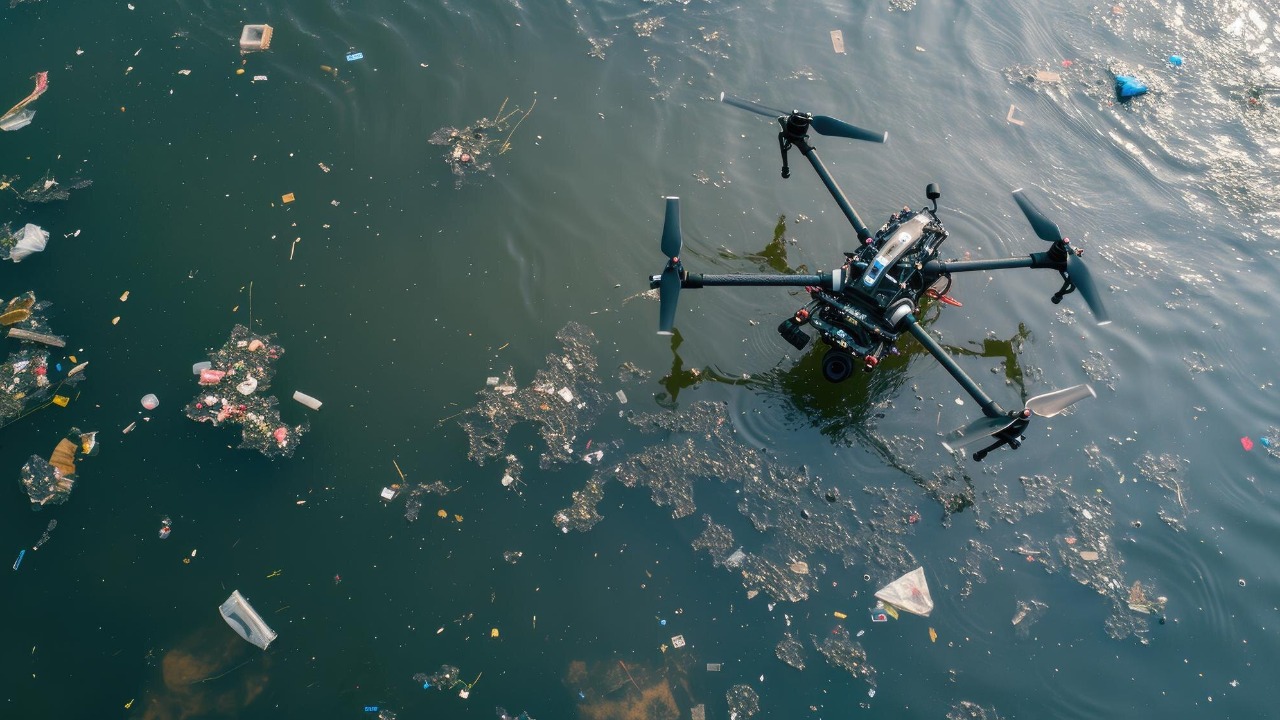
The ocean cleanup drone represents a significant leap forward in waste management technology. As described in detail by MDPI and Technology Networks, the drone is equipped with advanced detection systems that allow it to identify and track plastic debris. It then uses a specially designed net to collect the waste, which is subsequently compacted and stored within the drone’s body.
The drone’s design is remarkably efficient, enabling it to collect up to 10 tons of waste daily. This level of productivity far surpasses that of traditional cleanup methods and offers a much-needed boost in the fight against plastic pollution. Additionally, the drone is designed to be resilient and durable, capable of operating in a wide range of sea conditions.
The Operation of the Ocean Cleanup Drone
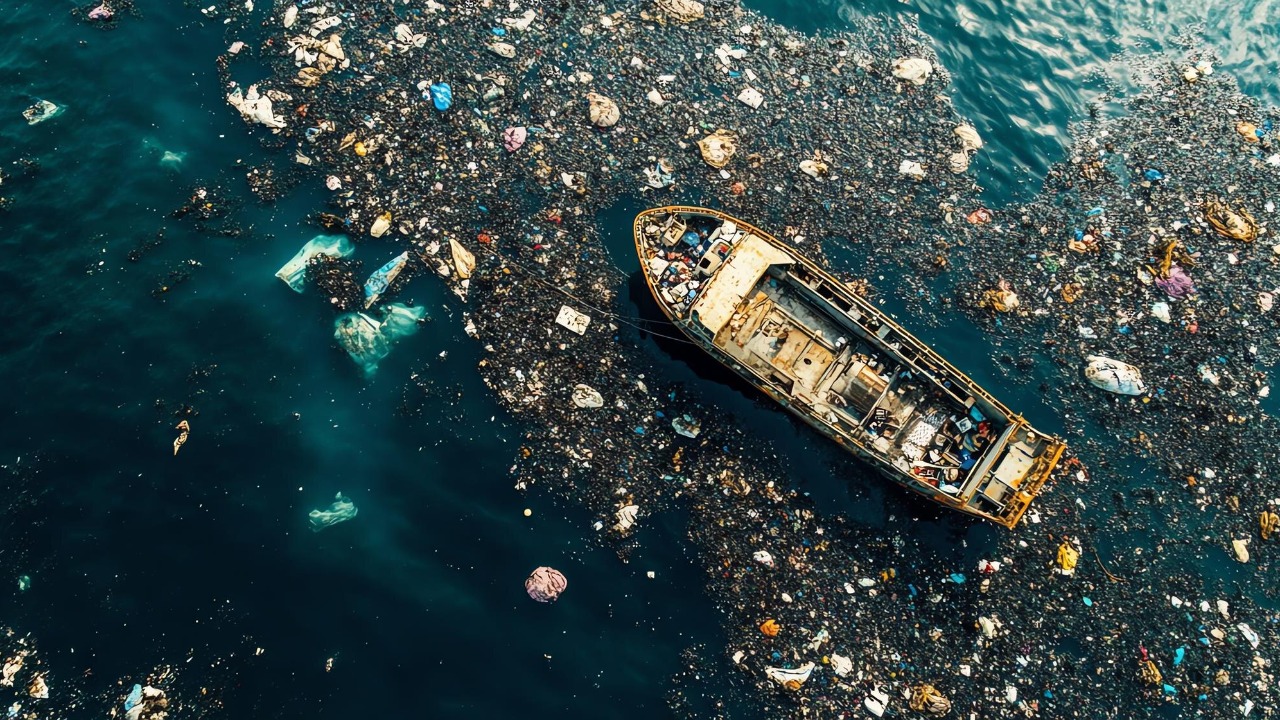
The operation of the ocean cleanup drone is a multi-stage process. It begins with the detection phase, where the drone uses its sensors to scan the surrounding waters for plastic debris. Once identified, the drone navigates towards the debris, extends its net, and scoops up the waste. The collected plastic is then compacted and stored within the drone.
One of the most notable aspects of the drone is its power source. It is designed to operate on renewable energy, with solar panels installed on its surface to harness sunlight. This not only ensures that the drone’s operation is sustainable, but it also minimizes its carbon footprint, contributing further to its environmental benefits.
Assessing the Impact of the Ocean Cleanup Drone

The ocean cleanup drone can have a significant impact on the marine environment. As highlighted in Dialogue Earth articles, the drone’s efficient plastic collection can help to reduce the amount of debris in the ocean, thereby protecting marine life and ecosystems.
However, it’s also essential to consider potential criticisms or concerns. Some may argue that the drone’s operation could disturb marine life or that its collection of microplastics might be inadequate. While these are valid concerns, it’s crucial to weigh them against the immense benefits of reducing plastic pollution. Continued research and development can further improve the drone’s design and operation to minimize any potential negative impacts.
Looking to the Future: Drone Technology and Ocean Cleanup
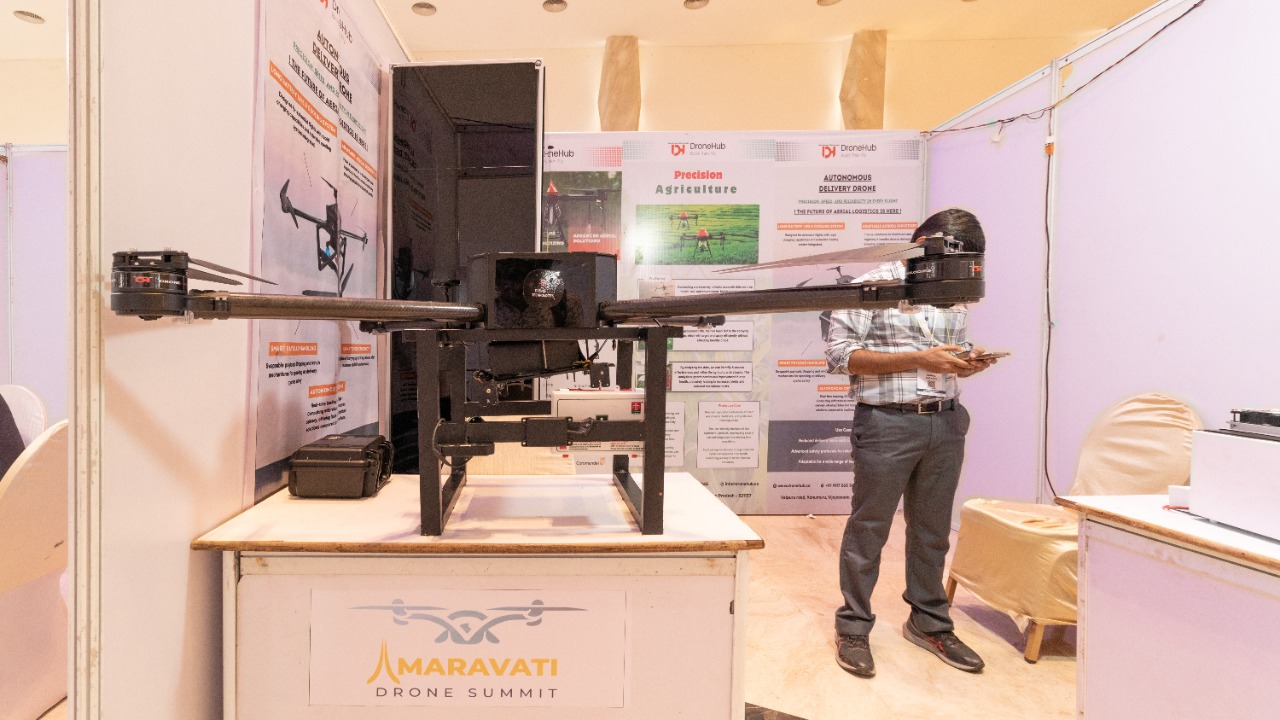
Looking ahead, there is enormous potential for advancements in drone technology to further enhance its efficiency and decrease its environmental impact. For instance, improvements in battery technology could extend the drone’s operational time, while advancements in sensor technology could improve its ability to detect and collect microplastics.
Moreover, the success of the ocean cleanup drone could inspire similar technological solutions for other environmental issues. From air pollution monitoring to wildlife conservation, the application of drone technology can revolutionize the way we protect and preserve our planet. As we continue to innovate and push the boundaries of what’s possible, it’s clear that technology will play an integral role in shaping a sustainable future.