

The evolution of neurotechnology has ushered in an era of hope and innovative solutions for those affected by stroke. One such advancement is the use of neural implants to restore speech in these individuals. This revolutionary technology not only enhances our understanding of the human brain but also holds promising implications for the future of neurorehabilitation.
Understanding the Impact of Stroke on Speech

Stroke, a leading cause of death and disability, often leaves survivors with impaired speech and communication abilities, a condition known as aphasia. It affects one’s ability to express and comprehend language, both verbally and in written form. Even though speech and language therapy can help, it often falls short in restoring full communication abilities, especially in severe cases.
The psychological and social impacts of speech loss following a stroke cannot be understated. It often leads to social isolation, depression, and a significant reduction in overall quality of life. Hence, the need for more effective solutions like neural implants is evident.
The Science Behind Neural Implants
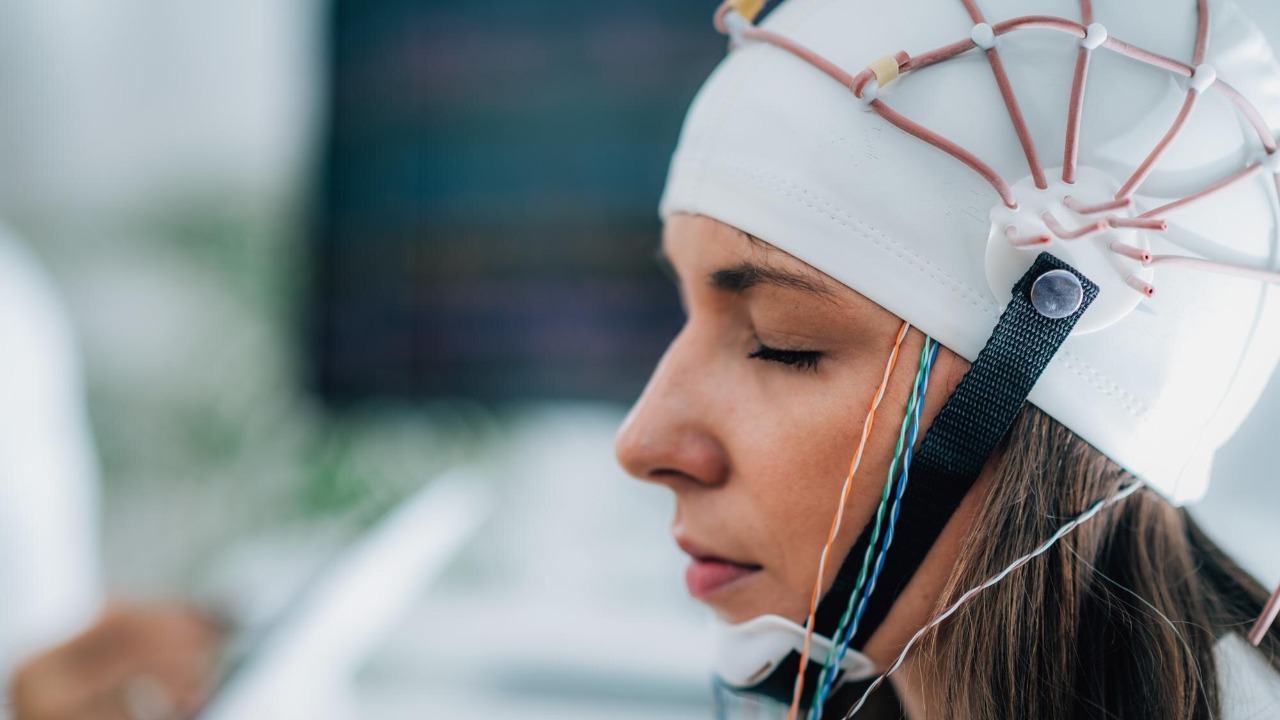
Neural implants are devices designed to interact directly with the brain’s neuronal circuits. They work by detecting and interpreting the brain’s electrical activity, then use this information to stimulate specific areas of the brain. In the context of stroke rehabilitation, these devices can potentially bypass the damaged areas of the brain, allowing for the restoration of speech.
Artificial Intelligence (AI) plays a critical role in this process. AI algorithms are used to translate the brain’s complex signals into speech. Research and development in this field have led to remarkable breakthroughs. For instance, one such study demonstrated the potential of AI and neural implants in enabling communication in people with severe paralysis.
Case Studies: Neural Implants in Action

One of the most groundbreaking applications of neural implant technology was carried out by UC Berkeley and UCSF. Their joint project successfully restored speech in a patient who had lost the ability to speak for over 18 years due to a stroke.
Similarly, the University of Michigan has embarked on a project aimed at using brain implants to help stroke victims regain their speech. In another inspiring case, a paralyzed woman was able to regain her voice thanks to advancements in AI and neural implants, as reported by UCSF.
Challenges and Limitations of Neural Implants
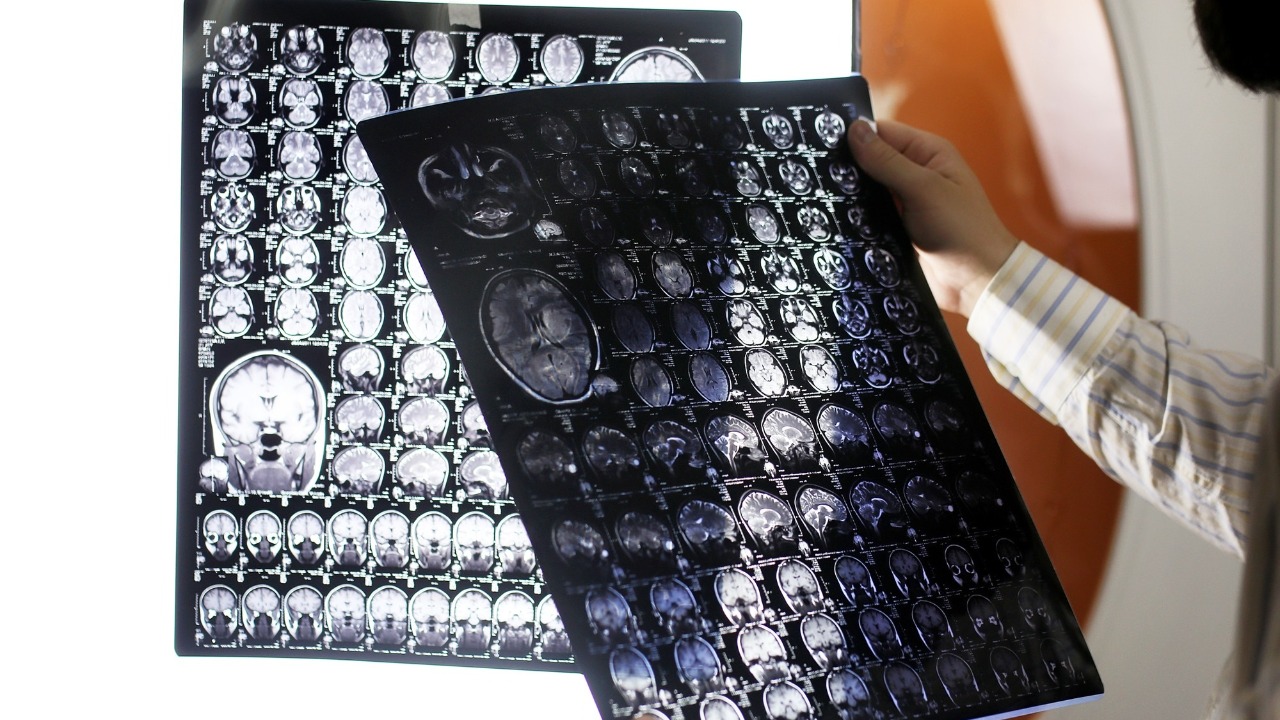
While neural implants hold great promise, they also come with potential risks and side effects. These include the risk of infection, device malfunction, and the potential for unknown long-term effects. It is also important to note that the procedure to implant these devices is highly invasive and requires expert neurosurgical intervention.
Moreover, the technology is currently costly and not widely accessible. This raises a host of ethical considerations, such as the risk of creating a disparity in access to such potentially life-changing treatments. The challenge, therefore, lies in making this technology available and affordable to all who could benefit from it.
The Future of Neural Implants in Stroke Rehabilitation

The potential for neural implants to revolutionize stroke rehabilitation is immense. As research and technology continue to evolve, so too does the hope for an improved quality of life for stroke survivors. The ongoing research in this field is aimed at improving the functionality of these devices, making them more efficient, safer, and more accessible.
With future advancements in neural implants and AI, we can look forward to a time when speech loss following a stroke is no longer a life sentence. Instead, it will be a challenge that can be overcome, thanks to the incredible potential of neurotechnology. As we continue to explore and understand the complexities of the human brain, we open new doors for rehabilitation, recovery, and, ultimately, the improvement of human life.