

The advent of self-cleaning glass is an innovation that could revolutionize the way we see through our windows. This technology has the potential to render windscreen wipers obsolete, making our vision clearer and cleaner. Let’s delve into the properties, technology, and applications of this fascinating product.
Understanding Self-Cleaning Glass

Self-cleaning glass, as the name suggests, has an inherent ability to clean itself. This unique attribute is facilitated by a thin layer of titanium dioxide, which breaks down dirt on the glass surface when exposed to sunlight. This photocatalytic process is complemented by the hydrophilic properties of the glass, which allow rainwater to spread evenly across the surface and wash away the broken-down dirt.
According to a study published in ScienceDirect, self-cleaning glass has been proven to effectively reduce the accumulation of dirt and grime. However, it’s worth noting that while efficient, the self-cleaning process is not instantaneous and may require a few days of exposure to sunlight and rain to achieve optimal results.
Production and Composition of Self-Cleaning Glass
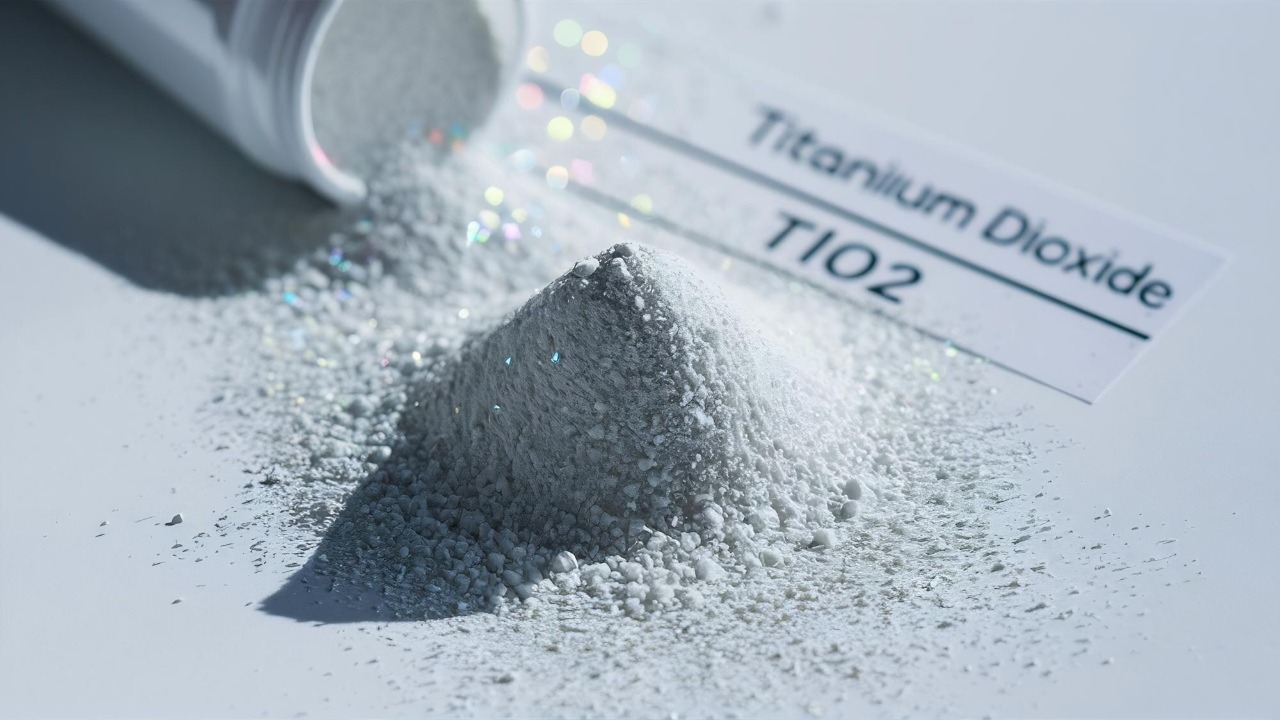
The manufacture of self-cleaning glass is a relatively complex process. The glass is first produced in the traditional way, and then coated with a thin layer of titanium dioxide. The coating process requires precision, as an even layer is necessary for the self-cleaning function to work effectively. The production process is energy-intensive, raising questions about its environmental impact.
However, according to a research paper on the sustainability of self-cleaning glass, the environmental impact is offset by the benefits. Over its lifespan, self-cleaning glass can reduce the need for chemical cleaning products and decrease energy consumption by reducing the need for artificial lighting, thanks to its translucency.
Comparing Traditional Glass and Self-Cleaning Glass

Compared to traditional glass, self-cleaning glass offers several distinct advantages. The most notable is its self-cleaning ability, which reduces the need for regular manual cleaning. This can result in significant savings in terms of both time and money over the lifespan of the glass.
However, there are some trade-offs. Self-cleaning glass is often more expensive upfront than traditional glass. Nonetheless, a review by The Daily World suggests that the higher initial cost can be offset by the savings in cleaning costs over time. Regarding durability, self-cleaning glass is no less robust than traditional glass and can withstand the same level of wear and tear.
Application of Self-Cleaning Glass in Various Industries

The automotive industry is one of the primary benefactors of self-cleaning glass. For instance, some high-end car models are now equipped with self-cleaning rear-view mirrors and windows, eliminating the need for wiper systems. This not only reduces maintenance costs but also improves driver visibility, particularly in adverse weather conditions.
Self-cleaning glass is also becoming increasingly popular in the construction and architectural industry. Its use in skyscrapers and large buildings can significantly cut down on maintenance costs, given the difficulty and expense of cleaning such large glass surfaces manually. Furthermore, there are other potential industries, like solar panel production, where self-cleaning glass could prove beneficial by reducing the need for panel cleaning and thereby improving energy efficiency.
Future Implications and Potential of Self-Cleaning Glass

Research and development in the field of self-cleaning glass are ongoing, with scientists continually exploring ways to improve its efficiency and broaden its applications. For example, a study published in the Journal of Materials Science suggests that modifications in the chemical composition of the self-cleaning layer could potentially enhance its photocatalytic properties.
Market projections also indicate a promising future for self-cleaning glass. As more industries recognize the benefits of this technology, its market share is expected to grow. Moreover, the widespread adoption of self-cleaning glass could have a significant societal impact, not only by making our lives easier but also by contributing to environmental sustainability.