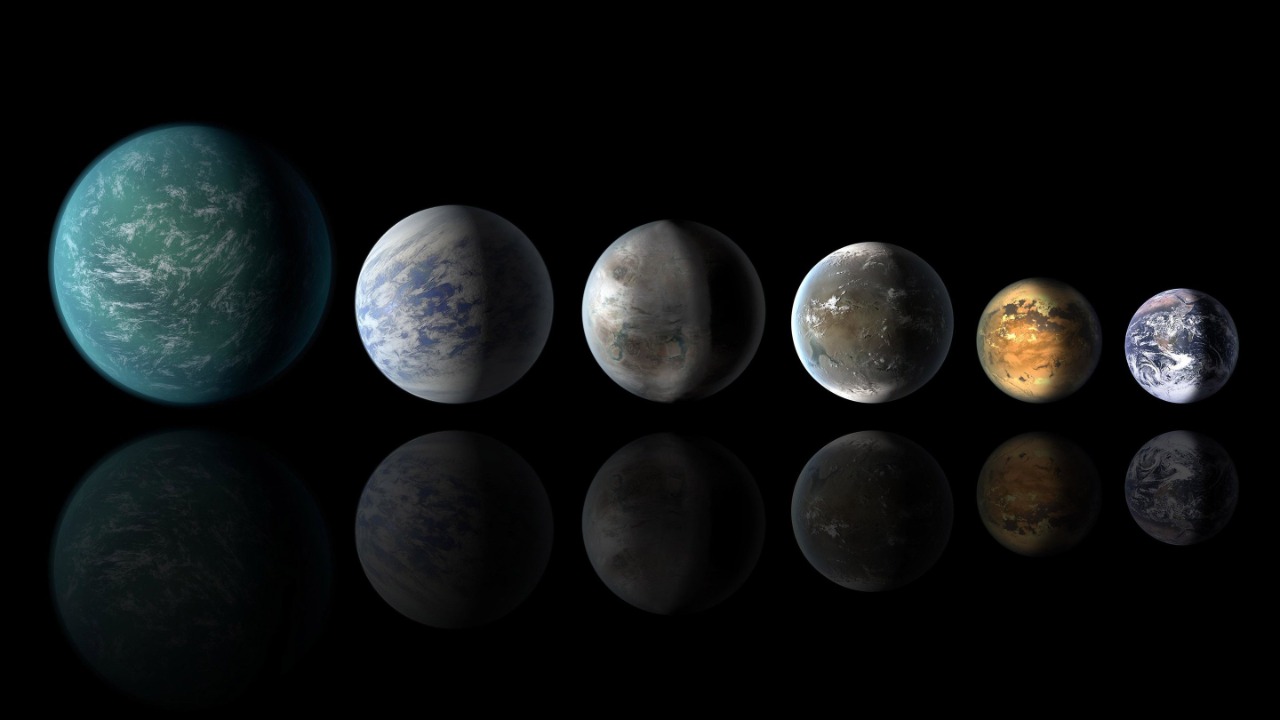

In a significant milestone for space research and exploration, an AI telescope has uncovered a whopping 500 new exoplanets. This remarkable achievement underscores the pivotal role artificial intelligence is playing in advancing our understanding of the cosmos, and sets the stage for future discoveries.
The Discovery of 500 New Exoplanets
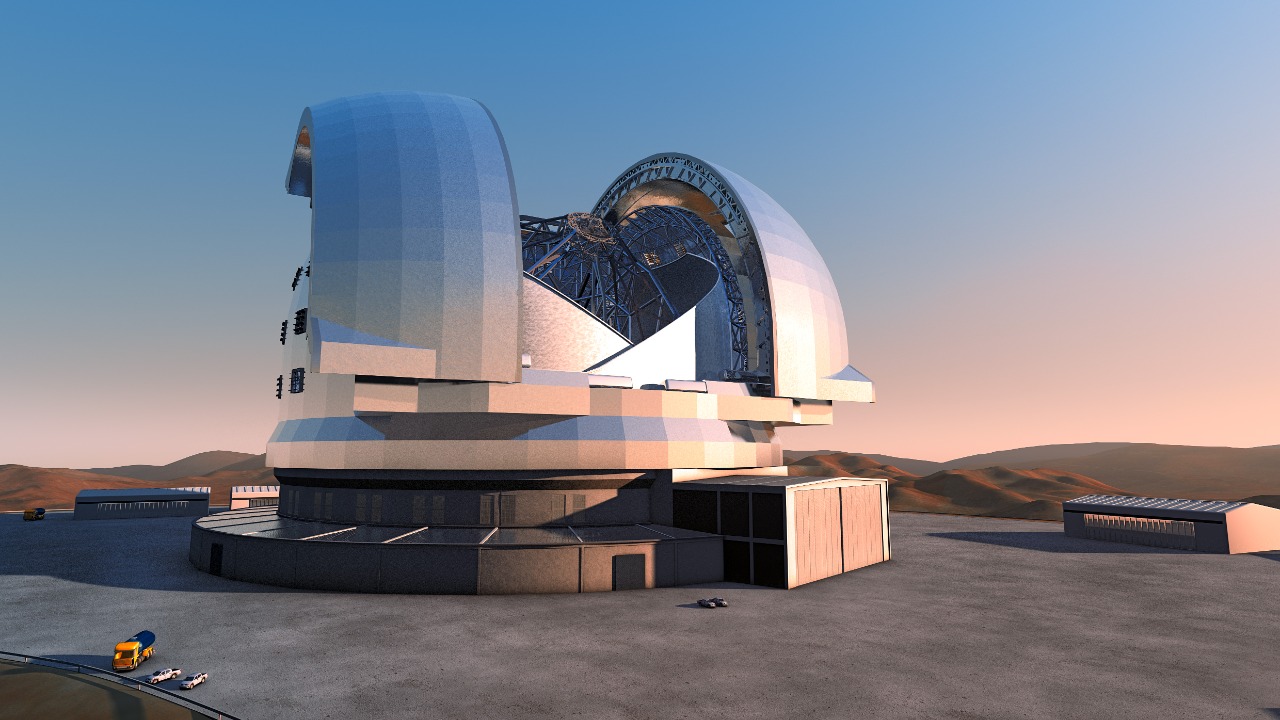
The AI telescope’s discovery of these new exoplanets, as documented in this research paper, marks a significant leap in our exploration of outer space. The telescope, leveraging the sophisticated algorithms, scanned the vast expanse of the cosmos to pinpoint these celestial bodies.
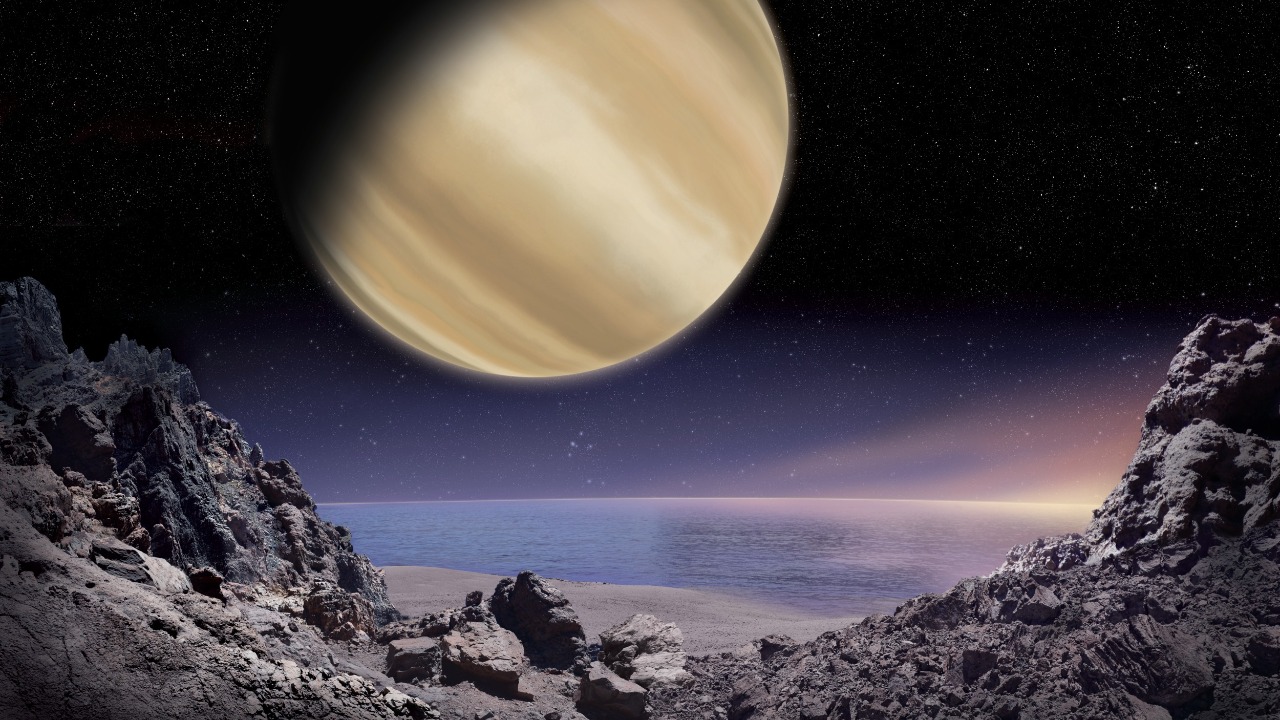
The newly discovered exoplanets vary in size, with some comparable to Earth while others are much larger, akin to Jupiter. Their locations also span across different parts of the galaxy, offering a diverse range of potential environments. This discovery not only expands our knowledge of the universe but also opens up new avenues for research into the possibilities of life on other planets.
Role of AI in the Discovery
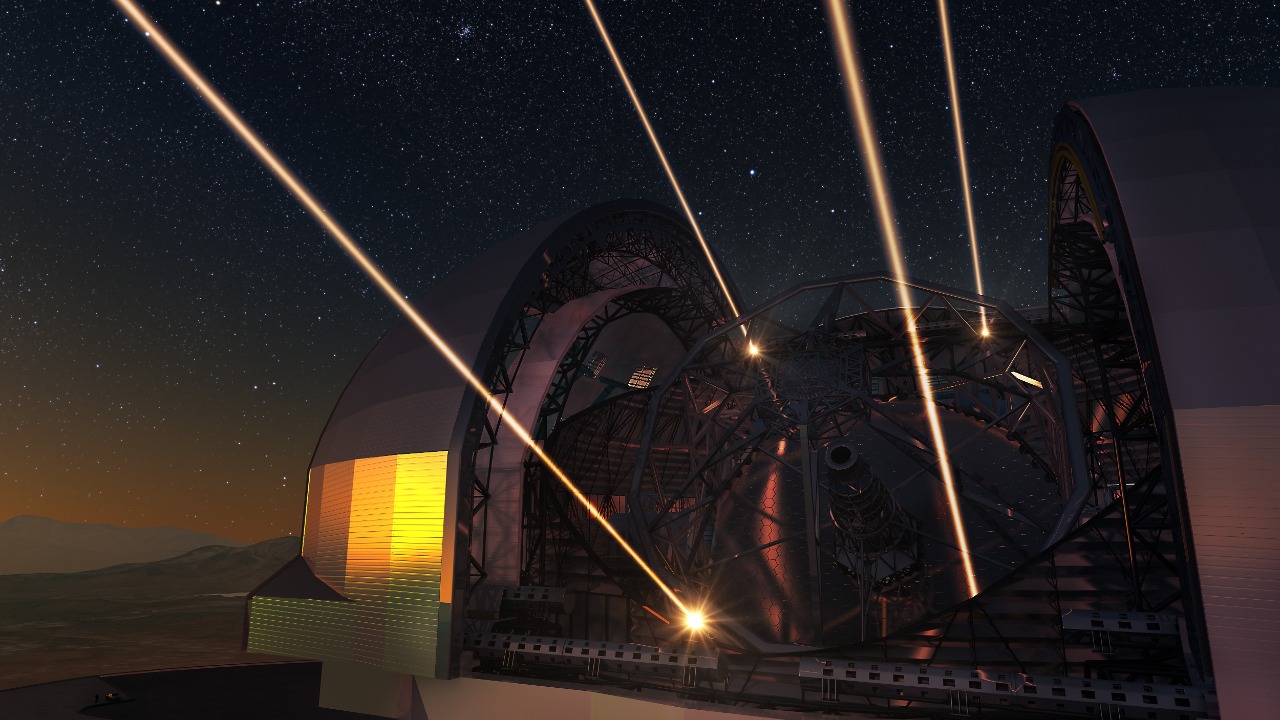
The AI telescope, as explained in this document, differs significantly from traditional scopes. It leverages advanced machine learning algorithms to process vast quantities of data in search of patterns that might indicate the presence of an exoplanet. This allows for a much more efficient analysis than what traditional human-led methods could achieve.
The CNN report highlights how AI is improving our ability to discover new planets. Its ability to quickly process and analyze vast amounts of data allows us to more accurately identify potential exoplanets. However, the integration of AI into astronomy is not without its challenges, as pointed out in this research. Issues such as data interpretation and the need for robust verification methods pose potential hurdles.
Implications for Future Space Exploration
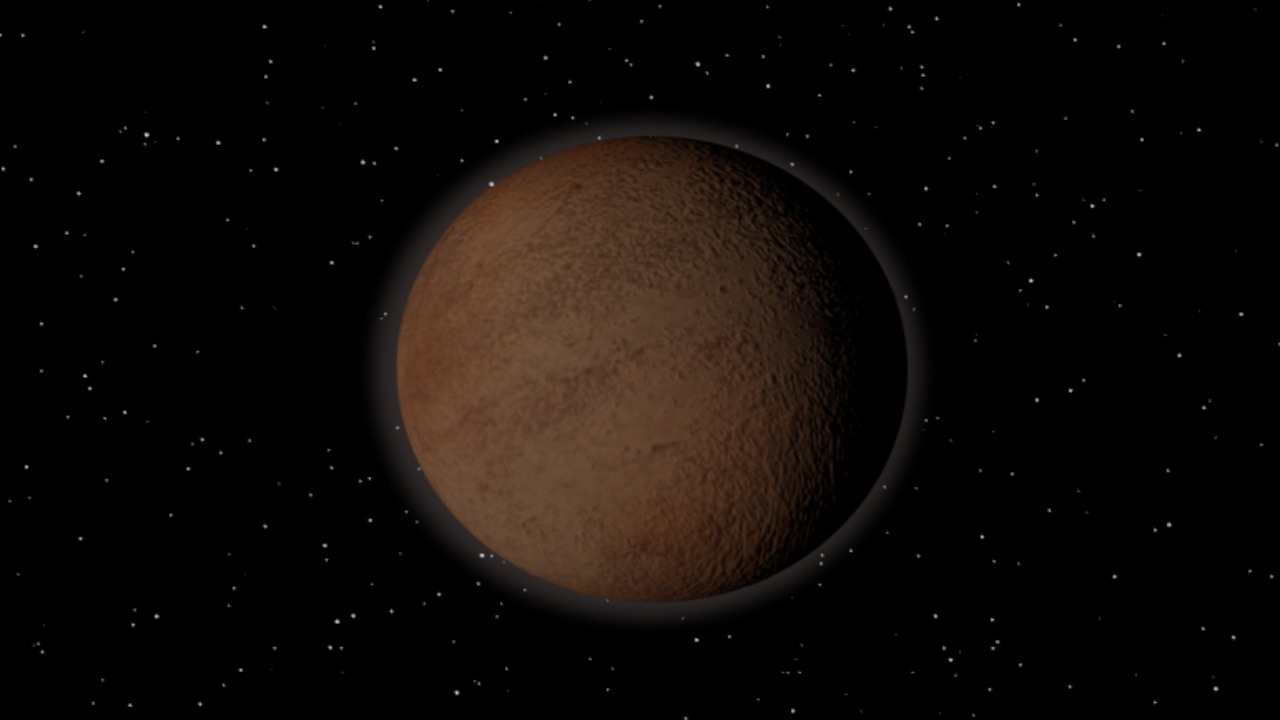
The current trend suggests that AI will play an increasingly prominent role in future space discoveries. The sheer processing power and efficiency of AI could lead to the discovery of even more exoplanets, further expanding our understanding of the universe. Additionally, these new discoveries could potentially aid in the search for extraterrestrial life by identifying planets with conditions that might support life.
The discovery of these new exoplanets could also have significant implications for human space exploration. As our knowledge of these distant worlds expands, so too do the possibilities for future space missions. The potential for human exploration of these exoplanets is discussed in this MNRAS article, which suggests that these discoveries could inform the planning and execution of future missions.
AI and the Future of Astronomy
AI’s role in astronomy is rapidly growing. Its ability to process vast amounts of data quickly and accurately offers enormous potential for future discoveries. As we continue to integrate AI into our exploration of the cosmos, it is likely to become an increasingly vital tool in our quest to understand the universe.
Potential advancements in AI technology could lead to even more sophisticated telescopes capable of making more precise and detailed observations. This could further enhance our ability to discover and study new celestial bodies. As such, it is crucial to educate the next generation of astronomers about the potential of AI and its applications in the field. The discovery of these 500 new exoplanets is just the beginning, and the future of space exploration looks brighter than ever with AI at the helm.