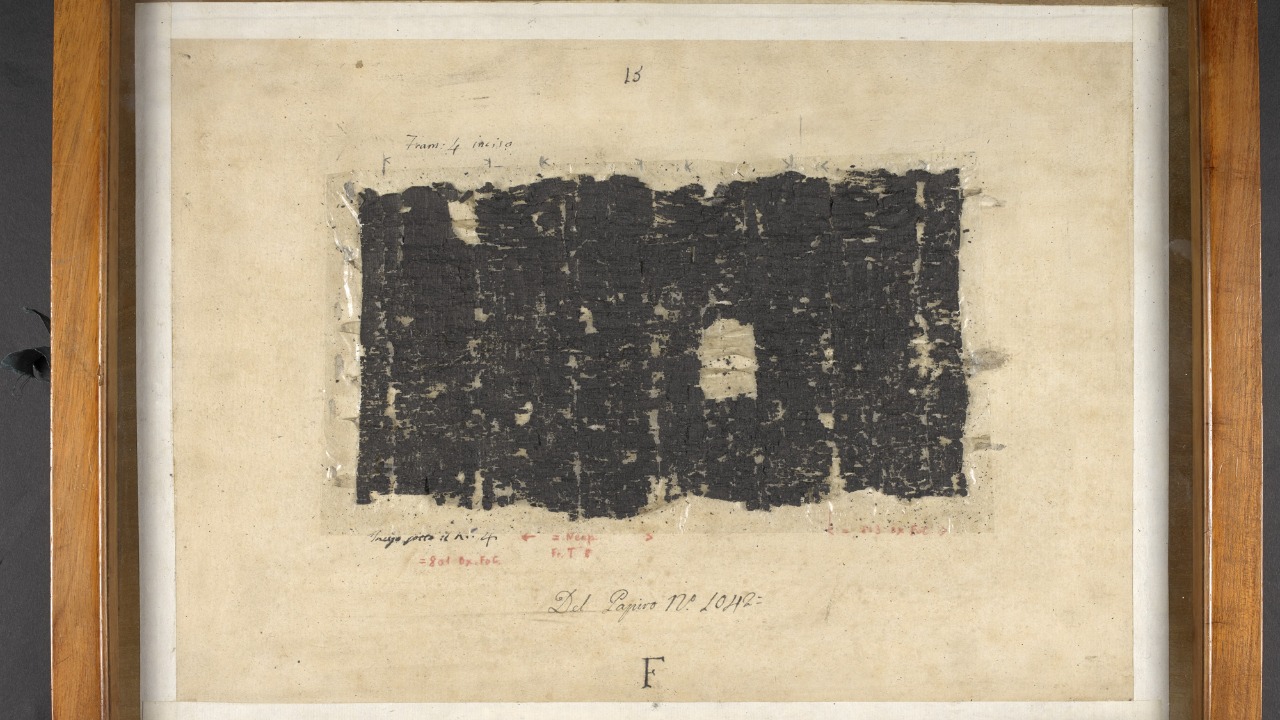

The field of archaeology has been revolutionized by the advent of artificial intelligence (AI). The most recent achievement has been the decoding of a 2,000-year-old scroll without the need for physical unrolling, showcasing the immense potential of AI in historical and archaeological studies.
The Science behind the Breakthrough

A technique called virtual unrolling was critical to this achievement. With it, AI was able to examine the text within the scroll without causing any physical damage. This was made possible by using a combination of high-resolution scanning and 3D reconstruction technologies. The AI was trained to recognize and reconstruct the layers of the scroll digitally, thereby “unrolling” it in a virtual environment. The power of this technique lies in its non-invasive nature, preserving the integrity of invaluable historical artifacts.
Once the scroll was virtually unrolled, machine learning algorithms were put to work to decipher the inscriptions. The brittle and delicate nature of the scroll made traditional reading methods impractical. However, AI, trained with a vast range of ancient scripts and languages, was able to overcome this challenge. By recognizing patterns and drawing on its extensive training data, the AI succeeded in interpreting the ancient text and bringing its secrets to light.
The Ancient Scroll and Its Secrets
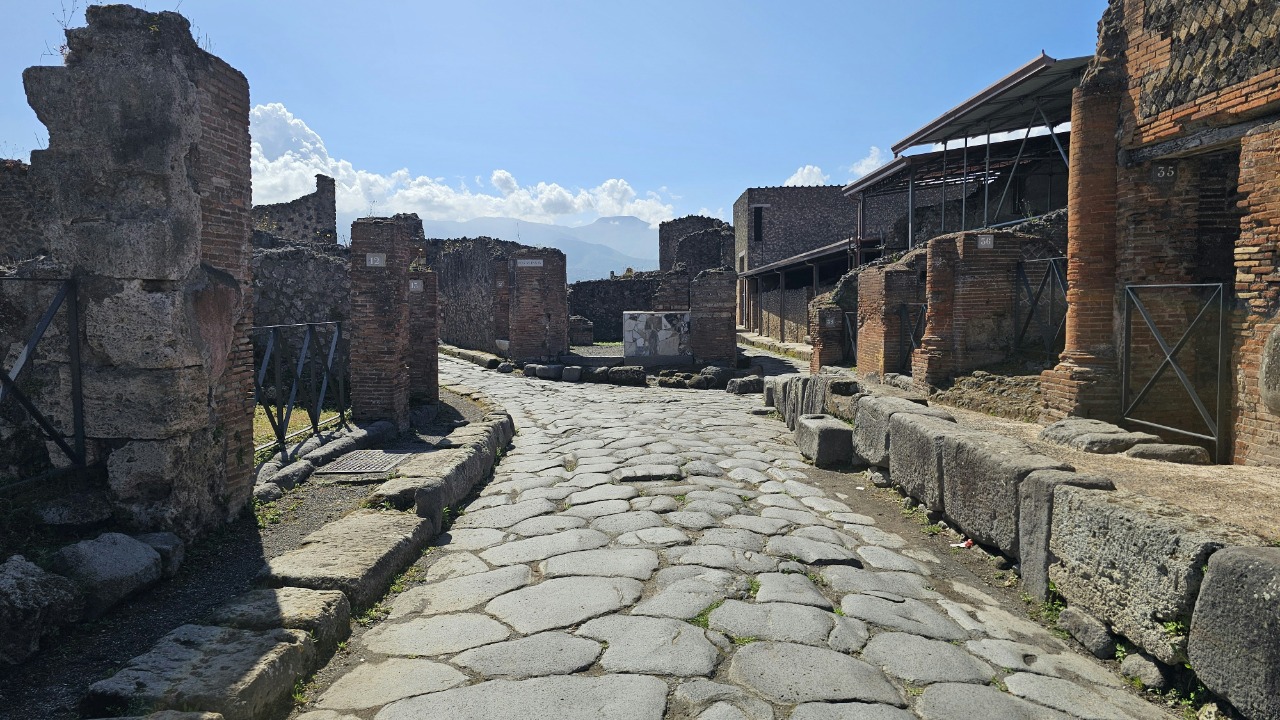
The scroll in question has a dramatic history. It is one of the Herculaneum scrolls, buried during the catastrophic eruption of Vesuvius in AD 79. This collection has long fascinated historians and linguists, but the scrolls’ charred and fragile state made them nearly impossible to read by traditional means. The use of AI in this context has been a game-changer, enabling scholars to access the wealth of knowledge these scrolls hold.
The decoded content of the scroll provides a unique insight into the ancient world. It contains philosophical discussions and arguments, shedding light on the intellectual landscape of the period. This breakthrough not only enriches our understanding of the past but also opens up exciting possibilities for future discoveries.
Implications for Archaeology and Historical Studies
This achievement marks a significant turning point in the preservation and study of fragile historical documents and artifacts. Traditional methods often pose a risk to these invaluable objects, but the use of AI allows us to access and preserve them without causing physical harm. This ensures that these artifacts can continue to be studied and appreciated by future generations.
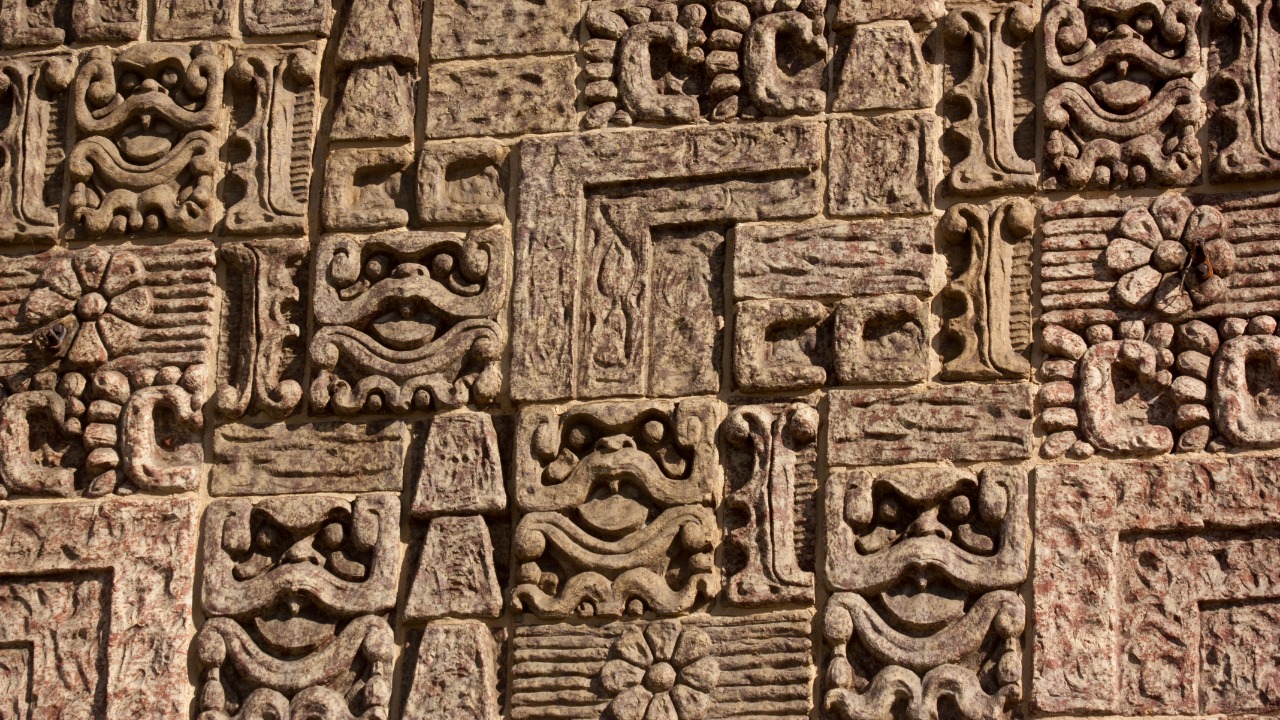
Furthermore, the potential of AI in uncovering new information from other unreadable or inaccessible ancient texts is immense. From the Dead Sea Scrolls to the Mayan glyphs, countless historical documents could yield new insights with the help of AI. As AI technology continues to advance, we can look forward to a future filled with unprecedented discoveries.
Challenges and Ethical Considerations

However, it’s important to acknowledge that AI technology still has its limitations. Decoding ancient scripts is a complex task, and the machine learning algorithms are not infallible. During the scroll project, researchers faced challenges in training the AI due to the lack of comprehensive training data. There are countless ancient scripts, many of which are still not fully understood, making it difficult to provide the AI with accurate training data.
There are also ethical considerations to ponder. The use of AI in archaeology raises questions about authenticity and the potential misuse of technology. As we increasingly rely on AI to interpret historical artefacts, we must ensure that the technology is used responsibly and that the results are accurately represented and interpreted.
The Future of AI in Archaeology

Despite these challenges, the use of AI in archaeology is gaining momentum. Other projects, such as the Copper Scroll project, are also employing AI to decipher ancient texts, revealing new historical insights. As these technologies continue to evolve, the potential applications in archaeology and historical studies will only grow.
Continual advancements in AI technology are set to further enhance its usefulness in archaeology. Improvements in machine learning algorithms and the development of more sophisticated scanning technologies will make it possible to extract even more information from ancient artefacts. As this exciting field continues to evolve, we can look forward to many more groundbreaking discoveries in the years to come.