

Quantum radar technology is fundamentally altering the way we detect stealth planes, bringing a level of ease and efficiency that was previously unattainable. This technology could potentially reshape the aviation industry, given its numerous advantages over traditional radar systems.
Understanding Quantum Radar Technology
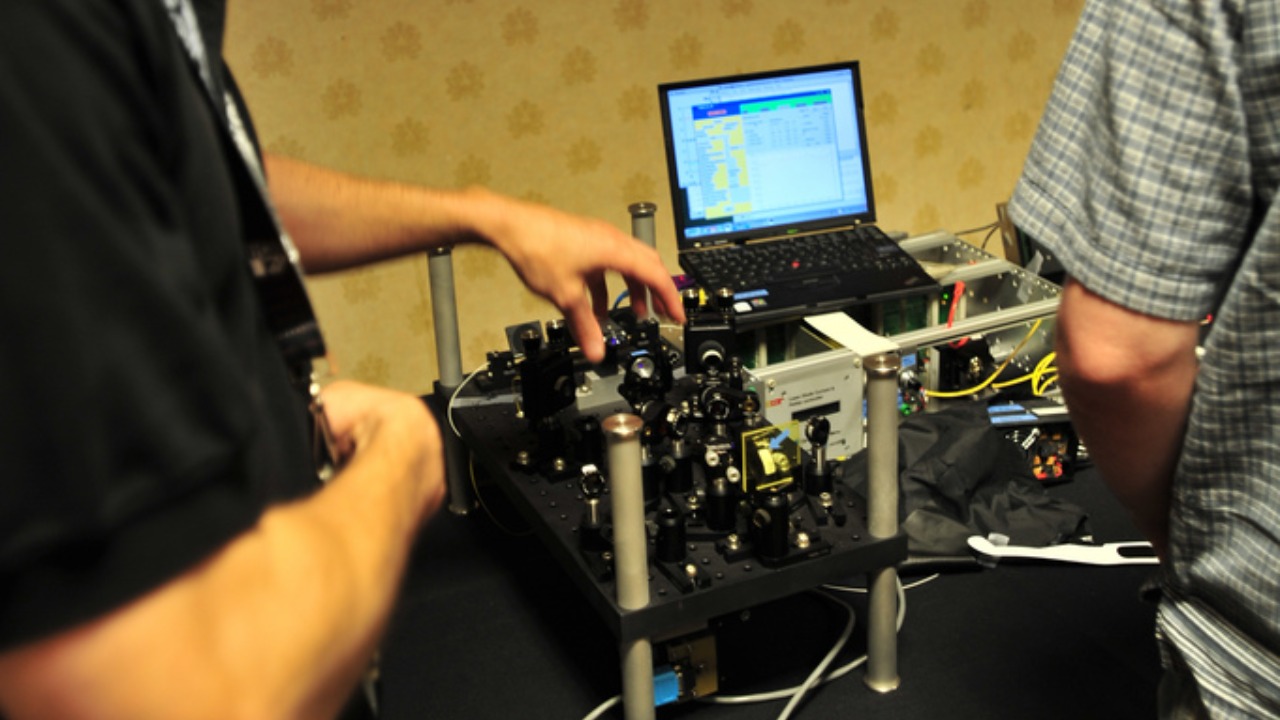
The concept of quantum radars can be somewhat complex, but the fundamental difference lies in the use of quantum entanglement as opposed to radio waves. Traditional radar systems emit radio waves and listen for any echoes to detect objects. In contrast, quantum radars use pairs of entangled photons, which share a unique quantum connection, enabling them to transfer information instantaneously, regardless of the distance between them.
Quantum entanglement is a crucial aspect of quantum radar technology. When a photon is split into two, the resulting particles become entangled. This means that the state of one particle is immediately connected to the state of the other, no matter their distance apart. This phenomenon is key to the function of quantum radars, allowing them to detect stealth aircraft with greater accuracy and efficiency.
Quantum radar technology is still in its developmental stages, with key research and experiments being conducted worldwide. A comprehensive review of the development and progression of quantum radar technology can be found in the IET Digital Library.
Advantages of Quantum Radar Over Traditional Systems
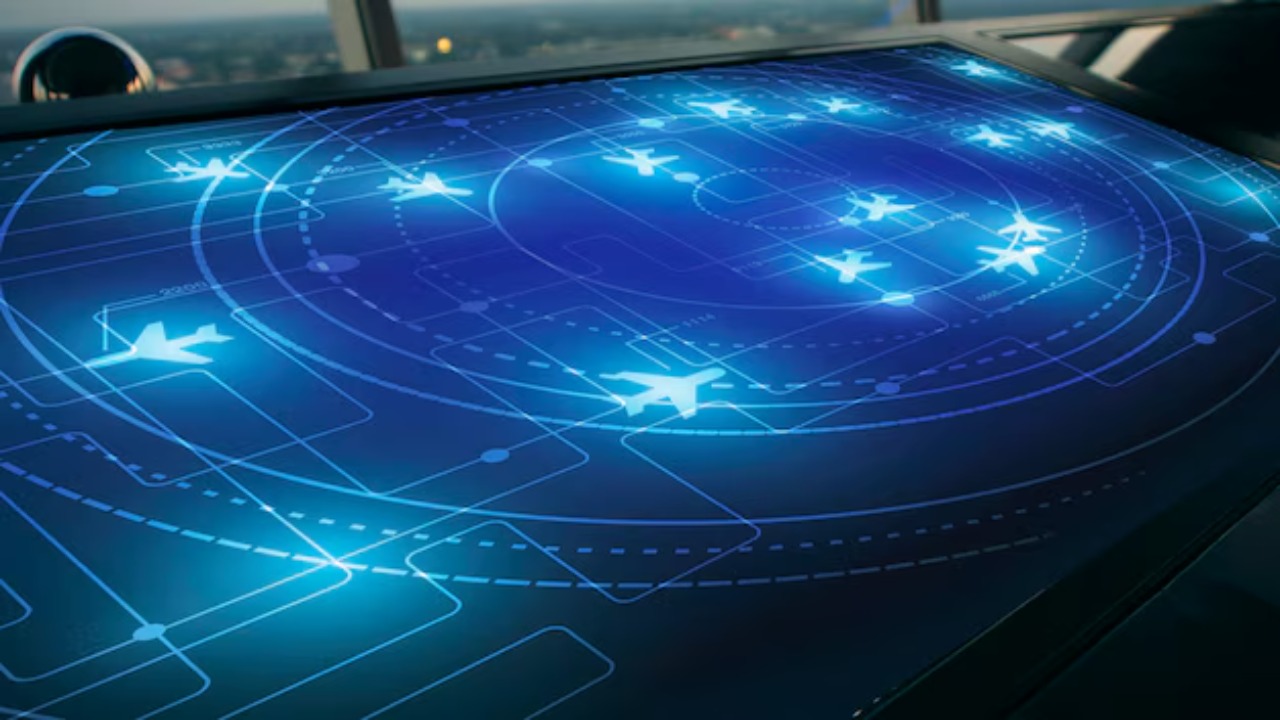
The primary advantage of quantum radar systems is their ability to detect stealth planes with much greater efficiency than traditional radar systems. Stealth planes are designed to evade detection by conventional radars, but are not equipped to avoid quantum radar systems. This is because the entangled photons used by quantum radars can bypass the measures used by stealth planes to scatter or absorb radar signals.
Furthermore, quantum radar systems have the potential to overcome traditional radar jamming techniques. Since they use entangled photons instead of radio waves, jamming devices that work on the principle of disrupting radio signals are ineffective against them. An article on the BBC provides more insight into this.
Implications for Stealth Aircraft
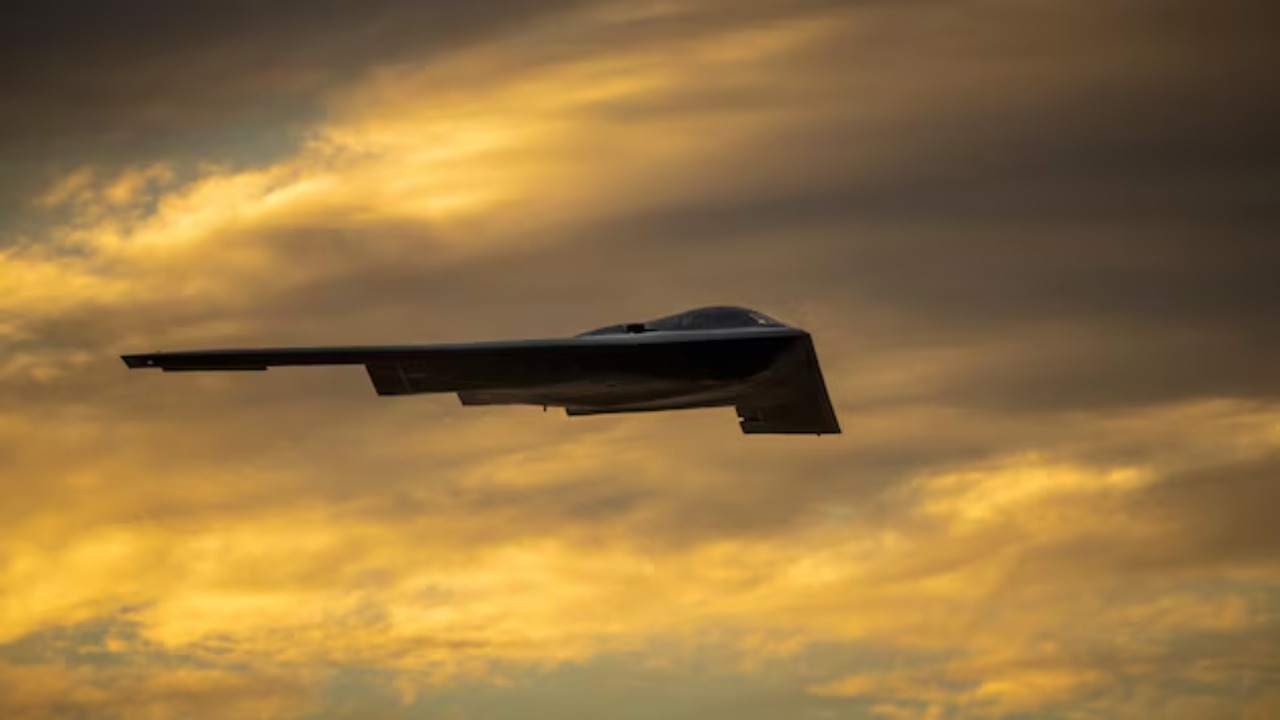
The advent of quantum radar technology could potentially render current stealth technology obsolete. Stealth planes, designed to be undetectable by traditional radar systems, may no longer be able to hide from quantum radars. This would necessitate significant adaptations and advancements in stealth technology.
From a strategic perspective, the aviation industry would need to rethink the design and operation of stealth aircraft in response to quantum radar technology. The details of these implications are thoroughly explored in this National Security Journal article.
Potential Challenges and Future Developments

Despite the promising advantages, the widespread application of quantum radar is not without its challenges. One of the major technical hurdles is the need to generate and maintain entangled photons, which is difficult to achieve on a large scale with current technology. Furthermore, the detection of entangled photons requires extremely sensitive detectors, which are not yet readily available.
The development of potential countermeasures to quantum radar technology is another area of interest. Just as stealth technology evolved in response to traditional radar systems, it is likely that new technologies will be developed to counter quantum radar systems. The future of quantum radar technology and its potential impacts are explored in this IEEE Xplore document.
Impact on National Security and Defense Strategies

The implications of quantum radar technology extend beyond the aviation industry, with potential impacts on national security and defense strategies. Quantum radar could significantly shift the balance of power in aerial warfare, as countries that possess this technology would have a clear advantage over those relying on traditional radar systems.
However, the adoption of quantum radar technology also poses potential risks in the context of global security. The fact that these systems can easily detect stealth planes could potentially escalate conflicts and lead to an arms race for quantum technology. Therefore, the benefits of quantum radar technology must be carefully weighed against these potential risks.