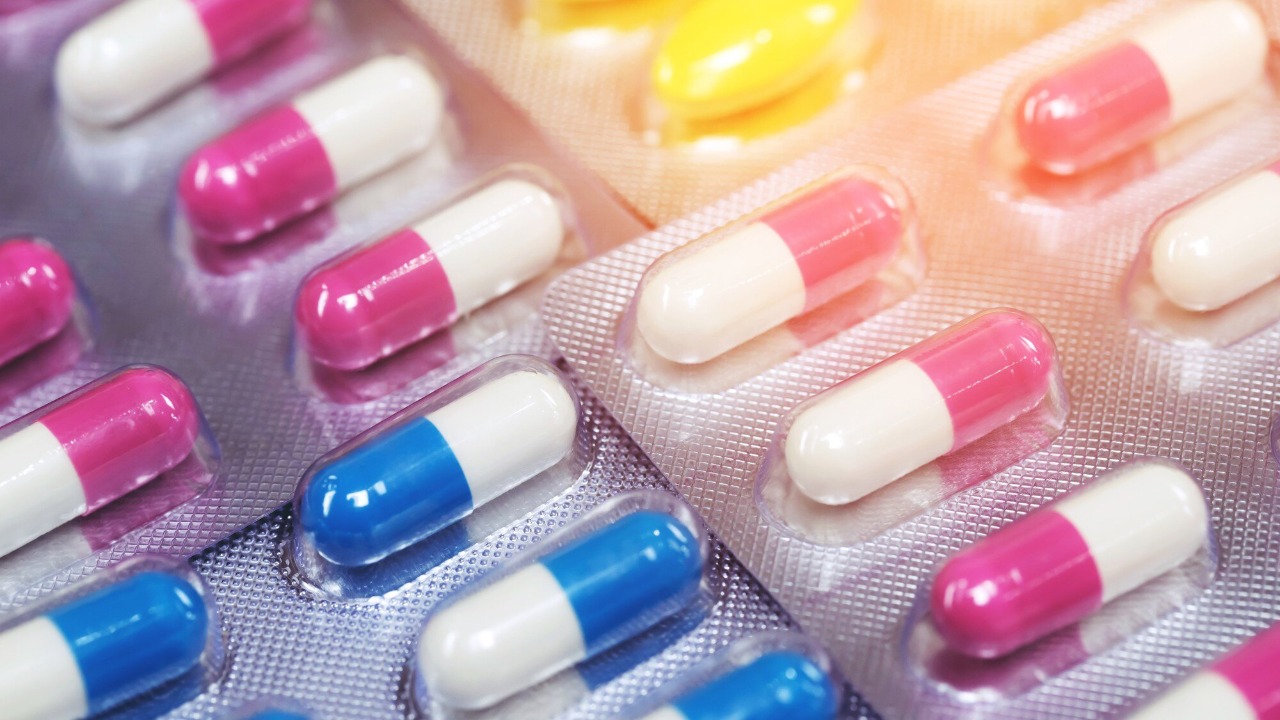

In an unprecedented breakthrough, artificial intelligence has been instrumental in unearthing twelve new antibiotics from soil samples. This discovery puts forth new avenues in battling drug-resistant bacteria and underscores the promising potential of AI in future medical treatments.
The Role of Artificial Intelligence in the Discovery

AI was employed in this landmark discovery to scrutinize millions of chemical compounds in soil samples. Leveraging advanced algorithms and machine learning techniques, the AI was able to sift through vast amounts of data, a task that would have been incredibly arduous, if not impossible, for humans to accomplish within the same timeframe. The AI was trained to identify molecules with antibiotic potential by learning from an extensive database of known antibiotics and their molecular structures.
Data scientists played a crucial role in this discovery by analyzing and interpreting the AI’s findings. Their expertise was crucial in verifying the predictions made by the AI and ensuring that the potential antibiotics identified were indeed suitable for further investigation. In this pioneering discovery, we see how the collaboration between AI and human expertise can lead to remarkable innovations in the medical field.
Details of the New Antibiotics

The twelve new antibiotics discovered by the AI possess unique properties and potential for medical application. Some have novel structures, while others offer new mechanisms of action against harmful bacteria. This discovery is particularly significant given the increasing instances of antibiotic resistance worldwide. Despite the critical need, the development of new antibiotics has been largely stagnant in recent years, making this find even more crucial.
Comparisons with existing antibiotics reveal that some of the newly discovered compounds show greater efficacy and fewer potential side effects. Importantly, some were found to be effective against bacteria that have developed resistance to currently available antibiotics. These findings, although preliminary, are promising and warrant further investigation.
Implications for Drug-Resistant Bacteria
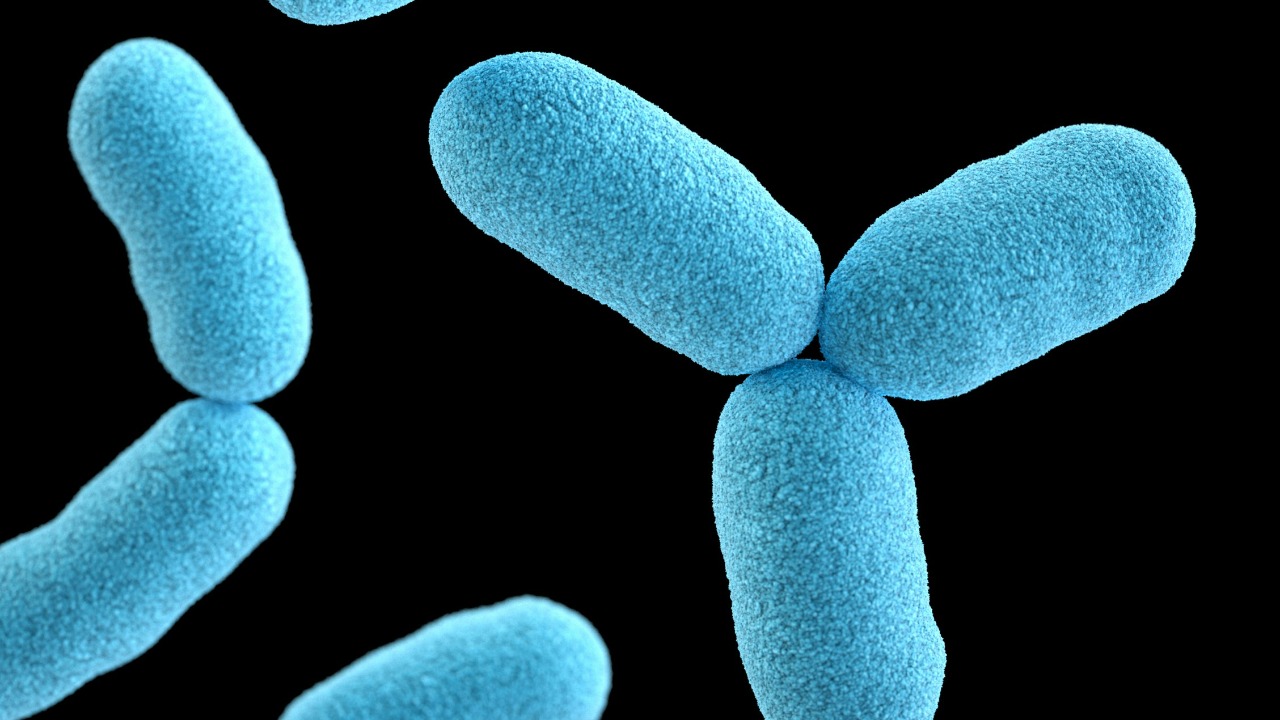
The discovery of new antibiotics is a significant step forward in combatting drug-resistant superbugs. According to a report in Penn Today, these new antibiotics could play a crucial role in treating diseases that have become resistant to existing drugs.
The significance of this discovery cannot be understated in the context of the ongoing global antimicrobial resistance crisis. The World Health Organization has emphasized the dire need for new antibiotics to combat the growing threat of antibiotic resistance. This discovery marks a significant milestone in addressing this global health crisis.
Future Directions in AI and Drug Discovery
The use of AI in this discovery has set new precedents for future research in the medical field. The potential of AI in expediting drug discovery and testing processes could revolutionize healthcare. As highlighted in a Singularity Hub article, AI-driven discoveries could potentially save invaluable time and resources in the medical field.
However, integrating AI into pharmaceutical research and development also poses challenges. The ethical use of data, algorithmic bias, and the potential for over-reliance on AI are among the key concerns. Despite these hurdles, the potential benefits of AI in drug discovery cannot be ignored and will likely shape the future of pharmaceutical research.
Societal and Ethical Considerations
The discovery of these new antibiotics could have a profound impact on global health and the pharmaceutical industry. The development of new antibiotics could eventually lead to more effective treatments for bacterial infections, potentially saving countless lives. Moreover, the use of AI in this discovery could influence the future direction of pharmaceutical research and development.
There are also ethical considerations associated with the use of AI in drug discovery. As elaborated in an article from the New York Academy of Sciences, it’s crucial to ensure responsible use of AI in healthcare. Regulations and guidelines need to be put in place to ensure that AI is used ethically and responsibly in this field.
Overall, the discovery of new antibiotics using AI is a significant achievement. It has opened up new possibilities in the fight against drug-resistant bacteria and underlined the potential of AI in healthcare. While there are challenges to be addressed, the potential benefits of using AI in drug discovery are immense.