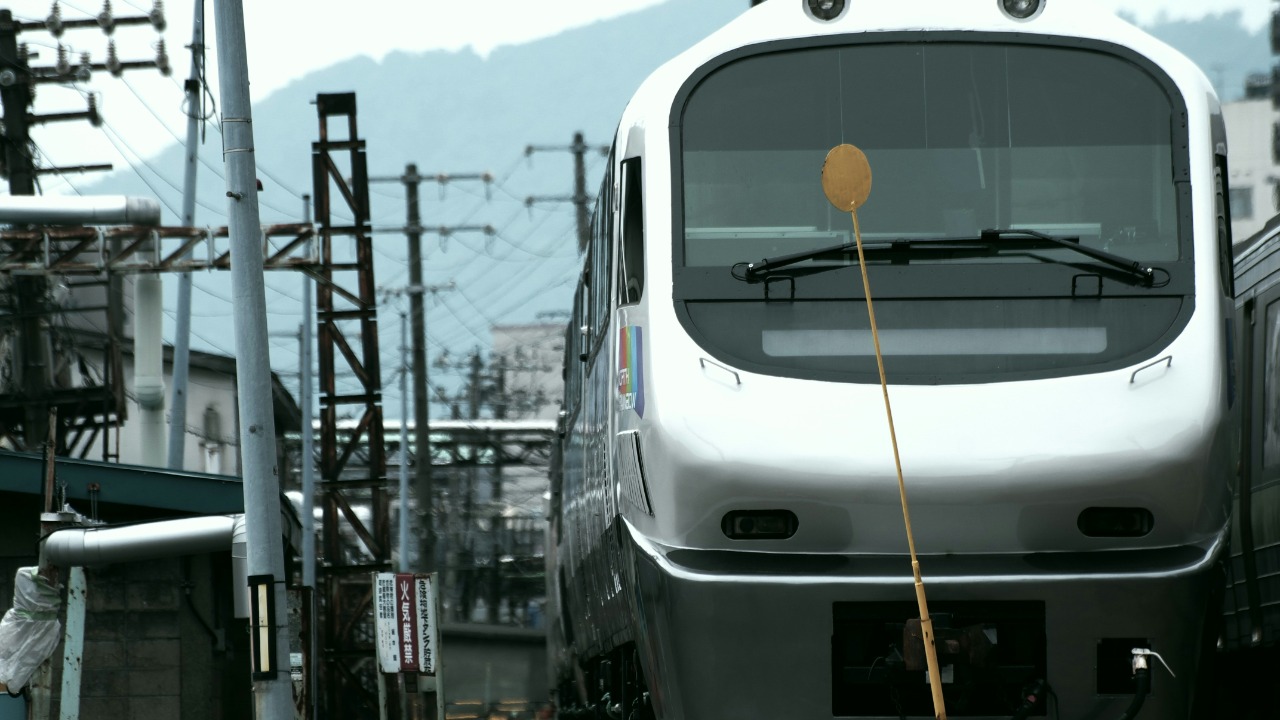

Magnetic levitation trains, better known as maglev trains, have recently achieved a staggering speed of 800 miles per hour. This remarkable development marks a significant stride in transportation technology, setting the stage for quicker and more efficient journeys, and promising to redefine the future of global transportation.
Understanding Magnetic Levitation Trains
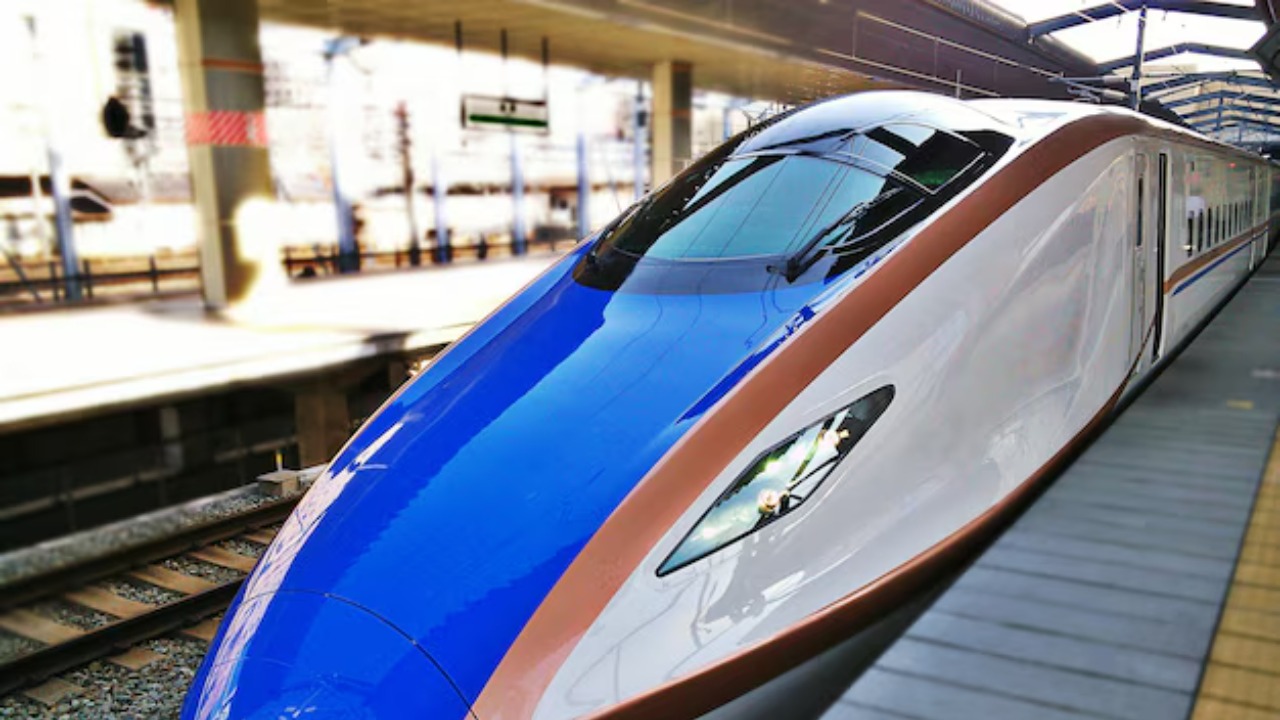
When we talk about maglev trains, we’re discussing a technology that relies on the principles of magnetism and superconductivity. These trains hover above their tracks, propelled and stabilized by magnetic forces, eliminating the friction associated with traditional rail systems. This lack of physical contact allows maglev trains to reach astounding speeds, while offering a smoother, quieter ride.
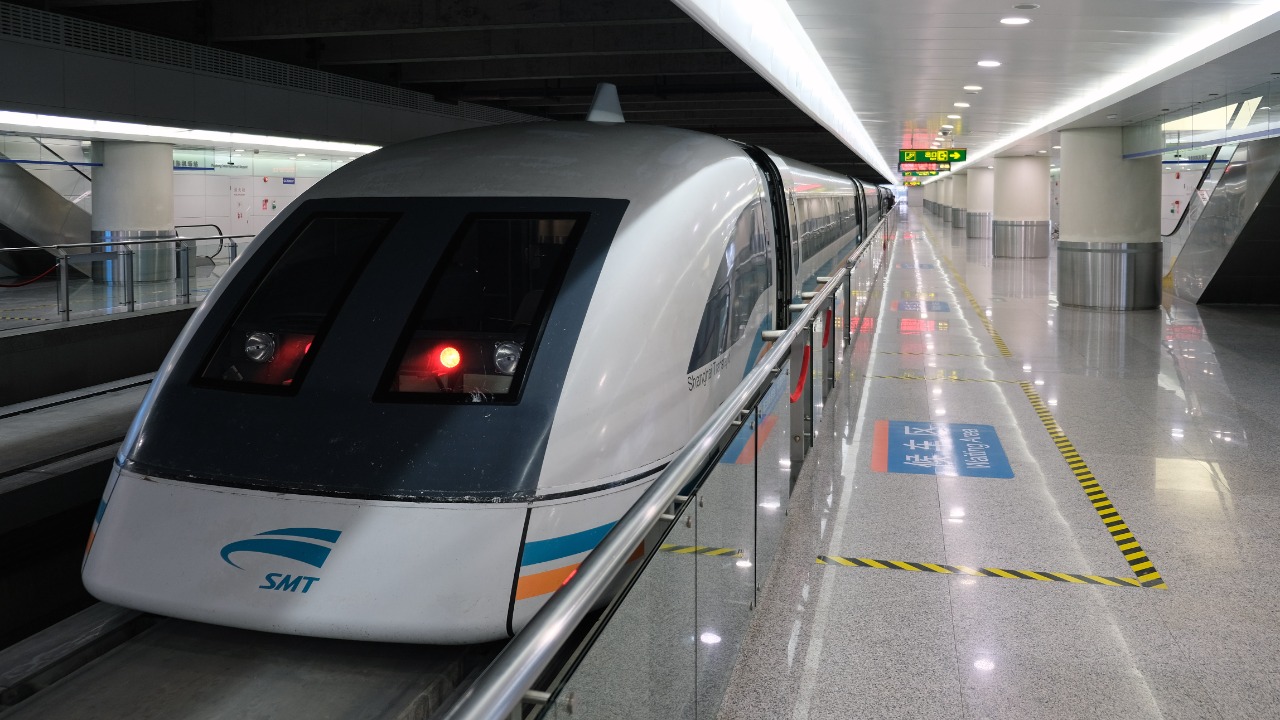
Maglev technology isn’t new. The concept has been around since the early 20th century, but it wasn’t until the late 1980s that the first commercial maglev system began operation in Birmingham, UK. While this early system only reached speeds of 42 MPH, it laid the groundwork for the high-speed models we see today, such as China’s Shanghai Maglev Train, which can reach speeds of 268 MPH.
The Breakthrough: 800 MPH Maglev Trains
The recent achievement of an 800 MPH maglev train is a significant milestone. This speed was achieved through advancements in superconducting magnets and improvements in track design. The combination of these technological breakthroughs has made it possible to reach speeds that were once thought unattainable.
Imagine boarding a train in Los Angeles and arriving in San Francisco in less than an hour. With an 800 MPH maglev train, this would be possible. This drastic reduction in travel time could reshape not only our daily commutes but also international travel, making distances that once seemed insurmountable mere hop, skip and a jump away.
Benefits and Challenges of Maglev Technology
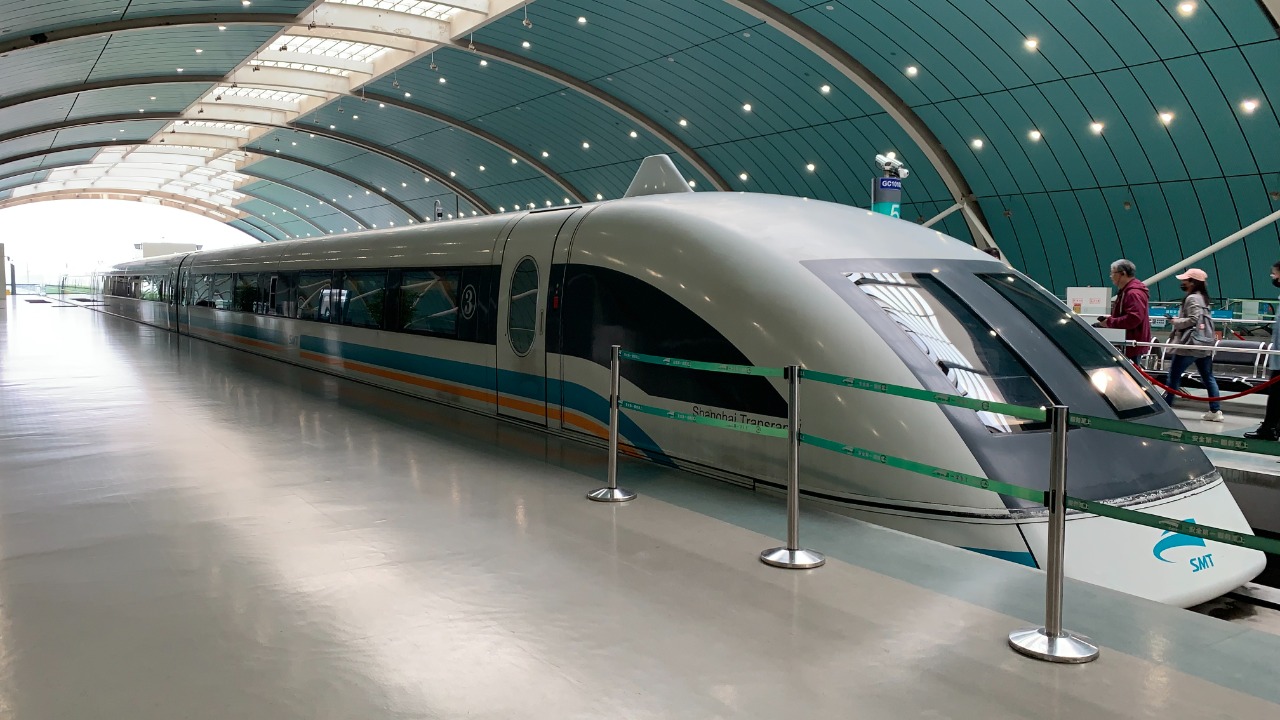
Maglev trains present numerous benefits. Their speed is a game-changer, drastically reducing travel times. They are also more energy-efficient than traditional trains, and their lack of physical contact with the track means they produce significantly less noise pollution. Additionally, their streamlined design and absence of moving parts mean they require less maintenance.
However, maglev technology also presents challenges. Building the necessary infrastructure for these trains can be costly and time-consuming. Additionally, the need for specialized tracks means they can’t integrate with existing rail networks, making the transition to maglev more difficult.
Comparing Maglev to Other High-Speed Transport Solutions
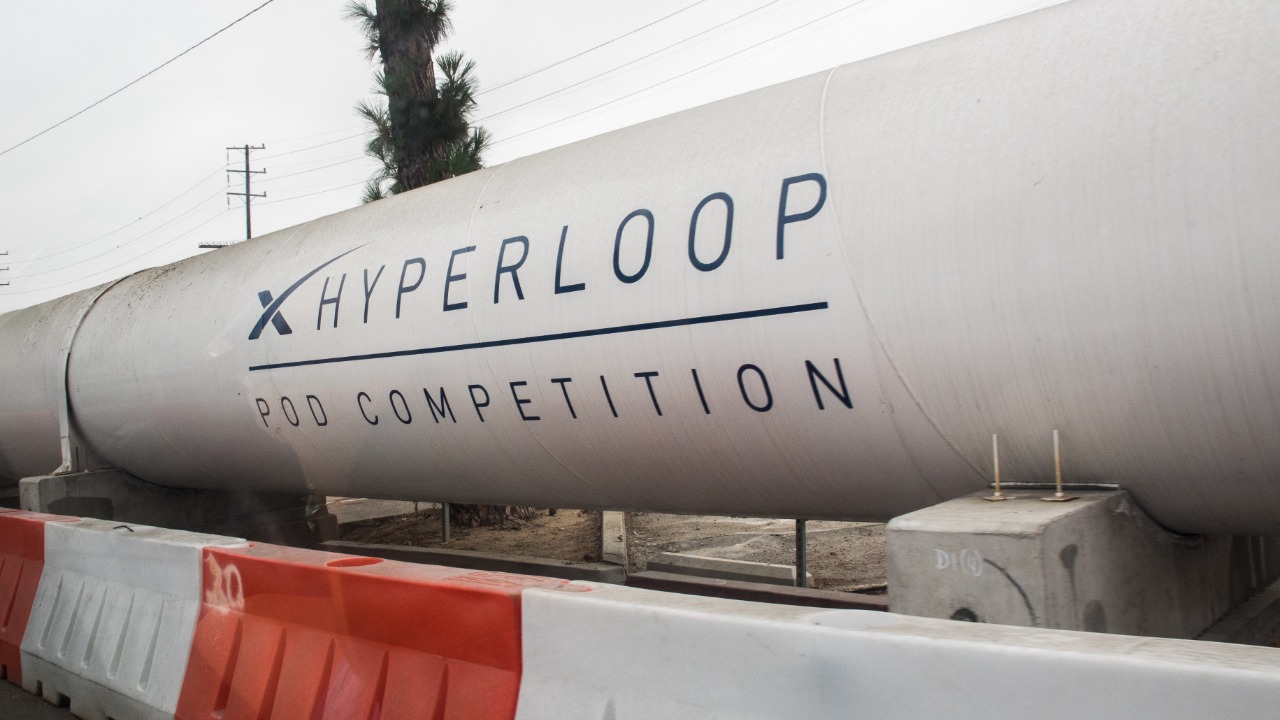
The advantages of maglev trains over conventional rail are clear. They are faster, more efficient, and produce less pollution. However, it’s also worth considering how they compare to other proposed high-speed transport solutions.
Take Elon Musk’s Hyperloop, for example. This proposed transport system, which would use a network of near-vacuum tubes to propel pods at speeds over 700 MPH, is often touted as the future of transportation. However, critics have raised concerns about its feasibility, safety, and cost. In contrast, maglev technology is already proven and in use today, albeit at lower speeds than the Hyperloop proposes.
The Future of High-Speed Transportation
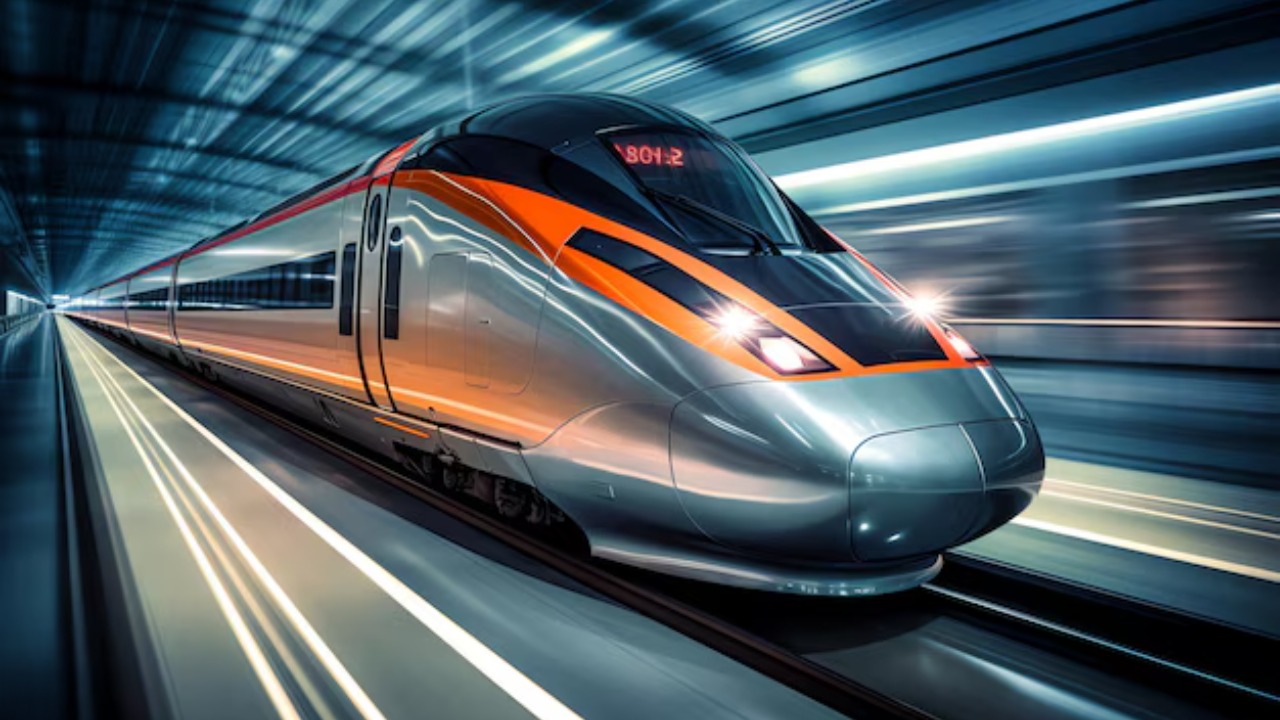
Given the constant advancements in maglev technology, we can expect to see even faster trains in the future. Researchers are continuously exploring ways to improve the efficiency of superconducting magnets and reduce the costs associated with building maglev tracks. If these efforts are successful, we could see maglev trains becoming a common mode of transportation in the coming decades.
The societal implications of widespread maglev train use are profound. They could revolutionize commuting, making it feasible to live hundreds of miles from where you work. They could also transform business travel, making it possible to attend meetings in different cities or even countries in a single day. Furthermore, they could reshape city planning, as the need for central business districts could decrease when people can easily commute from far-flung areas.