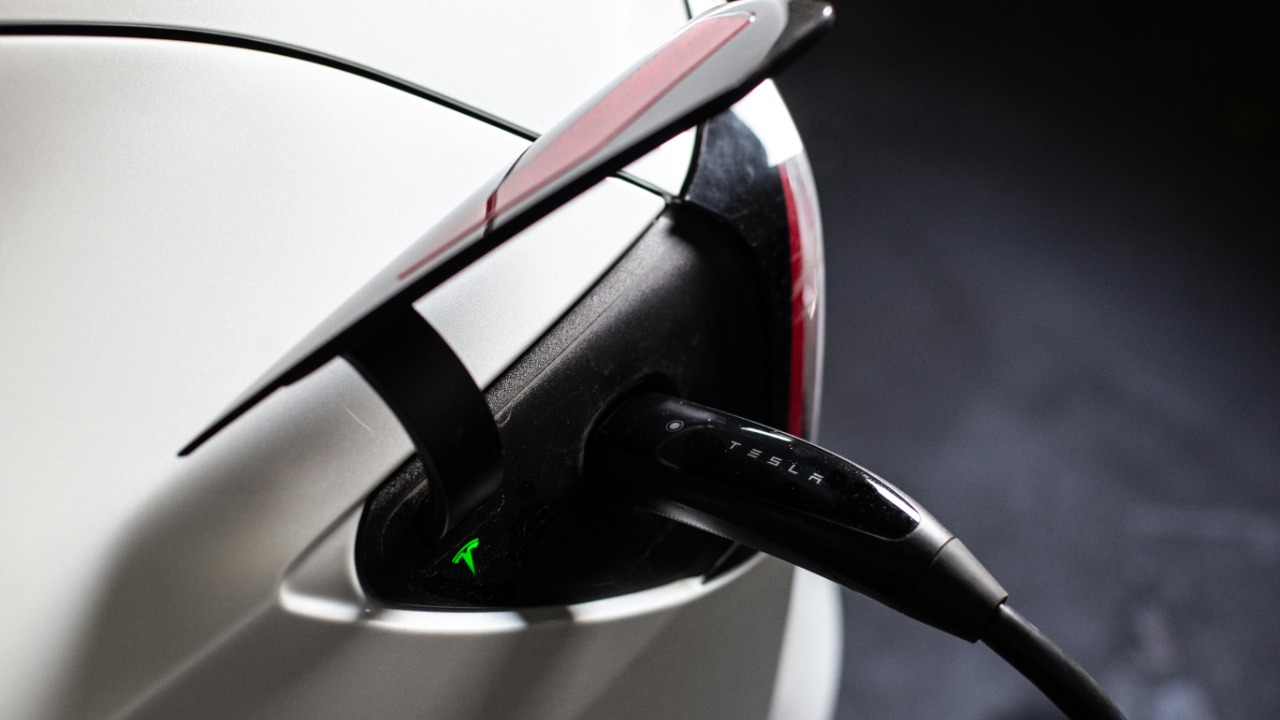

Electric vehicles (EVs) are often seen as the future of transportation, yet the limitations of battery life and lengthy charging times have somewhat curtailed their widespread use. Nonetheless, a revolutionary advance in battery technology is set to transform this scenario, offering the potential for EVs to charge in less than 60 seconds.
The Battery Breakthrough

The breakthrough comes in the form of a battery that has been ingeniously engineered to charge at an incredibly rapid pace. This new technology, known as the Var-Evolt battery, is a game-changer for the EV industry. It was developed through years of intensive research, testing, and refinement, pushing the boundaries of what was previously thought possible in terms of charging speed.
The innovation is the result of the collaborative efforts of several key players and companies. Among them, a company named Var-Evolt has been instrumental in driving this forward. Their tireless work and commitment to sustainable transport solutions have paved the way for this remarkable development.
How It Works: Charging an EV in Under 60 Seconds
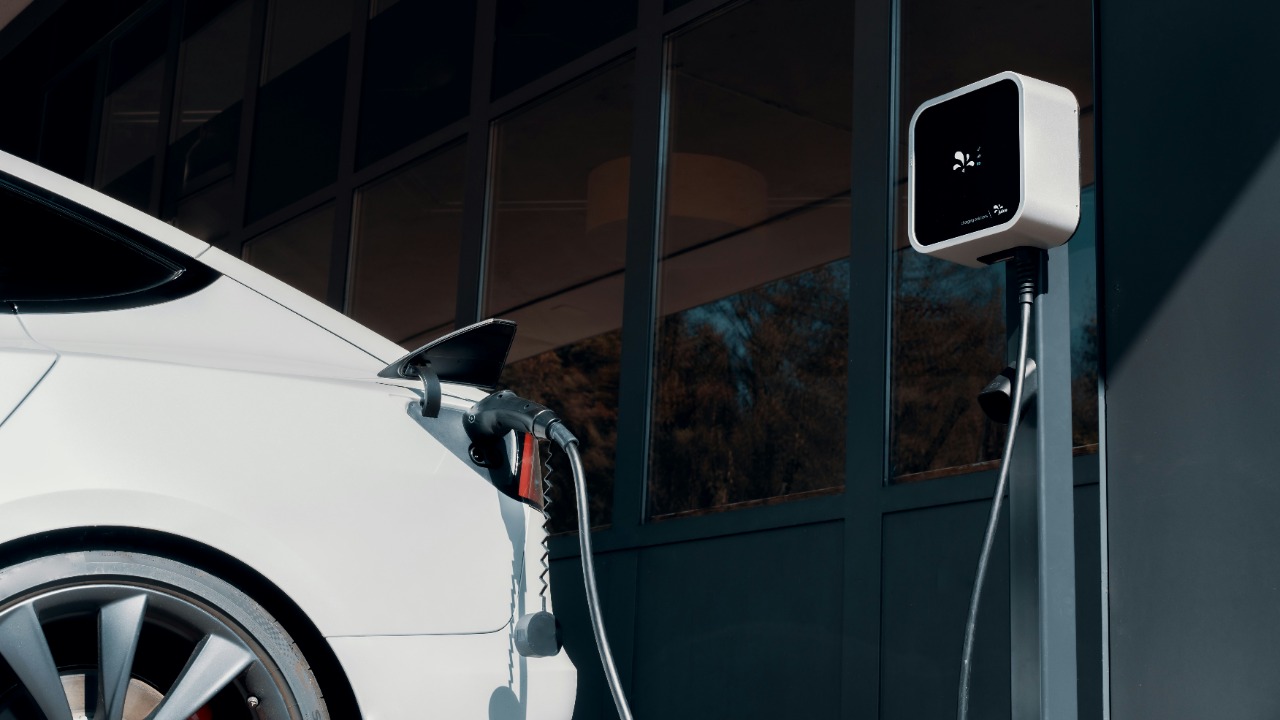
The science behind this rapid charging technology is fascinating. It deviates from traditional methods, employing a unique combination of supercapacitors and electrochemical capacitors. This allows for faster electron movement, which in turn results in a much quicker charge. The Var-Evolt battery is a perfect example of this, boasting an impressive charging time of under 60 seconds.
Compared to current charging technologies, this is a monumental leap forward. Current methods typically take hours to fully charge an EV, a significant inconvenience for EV users. While there are concerns about the potential impact of rapid charging on battery life and long-term performance, initial testing suggests that the Var-Evolt battery maintains its efficiency and longevity despite its speedy charging capabilities.
Implications for the EV Market
This rapid charging technology is projected to have a profound impact on EV sales and adoption rates. By drastically reducing charging times, it effectively removes one of the biggest barriers to EV adoption. The prospect of being able to charge your EV in the time it takes to fill a conventional car with fuel could be a game-changer for the industry.
The reaction from key players in the auto industry has been overwhelmingly positive. Major automakers are likely to integrate this technology into their future models, which could significantly shape the future of the EV market. Companies like Tesla, for example, are likely to take keen interest in such advancements that could further enhance their competitive edge.
Challenges and Potential Hurdles

Despite the promise of this technology, it’s not without its challenges. The implementation of this technology necessitates major infrastructural changes, such as the installation of new charging stations capable of delivering the required power. There may also be technical challenges in integrating the batteries into existing EV models.
Safety is another paramount concern. The potential for overheating and battery degradation with such rapid charging is a significant concern that needs to be addressed. However, research suggests that these issues can be mitigated with proper battery management systems and cooling mechanisms.
The Future of EV Charging
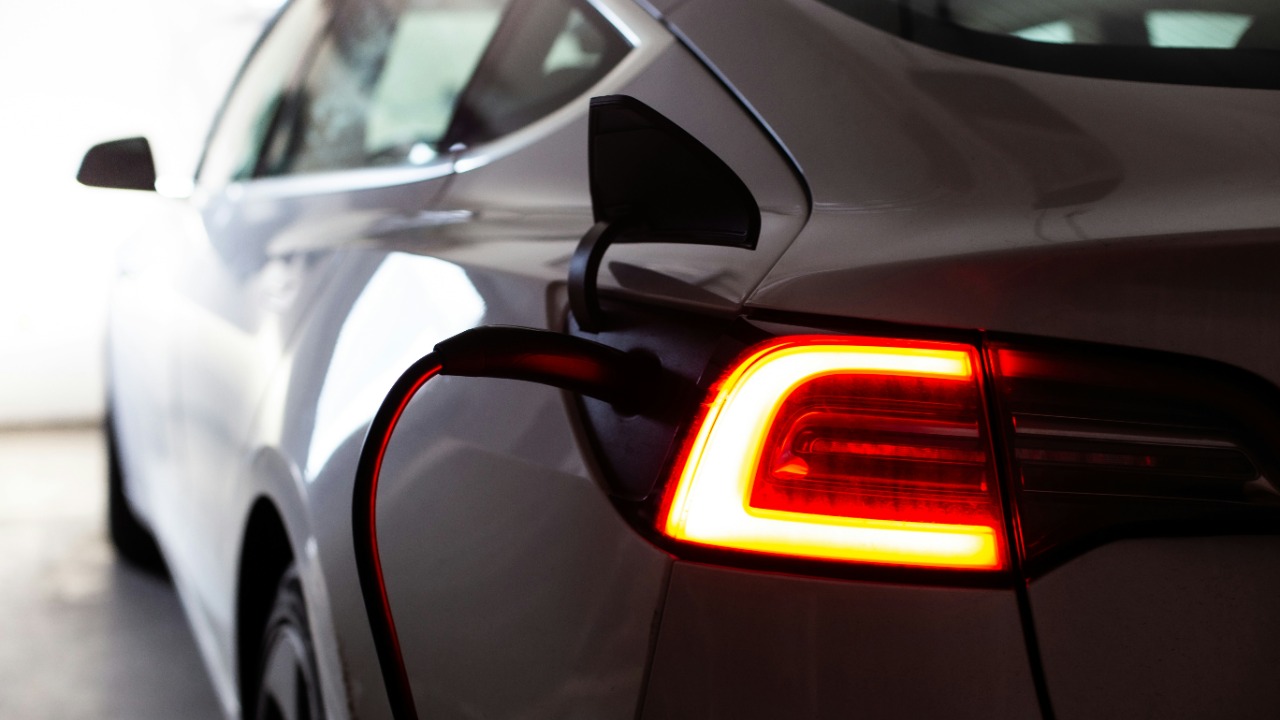
Looking ahead, this breakthrough could pave the way for further innovation in EV charging technology. The rapid pace of tech developments and the increasing focus on sustainability mean we could soon see even more astounding advances in this field. The Var-Evolt battery is just the beginning.
Government and policy will also play a crucial role in facilitating the shift to EVs. Incentives and regulations that promote the use of EVs and investment in charging infrastructure will be key to making this technology accessible and attractive to consumers. As we move towards a more sustainable future, this breakthrough marks an exciting step forward in our journey to revolutionize transportation.