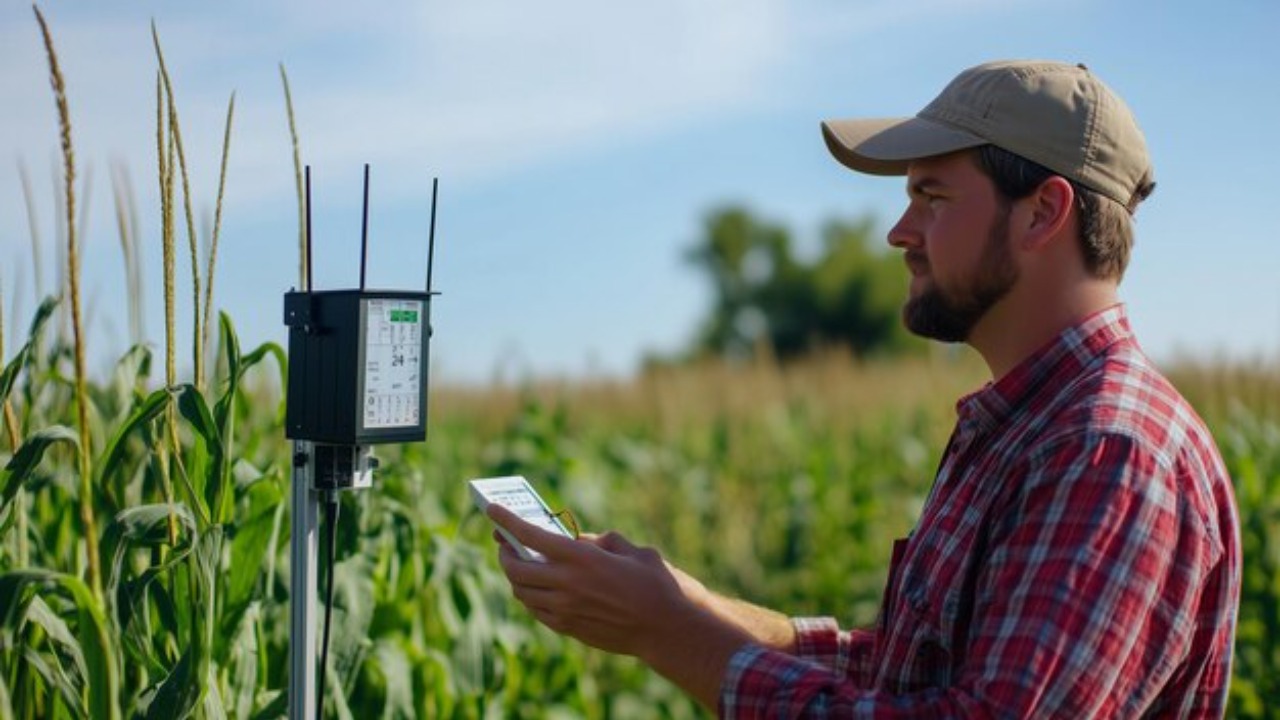

The use of AI technology in predicting crop failures is making waves in the agricultural sector, boasting an impressive accuracy rate of 90%. This innovation signals a new era in agriculture, with potential benefits including the prevention of food shortages and economic setbacks.
Understanding AI in Agriculture
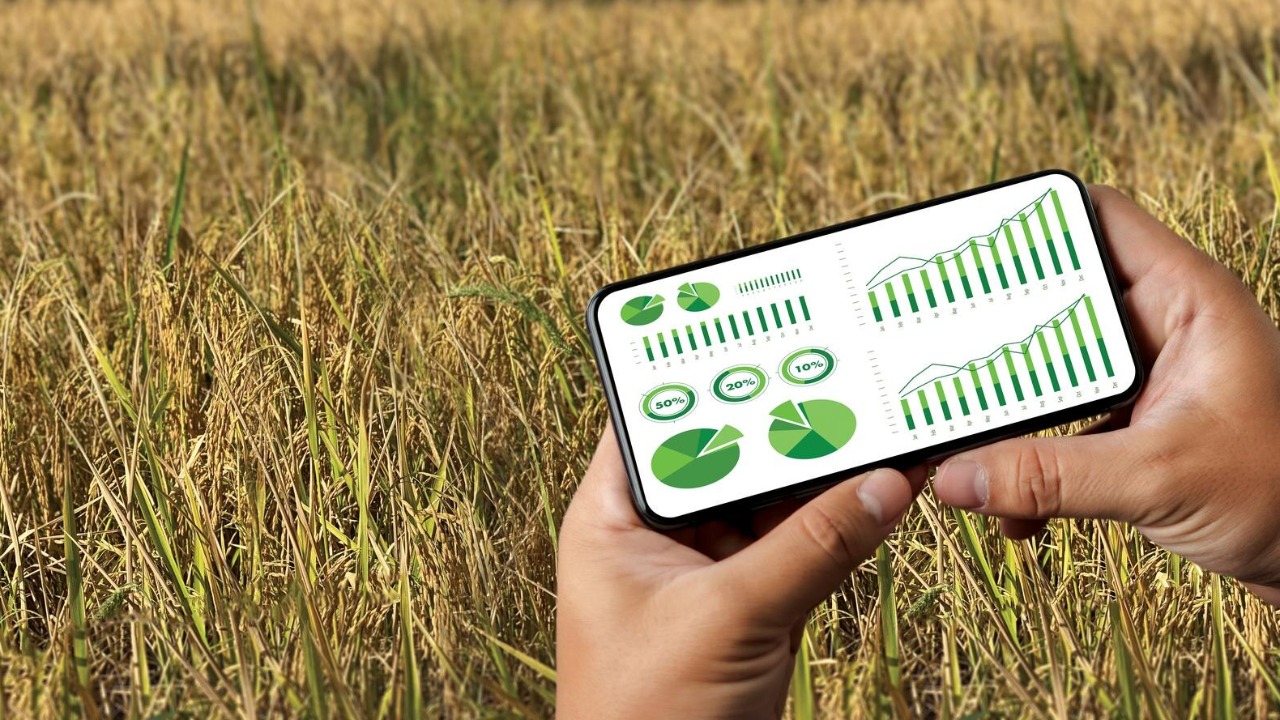
Artificial Intelligence (AI) has proven to be a game-changer in many industries, and agriculture is no exception. With the advent of machine learning and data analytics, precision farming has taken on a new dimension. Farmers can now leverage these technologies to make informed decisions, improve productivity, and reduce losses. AI’s role in precision farming is multifaceted, ranging from pest detection to yield prediction and now to predicting crop failures.
AI predicts crop failures by analyzing various data points such as weather patterns, soil conditions, and historical crop performance. Machine learning models are trained using this data to identify patterns and make predictions with remarkable accuracy. The impact of this on agricultural practices is significant. Farmers can now take preventive measures based on AI predictions, reducing the chances of crop failure and ensuring food security.
Study Findings on AI Predicting Crop Failures
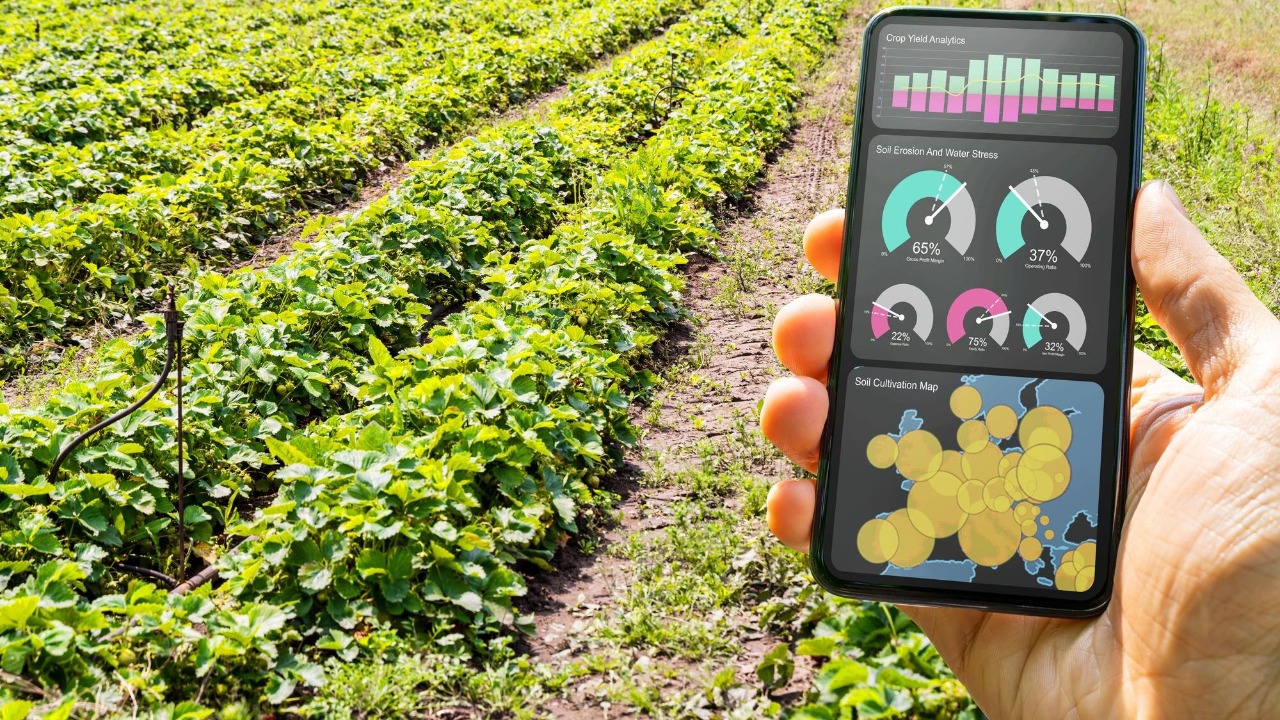
Several research studies have provided evidence supporting the effectiveness of AI in predicting crop failures. A study published in Scientific Reports showed that AI could predict crop failures with an accuracy rate of 90%. This high accuracy is achieved through sophisticated methods and models that analyze various factors affecting crop growth.
The implications of these findings are significant for farmers, agronomists, and policymakers. With this predictive capability, farmers can plan better, agronomists can provide more accurate advice, and policymakers can make informed decisions to support the agricultural sector. This can lead to improved food security and reduced economic losses associated with crop failures.
Case Studies of AI in Crop Failure Prediction

Several real-world examples illustrate the power of AI in predicting crop failures. For instance, in a project conducted by Omdena and Suyo, AI was used to predict crop failures in Colombia. The model predicted crop failures with high accuracy, enabling farmers to take preventive measures and avoid significant losses.
Despite the successes, implementing AI in agriculture comes with its own set of challenges. These include issues with data availability and quality, infrastructure requirements, and the need for training and resources. However, as more case studies emerge, solutions to these challenges are also being developed, paving the way for the broader application of AI in agriculture.
Benefits and Potential Challenges of AI in Crop Failure Prediction
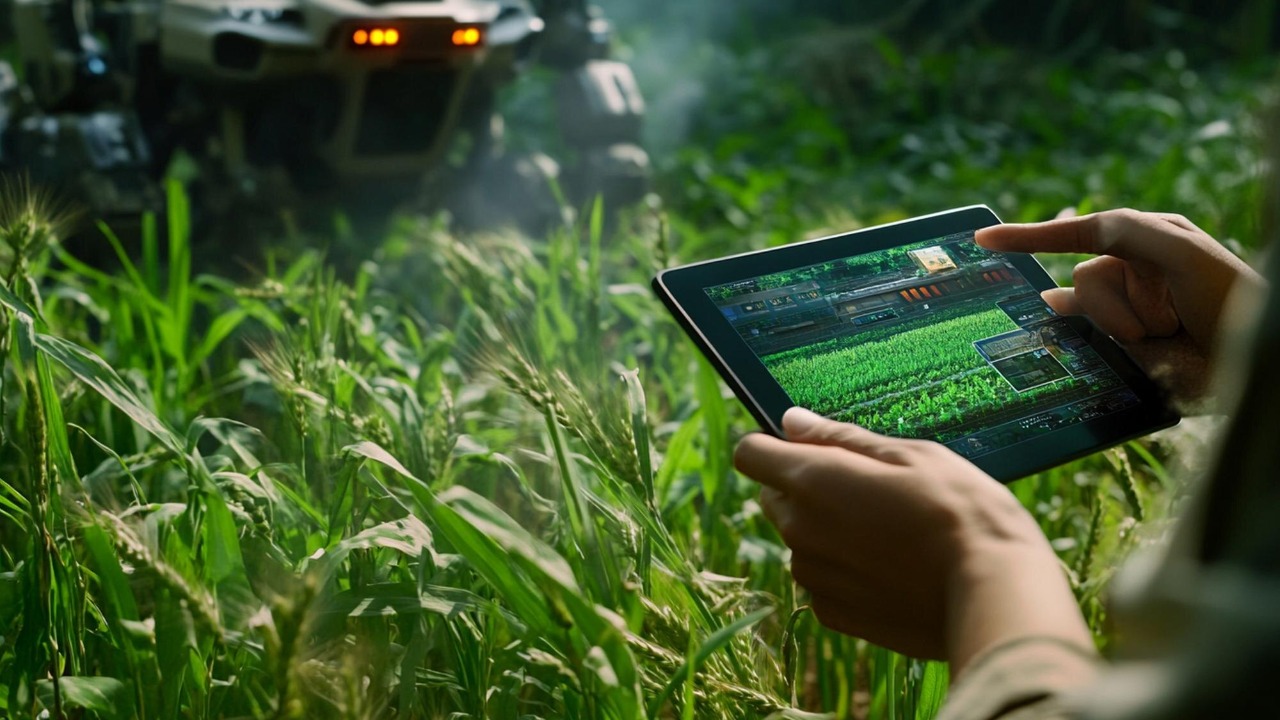
The benefits of using AI for crop failure prediction are clear. By providing early warnings, AI can help prevent food shortages and reduce economic losses. However, implementing AI in agriculture is not without its challenges. Data availability and quality are crucial for making accurate predictions. Poor-quality data can lead to inaccurate predictions, while lack of data can limit the AI’s learning capability.
Infrastructure is another significant challenge. Implementing AI requires a robust infrastructure for data collection, storage, and analysis. Despite these challenges, solutions are being developed. For instance, partnerships between tech companies and agricultural organizations are leading to the development of platforms that facilitate data sharing and analysis.
The Future of AI in Agriculture

As AI continues to evolve, its integration into the agricultural sector is expected to increase. Future advancements in AI technology could lead to even more accurate crop failure predictions, which would further revolutionize agriculture. For instance, the use of deep learning algorithms could improve the prediction accuracy of AI models.
The potential impact of these advancements on the agricultural sector and global food security is significant. With more accurate predictions, farmers can take proactive steps to prevent crop failures, ensuring a steady food supply. Moreover, the use of AI could lead to more sustainable agricultural practices, contributing to the achievement of the Sustainable Development Goals.