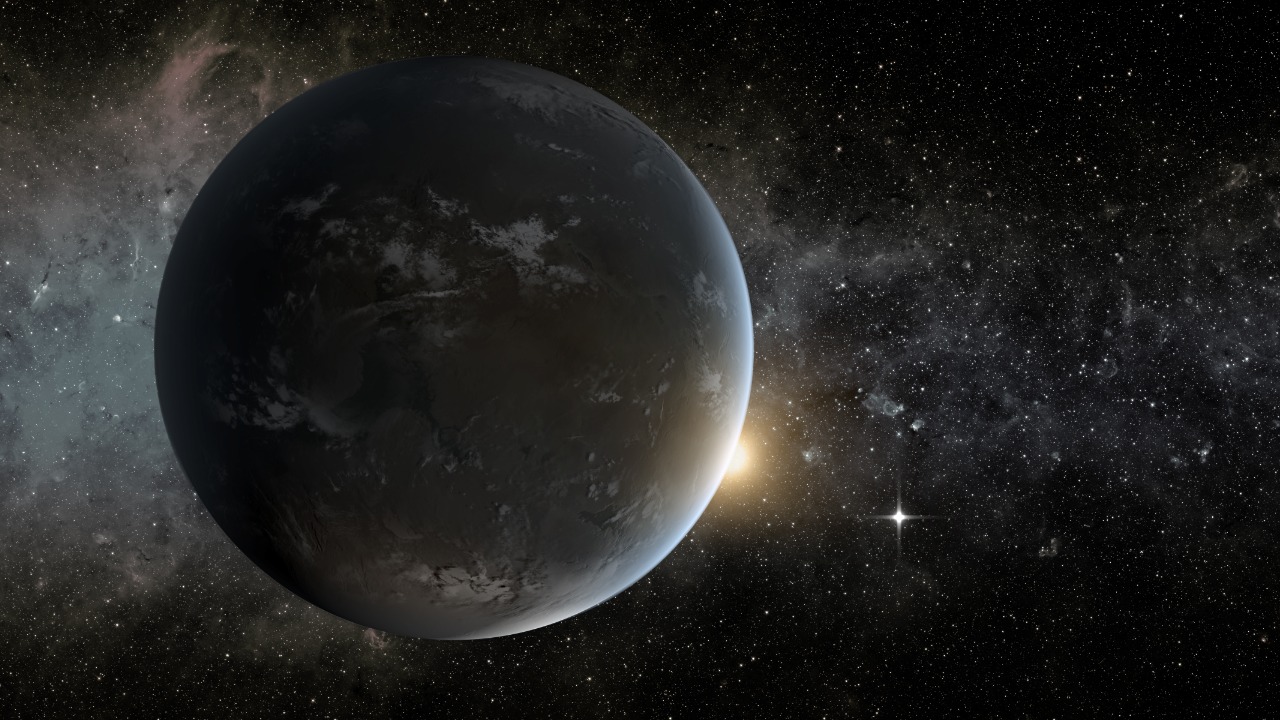

Scientists have recently uncovered a fascinating new exoplanet a mere 30 light-years away from our solar system. What sets this celestial body apart is its intriguing orbit around not one, but two suns. This discovery has sparked a wave of interest within the scientific community, igniting discussions on the nature of our universe and the potential existence of life elsewhere.
The Discovery of the Exoplanet
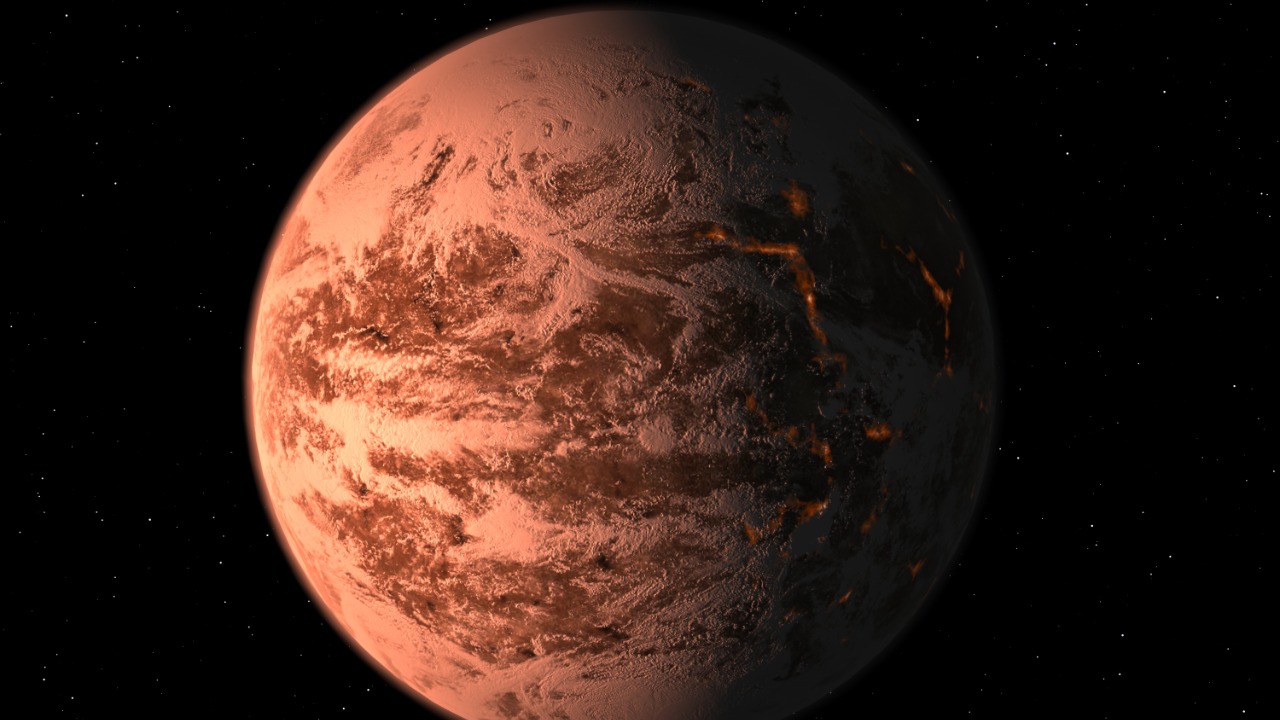
The discovery of this new exoplanet is an exciting development in the world of astrophysics. The planet was detected using advanced astronomical equipment designed to observe minute changes in starlight, indicative of a planet passing between its star and Earth. It was a painstaking process that required careful and meticulous observation, but the results are truly groundbreaking.
With regard to its physical characteristics, the planet is estimated to be similar in size to Neptune. Its orbit is particularly notable, revolving around a binary system of two suns. This is a relatively rare phenomenon and adds to the uniqueness of this discovery. In comparison to other known exoplanets, this new find stands out due to its proximity to Earth and its binary star system.
The Science Behind Two Suns
A binary star system, as the name suggests, is a stellar system comprising two stars orbiting around their common center of mass. These systems are quite common in the universe, but the presence of a planet within such a system is less so. The gravitational dynamics of a binary system are complex and can greatly affect a planet’s climate and potential habitability.
The dual-sun system significantly impacts the planet’s temperature and climate. Depending on the relative positions of the suns and the planet, it could experience periods of intense heat followed by periods of relative cold. The gravitational forces at play in a binary system also influence the planet’s orbit and stability, making life as we know it a challenge.
The Potential For Life on the Exoplanet
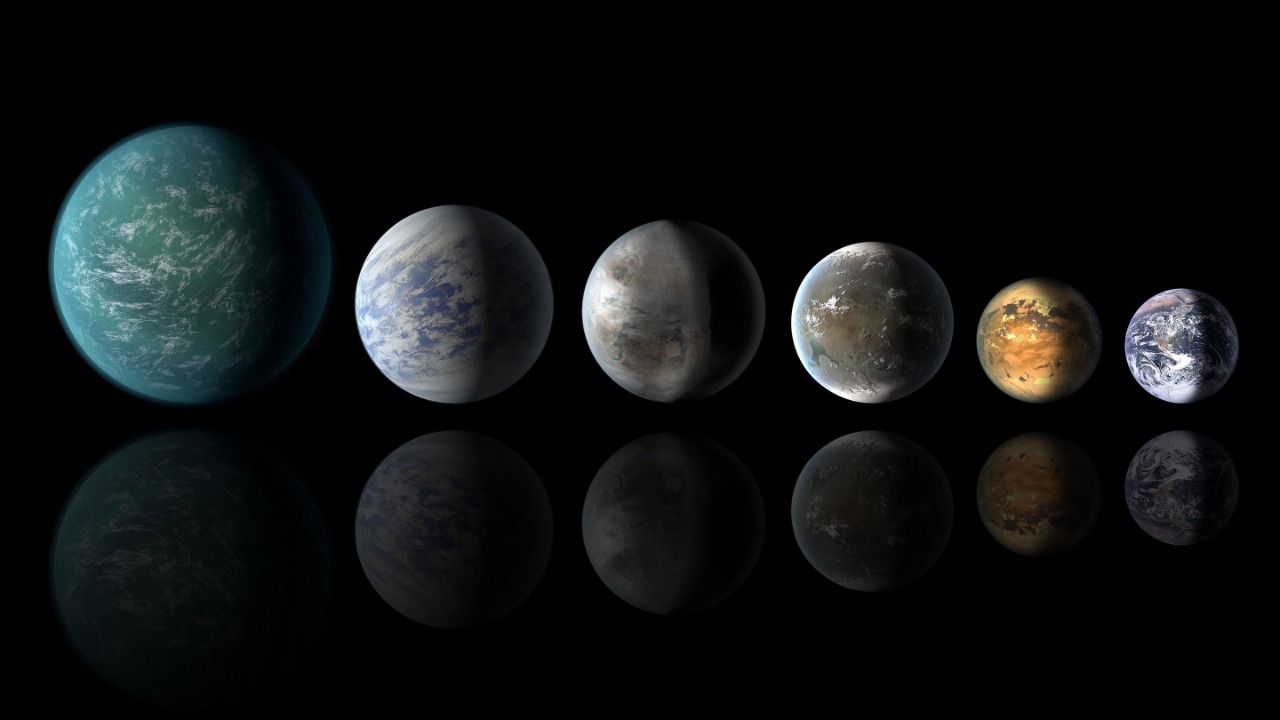
The question of life on other planets has long fascinated scientists and laypeople alike. For life as we understand it to exist, a planet must fall within the habitable or “Goldilocks” zone, where conditions are just right for liquid water to exist. Based on the available data, it’s currently unknown whether this new exoplanet falls within such a zone.
What little we do know about the exoplanet’s atmospheric conditions comes from indirect observations and educated speculation. Further research is necessary to determine its atmospheric composition, pressure, and temperature. Only then can we begin to assess the potential for life.
The Future of Exoplanet Research

This new exoplanet discovery is a significant addition to our understanding of the universe. It provides invaluable data on binary star systems and the planets that orbit them, contributing to our evolving knowledge of celestial dynamics. As our technology and methods improve, we can expect to uncover more such fascinating exoplanets.
Several future missions are planned to further investigate this intriguing exoplanet and its dual suns. These missions will employ cutting-edge technology to probe deeper into the planet’s atmosphere, surface conditions, and potential habitability. With these advancements, the future of exoplanet research is bright and full of potential.
Public Interest and Reaction

The discovery of this new exoplanet has been met with widespread public interest. The idea of a planet orbiting two suns has sparked excitement and speculation, with many drawing parallels to the fictional planet Tatooine from Star Wars. Such discoveries inspire wonder and curiosity, fueling a desire to learn more about our universe.
Moreover, this discovery has significant implications for science education. It provides a tangible example of the incredible diversity and complexity of the universe, inspiring students and young scientists to delve deeper into the mysteries of space. As we continue to explore and uncover new celestial bodies, the boundaries of our understanding expand, and with it, our appreciation for the vastness and beauty of the cosmos. For more insights on exoplanets, you can visit this NASA webpage.