

The recent unearthing of ancient African beads has shed new light on the extensive trading systems that existed some 4,000 years ago. These discoveries have expanded our knowledge of international commerce in the ancient world, challenging previous assumptions and providing fascinating insights into the interconnectedness of ancient societies.
The Discovery of Ancient African Beads

Archaeologists have unearthed these intriguing artefacts from various locations across the African continent. Some of the notable sites include the ancient city-states of Igbo-Ukwu in Nigeria, Mapungubwe in South Africa, and Great Zimbabwe in Zimbabwe. These beads, often found in burial sites and ancient settlements, offer invaluable clues to the civilizations that once thrived there.
The beads themselves are captivating in their diversity. Made from a range of materials including clay, stone, and various metals, they display a rich assortment of colours and shapes. Sophisticated dating methods such as carbon-14 dating and thermoluminescence have been employed to determine their age, verifying their antiquity to around 4,000 years ago.
Significance of Beads in Early African Culture
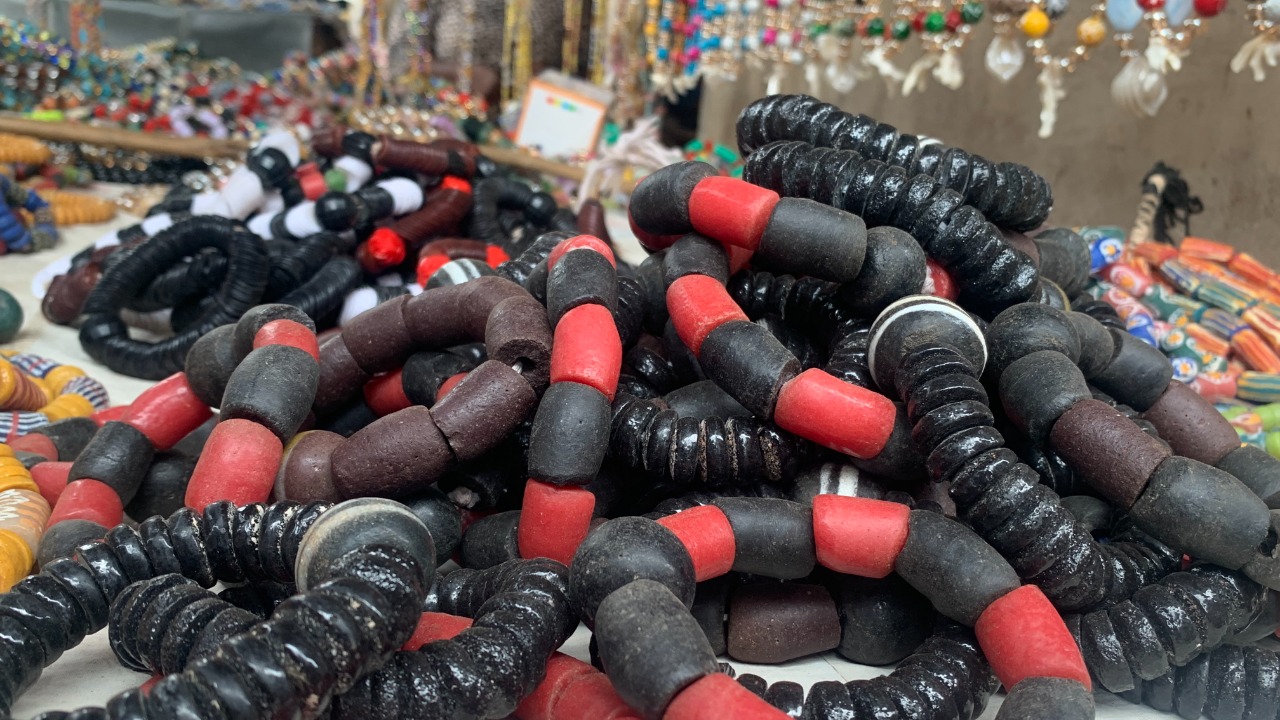
The importance of beads in ancient African societies cannot be overstated. They were used in a variety of ways, from participating in spiritual rituals to indicating social status. Ornamental usage was also widespread, with many examples of beadwork found on clothing, jewelry, and even architectural designs. This research provides a detailed account of the cultural significance of beads in these societies.
Moreover, the creation of these beads was not a simple task. It required a high level of skill and an understanding of various techniques such as drilling, carving, and polishing. This highlights the artisanal prowess of the ancient African societies and the integral role that bead-making played in their communities.
Unearthing a 4,000-Year-Old Trade Network
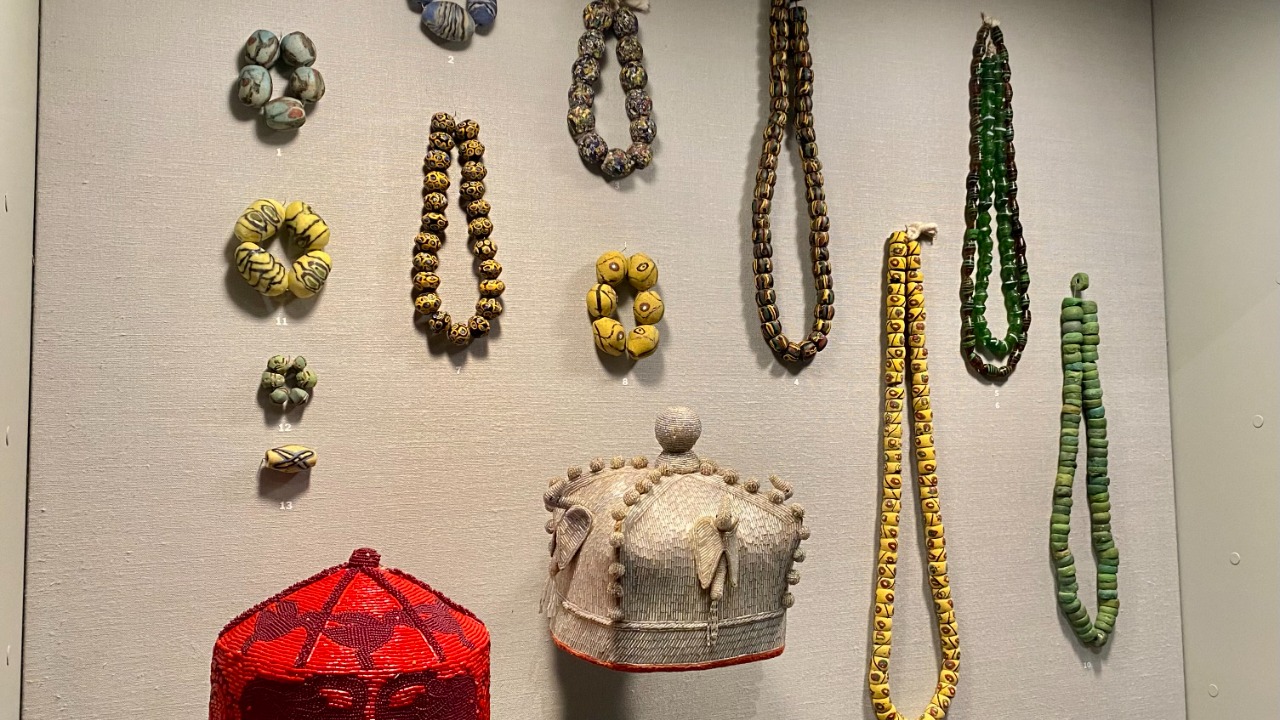
The widespread discovery of these beads across different continents points towards an extensive trade network that existed in ancient times. These trade routes likely spanned across Africa, reaching as far as Asia and Europe. The presence of these beads in such diverse locations challenges previous notions of African trade, suggesting a far more sophisticated and wide-reaching network than previously thought.
Unravelling the potential routes of this ancient trade network is a fascinating endeavour. Scholars hypothesize that these routes would have followed natural landscapes, such as river systems, mountain ranges, and desert trails. This Yale study provides more insight into these possible routes and their impact on the trade network.
Tracing African Beads to Other Civilizations
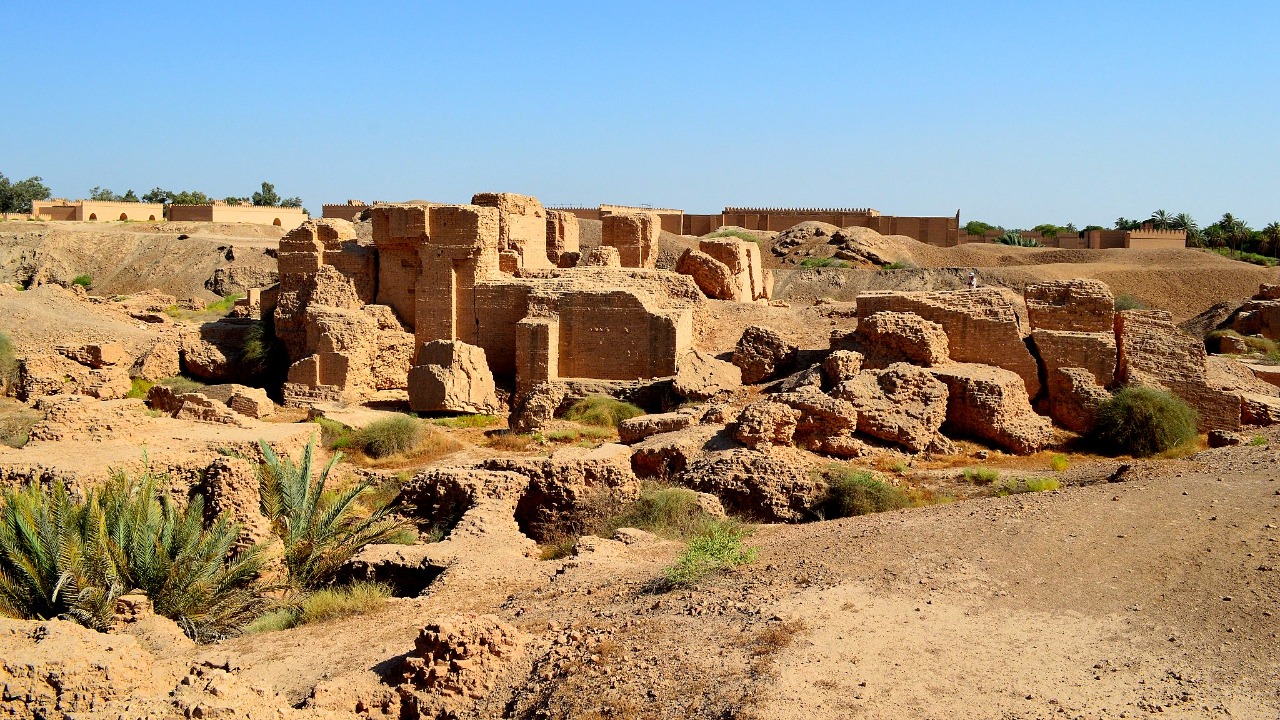
One of the most exciting aspects of this discovery is the evidence of these African beads in other ancient civilizations. For instance, similar beads have been found in archaeological sites in ancient Mesopotamia and Indus Valley civilizations. This suggests that these societies may have been directly connected through trade, or that the beads travelled through a series of intermediaries before reaching their final destination.
The presence of these beads in distant civilizations has profound implications for our understanding of ancient global interconnectivity. It reinforces the idea that trade, exchange, and interaction between different societies were far more common and extensive than previously believed. This Guardian article discusses the broader implications of these findings.
The Influence of Ancient African Trade on Modern Society

The ancient African trade network laid the groundwork for future trade routes and systems. The exchange of goods, ideas, and culture that occurred along these routes helped shape the world as we know it today. For instance, the Trans-Saharan trade routes, thought to be influenced by these ancient networks, played a crucial role in the spread of Islam and the development of several African kingdoms.
Moreover, these ancient trade systems influenced economic, social, and political structures that are still in place today. The impact of this ancient African trade can be seen in modern markets, trade agreements, and even diplomatic relations between nations. The enduring legacy of African beads is also evident in contemporary fashion and culture, with African beadwork remaining a popular form of artistic expression.