

The latest development in night vision technology centers around a new lens that captures infrared light. This cutting-edge advancement significantly enhances visibility in low-light environments, marking a revolutionary breakthrough in the field.
Understanding Infrared and Night Vision Technology
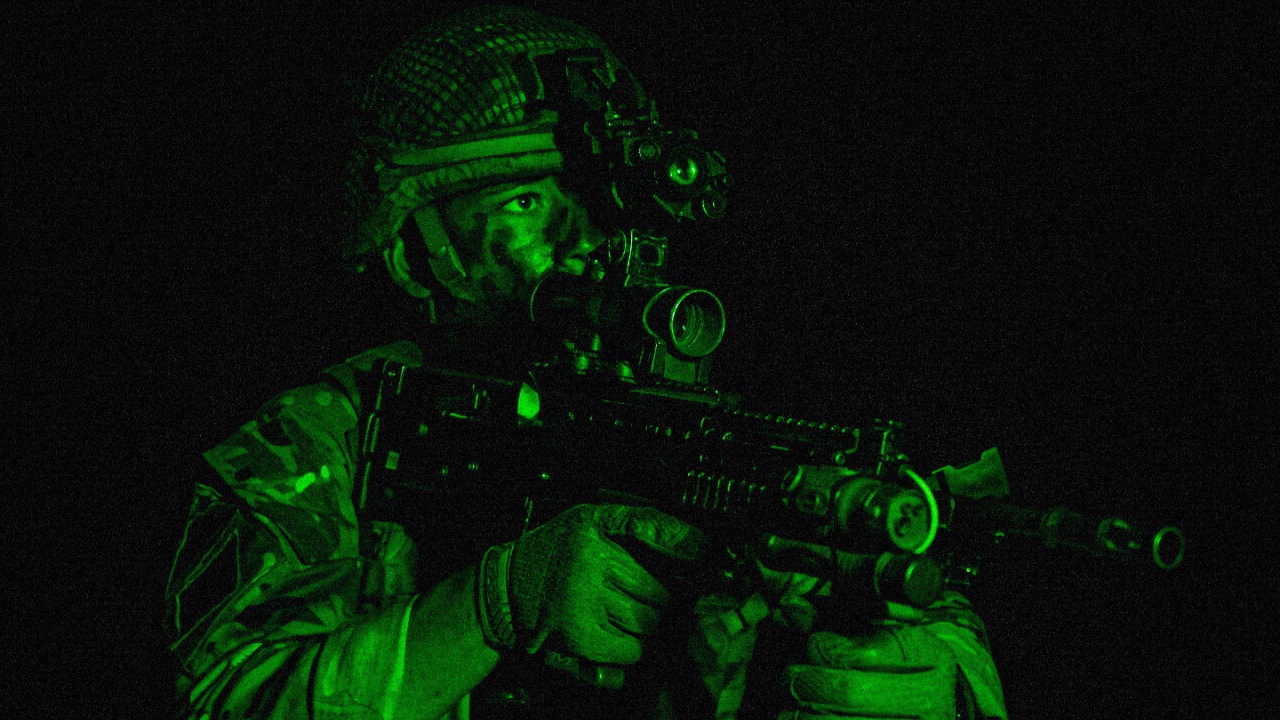
Infrared light is a type of electromagnetic radiation that sits just beyond the red end of the visible light spectrum. It’s invisible to the naked eye but can be detected as heat. Unlike visible light, infrared can penetrate fog, dust, and smoke, making it ideal for night vision applications. For a more detailed explanation, consider this YouTube video.
Since the Second World War, night vision technology has evolved immensely. Traditional night vision devices amplify existing light—like moonlight or starlight—to illuminate the surroundings. However, this method is less effective on cloudy or moonless nights. This research paper provides a comprehensive history and evolution of night vision technology.
The Role of Infrared in Night Vision

Infrared light plays a significant role in enhancing night vision. Since infrared can penetrate obscurities like fog, dust, and smoke, it can provide clear images even in low visibility conditions. This property makes the infrared spectrum crucial in low-light visibility.
Current infrared night vision technologies use thermal imaging or active infrared systems. Thermal imaging captures the heat radiated by objects, while active infrared systems use an infrared light source to illuminate the scene. Both methods have their limitations, such as reduced detail with thermal imaging or the risk of detection with active infrared. For more on this, refer to this technical paper.
Introduction to the New Lens Technology
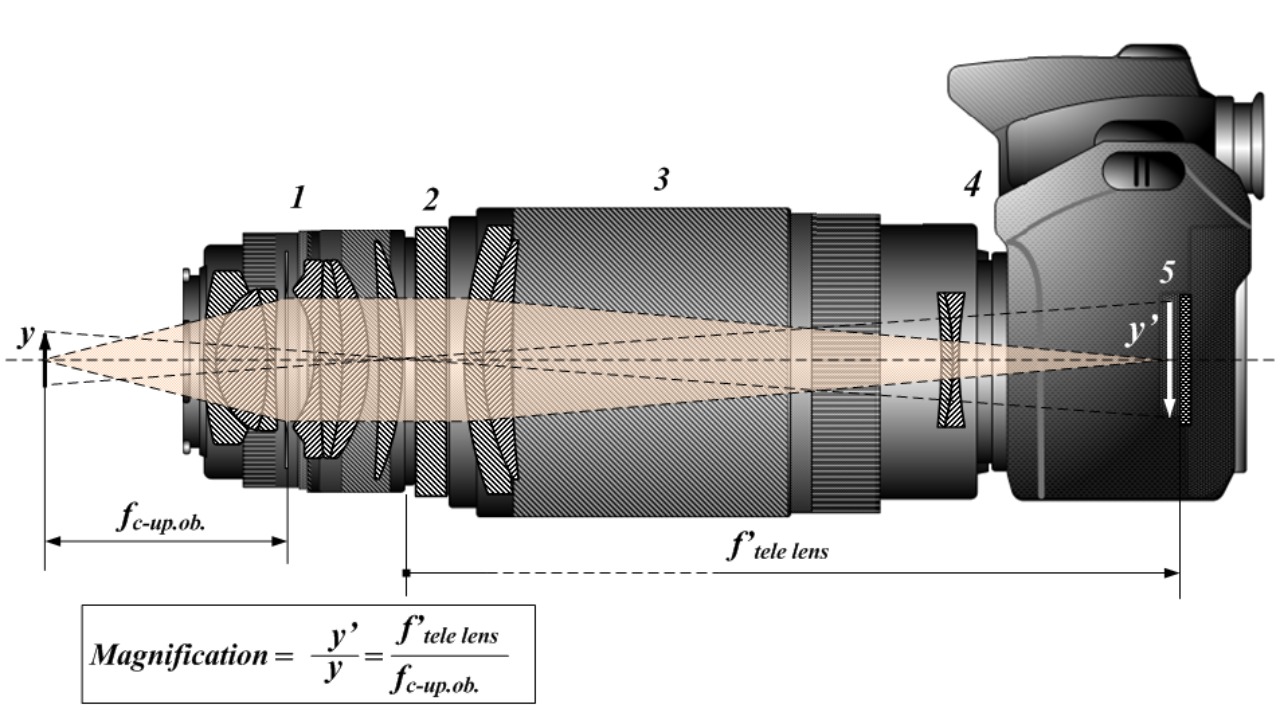
The new lens technology is designed to capture infrared light more efficiently. It uses specialized materials that respond to infrared wavelengths, allowing it to gather and focus infrared light in a similar manner to how conventional lenses focus visible light. This results in clearer images with more detail than ever before.
Unlike traditional night vision devices that amplify existing light or rely on heat signatures, this new lens captures the infrared light emitted by objects in the environment. As a result, it offers improved visibility and clarity even in complete darkness or challenging conditions.
Impact and Applications of the New Lens

The impact of this new lens on the night vision technology field could be substantial. By providing clearer, more detailed images, it can significantly improve the effectiveness of night vision devices. This could have wide-ranging implications for various fields, including military operations, surveillance, wildlife monitoring, and more.
For instance, in the military field, improved night vision could enhance soldiers’ situational awareness, making operations safer and more effective. In surveillance, clearer images can help in identifying individuals or details that might otherwise be missed. Wildlife researchers could observe nocturnal animals more accurately, leading to better insights into their behavior.
Future Prospects and Developments in Night Vision Technology

The introduction of this new lens could influence future night vision technology research significantly. By demonstrating the potential of infrared light in improving night vision, it could lead to further advancements in the field. Researchers may explore other ways to capture and utilize infrared light, leading to even better night vision devices in the future.
However, it’s worth noting that advancements in technology often bring new challenges. For example, as night vision devices become more powerful, they may also become more complex, requiring advanced training to use effectively. Additionally, the ethical implications of increased surveillance capabilities will need to be carefully considered. To learn more about the future of night vision technology, check out this study.