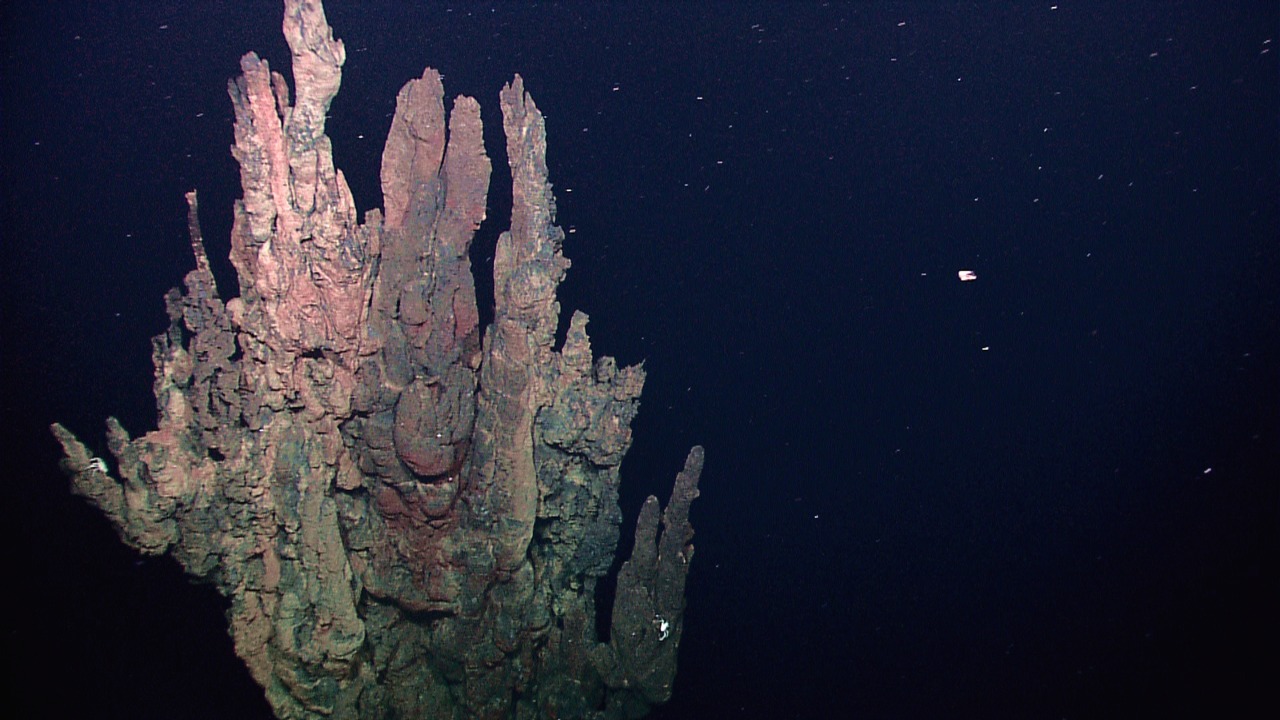

The vast and mysterious depths of our oceans hold an unexpected beacon of hope in the face of the growing plastic pollution crisis. A unique breed of deep-sea bacteria has been discovered, capable of consuming plastic waste found in ocean vents.
Understanding Plastic Pollution in the Ocean
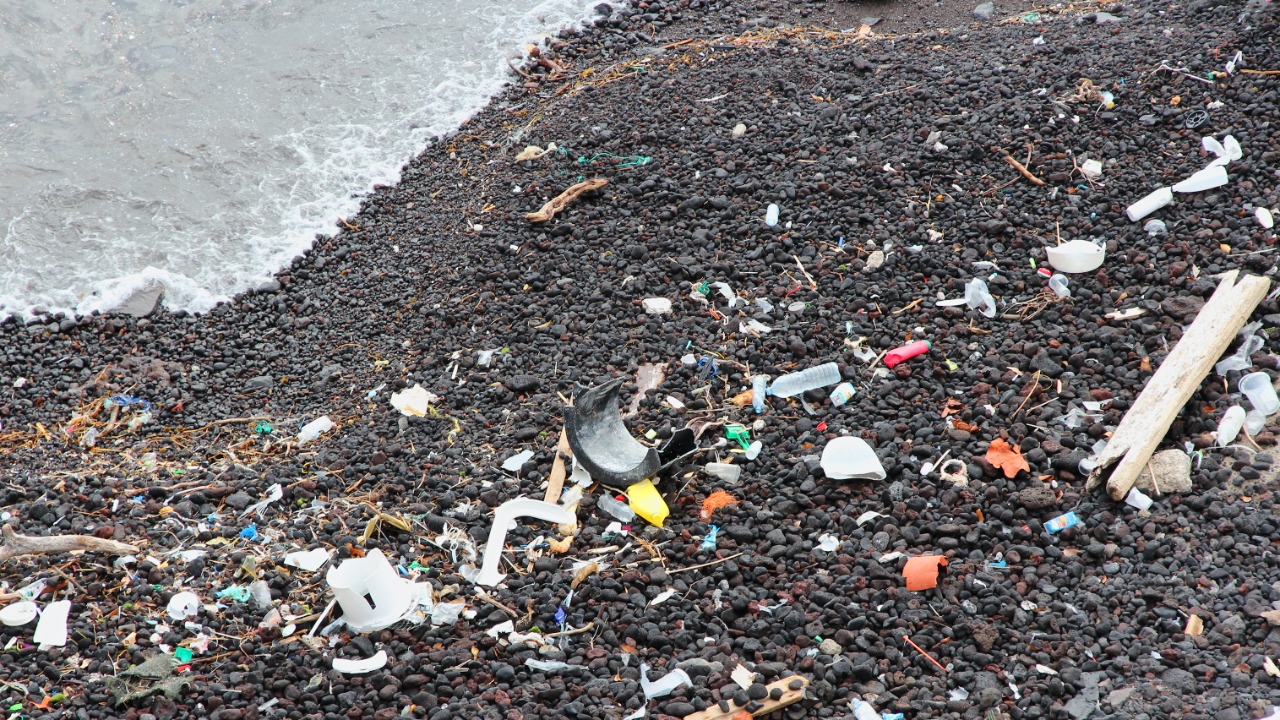
Plastic pollution in our oceans has reached critical levels. According to a study on Marine Ecosystems and Human Health, the amount of plastic waste entering our oceans is expected to triple by 2040. This pollution not only threatens marine life but also poses severe implications to human health as microplastics make their way into our food chain.
Common types of plastic waste found in the ocean include single-use items such as plastic bags, straws, and food packaging. These items often find their way into deep-sea vents through ocean currents and the sinking of heavier waste materials. Over time, these plastic materials degrade into microplastics, which are then ingested by marine organisms and subsequently enter the food chain.
The Role of Deep-Sea Bacteria in Plastic Degradation
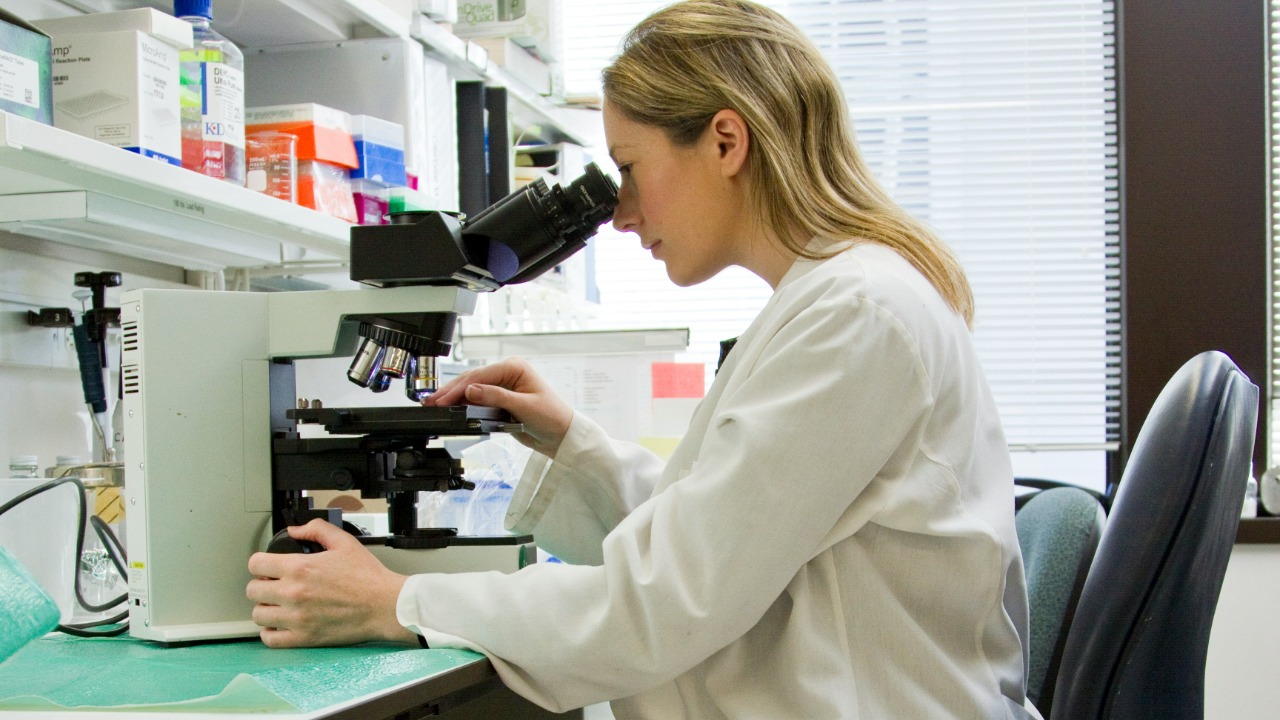
Deep-sea bacteria found in ocean vents have shown remarkable capabilities in dealing with plastic waste. According to a report from phys.org, these bacteria are capable of consuming plastic, effectively reducing the quantity of pollution.
The deep-sea vent environment is extreme, with high pressure, low temperature, and no light. Yet, it is in these conditions that specific bacteria thrives, breaking down plastic materials that have found their way into these vents. The types of bacteria involved are still being studied, but the discovery of their plastic-eating ability is promising for future research.
The Science Behind Plastic-Eating Bacteria
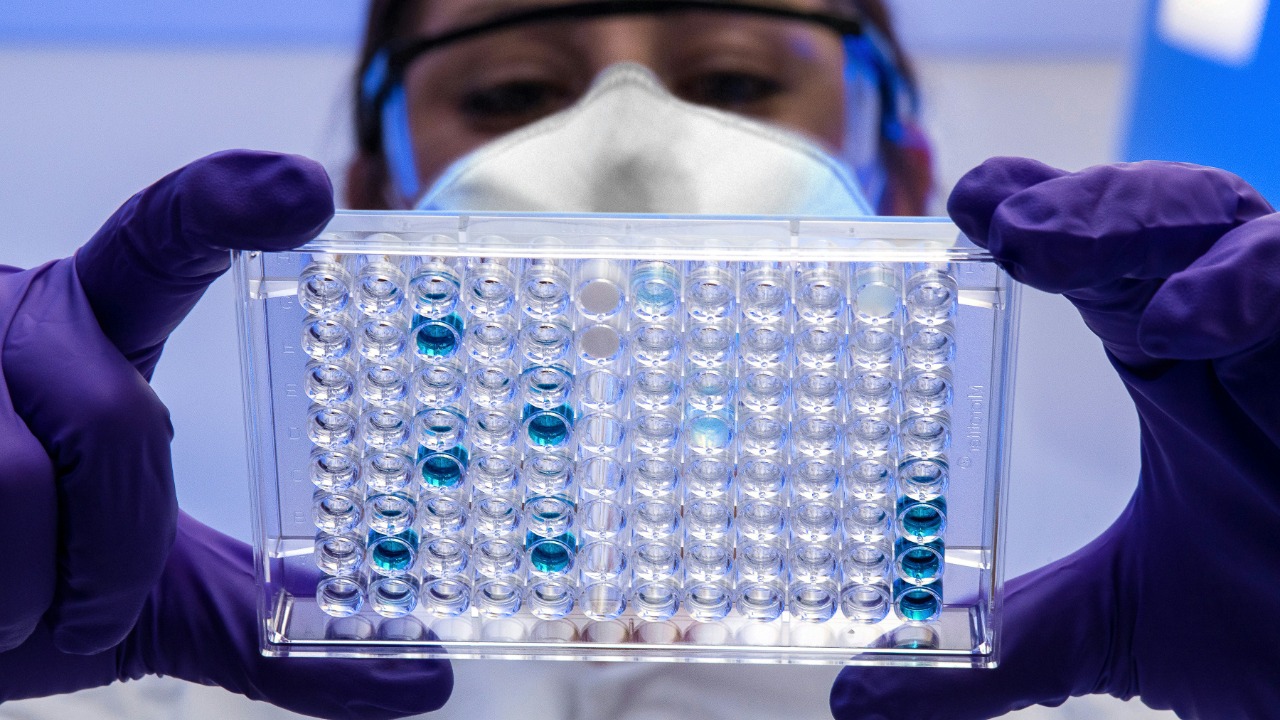
The mechanism behind the plastic-degrading ability of these bacteria is fascinating. According to a study published in Frontiers in Marine Science, these bacteria produce enzymes that can break down the molecular structure of plastic.
The enzyme acts on the plastic materials, breaking them down into smaller components. This process, known as biodegradation, allows the bacteria to consume the resulting compounds, effectively transforming plastic into energy for their survival and reproduction.
The Potential of Bacteria in Plastic Waste Management
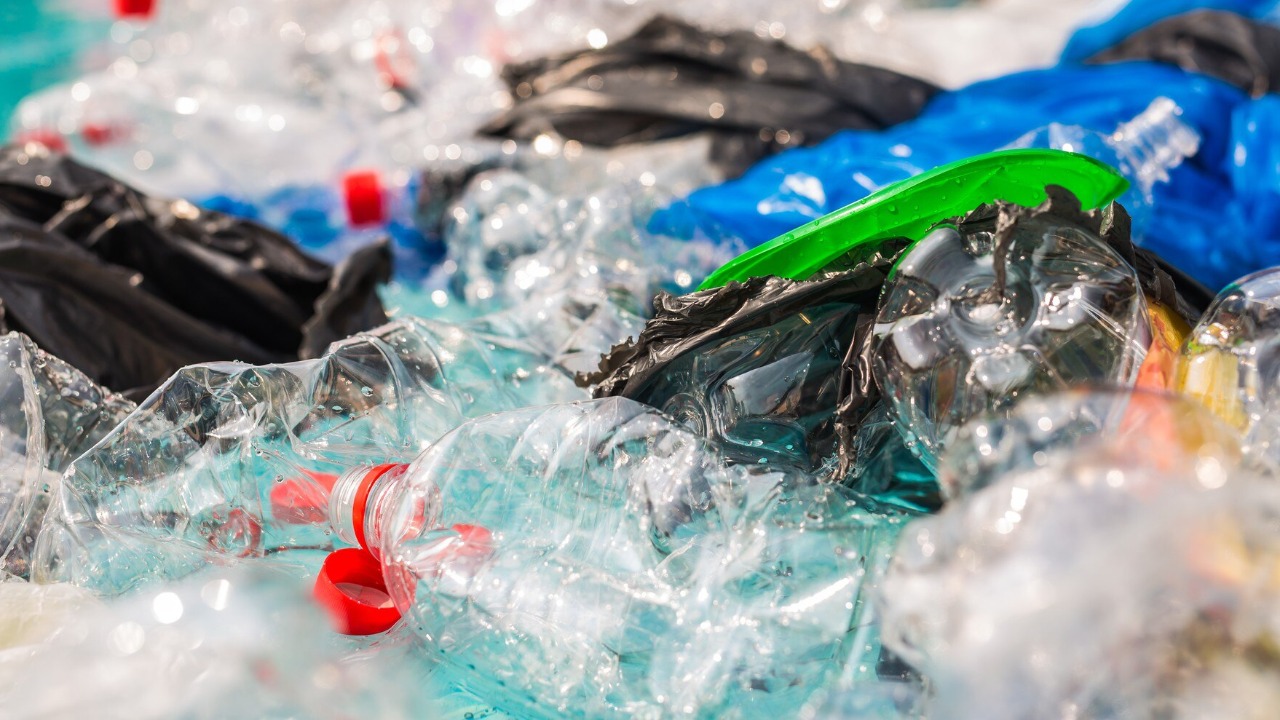
These plastic-eating bacteria could hold great potential for the management and reduction of plastic waste in our oceans. An article from The Guardian discusses the possibility of harnessing these bacteria for large-scale plastic waste management. Their ability to consume and degrade plastic could be utilized to develop innovative solutions for plastic waste reduction.
However, there are challenges to overcome. The specific conditions in deep-sea vents that enable these bacteria to thrive are difficult to replicate on land. Furthermore, the process of cultivating and maintaining these bacteria on a large scale for waste management is a complex task that requires further research and development.
Implications for Future Research and Innovation
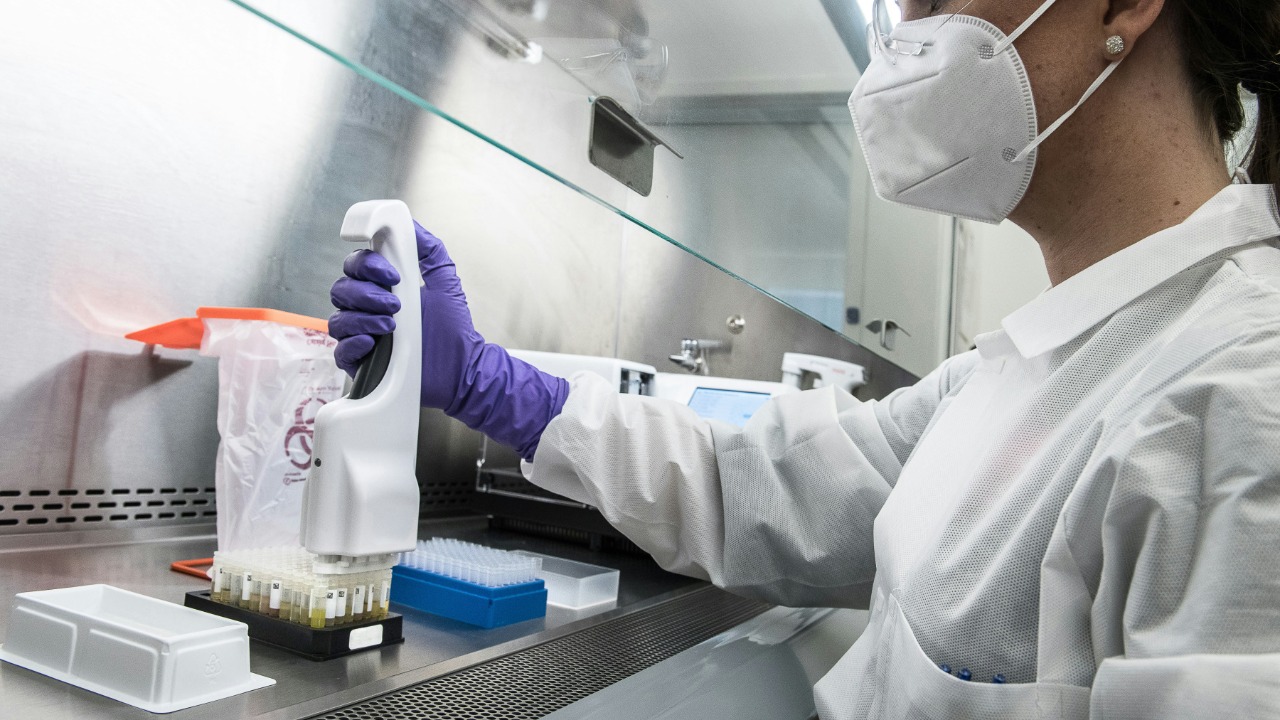
The discovery of plastic-eating bacteria could significantly influence future research and innovation in plastic waste management and recycling. Scientists and innovators around the world could leverage this knowledge to develop new methods and technologies for combating plastic pollution.
Moreover, these bacteria may have applications beyond waste management. For instance, some bacteria are known for their ability to capture carbon dioxide, a greenhouse gas that contributes to climate change. According to a BBC article, harnessing this ability could help reduce greenhouse gas emissions and combat climate change. The possibilities are vast, and it’s clear that these deep-sea bacteria hold great potential for our future.