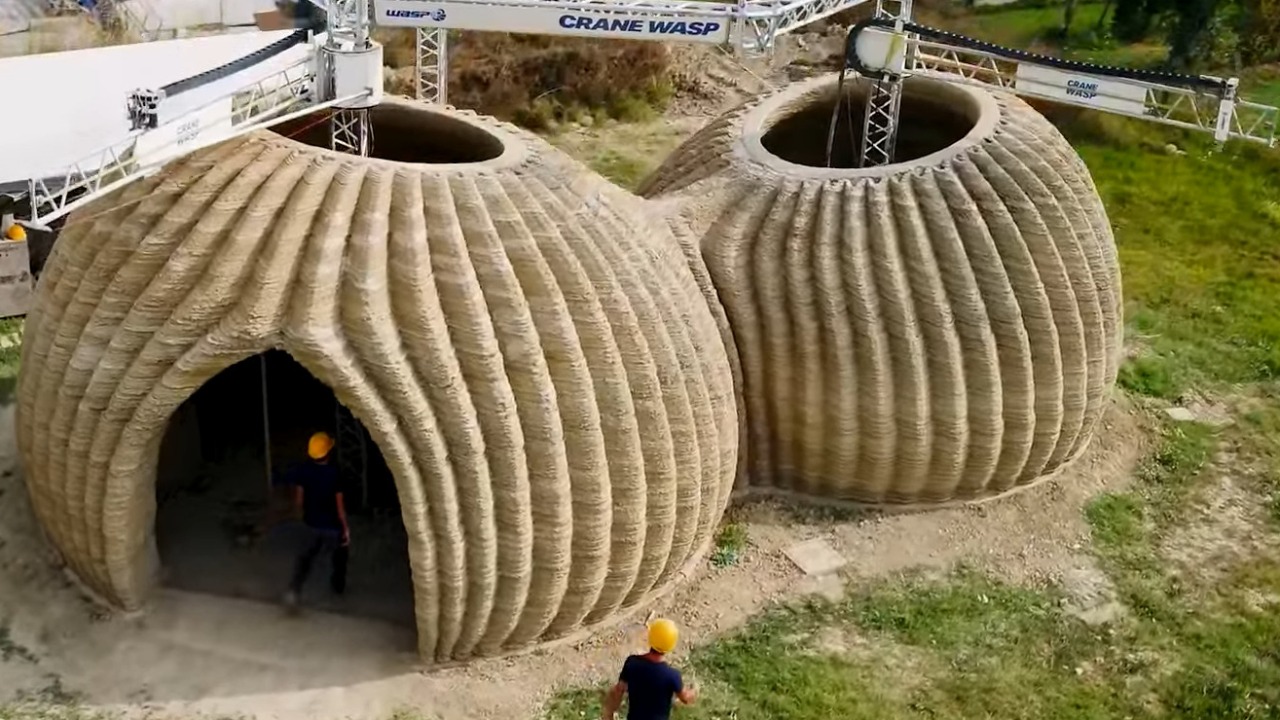

As we continue to harness the capabilities of 3D printing, one application that’s making waves is its use in creating homes built to resist natural disasters, particularly hurricanes. Notably, these 3D-printed homes have exhibited exceptional resilience, passing rigorous hurricane tests in a mere 24 hours.
Understanding 3D Printed Homes
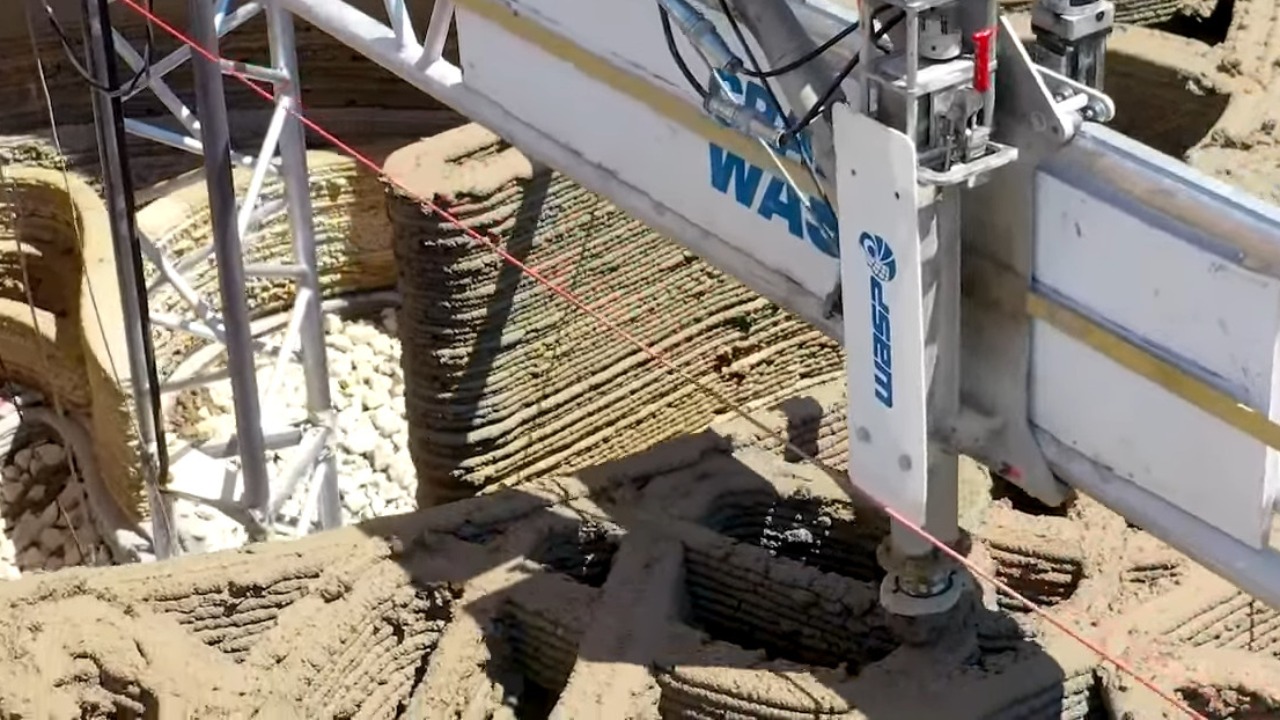
The idea of 3D printing in construction may seem like a concept straight out of a sci-fi book, but it’s quickly becoming a reality. The process involves using a large 3D printer, which extrudes layers of a special concrete mixture to build the walls and structure of the house. The speed and precision of this method significantly reduce construction time and can even lead to cost savings and waste reduction.
However, like any emerging technology, 3D printed homes come with potential drawbacks. Questions about the long-term durability, safety standards, and aesthetic appeal still linger. But with the recent advancements and successful projects, it’s safe to say that the pros are starting to outweigh the cons.
The Hurricane Tests
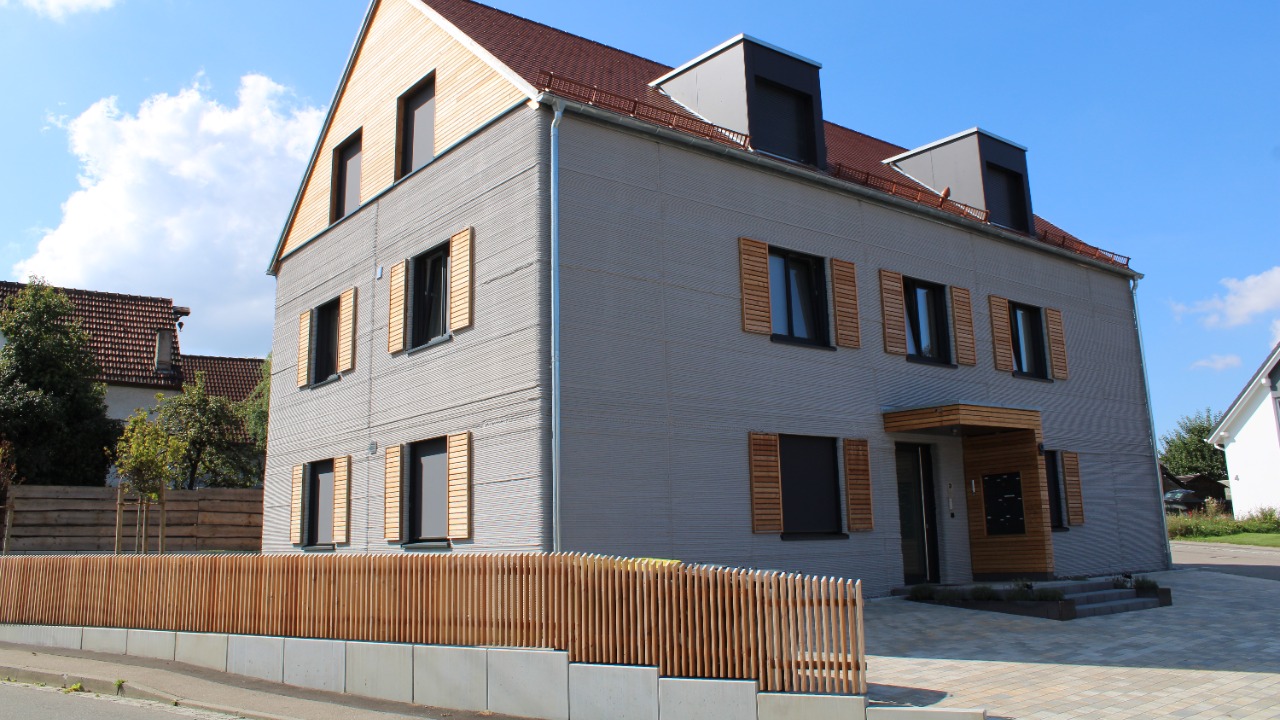
So, how did these 3D printed homes pass the hurricane tests? The testing process was designed to simulate the conditions of a Category 5 hurricane, with wind speeds exceeding 156 mph. The homes had to withstand not only the high winds but also the flying debris that hurricanes often bring.
The results were impressive. The 3D printed homes held up exceptionally well, showing minimal signs of damage compared to traditional homes. This performance can be attributed to the robust construction and superior material properties of the 3D-printed structures, illustrating the potential of this technology in creating disaster-resistant housing.
How 3D Printed Homes Withstand Hurricanes
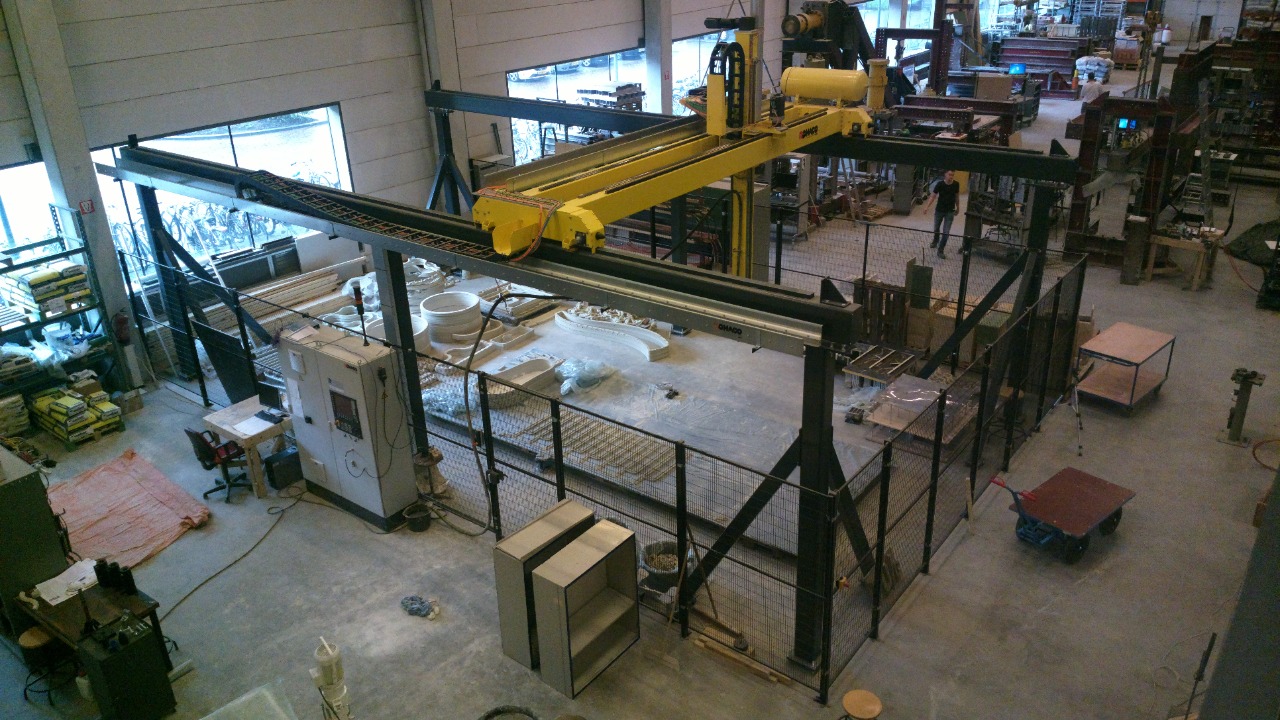
The resilience of 3D printed homes against hurricanes can be traced back to their design and the materials used. The concrete mixture used in 3D printing is typically stronger and more durable than traditional construction materials. Additionally, the design flexibility offered by 3D printing allows for the incorporation of features that enhance resistance against high winds and flying debris.
Advanced technology also plays a crucial role. With the aid of computer-aided design (CAD) tools, engineers can optimize the design for strength and stability. As a result, there have been cases of 3D printed homes surviving real-life hurricane situations, further validating the potential of this technology.
The Future of 3D Printed Homes
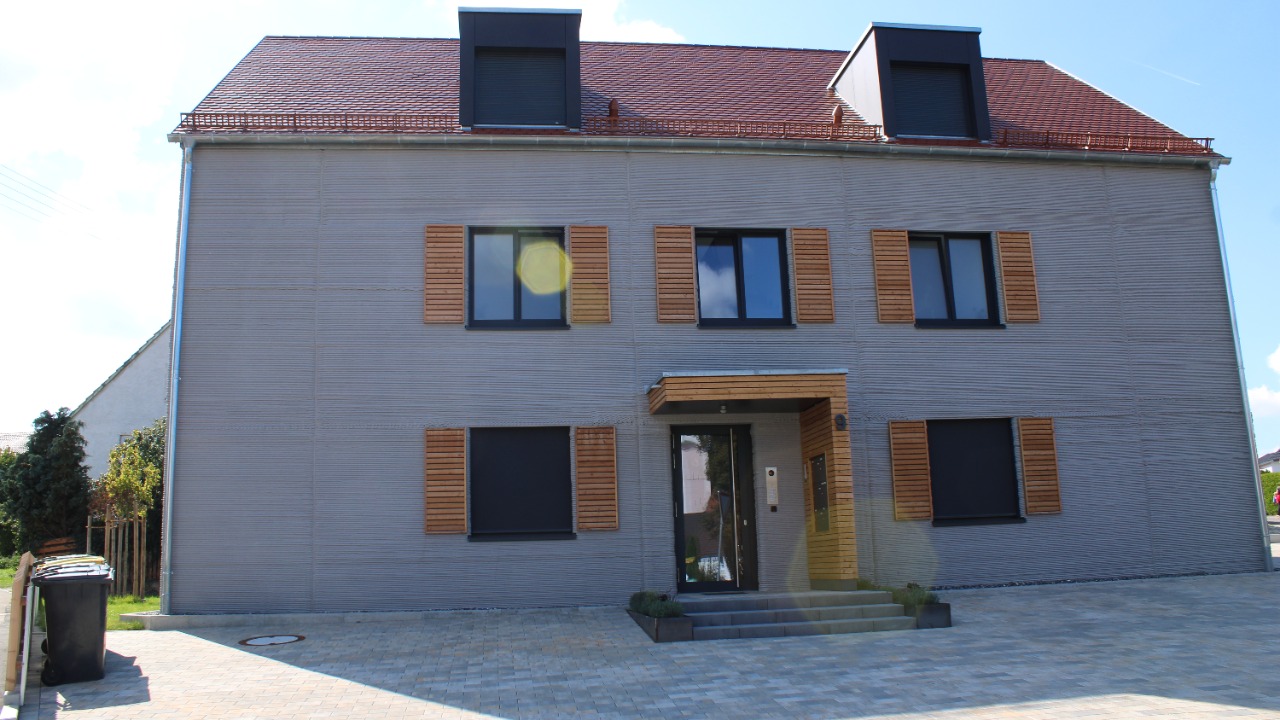
Given their proven resilience, 3D printed homes could potentially transform housing in disaster-prone areas. The speed, efficiency, and cost-effectiveness of 3D printing make it an attractive alternative to traditional construction methods. In fact, some companies are already exploring this possibility, with one partnering with NASA to test 3D printing for lunar habitats.
The future of the 3D printed homes industry looks bright, with potential for further improvements and applications. As technology evolves, we can expect more robust, efficient, and sustainable 3D printed homes. The success of these initiatives could also stimulate interest from other sectors, further expanding the reach of this innovative technology.
Tools and Techniques to Enhance the Resilience of 3D Printed Homes
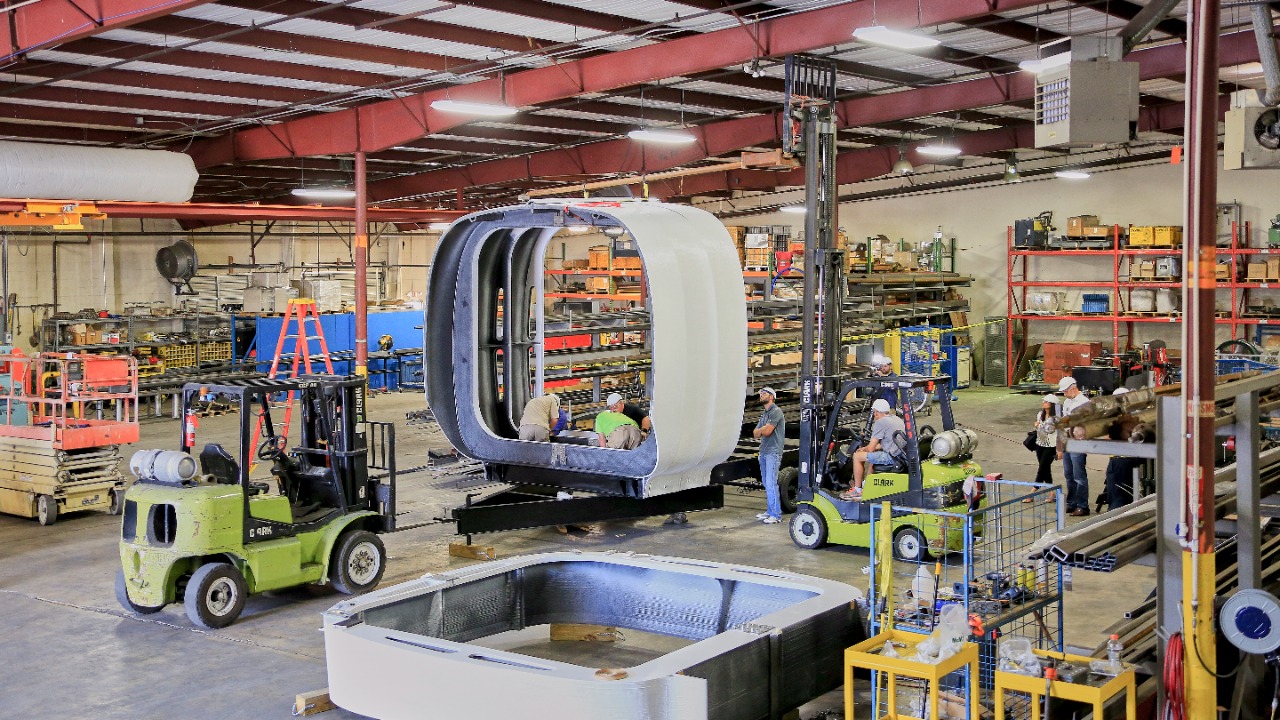
Maintaining and enhancing the durability of 3D printed homes require specific tools and resources. Some of the top tools include advanced 3D printers, high-performance concrete mixtures, and sophisticated software for design and analysis.
User reviews and experiences shared on platforms like Reddit offer valuable insights into the practical aspects of these tools. For instance, a thread on the Futurology subreddit discusses the experience of a Russian company that 3D printed a home. These real-life experiences highlight the potential of 3D printed homes and the tools used to create them.
These tools and techniques play an essential role in ensuring the longevity of 3D printed homes. As the technology matures, we can expect more advanced tools and resources that will further enhance the resilience and durability of these innovative homes.